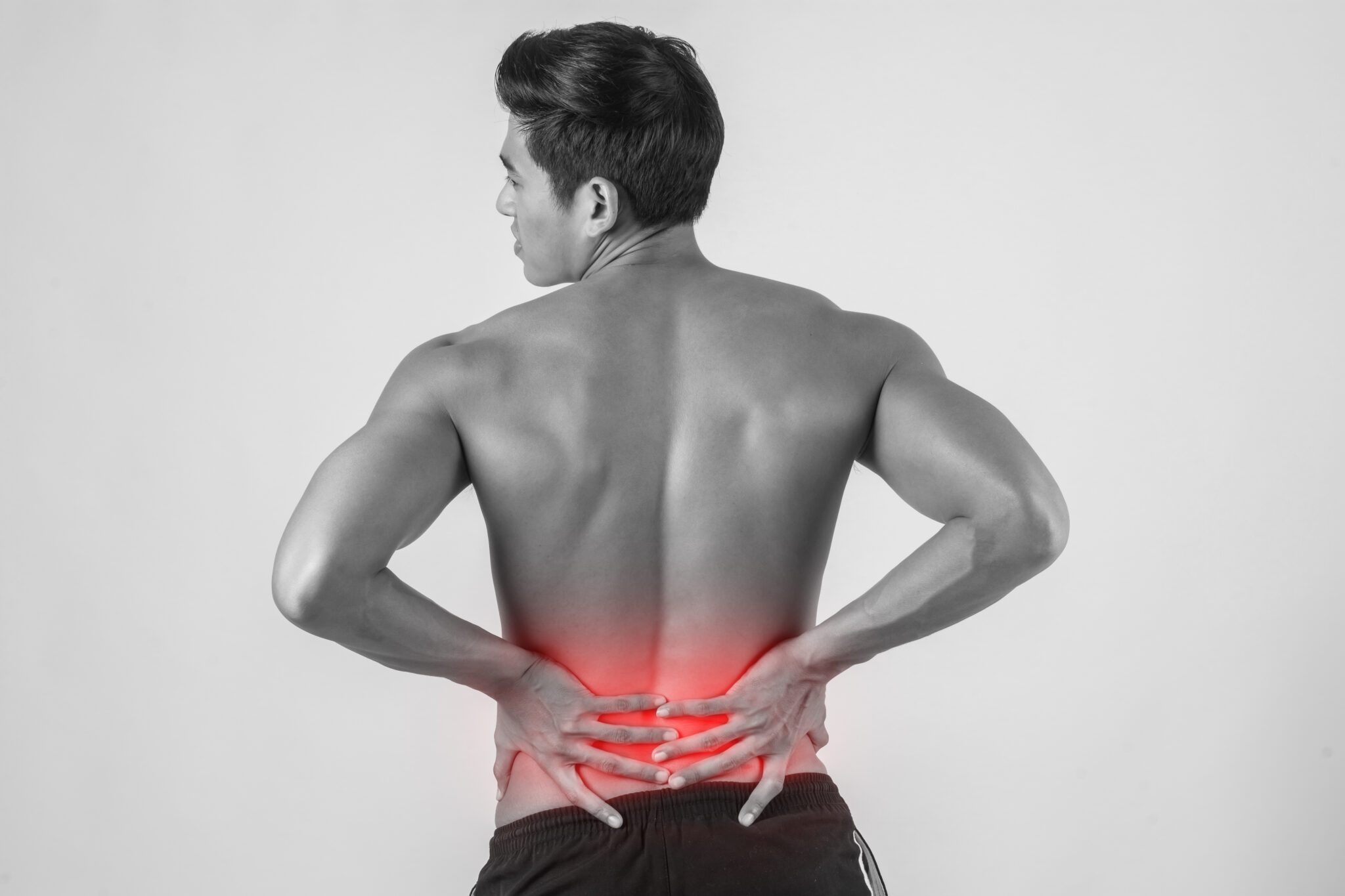
Nutrition Tips for a Healthy Spine

Nutritional tips for Healthy Spine

Nutrition Tips for a Healthy Spine

Spine is what gives human beings an erect posture. Our spine protects our spinal cord and is the pivot around which most of our movements are centred. Even in spoken language, our spine has great importance. “Having a spine” means a person of strength and integrity.

So, maintaining a healthy spine is essential for our overall well-being, as it supports the body, protects the spinal cord, and facilitates movement. While exercise and good posture are critical for spinal health, nutrition also plays a vital role. A well-balanced diet provides the necessary nutrients to keep the spine strong and flexible, reduce inflammation, and promote healing. Here are some key nutrition tips to support spinal health.

By Dr.Ravindra Patil

Table of Contents

1. Calcium for Strong Bones

Calcium is the most crucial mineral for bone health. It helps maintain the structural integrity of the vertebrae and prevents conditions like osteoporosis, which can lead to spinal fractures.
– Sources: Dairy products such as milk, yogurt, and cheese are excellent sources of calcium. For those who are lactose intolerant or vegan, fortified plant-based milks (like almond, soy, or oat milk), leafy green vegetables (such as kale, broccoli, and bok choy), almonds, and tofu are good alternatives.
– Recommended Intake: Adults should aim for 1,000 to 1,200 mg of calcium per day, depending on age and sex.

2. Vitamin D for Calcium Absorption

Vitamin D is essential for the absorption of calcium in the body. Without adequate vitamin D, calcium cannot be effectively absorbed, regardless of intake levels.

– Sources: The body synthesizes vitamin D when the skin is exposed to sunlight. Dietary sources include fatty fish (like salmon, mackerel, and sardines), egg yolks, fortified foods (such as orange juice and cereals), and supplements.

– Recommended Intake: Adults should aim for 600 to 800 IU (15 to 20 micrograms) of vitamin D per day. People with limited sun exposure might need higher doses.

3. Magnesium for Bone Formation

Magnesium plays a crucial role in bone formation and the synthesis of proteins that build bone density. It also helps regulate calcium levels and activates vitamin D.

– Sources: Magnesium-rich foods include nuts and seeds (such as almonds, sunflower seeds, and pumpkin seeds), legumes (like black beans and chickpeas), whole grains, leafy green vegetables, and dark chocolate.

– Recommended Intake: Adults should aim for 310 to 420 mg of magnesium per day, depending on age and sex.

4. Vitamin K for Bone Mineralization

Vitamin K is essential for the mineralization of bones, which is the process of laying down minerals to form bone.

– Sources: Leafy green vegetables (such as spinach, kale, and Brussels sprouts), broccoli, and fermented foods like natto are excellent sources of vitamin K.

– Recommended Intake: Adults should aim for 90 to 120 micrograms of vitamin K per day.

5. Omega-3 Fatty Acids for Reducing Inflammation

Chronic inflammation can contribute to back pain and degenerative spinal conditions. Omega-3 fatty acids have potent anti-inflammatory properties.

– Sources: Fatty fish (such as salmon, mackerel, and sardines), flaxseeds, chia seeds, walnuts, and fish oil supplements are rich in omega-3s.

– Recommended Intake: Adults should aim for at least 250 to 500 mg of EPA and DHA (the two main types of omega-3s) per day.

6. Protein for Muscle and Tissue Repair

Protein is essential for the repair and growth of muscle tissues that support the spine. It also plays a role in maintaining bone density.

– Sources: Lean meats (such as chicken and turkey), fish, eggs, dairy products, legumes, nuts, and seeds are good sources of protein. Plant-based options include beans, lentils, tofu, and quinoa.

– Recommended Intake: Adults should consume 0.8 grams of protein per kilogram of body weight per day. Athletes and those engaging in heavy physical activity may need more.

7. Antioxidants for Reducing Oxidative Stress

Antioxidants help combat oxidative stress, which can contribute to spinal degeneration and inflammation.

– Sources: Colorful fruits and vegetables, such as berries, citrus fruits, tomatoes, bell peppers, and leafy greens, are high in antioxidants. Nuts, seeds, and green tea are also beneficial.

– Recommended Intake: Aim to include a variety of colorful fruits and vegetables in your diet daily to ensure a good intake of antioxidants.

8. Hydration for Disc Health

Intervertebral discs, which act as cushions between the vertebrae, are composed primarily of water. Proper hydration is crucial for maintaining their flexibility and function.

– Sources: Drinking plenty of water is the best way to stay hydrated. Other hydrating options include herbal teas and water-rich fruits and vegetables (such as watermelon, cucumber, and oranges).

– Recommended Intake: Aim to drink at least 8 glasses (about 2 liters) of water per day, more if you are physically active or in a hot climate.

9. Avoiding Inflammatory Foods

Certain foods can promote inflammation, which can exacerbate back pain and spinal issues.

– Foods to Limit: Reduce intake of processed foods, sugary snacks, refined carbohydrates, and trans fats. Avoid excessive alcohol and caffeine, as they can dehydrate the body and lead to nutrient depletion.

– Healthier Alternatives: Focus on whole foods, such as fruits, vegetables, whole grains, lean proteins, and healthy fats.

10. Balanced Diet for Overall Health

Maintaining a balanced diet that includes a variety of nutrients is key to overall spinal health. A diet rich in vitamins, minerals, healthy fats, and adequate protein supports all aspects of health, including the spine.

– Meal Planning: Plan meals that incorporate a variety of food groups. For example, a balanced meal might include a serving of grilled salmon (protein and omega-3s), a side of steamed broccoli (vitamins C and K), a quinoa salad (magnesium and protein), and a glass of fortified almond milk (calcium and vitamin D).

11. Spine Exercise

No essay about nutrition is complete without information about exercise. Only good nutrition will never make the spine healthy. Good nutrition without exercise may lead to weight gain. Regular exercise strengthens the muscles that support the spine, improves flexibility, and reduces the risk of back pain. Here are some essential exercise tips for a healthy spine:

  1. Core Strengthening: Strengthening the core muscles helps support the spine. Exercises like planks, bridges, and abdominal crunches target the abdominal, back, and pelvic muscles.
  2. Stretching: Regular stretching improves flexibility and reduces muscle tension. Incorporate stretches for the hamstrings, hip flexors, and lower back. Yoga and Pilates are excellent for enhancing spinal flexibility and overall muscle balance.
  3. Low-Impact Aerobic Exercises: Activities such as walking, swimming, and cycling increase blood flow to the spine, promoting healing and reducing stiffness without straining the back.
  4. Posture Training: Focus on exercises that promote good posture. Exercises like rows and chest stretches help balance the muscles and prevent slouching, which can lead to spinal issues.


Consulting a physical therapist before starting any new exercise regimen is advisable.

Conclusion

A healthy spine is foundational to overall health and well-being. Proper nutrition plays a significant role in maintaining spinal integrity, reducing inflammation, and promoting healing. By focusing on a balanced diet rich in essential nutrients such as calcium, vitamin D, magnesium, omega-3 fatty acids, and antioxidants, and by staying well-hydrated, you can support spinal health and reduce the risk of back pain and spinal disorders. Always consult with a healthcare provider or a nutritionist for personalized dietary advice tailored to your specific needs and health conditions.
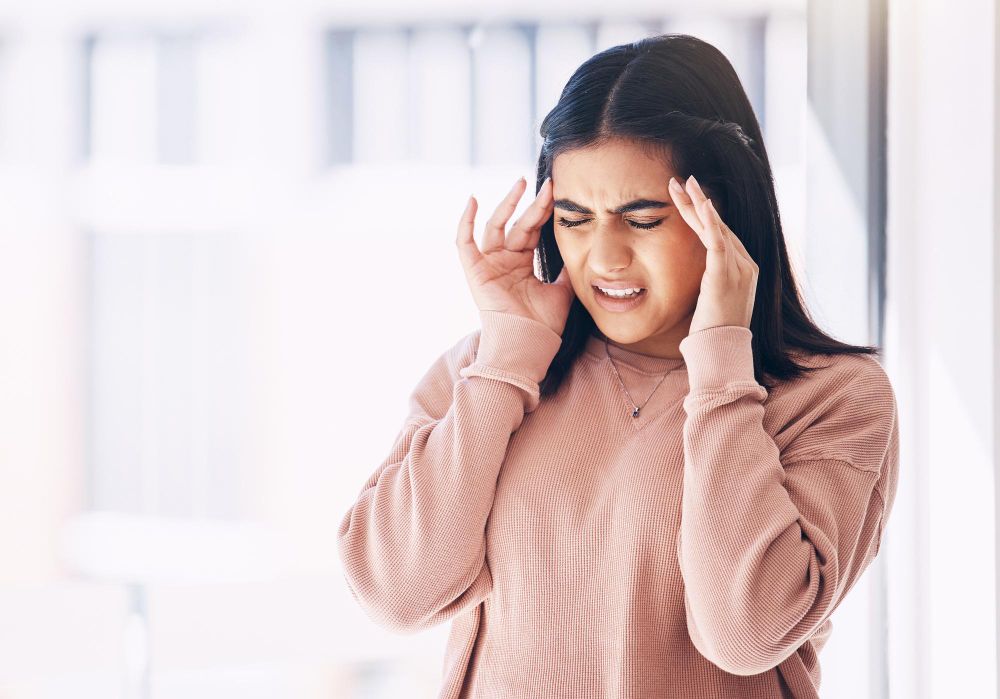
डोकेदुखीची सामान्य कारणे आणि डोकेदुखी कमी कशी करावी

डोकेदुखीची सामान्य कारणे आणि डोकेदुखी कमी कशी करावी

डोकेदुखीची सामान्य कारणे आणि डोकेदुखी कमी कशी करावी

डोकेदुखी ही सर्वात सामान्य वैद्यकीय तक्रारींपैकी एक आहे, जी सर्व वयोगटातील आणि पार्श्वभूमीच्या लोकांना प्रभावित करते. तिची तीव्रता आणि वारंवारता कालावधीमध्ये बदलू शकते आणि काही डोकेदुखी केवळ किरकोळ असते तर काही वेळा त्यामुळे व्यक्ति खूप अस्वस्थ आणि उदास होऊ शकतात व जीवनाचा दर्जा बिघडवतात. जीवनाचा दर्जा सुधारण्यासाठी डोकेदुखीची सामान्य कारणे आणि त्यांचे भावी व्यवस्थापन समजून घेणे महत्त्वाचे आहे.

By Dr. Ravindra Patil

Table of Contents

असामान्य आणि धोकादायक डोकेदुखी

डोकेदुखीचे सामान्य प्रकार आणि त्यांचे व्यवस्थापन करण्याचे मार्ग आणि मार्ग पाहण्यापूर्वी, आपण असामान्य आणि संभाव्य धोकादायक डोकेदुखीचा अभ्यास आधी करूया. जरी बहुतेक डोकेदुखीचे किस्से सौम्य आणि आटोपशीर असलो तरी काही प्रकार असामान्य असतात आणि गंभीर अंतर्निहित रोगांची लक्षणे असू शकतात. या धोकादायक डोकेदुखी ओळखणे आणि त्वरित वैद्यकीय मदत घेणे महत्वाचे आहे. डोकेदुखीचे काही असामान्य आणि संभाव्य धोकादायक प्रकार खाली दिले आहेत:

थंडरक्लॅप डोकेदुखी

थंडरक्लॅप डोकेदुखी ही अचानक, तीव्र डोकेदुखी असते जी काही सेकंद ते काही मिनिटांत जास्तीत जास्त तीव्रतेपर्यंत पोहोचते. हे सब-अ‍ॅरॅक्नोइड रक्तस्राव, सेरेब्रल व्हेनस सायनस थ्रॉम्बोसिस, रिव्हर्सिबल सेरेब्रल व्हॅसोकॉन्स्ट्रीक्शन सिंड्रोम, रक्तस्त्राव किंवा पिट्यूटरी ग्रंथीमध्ये बिघडलेला रक्तपुरवठा इत्यादीसारख्या जीवघेण्या परिस्थितीमुळे होऊ शकतो. अशा डोकेदुखीसाठी त्वरित वैद्यकीय मूल्यांकन आणि उपचार आवश्यक आहेत.

मेनिंजायटीस डोकेदुखी

हे सहसा गंभीर असते आणि ताप, मान कडक होणे, मळमळ, उलट्या आणि प्रकाशाची संवेदनशीलता यांसारख्या इतर लक्षणांसह असते. हे मेंदू आणि पाठीचा कणा झाकणाऱ्या आवरणांच्या संसर्गामुळे होते. अशा रूग्णांना तातडीने वैद्यकीय मदतीची आवश्यकता असते.

टेम्पोरल आर्टेरायटिस (जायंट सेल आर्टेरायटिस)

यामुळे सतत, धडधडणारी डोकेदुखी, सहसा कानपट्टीवर होते. अन्न चावतांना जबडा दुखणे, दृष्टी समस्या आणि टाळूवर दुखणे असू शकते. हे डोक्यातील रक्तवाहिन्यांच्या जळजळीमुळे होते. यासाठी कॉर्टिकोस्टिरॉईड्ससह त्वरित वैद्यकीय उपचार आवश्यक आहेत.

प्राथमिक इंट्राक्रॅनियल हायपरटेन्शन

या स्थितीत कवटीच्या आत दाब वाढतो, ज्यामुळे डोकेदुखी उद्भवते जी सकाळी किंवा झोपताना बऱ्याचदा फार जास्त असते. दृष्टी बदलणे, कानात वाजणे आणि मळमळ हे पण त्या बरोबर होऊ शकते. याचे कारण सहसा अज्ञात असते परंतु लठ्ठपणाशी संबंधित असू शकते.

दुय्यम इंट्राक्रॅनियल हायपरटेन्शन

हे डोक्याला दुखापत, संसर्ग, ट्यूमर किंवा विशिष्ट औषधांमुळे होऊ शकते. त्यासाठी वैद्यकीय तपासणी आणि उपचार आवश्यक आहेत.

ब्रेन ट्यूमरमुळे डोकेदुखी

ही आणखी एक धोकादायक डोकेदुखी असते व ही मेंदूतील ट्यूमरमुळे उद्भवते आणि ती सतत वाढत जाते. निदानासाठी न्यूरोइमेजिंग (एमआरआय किंवा सीटी स्कॅन) आवश्यक आहे, त्यानंतर योग्य उपचार केले जातात.

कार्बन मोनोऑक्साइड विषबाधा डोकेदुखी

ही एक कंटाळवाणी व धडधडणारी डोकेदुखी असते आणि कार्बन मोनोऑक्साइड विषबाधाचे एक सामान्य प्रारंभिक लक्षण आहे. अनेकदा चक्कर येणे, अशक्तपणा, मळमळ आणि गोंधळ ही लक्षणेही उद्भवतात. कार्बन मोनॉक्साईड वायूची श्वासा द्वारे विषबाधा अनेकदा बिघडलेले रूम हीटर्स, मोटार गाडीचा धूर (एक्झॉस्ट) किंवा ज्वलनाच्या इतर स्रोतांमधून होते. उपचारासाठी रूग्णाला कार्बन मोनॉक्साईडच्या स्त्रोतापासून त्वरित काढून टाकणे आणि त्वरित वैद्यकीय उपचार घेणे आवश्यक आहेत.

जीवघेण्या डोकेदुखीचे वरील लाल झेंडे समजून घेतल्यावर आता आपण डोकेदुखीची सामान्य कारणे कोणती आहेत आणि त्यांचे उपाय कसे करावे ते पाहू या.

डोकेदुखीची सामान्य कारणे

1. तणाव डोकेदुखी

डोकेदुखीचा सर्वात प्रचलित प्रकार, तणाव डोकेदुखी, बहुतेकदा डोकेभोवती सतत वेदना किंवा दाब या लक्षणा सहीत होते. विशेषत: कानपट्टी किंवा डोके आणि मानेच्या मागील बाजूस ही डोकेदुखी होते. ही डोकेदुखी सामान्यतः तणाव, चिंता, शरीराची खराब मुद्रा किंवा स्नायूंच्या ताणामुळे सुरू होते.

2. मायग्रेन

मायग्रेन ही तीव्र, धडधडणारी डोकेदुखी असते व ती काही तासांपासून काही दिवस टिकते. अनेकदा डोकेदुखी बरोबर मळमळ, उलट्या आणि प्रकाश आणि आवाजाची संवेदनशीलता असते. या डोकेदुखीचे नेमके कारण माहित नसले तरी, आनुवंशिकता, हार्मोनल बदल, काही खाद्यपदार्थ आणि पेये, तणाव आणि संवेदनात्मक उत्तेजना यासारख्या घटकांमुळे मायग्रेन होऊ शकते.

3. क्लस्टर डोकेदुखी

– क्लस्टर डोकेदुखी तीव्र असते व वारंवार चक्रीय पणे होते, किंवा क्लस्टर्समध्ये (एकदम अनेक वेळा) उद्भवते. ती डोक्याच्या एका बाजूला, बर्याचदा डोळ्याभोवती, तीव्र वेदनां द्वारे होते. याचेही नेमके कारण अस्पष्ट आहे. ही डोकेदुखी हायपोथालेमसमधील विकृतींशी निगडीत असू शकते. तसेच दारू, धूम्रपान, समुद्रसपाटी पासून उंच प्रदेशात किंवा तेजस्वी प्रकाशामुळे सुरू होऊ शकते.

4. सायनस डोकेदुखी

या डोकेदुखीचा संबंध गालाची हाडे, कपाळ किंवा नाकाच्या सततच्या वेदनांशी असतो. वेदना सहसा अचानक डोक्याची हालचाल किंवा ताण वगैरे मुळे वाढते. सायनस डोकेदुखी सामान्यत: सायनस संसर्ग किंवा जळजळ (सायनुसायटिस) मुळे होते.

5. रिबाउंड डोकेदुखी

औषधांचा अतिवापर केल्यामुळे होणारी डोकेदुखी म्हणूनही ही डोकेदुखी ओळखली जाते. डोकेदुखीच्या औषधांच्या अतिवापरामुळे रीबाउंड डोकेदुखी उद्भवते. एस्पिरिन, ॲसिटामिनोफेन किंवा आयबुप्रोफेन यांसारख्या वेदना कमी करणाऱ्या औषधांचा नियमित वापर केल्यास वारंवार डोकेदुखी होऊ शकते.

6. हार्मोनल डोकेदुखी

या डोकेदुखी स्त्रियांमध्ये होतात आणि हार्मोनल चढउतारांशी संबंधित असतात, जसे की मासिक पाळी, गर्भधारणा किंवा रजोनिवृत्ती दरम्यान. इस्ट्रोजेन हार्मोनच्या पातळीतील बदल हे हार्मोनल डोकेदुखीचे प्राथमिक कारण आहेत.

7. कॅफीन-विथड्रॉवल डोकेदुखी

कॅफीनचे सेवन अचानक कमी केल्याने किंवा बंद केल्याने ही डोकेदुखीचा होते. कॅफिन हे उत्तेजक घटक आहे आणि अचानक काढून टाकल्याने मेंदूतील रक्तप्रवाहात बदल झाल्यामुळे डोकेदुखी होऊ शकते. कॅफीन चहा, कॉफी व काही पेयांच्यात असते. 

डोकेदुखी कशी कमी करावी

1. ताण व्यवस्थापन

– दीर्घ श्वासोच्छवासाचे व्यायाम, ध्यान आणि योग यासारख्या विश्रांती तंत्रांचा सराव करा. नियमित शारीरिक हालचाली आणि पुरेशी झोप यामुळे तणावाची पातळी कमी होण्यास मदत होते.
 
– एक दिनचर्या स्थापित करणे, कार्यांना प्राधान्य देणे आणि वास्तववादी उद्दिष्टे निश्चित करणे दैनंदिन तणावाचे व्यवस्थापन करण्यात मदत करू शकते.

2. औषधोपचार

अधूनमधून डोकेदुखीसाठी, आयबुप्रोफेन, ॲसिटामिनोफेन किंवा ऍस्पिरिनसारखी ओटीसी औषधे प्रभावी ठरू शकतात. तीव्र डोकेदुखी किंवा मायग्रेनसाठी, डॉक्टर ट्रिप्टन्स, एर्गोटामाइन्स किंवा बीटा-ब्लॉकर्स किंवा अँटीकॉनव्हलसंट्स सारखी प्रतिबंधक औषधे लिहून देऊ शकतात.

3. आहारातील बदल

फूड डायरी ठेवल्याने कॅफीन, अल्कोहोल, जुने चीज आणि प्रक्रिया केलेले मांस यांसारखे अन्न आणि पेय ट्रिगर ओळखण्यास आणि टाळण्यास मदत होते. निर्जलीकरण टाळण्यासाठी भरपूर पाणी प्या, यामुळे डोकेदुखी टाळता येते.

4. नियमित व्यायाम

शारीरिक हालचालींमुळे एंडोर्फिन वाढते, जे नैसर्गिक वेदनाशामक असतात आणि तणाव कमी करण्यास मदत करतात. आठवड्यातील बहुतेक दिवस किमान 30 मिनिटे मध्यम व्यायामाचा नियम ठेवा, जसे की चालणे, सायकल चालवणे किंवा पोहणे.

5. झोप

दररोज रात्री एकाच वेळी झोपी जा व दुसर्या दिवशी सकाळी एकाच वेळी उठण्याचा प्रयत्न करा. झोपेचे नियमित वेळापत्रक ठेवा. आरामदायी गादी, थंड तापमान आणि कमीत कमी आवाज आणि प्रकाश असलेले शांत झोपेसाठी चांगले वातावरण तयार करा.

6. पवित्रा आणि अर्गोनॉमिक्स

स्नायूंचा ताण कमी करण्यासाठी बसताना आणि उभे असताना योग्य पवित्रा ठेवा. एर्गोनॉमिक खुर्च्या आणि वर्कस्टेशन्स मदत करू शकतात. संगणकावर काम करणे किंवा वाचन यासारख्या डोळ्यांवर आणि मानेवर ताण पडणाऱ्या क्रियाकलापांमधून नियमित विश्रांती घ्या.

7. वैकल्पिक उपचार

ॲक्युपंक्चर, मसाज थेरपी आणि बायोफीडबॅक एपिसोड हे सर्व डोकेदुखीची तीव्रता कमी करण्यात मदत करतात.

8. वैद्यकीय सल्ला

या ब्लॉगच्या सुरुवातीला नमूद केलेले लाल ध्वज वगळण्यासाठी सतत किंवा तीव्र डोकेदुखीसाठी आपल्या डॉक्टरांचा सल्ला घेणे आवश्यक आहे. काही प्रकरणांमध्ये, पुढील मूल्यांकन आणि व्यवस्थापनासाठी न्यूरोलॉजिस्टचा सल्ला घेणे आवश्यक असू शकतो.

9. माहित असलेले ट्रिगर टाळणे

ट्रीगर म्हणजे अशा गोष्टी की ज्यामुळे डोकेदुखी सुरू होते. उदाहरणार्थ तेजस्वी दिवे, मोठा आवाज आणि डोकेदुखीचा त्रास होऊ शकणाऱ्या तीव्र वासांचा व सुगंधांचा संपर्क कमी करा. अल्कोहोलचे सेवन मर्यादित करा, धूम्रपान सोडा आणि कॅफीनचे जास्त सेवन टाळा, कारण हे सर्व ट्रीगर्स म्हणू ओळखले जातात.

10. गरम किंवा थंड कॉम्प्रेस वापरणे

कोल्ड पॅक कपाळावर किंवा मानेच्या मागच्या बाजूला लावल्याने तणाव आणि मायग्रेन डोकेदुखीचा त्रास कमी होण्यास मदत होते. हीटिंग पॅड किंवा उबदार कापड वापरल्याने तणावग्रस्त स्नायूंना आराम देऊन तणावग्रस्त डोकेदुखी दूर होऊ शकते.

निष्कर्ष

डोकेदुखी हे एक जरी सामान्य लक्षण असले तरी त्याचा दैनंदिन जीवनावर लक्षणीय परिणाम होऊ शकतो. डोकेदुखीचे विविध प्रकार आणि त्यांची कारणे समजून घेणे प्रभावी व्यवस्थापन आणि प्रतिबंध करण्यात मदत करतात. जीवनशैलीतील बदल, औषधोपचार आणि पर्यायी उपचारांच्या संयोजनाद्वारे प्रभावित व्यक्ती डोकेदुखीची वारंवारता आणि तीव्रता कमी करू शकतात, ज्यामुळे एकूणच आरोग्य सुधारते. वैयक्तिक गरजांनुसार वैयक्तिकृत सल्ला आणि उपचार योजनांसाठी नेहमी डॉक्टरांचा सल्ला घ्या. सर्वात महत्त्वाचे म्हणजे तात्काल उपचार कधी घ्यावेत हे लक्षात ठेवा.

Common Causes of Headache and How to Manage Them

Common Causes of Headache and How to Manage Them

Common Causes of Headache and How to Manage Them

Headaches are one of the most common medical complaints, affecting people of all ages and backgrounds. They can vary in intensity, frequency, and duration, and while some headaches are merely a minor inconvenience, others can be debilitating. Understanding the common causes of headaches and effective management strategies is crucial for improving quality of life.

By Dr.Ravindra Patil

Table of Contents

Uncommon and dangerous headaches

Before we see the common types of headaches and ways and means to manage them, let us study uncommon and potentially dangerous headaches. While most headaches are benign and manageable, some types are uncommon and can be indicative of serious underlying health issues. Recognizing these dangerous headaches and seeking prompt medical attention is crucial. Here are some of the uncommon and potentially dangerous types of headaches:

Thunderclap Headache

A thunderclap headache is a sudden, severe headache that reaches maximum intensity within seconds to minutes. It may be caused by life threatening conditions like Subarachnoid Haemorrhage,  Cerebral Venous Sinus Thrombosis, Reversible Cerebral Vasoconstriction Syndrome, Bleeding or impaired blood supply in the pituitary gland etc. Such headaches require immediate medical evaluation and treatment. 

Meningitis Headache

This is usually severe and accompanied by other symptoms such as fever, neck stiffness, nausea, vomiting, and sensitivity to light. It is caused by infections of the membranes covering the brain and spinal cord. They require urgent medical attention.

Temporal Arteritis (Giant Cell Arteritis)

It causes a persistent, throbbing headache, usually in the temples. It may be accompanied by jaw pain when chewing, vision problems, and scalp tenderness. It is caused by inflammation of the arteries in the head. It requires prompt medical treatment with corticosteroids.

Primary Intracranial Hypertension

This condition involves increased pressure inside the skull, causing a headache that is often worse in the morning or when lying down. It may be accompanied by vision changes, ringing in the ears, and nausea. It is often of unknown origin but may be related to obesity.

Secondary Intracranial Hypertension

This can result from head injury, infection, tumours, or certain medications. It requires medical evaluation and treatment.

Headache Due to Brain Tumour

Another dangerous headache, it is caused by brain tumours may be persistent and progressively worsening. Neuroimaging (MRI or CT scan) is necessary for diagnosis, followed by appropriate treatment.

Carbon Monoxide Poisoning Headache

This is a dull, throbbing headache and is a common early symptom of carbon monoxide poisoning, often accompanied by dizziness, weakness, nausea, and confusion. Inhalation of carbon monoxide gas, often from faulty heaters, car exhausts, or other sources of combustion. It requires immediate removal from the exposure source and urgent medical treatment.

Having understood the red flags in headache, let us see what are the common causes of headache and how to manage them. 

Common Causes of Headaches

1. Tension Headaches

The most prevalent type of headache, tension headaches, are often described as a constant ache or pressure around the head, especially at the temples or the back of the head and neck.  They are commonly triggered by stress, anxiety, poor posture, or muscle strain.

2. Migraines

Migraines are intense, throbbing headaches that can last from a few hours to several days and are often accompanied by nausea, vomiting, and sensitivity to light and sound. While the exact cause is unknown, factors such as genetics, hormonal changes, certain foods and drinks, stress, and sensory stimuli can trigger migraines.

3. Cluster Headaches

Cluster headaches are severe, recurring headaches that occur in cyclical patterns or clusters. They are characterized by intense pain on one side of the head, often around the eye. The exact cause is unclear, but they may be linked to abnormalities in the hypothalamus and can be triggered by alcohol, smoking, high altitudes, or bright light. 

4. Sinus Headaches

These headaches are associated with a deep and constant pain in the cheekbones, forehead, or bridge of the nose. The pain usually intensifies with sudden head movement or straining. Sinus headaches are typically caused by sinus infections or inflammation (sinusitis).

5. Rebound Headaches

Also known as medication-overuse headaches, rebound headaches occur due to the overuse of headache medications. Regular use of pain relief medications like aspirin, acetaminophen, or ibuprofen can lead to more frequent headaches.

6. Hormonal Headaches

These headaches occur in women and are related to hormonal fluctuations, such as those during menstrual cycles, pregnancy, or menopause. Changes in estrogen levels are the primary trigger for hormonal headaches.

7. Caffeine-Withdrawal Headaches

These headaches result from suddenly reducing or stopping caffeine intake. Caffeine is a stimulant, and sudden withdrawal can lead to headache due to the change in blood flow to the brain.

How to Manage Headaches

1. Stress Management

Practice relaxation techniques such as deep breathing exercises, meditation, and yoga. Regular physical activity and adequate sleep also help reduce stress levels.

Establishing a routine, prioritizing tasks, and setting realistic goals can help manage daily stress.

2. Medication

For occasional headaches, OTC medications like ibuprofen, acetaminophen, or aspirin can be effective. For chronic headaches or migraines, doctors may prescribe medications such as triptans, ergotamines, or preventive medications like beta-blockers or anticonvulsants.

3. Dietary Changes

Keeping a food diary can help identify and avoid food and drink triggers, such as caffeine, alcohol, aged cheeses, and processed meats. Drink plenty of water to prevent dehydration, this  can help prevent headaches.

4. Regular Exercise

Physical activity increases endorphins, which are natural painkillers, and helps reduce stress. Aim for at least 30 minutes of moderate exercise, such as walking, cycling, or swimming, most days of the week.

5. Sleep

Maintain a regular sleep schedule by going to bed and waking up at the same time each day, even on weekends. Create a restful sleep environment with a comfortable mattress, cool temperature, and minimal noise and light.

6. Posture and Ergonomics

Maintain proper posture while sitting and standing to reduce muscle strain. Ergonomic chairs and workstations can help. Take regular breaks from activities that strain the eyes and neck, such as working on a computer or reading.

7. Alternative Therapies

Acupuncture, Massage Therapy and Biofeedback help in reducing episodes and intensity of headaches.

8. Medical Consultation

Consulting your doctor is essential for persistent or severe headaches to rule out red flags mentioned at the beginning of this blog. In some cases, referral to a neurologist may be necessary for further evaluation and management.

9. Avoiding Known Triggers

Minimize exposure to bright lights, loud noises, and strong smells that can trigger headaches. Limit alcohol consumption, quit smoking, and avoid excessive caffeine intake.

10. Using Hot or Cold Compresses

Applying a cold pack to the forehead or back of the neck can help alleviate the pain of tension and migraine headaches. Using a heating pad or warm cloth can relieve tension headaches by relaxing tense muscles.

Conclusion

Headaches, though common, can significantly impact daily life. Understanding the various types and their causes can aid in effective management and prevention. Through a combination of lifestyle changes, medication, and alternative therapies, individuals can reduce the frequency and severity of headaches, leading to improved overall well-being. Always consult a doctor for personalized advice and treatment plans tailored to individual needs. And keep in mind when to take urgent care.

तुमच्या दैनंदिन दिनचर्येत सजागतेचा (माइंडफुलनेस) समावेश कसा करावा 

तुमच्या दैनंदिन दिनचर्येत सजागतेचा (माइंडफुलनेस) समावेश कसा करावा

तुमच्या दैनंदिन दिनचर्येत सजागतेचा (माइंडफुलनेस) समावेश कसा करावा

सजागता किंवा माइंडफुलनेस ही एक मानसिक स्थिती आहे ज्यामध्ये एखाद्याच्या भावना, विचार आणि शारीरिक संवेदना शांतपणे स्वीकारतात आणि त्या स्वीकारताना सध्याच्या क्षणावर आपले लक्ष केंद्रित करतात. हे सहसा ध्यान साधनेशी संबंधित असते परंतु हे आपण रोजच्या दैनंदिन क्रियाकलापांमध्ये देखी सामील करू शकतो. सजगतेचे मुख्य पैलू खालील प्रमाणे आहेत: 

  1. वर्तमान क्षण जागरूकता: माइंडफुलनेस भूतकाळातील घटना किंवा भविष्यातील चिंतेने विचलित होण्याऐवजी सध्याच्या क्षणाबद्दल पूर्णपणे व्यस्त आणि जागरूक राहण्यावर भर देतो. 
  2. नॉन-जजमेंटल ॲटिट्यूड: हे विचार आणि भावनांना चांगले किंवा वाईट असे लेबल न लावता त्यांचे निरीक्षण करण्यास प्रोत्साहित करते, फक्त टीका न करता त्यांच्याकडे लक्ष देते.
  3. केंद्रित लक्ष: यात जागरूकता राखण्यासाठी आणि मनाला भटकण्यापासून रोखण्यासाठी श्वास, शारीरिक संवेदना किंवा विशिष्ट कार्य यासारख्या गोष्टींकडे लक्ष केंद्रित करणे समाविष्ट आहे.
  4. स्वीकृती: माइंडफुलनेसमध्ये प्रत्येक क्षणी एखाद्याच्या जागरूकतेमध्ये जे काही उद्भवते ते ताबडतोब बदलण्याचा किंवा दूर ढकलण्याचा प्रयत्न न करता स्वीकारणे समाविष्ट आहे.

By Dr. Ravindra Patil

Table of Contents

माइंडफुलनेसचे फायदे

  1. तणाव कमी होण्यास मदत: मानसिक ताणतणाव आणि चिंता कमी करण्यासाठी व्यक्तींना तणावपूर्ण परिस्थितींबद्दल त्यांच्या प्रतिक्रिया व्यवस्थापित करण्यात माइंडफुलनेस मदत करतो हे दाखवण्यात आले आहे.
  2. सुधारित फोकस किंवा एकाग्रता: माइंडफुलनेस एकाग्रता आणि लक्ष वाढवू शकते. हे वैयक्तिक व व्यावसायिक अशा दोन्ही कार्यांसाठी फायदेशीर ठरते.
  3. भावनिक नियमन: माइंडफुलनेसचा नियमित सराव केलेल्या लोकांना त्यांच्या भावनांबद्दल अधिक जागरूक होण्यास आणि त्यांना प्रतिसाद देण्यासाठी मार्ग विकसित करण्यात मदत होऊ शकते.
  4. कल्याण: माइंडफुलनेस संपूर्ण कल्याणासाठी योगदान देऊ शकतो, शांततेची आणि जीवनातील समाधानाची भावना वाढवतो.

माइंडफुलनेस जोपासण्यासाठी सराव

  1. माइंडफुलनेस मेडिटेशन: शांतपणे बसणे आणि श्वासोच्छवासावर, शारीरिक संवेदना किंवा मंत्रोच्चारांवर लक्ष केंद्रित करणे. 
  2. बॉडी स्कॅन: शरीराच्या वेगवेगळ्या भागांतील संवेदनांकडे लक्ष देणे, अनेकदा झोपण्याचा सराव केला जातो.
  3. माइंडफुल चालणे: हळू आणि मुद्दाम चालणे, प्रत्येक पायरीच्या हालचालींवर आणि चालण्याच्या संवेदनांवर लक्ष केंद्रित करणे.
  4. लक्षपूर्वक खाणे: हळूहळू खाणे आणि प्रत्येक घासाचा आस्वाद घेणे, अन्नाची चव, पोत आणि वास यावर पूर्ण लक्ष देणे.

दैनंदिन जीवनातील उपयोग

  1. लक्षपूर्वक ऐकणे: आपल्या प्रतिसादाची तयारी व घाई न करता किंवा विचलित न होता दुसऱ्या व्यक्तीचे म्हणणे ऐकण्यात पूर्णपणे व्यस्त व्हा. 
  2. लक्षपूर्वक कार्य: कामावर पूर्ण लक्ष देणे, एका वेळी एक गोष्ट करणे आणि स्वतःला कार्यदक्ष ठेवण्यासाठी काम करतांना थोढा अवधी (५-१० मिनिटे) थांबणे, काही रीलॅक्सेशनचे कार्य करणे. 
  3. लक्षपूर्वक श्वासोच्छ्वास: दिवसभरात काही वेळ आपल्या श्वासावर लक्ष केंद्रित केल्यास आपण स्वत: ला पुन्हा एक नियंत्रित स्थितीत आणू शकतो. 

माइंडफुलनेस हा एक अष्टपैलू सराव आहे जो जीवनाच्या विविध पैलूंना एकत्र जुळवून घेतो व चांगले मानसिक आरोग्य, वर्धित कार्यप्रदर्शन आणि एकंदर कल्याणमध्ये योगदान देतो. 

सजाग कसे असावे

1 मनापासून श्वास घेऊन तुमचा दिवस सुरू करा

आपल्या दिवसाची सुरुवात काही मिनिटांच्या सजग श्वासाने करा. तुम्ही जागे होताच, तुमचा फोन हातात घेण्यापूर्वी किंवा तुमच्या दैनंदिन कामात उडी मारण्यापूर्वी अंथरुणावरच बसा किंवा शांतपणे बसण्यासाठी आरामदायक जागा शोधा. आपले डोळे बंद करा आणि आपल्या श्वासावर लक्ष केंद्रित करा. तुमच्या नाकातून खोलवर श्वास घ्या, तुमचे ओटीपोट वाढू द्या आणि नंतर तुमच्या तोंडातून हळूहळू श्वास सोडा. तुमच्या शरीरात प्रवेश करणाऱ्या आणि बाहेर पडणाऱ्या हवेच्या संवेदना लक्षात घेऊन केवळ तुमच्या श्वासावर लक्ष केंद्रित करा. ही साधी क्रिया तुमच्या उर्वरित दिवसाचा शांत आणि केंद्रित पवित्रा बनवू शकते. 

2 लक्षपूर्वक खाणे

सजग मनाने खाणे म्हणजे शरीराच्या आत आणि बाहेर दोन्ही खाण्यापिण्याच्या अनुभवाकडे पूर्ण लक्ष देणे समाविष्ट आहे. याचा अर्थ तुमच्या अन्नाचे रंग, वास, पोत, चव, तापमान आणि खातांना होणारा अगदी आवाज (क्रंच) या कडे लक्ष द्या. लक्षपूर्वक खाणे तुम्हाला तुमच्या अन्नाचा अधिक आस्वाद घेण्यास आणि निरोगी अन्न निवडण्यात मदत करू शकते. तुम्ही जेवता तेव्हा टी.व्ही. किंवा स्मार्टफोन यांसारखे लक्ष विचलित करणार्या सांधनांचा उपयोग टाळा. प्रत्येक घासावर लक्ष केंद्रित करा, हळूहळू चर्वण करा आणि तुमचे अन्न जे पोषण देते त्याची मनातल्या मनात प्रशंसा करा.

3 दैनंदिन कामांमध्ये माइंडफुलनेसचा समावेश करा

आंघोळ करणे, दात घासणे किंवा अगदी भांडी धुणे यांसारखी दैनंदिन कामेही सजगतेसाठी संधी बनू शकतात. मन भरकटू देण्याऐवजी हातात असलेल्या कामावर लक्ष केंद्रित करा. शॉवरच्या वेळी तुमच्या त्वचेवर पाण्याची संवेदना, तुमच्या दातांवरील टूथब्रशची संवेदना किंवा तुम्ही भांडी धुताना साबणयुक्त पाण्याने भांडी साफ होण्याचा अनुभव घ्या. या क्षणांमध्ये पूर्णपणे गुंतल्याने सांसारिक क्रियाकलापांचे अर्थपूर्ण अनुभवांमध्ये रूपांतर होऊ शकते.

4 लक्षपूर्वक हालचाल

तुमच्या शारीरिक हालचालींमध्ये सजगता समाकलित करा, मग ती योग साधना असो, चालणे असो किंवा व्यायाम असो. चालत असताना, आपल्या सभोवतालची ठिकाणे, आवाज आणि वासांकडे लक्ष द्या. तुमचे पाय जमिनीवर टेकवतांना होणारी संवेदना आणि तुमच्या श्वासाची लय लक्षात घ्या. योग किंवा स्ट्रेचिंग व्यायामामध्ये हालचालींवर लक्ष केंद्रित करा आणि तुमच्या शरीराला कसे वाटते याचा अनुभव घ्या. हा सराव केवळ तुमचे शारीरिक आरोग्यच वाढवत नाही तर सध्याच्या क्षणी तुमचे मन देखील ताजे तवाने होते.

5 लक्षपूर्वक ऐकणे

इतरांशी संवाद साधताना, लक्षपूर्वक ऐकण्याचा सराव करा. यामध्ये जो माणूस बोलत असतो त्यावर तुमच्या प्रतिसादाचे नियोजन न करता तुमचे पूर्ण लक्ष त्याच्या बोलण्याकडे देणे आवश्यक आहे. तुम्ही खरोखर ऐकत आहात हे दर्शविण्यासाठी डोळ्यात डोळे मिळवा, नजरेने संपर्क ठेवा, होकार द्या आणि फीडबॅक द्या. हा सराव तुमचे संबंध सुधारू शकतो आणि तुमचे परस्परसंवाद अधिक अर्थपूर्ण बनवू शकतो.

6 कामावर लक्ष देणे

कामाच्या ठिकाणी माइंडफुलनेस विशेष फायदेशीर ठरू शकतो. कामाच्या जागी तणाव आणि विचलित होणे ही रोजची गोष्ट आहे. तुमचा कामाचा दिवस काही मिनिटे सावध श्वासोच्छ्वास घेऊन किंवा स्वतःला केंद्रस्थानी ठेवण्यासाठी लहान ध्यान सुरू करा. स्ट्रेचींग साठी, श्वास घेण्यासाठी किंवा थोडे चालण्यासाठी नियमित काम थांबवा. मल्टीटास्किंग (अनेक कामे एकाच वेळी करण्याचा प्रयत्न करणे) करण्या ऐवजी एका वेळी एकाच कामावर लक्ष केंद्रित करण्याचा प्रयत्न करा. पोमोडोरो टेक्निक सारख्या तंत्रांचा वापर करा. त्यात तुम्ही २५ मिनिटे काम करता आणि नंतर ५ मिनिटांचा ब्रेक घेता. यामुळे एकाग्रता आणि उत्पादकता वाढण्यात मदत होऊ शकते.

7 सजग तंत्रज्ञानाचा वापर

तंत्रज्ञानामुळे फायदे तर खूपच होतात पण त्यामुळे अनेकदा लक्ष विचलित आणि खंडित होते. दिवसभर सतत असे करण्यापेक्षा ईमेल आणि सोशल मीडिया तपासण्यासाठी विशिष्ट वेळा सेट करून सजग तंत्रज्ञानाचा सराव करा. तुमचा फोन किंवा काँप्युटर वापरताना, ते तुम्हाला कसे वाटते याची जाणीव ठेवा. तुम्ही फोन अथवा कॉम्प्युटर कामासाठी वापरत आहात किंवा वेळ घालवविण्या साठी किंवा मनोरंजनासाठी वापरत आहात? त्या प्रमाणे त्याचा उपयोग करा. फोन, कॉम्प्युटर, टॅबलेट अथवा टी.व्ही. च्या आसपासच्या सीमा निश्चित केल्याने तणाव कमी होण्यास मदत होते आणि तुमचा एकाग्रपणा वाढू शकतो.

8 लक्षपूर्वक विश्रांती

सजग विश्रांतीसाठी दररोज वेळ द्या. हे ध्यान, शांत पणे संगीत ऐकणे किंवा दीर्घ श्वासोच्छवासाच्या व्यायामासोबत करू शकता. हेडस्पेस आणि कॅम सारखे ॲप्सचे मार्गदर्शन घ्या. ते तुम्हाला माइंडफूलनेसचा नियमित सराव विकसित करण्यात मदत करू शकतात. काही मिनिटे पडून राहून आणि आपल्या श्वासावर लक्ष केंद्रित केल्याने तणाव लक्षणीयरीत्या कमी होतो आणि विश्रांतीस प्रोत्साहन मिळते.

9 कृतज्ञता सराव

आपल्या दैनंदिन दिनचर्येत कृतज्ञतेचा सराव समाविष्ट करा. हे सकाळी किंवा झोपण्यापूर्वी केले जाऊ शकते. आपण ज्या गोष्टींसाठी कृतज्ञ आहात त्याबद्दल विचार करण्यासाठी काही क्षण काढा. हे तुमच्या पलंगावरील आराम, मित्राचा आधार किंवा सुंदर सूर्यास्ताचे दृष्य या पैकी काहीही असु शकते. आपल्या रोजनिशी मध्ये आपले विचार लिहिल्याने कृतज्ञता अधिक सखोल होऊ शकते. कृतज्ञता सकारात्मक मानसिकता वाढवते आणि एकंदर मानसिक कल्याण वाढवते.

10 तुमचा दिवस कसा गेला त्याचा आढावा घ्या

झोपायच्या आधी, तुमच्या दिवस कसा गेला यावर विचार करण्यासाठी काही पळ काढा. आपल्या दिवसाचे पुनरावलोकन करून सजगतेचा (माइंडफूलनेसचा) सराव करण्याची ही वेळ चांगली असू शकते. काय चांगले झाले, तुम्हाला कोणत्या आव्हानांचा सामना करावा लागला आणि दिवसभर तुम्हाला कसे वाटले याकडे लक्ष द्या. हा सराव तुम्हाला तुमच्या सवयी आणि भावनांमध्ये अंतर्दृष्टी मिळविण्यात मदत करू शकतो. तसेच तुमची आत्म-जागरूकता आणि वैयक्तिक प्रगती वाढवू शकतो.

निष्कर्ष

आपल्या दैनंदिन दिनचर्यामध्ये सजगता समाविष्ट करणे म्हणजे आपल्या दिवसात अधिक कार्ये जोडणे नव्हे तर आपण आधीच करत असलेल्या क्रियाकलापांमध्ये लक्षपूर्वक उपस्थिती आणि जाण आणणे होय. माइंडफुलनेसचा सराव करून, तुम्ही तुमची लक्ष केंद्रित करण्याची क्षमता वाढवू शकता, तणाव कमी करू शकता आणि तुमची एकंदर कल्याणाची भावना वाढवू शकता.

अशा छोट्या पावलांनी सुरुवात करा, हळूहळू खूप सजगता निर्माण करा.

मायग्रेनची कारणे समजून घेणे: तज्ञांचे अंतर्दृष्टी

मायग्रेनची कारणे समजून घेणे: तज्ञांचे अंतर्दृष्टी

मायग्रेनची कारणे समजून घेणे: तज्ञांचे अंतर्दृष्टी

मायग्रेन म्हणजे एक मोठीच डोकेदुखी असे आपण म्हणू शकतो! त्याचे कारण म्हणजे त्याचे मुख्य लक्षण हेच डोकेदुखीचे असते व त्याचे व्यवस्थापन करणे आणि आयुष्यभर हा रोग सहन करणे ही दुसरी डोकेदुखी असते, कारण, मायग्रेनवर कायमस्वरूपी इलाज नाही.

मायग्रेन हा एक मेंदूचा रोग आहे. त्यामध्ये तीव्र, धडधडणारी डोकेदुखी, मळमळ, उलट्या आणि प्रकाश आणि आवाजाची वाढलेली संवेदनशीलता असते. जागतिक स्तरावर अंदाजे १२% लोकसंख्येला मायग्रेनचा त्रास होतो. मायग्रेन दैनंदिन कामकाज आणि जीवनाची गुणवत्ता लक्षणीयरीत्या बिघडवू शकते. मायग्रेन हा रोग इतक्या लोकांना असूनही मायग्रेनची नेमकी कारणे काय याचा शोध अजून झाला नाही. त्याची कारणे जटिल आणि बहुगुणित असतात. न्यूरॉलॉजी आणि वेदना व्यवस्थापनातील तज्ञांनी संभाव्य ट्रिगर्स (ट्रिगर्स म्हणजे ज्यामुळे मायग्रेनचा हल्ला होऊ शकतो अशा गोष्टी) आणि मायग्रेनमध्ये योगदान देणारी अंतर्निहित यंत्रणा समजून घेण्यासाठी महत्त्वपूर्ण प्रगती केली आहे, पण तरीही, वर नमूद केल्याप्रमाणे, मायग्रेन साठी कायमस्वरूपी उपचार नाही.

By Dr.Ravindra Patil

Table of Contents

अनुवांशिक पूर्वस्थिती

मायग्रेनच्या असण्यात आनुवंशिकता महत्त्वपूर्ण भूमिका बजावते. शास्त्रीय अभ्यासातून असे दिसून आले आहे की मायग्रेन कुटुंबांमध्ये चालतात. या वरून असे दिसते की मायग्रेन चे अनुवांशिक घटक असु शकतात. संशोधन असे सूचित करते की मायग्रेनचा कौटुंबिक इतिहास असलेल्या व्यक्तींना मायग्रेन्याचा त्रास होण्याची शक्यता जास्त असते. अनेक अनुवांशिक उत्परिवर्तने शोधण्यात आली आहेत की ज्यांच्यामुळे मायग्रेन विकसित होण्याची शक्यता वाढते. विशेषत: आयन चॅनेल आणि मेंदूतील न्यूरोट्रांसमीटर यांचे नियमन प्रभावित करणारे उत्परिवर्तन मायग्रेन होण्यास जवाबदार आहेत. उदाहरणार्थ, कॅल्शियम वाहिन्यांच्या कार्यामध्ये गुंतलेल्या CACNA1A जनुकातील उत्परिवर्तनांचा संबंध फॅमिलीअल हेमिप्लेजिक मायग्रेनशी जोडला गेला आहे. हा या विकाराचा एक दुर्मिळ परंतु गंभीर प्रकार आहे. वरील माहिती जरी खूप वैज्ञानिक आणि मायग्रेन ग्रस्तांना फारशी उपयोगी दिसन नसली तरी, अशा लहान अंतर्दृष्टी व निष्कर्षांमुळे मायग्रेनच्या लक्षणांवर उपचार आणि व्यवस्थापनामध्ये हळूहळू सुधारणा होत आली आहे.

न्यूरोलॉजिकल घटक

मायग्रेनची पॅथोफिजियोलॉजी न्यूरोलॉजिकल सिस्टममध्ये खोलवर रुजलेली आहे. एक प्रमुख सिद्धांत म्हणजे ब्रेनस्टेमचे बिघडलेले कार्य आणि ट्रायजेमिनल मज्जातंतूसोबत त्याचा परस्पर संवाद. हा संवाद चेहर्यावरील संवेदना आणि मोटर कार्यांसाठी जबाबदार आहे. ट्रायजेमिनो-व्हॅस्कुलर सिस्टीम मायग्रेनच्या हल्ल्याच्या सुरूवातीला महत्त्वपूर्ण भूमिका बजावते. ट्रायजेमिनो-व्हॅस्कुलर सिस्टीममध्ये ट्रायजेमिनल नर्व्ह आणि संबंधित रक्तवाहिन्यांचा समावेश होतो. मायग्रेनच्या हल्ल्यादरम्यान असे मानले जाते की मायग्रेन या प्रणालीची असामान्य सक्रियता आहे, व त्यामुळे दाहक पदार्थ बाहेर पडतात आणि रक्तवाहिन्या रुंद होतात व त्यामुळे वेदना आणि इतर लक्षणे उद्भवतात. [कृपया लक्षात घ्या की मायग्रेन हा ट्रायजेमिनल न्यूराल्जिया नावाच्या दुस-या वेदनादायक स्थितीपेक्षा अगदी वेगळा रोग आहे. ट्रायजेमिनल नर्व्हच्या उल्लेखामुळे ट्रायजेमिनल न्युराल्जिया आणि मायग्रेन एकच आहेत असा तुमचा गैर समज होऊ देऊ नका.)

आणखी एक गंभीर न्यूरोलॉजिकल घटक म्हणजे कॉर्टिकल स्प्रेडिंग डिप्रेशन (CSD). यात न्यूरोनल आणि ग्लिअल विध्रुवीकरणाची लाट कॉर्टेक्समध्ये पसरते. सी.एस.डी. ही आभासह मायग्रेनची प्रमुख घटना मानली जाते. या विध्रुवीकरणामुळे दाहक मध्यस्थांची सुटका होते आणि रक्तप्रवाहात बदल होतात, ज्यामुळे मायग्रेनशी संबंधित वेदना मार्गांना चालना मिळते व वेदना होतात.

रासायनिक असंतुलन

न्यूरोट्रांसमीटर, मेंदूतील रासायनिक संदेशवाहक देखील मायग्रेनच्या कारणामध्ये गुंतलेले आहेत. सेरोटोनिन हा एक न्यूरोट्रांसमीटर आणि हार्मोन आहे जो मानवी शरीरातील अनेक क्रियाकलापांचे नियमन करतो. हा मेंदूच्या स्टेममध्ये तयार होते आणि मध्यवर्ती मज्जासंस्थेद्वारे संपूर्ण शरीरात पाठवला जातो. सेरोटोनिनचा विस्तृत अभ्यास केला गेला आहे. मायग्रेनच्या हल्ल्यादरम्यान, सेरोटोनिनच्या पातळीत चढ-उतार होतात, ज्यामुळे रक्तवाहिन्या आकुंचन पावतात आणि नंतर त्या रुंद होतात, व त्यामुळे डोकेदुखी होऊ शकते. याव्यतिरिक्त डोपामाइन आणि ग्लूटामेट सारख्या इतर न्यूरोट्रांसमीटर मायग्रेनच्या हल्ल्यांच्या सुरुवातीस आणि प्रगतीमध्ये भूमिका बजावतात असे मानले जाते. या रसायनांमधील असंतुलन वेदना, समज आणि इतर लक्षणांवर दुष्परिणाम करू शकते.

हार्मोनल प्रभाव

विशेषत: स्त्रियांमध्ये हार्मोनल चढउतार मायग्रेनचा हल्ला होण्यात महत्त्वपूर्ण भुमिकी बजावतात. बऱ्याच स्त्रियांचा असा अनुभव आहे की मायग्रेन त्यांच्या मासिक पाळी, गर्भधारणा किंवा रजोनिवृत्तीच्या वेळी उद्भवते. यामुळे मायग्रेन आणि हार्मोनल बदल यांच्यातील दुवा दिसून येतो. एस्ट्रोजेन हा एक प्रमुख स्त्री संप्रेरक आहे व असे दिसून आले आहे की तो मायग्रेनची वारंवारता आणि तीव्रता प्रभावित करतो. काही स्त्रियांच्या केस मध्ये गर्भधारणेदरम्यान अधिक स्थिर इस्ट्रोजेन पातळीमुळे मायग्रेन कमी होते, तर इतर स्त्रियांना मायग्रेनची वारंवारता वाढू शकते प्रसूतीनंतर किंवा रजोनिवृत्ती दरम्यान जेव्हा इस्ट्रोजेनच्या पातळीत लक्षणीय चढ-उतार होतात तेव्हाही मायग्रेन वारंवार होते.

पर्यावरण आणि जीवनशैली ट्रिगर

बाह्य घटक आणि जीवनशैलीच्या निवडीमुळे अतिसंवेदनशील व्यक्तींमध्ये मायग्रेनचा हल्ला होऊ शकतो. सामान्य पर्यावरणीय ट्रिगर्समध्ये हवामानातील बदल, तेजस्वी दिवे, मोठा आवाज, तीव्र वास आणि काही खाद्यपदार्थ आणि पेये यांचा समावेश होतो. जीवनशैलीचे घटक जसे की तणाव, झोपेचे प्रकार आणि आहाराच्या सवयी देखील महत्त्वपूर्ण भूमिका बजावतात. उदाहरणार्थ, झोपेची कमतरता किंवा झोपेचे अनियमित वेळापत्रक यामुळे मायग्रेनचा त्रास होऊ शकतो. त्याचप्रमाणे, तणाव हा एक मायग्रेनचा कुप्रसिद्ध ट्रिगर आहे, अनेक व्यक्तींनी अहवाल दिला आहे की त्यांच्या मायग्रेनचे हल्ले अनेकदा उच्च तणाव किंवा चिंतांच्या कालावधीनंतर होतात.

आहारातील ट्रिगर प्रत्येक व्यक्तींमध्ये वेगवेगळे असतात परंतु त्यात अल्कोहोल (विशेषतः रेड वाईन), कॅफीन, जुने चीझ आणि नायट्रेट्स आणि मोनोसोडियम ग्लूटामेट (MSG) सारख्या पदार्थांचा समावेश असू शकतो. निर्जलीकरण (डिहायड्रेशन) हे मायग्रेनचा आणखी एक संभाव्य ट्रिगर आहे व जो मायग्रेनचा हल्ला वाढवतो. अशाप्रकारे, मायग्रेन प्रतिबंधासाठी पुरेशा द्रवपदार्थाच्या व पाण्याच्या सेवनाचे महत्त्व खूप जास्त असते.

वैद्यकीय परिस्थिती आणि औषधे

काही वैद्यकीय परिस्थिती आणि औषधे मायग्रेन वाढवू शकतात किंवा ट्रिगर करू शकतात. हायपरटेन्शन, नैराश्य, चिंता आणि झोपेचे विकार यासारख्या परिस्थिती सामान्यतः मायग्रेनशी संबंधित असतात. याव्यतिरिक्त, औषधांचा अतिवापर देखील मायग्रेन वाढवू शकतात. विशेषतः वेदना कमी करणारी औषधे आणि मायग्रेनची विशिष्ट औषधे यांचा अतिवापर केल्यामुळे डोकेदुखी वाढू शकते. यामुळे मायग्रेनच्या हल्ल्यांची वारंवारता आणि त्यांची तीव्रता वाढू शकते. या घटनेला रिबाउंड डोकेदुखी म्हणतात. ही रीबाउंड डोकेदुखी मायग्रेन पीडितांमध्ये औषधोपचाराच्या काळजीपूर्वक व्यवस्थापनाची गरज सिध्ध करतात. लक्षात ठेवा, अतिवापरामुळे पुन्हा पुन्हा व जास्त डोकेदुखी होऊ शकते.

मायग्रेन संशोधनातील प्रगती

मायग्रेनवर चालू असलेल्या संशोधनामुळे मायग्रेनच्या यंत्रणा आणि ट्रिगर्समधील नवीन अंतर्दृष्टी दिसून येत आहे. फंक्शनल एम.आर.आय. (एफ.एम.आर.आय.) आणि पॉझिट्रॉन एमिशन टोमोग्राफी (पी.ई.टी.) सारख्या न्यूरोइमेजिंग तंत्रातील प्रगतीमुळे संशोधकांना मायग्रेनच्या हल्ल्यांदरम्यान मेंदूच्या क्रियाकलापांचे निरीक्षण करण्याची संधी मिळाली आहे, ज्यामुळे न्यूरोलॉजिकल प्रक्रियेची अधिक चांगली माहिती मिळते. याव्यतिरिक्त, नवीन बायोमार्कर आणि अनुवांशिक घटकांचा शोध अधिक वैयक्तिकृत आणि प्रभावी उपचारांसाठी शक्यता वाढवतो.

कॅल्सीटोनिन जनुक-संबंधित पेप्टाइड (CGRP) इनहिबिटर सारख्या नवीन उपचारात्मक पद्धतींच्या विकासामुळे मायग्रेन उपचारात क्रांती झाली आहे. ही औषधे मायग्रेन पॅथोजेनेसिसमध्ये गुंतलेल्या विशिष्ट मार्गांना लक्ष्य करतात व मायग्रेन थांबवतात. ज्या रूग्णांना पारंपारिक उपचारांनी बरे वाटत नाही अशा व्यक्तींसाठी CGRP नवीन आशा देते.

मायग्रेनवर मात करणारे काही महान भारतीय…

  1. सुषमा स्वराज: एक प्रख्यात भारतीय राजकारणी, त्यांनी २०१४ ते २०१९ पर्यंत भारताच्या परराष्ट्र व्यवहार मंत्री म्हणून काम केले. त्यांनी अनेकदा असे सांगितले की त्या औषधोपचार आणि जीवनशैली समायोजनाच्या संयोजनाद्वारे त्यांच्या मायग्रेनवर नियंत्रण ठेवायच्या. त्या मायग्रेन टाळायला माहित असलेले ट्रिगर टाळायच्या आणि योग साधना देखील करायच्या.
  2. मनोहर पर्रीकर: गोव्याचे मुख्यमंत्री आणि भारताचे संरक्षण मंत्री म्हणून काम केलेले भारतीय राजकारणी. त्याने आपली स्थिती औषधोपचाराद्वारे व्यवस्थापित केली आणि संतुलित आहार आणि नियमित झोप घेण्याचे धोरण राखले.
  3. कपिल देव: एक महान भारतीय क्रिकेटपटू, ज्याला क्रिकेटच्या इतिहासातील महान अष्टपैलू खेळाडूंपैकी एक मानले जाते. हायड्रेटेड राहून, शारीरिक तंदुरुस्ती राखून आणि निर्धारित औषधे वापरून त्यांनी मायग्रेनचे व्यवस्थापन केले.
  4. सायना नेहवाल: भारतीय व्यावसायिक बॅडमिंटन खेळाडू. ती तिच्या खेळातील थोर योगदाना साठी व कामगिरीसाठी सुप्रसिध्ध आहे. तिचे प्रशिक्षण आणि स्पर्धेचे कडक वेळापत्रक असते. तरी औषधोपचार, योग्य हायड्रेशन आणि पुरेशी विश्रांती यांच्या संयोजनाद्वारे ती तिच्या मायग्रेनचे व्यवस्थापन करते.

या महान व्यक्तींनी मायग्रेनवर विजय मिळवला!

निष्कर्ष

मायग्रेन हा एक जटिल आणि बहुआयामी न्यूरोलॉजिकल रोग आहे ज्यामध्ये विविध घटक योगदान देतात. अनुवांशिक पूर्वस्थिती, न्यूरोलॉजिकल विकृती, रासायनिक असंतुलन, हार्मोनल प्रभाव, पर्यावरण आणि जीवनशैली ट्रिगर आणि संबंधित वैद्यकीय परिस्थिती हे सर्व मायग्रेनच्या सुरुवातीस आणि प्रगतीमध्ये भूमिका बजावतात. हे घटक समजून घेण्यात लक्षणीय प्रगती झाली असली तरी, अंतर्निहित यंत्रणा अधिक स्पष्ट करण्यासाठी आणि अधिक प्रभावी उपचार विकसित करण्यासाठी संशोधन चालू ठेवणे आवश्यक आहे. ज्यांना मायग्रेनचा त्रास आहे त्यांनी एक व्यापक दृष्टीकोन ठेवायला हवा, ज्यामध्ये ट्रिगर ओळखणे आणि त्यांचे व्यवस्थापन करणे, योग्य औषधांचा वापर आणि जीवनशैलीतील बदल करणे हे समाविष्ट आहेत. यामुळे हल्ल्यांची वारंवारता आणि तीव्रता कमी होण्यास मदत होऊ शकते आणि जीवनाची एकूण गुणवत्ता सुधारू शकते.

Understanding the Causes of Migraines: Expert Insights

Understanding the Causes of Migraines: Expert Insights

Understanding the Causes of Migraines: Expert Insights

Migraine is a headache! Yes, its chief symptom is a headache, and managing it and living with it for a lifetime is another headache. Because, there is no permanent cure for migraine.

Migraines are a prevalent neurological condition characterized by intense, throbbing headaches often accompanied by nausea, vomiting, and heightened sensitivity to light and sound. Affecting approximately 12% of the population globally, migraines can significantly impair daily functioning and quality of life. Despite their prevalence, the precise causes of migraines remain complex and multifactorial. Experts in neurology and pain management have made significant strides in understanding the potential triggers and underlying mechanisms that contribute to migraines, yet, as has been mentioned, there is no permanent cure.

By Dr.Ravindra Patil

Table of Contents

Genetic Predisposition

Genetics play a crucial role in the susceptibility to migraines. Studies have shown that migraines tend to run in families, suggesting a hereditary component. Research indicates that individuals with a family history of migraines are more likely to experience them. Several genetic mutations have been identified that increase the likelihood of developing migraines, particularly mutations affecting ion channels and neurotransmitter regulation in the brain. For instance, mutations in the CACNA1A gene, which is involved in the function of calcium channels, have been linked to familial hemiplegic migraine, a rare but severe form of the disorder. Although this looks too scientific and of little interest to migraine sufferers, such small insights and findings lead to gradual improvement in treatment and management of migraine symptoms.

Neurological Factors

The pathophysiology of migraines is deeply rooted in the neurological system. One prominent theory is the dysfunction of the brainstem and its interaction with the trigeminal nerve, which is responsible for facial sensation and motor functions. The trigemino-vascular system, which includes the trigeminal nerve and associated blood vessels, plays a pivotal role in the onset of migraines. During a migraine attack, it is believed that there is an abnormal activation of this system, leading to the release of inflammatory substances and the dilation of blood vessels, causing pain and other symptoms. [Please note that Migraine is quite different from another painful condition called Trigeminal Neuralgia. The mention of the trigeminal nerve should not lead you to believe that Trigeminal Neuralgia and Migraine are the same.]

Another critical neurological factor is cortical spreading depression (CSD), a wave of neuronal and glial depolarization that spreads across the cortex. CSD is thought to be a key event in migraine with aura. This depolarization leads to the release of inflammatory mediators and changes in blood flow, which can trigger the pain pathways associated with migraines.

Chemical Imbalances

Neurotransmitters, the chemical messengers in the brain, are also implicated in the causing of migraine. Serotonin is a neurotransmitter and hormone that regulates many activities in the human body. It’s produced in the brain stem and sent throughout the body via the central nervous system. Serotonin has been studied extensively. During a migraine attack, serotonin levels fluctuate, causing blood vessels to constrict and then dilate, which may contribute to headache. Additionally, other neurotransmitters such as dopamine and glutamate are believed to play roles in the onset and progression of migraine attacks. Imbalances in these chemicals can affect pain perception and other symptoms.

Hormonal Influences

Hormonal fluctuations, especially in women, are significant contributors to migraines. Many women report that migraines occur in relation to their menstrual cycle, pregnancy, or menopause, suggesting a link between migraines and hormonal changes. Estrogen, a key female hormone, has been shown to influence the frequency and severity of migraines. For some women, migraines decrease during pregnancy, likely due to more stable estrogen levels, while others may experience an increase in migraine frequency postpartum or during menopause when estrogen levels fluctuate significantly.

Environmental and Lifestyle Triggers

External factors and lifestyle choices can trigger migraine attacks in susceptible individuals. Common environmental triggers include changes in weather, exposure to bright lights, loud noises, strong smells, and even certain foods and beverages. Lifestyle factors such as stress, sleep patterns, and dietary habits also play crucial roles. For instance, lack of sleep or irregular sleep schedules can precipitate migraines. Similarly, stress is a well-known trigger, with many individuals report that their migraine attacks often follow periods of high stress or anxiety.

Dietary triggers vary among individuals but can include alcohol (particularly red wine), caffeine, aged cheeses, and foods containing additives such as nitrates and monosodium glutamate (MSG). Dehydration is another potential trigger which precipitates a migraine attack. Thus, the importance of adequate fluid intake for migraine prevention cannot be overemphasized.

Medical Conditions and Medications

Certain medical conditions and medications can exacerbate or trigger migraines. Conditions such as hypertension, depression, anxiety, and sleep disorders are commonly associated with migraines. Additionally, overuse of medications, particularly pain relievers and migraine-specific drugs, can lead to medication-overuse headaches. These in turn can worsen the frequency of migraine attacks and their severity. This phenomenon isknown as rebound headaches. These rebound headaches underscore the need for careful management of medication use in migraine sufferers. Remember, overuse may lead to rebound headaches.

Advances in Migraine Research

Ongoing research continues to uncover new insights into the mechanisms and triggers of migraines. Advances in neuroimaging techniques, such as functional MRI (fMRI) and positron emission tomography (PET), have allowed researchers to observe brain activity during migraine attacks, providing a better understanding of the neurological processes involved. Additionally, the discovery of new biomarkers and genetic factors holds promise for more personalized and effective treatments.

The development of novel therapeutic methods such as calcitonin gene-related peptide (CGRP) inhibitors has revolutionized migraine treatment. These medications target specific pathways involved in migraine pathogenesis, offering new hope for individuals who have not responded to traditional treatments.

Some great Indians who Conquered Migraine…

  1. Sushma Swaraj: A prominent Indian politician, she served as the Minister of External Affairs of India from 2014 to 2019. She often shared that she managed her migraines through a combination of medication and lifestyle adjustments. She avoided known triggers and practiced yoga.
  2. Manohar Parrikar: Indian politician who served as the Chief Minister of Goa and as the Defence Minister of India. He managed his condition through medication and tried to maintain a balanced diet and regular sleep patterns.
  3. Kapil Dev: A legendary Indian cricketer, regarded as one of the greatest all-rounders in the history of cricket. He managed his migraines by staying hydrated, maintaining physical fitness, and using prescribed medications.
  4. Saina Nehwal: Indian professional badminton player, known for her achievements. She has an intense training and competition schedule. She manages her migraines through a combination of medication, proper hydration, and adequate rest.

These great individuals conquered migraine!

Conclusion

Migraines are a complex and multifaceted neurological disorder with a variety of contributing factors. Genetic predisposition, neurological abnormalities, chemical imbalances, hormonal influences, environmental and lifestyle triggers, and associated medical conditions all play roles in the onset and progression of migraines. While significant progress has been made in understanding these factors, ongoing research is essential to further elucidate the underlying mechanisms and develop more effective treatments. For those suffering from migraines, a comprehensive approach that includes identifying and managing triggers, appropriate medication use, and lifestyle modifications can help reduce the frequency and severity of attacks, improving overall quality of life.

Spine Disc Prolapse

Spine Disc Prolapse

Spine Disc Prolapse

Spinal disc prolapse, commonly known as a slipped disc or herniated disc, is a prevalent spinal condition that affects millions of individuals worldwide. It occurs when the soft, gel-like material within the intervertebral discs protrudes through a tear or weakness in the outer layer, causing pain, discomfort, and sometimes nerve compression. This comprehensive blog aims to explore the details of spinal disc prolapse, understand its causes, symptoms, diagnosis, treatment options, and some details about how to preventive spine disc prolapse.

By Dr.Ravindra Patil

Table of Contents

Anatomy of the Spine:

To understand spinal disc prolapse, understanding the anatomy of the spine is a must. The spine is composed of 32 vertebrae stacked upon each other, with intervertebral discs acting as a cushion between them. These discs consist of a tough outer layer called the annulus fibrosus and a soft inner core known as the nucleus pulposus. Their primary function is to absorb shock and facilitate spinal movement.
Of the 32 vertebrae, five vertebrae at the lower end are fused together to form one bone called the sacrum. From above, the spinal vertebrae are: seven cervical vertebrae, 12 thoracic or dorsal vertebrae and five lumbar vertebrae. The coccyx, or tailbone, is located below the five sacral fused vertebrae and is made up of three fused vertebrae. The coccyx is the lowermost bone in the vertebral column.

Causes of Spinal Disc Prolapse:

Several factors can contribute to the development of spinal disc prolapse. Common causes include age-related degeneration, repetitive strain injuries, improper lifting techniques, obesity, and sudden trauma. Degenerative changes, often related to age or injury, weaken the discs over time, making them more susceptible to herniation. Activities that involve repetitive bending, lifting, or twisting can also strain the discs and increase the risk of prolapse.

Symptoms of Spinal Disc Prolapse:

The symptoms of spinal disc prolapse can vary depending on the location and severity of the herniation. Common symptoms include localized back pain, radiating pain into the buttocks, legs, or arms, numbness, tingling, muscle weakness, and difficulty performing daily activities. In severe cases where the herniated disc compresses spinal nerves, individuals may experience bowel or bladder dysfunction, known as cauda equina syndrome, requiring immediate medical attention.

Where can a spinal disc prolapse occur?

It can occur in any of the 24 vertebrae in the spine which lie above the sacrum. However, is commonest in the lower back (lumbar spine) and neck (cervical spine).

The most common sites for a lumbar disc prolapse are between the fourth and fifth lumbar vertebrae and between the fifth lumbar vertebra and the sacrum. In the cervical spine, the most vulnerable levels are C4 to C7. The spine in the mid-back region is rarely affected. Symptoms of disc prolapse will depend on the location of the prolapse.


Diagnosis of Spinal Disc Prolapse:

Diagnosing spinal disc prolapse is done thorough medical history review, physical examination, and imaging studies. During the physical examination, surgeons will assess range of motion, reflexes, muscle strength, and sensation. Imaging tests such as X-rays, MRI scans, or CT scans to help understand the spinal structure injury and the level and extent of the prolapse or herniation of the spinal disc.

Treatment Options:

The treatment approach for spinal disc prolapse depends on the severity of symptoms and individual patient factors. Initial management often involves conservative measures such as rest, pain medication, physical therapy, and activity modification. Nonsteroidal anti-inflammatory drugs (NSAIDs) may help reduce pain and inflammation. Physical therapy aims to strengthen the surrounding muscles, improve flexibility, and promote proper posture to reduce strain on the spine.

In cases where conservative treatments fail to provide relief or symptoms worsen, more invasive interventions may be considered. Epidural steroid injections can deliver anti-inflammatory medication directly to the affected area, providing temporary pain relief. Surgical options, such as discectomy or microdiscectomy, involve removing the herniated portion of the disc to alleviate pressure on the nerves and alleviate symptoms. However, surgery is typically reserved for severe cases or when neurological deficits are present.

Surgical treatment for Spine Disc Prolapse

Surgical treatment for spinal disc prolapses is often used when conservative treatments fail or symptoms become debilitating. Surgery aims to reduce pain, restore function, and prevent neurological complications. We will see the various surgical techniques employed for the treatment of spinal disc prolapse in this blog.

Different Surgical Techniques:

Surgical techniques to cure spinal disc prolapse are tailored to the specific needs of the patient. Some surgical approaches are:

1. Discectomy:

Discectomy involves the partial or complete removal of the herniated portion of the disc that is compressing spinal nerves. This procedure can be performed using open surgery or minimally invasive techniques such as microdiscectomy. It has smaller incisions and specialized instruments, resulting in reduced tissue damage, shorter recovery times, and better surgical outcomes.

2. Laminectomy:

In cases where the herniated disc is causing spinal canal stenosis or compression of the spinal cord, laminectomy may be performed. This procedure involves the removal of a portion of the lamina (the bony arch of the vertebra) to create more space within the spinal canal, relieving pressure on the nerves.

3. Spinal Fusion:

Spinal fusion may be recommended for patients with severe instability or recurrent disc herniation. This procedure involves fusing two or more vertebrae together using bone grafts, metal screws, or rods to stabilize the spine and prevent further movement at the affected segment. Fusion is often combined with discectomy or laminectomy to address both instability and nerve compression.

Outcomes and Complications:

Overall, surgical treatment for spinal disc prolapse is associated with favourable outcomes, with the majority of patients experiencing significant pain relief and functional improvement following surgery. However, as with any surgical procedure, there are potential risks and complications to be aware of, including infection, bleeding, nerve injury, and recurrence of disc herniation. Minimally invasive techniques have been developed to mitigate these risks and optimize surgical outcomes, offering reduced postoperative pain, shorter hospital stays, and faster recovery times compared to traditional open surgery.

Surgical treatment plays a crucial role in the management of spinal disc prolapse, providing effective relief for patients with persistent symptoms or neurological deficits. By employing various surgical techniques and considering individual patient factors, healthcare providers can tailor treatment plans to meet the unique needs and preferences of each patient, ultimately optimizing outcomes and restoring spinal function. Close collaboration between patients and healthcare providers is key to ensuring informed decision-making and achieving successful surgical outcomes.

Preventive Measures:

While certain risk factors for spinal disc prolapse, such as age and genetics, cannot be modified, adopting healthy lifestyle habits and proper body mechanics can help prevent its occurrence. Maintaining a healthy weight, engaging in regular exercise to strengthen the core muscles, and practicing proper lifting techniques can reduce the risk of disc herniation. Avoiding activities that place excessive strain on the spine and using ergonomic furniture and tools can also mitigate the risk of injury.

To summarise

Spinal disc prolapse is a common spinal condition. It causes pain, discomfort and reduces quality of life. Medical and surgical treatments usually take care of spinal disc problems. Samarth Neuro & Trauma Hospital in Miraj, Sangli [Maharashtra] has the infrastructure and surgical team under the guidance of Neurosurgeon Dr Ravindra Patil to treat spinal disc prolapses.

स्पाइन डिस्क प्रोलॅप्स

स्पाइन डिस्क प्रोलॅप्स

स्पाइन डिस्क प्रोलॅप्स

स्पाइनल डिस्क प्रोलॅप्स, सामान्यतः स्लिप डिस्क किंवा हर्निएटेड डिस्क म्हणून ओळखली जाते. हा एक अनेकांना होणारा रोग आहे. याने जगभरातील लाखो व्यक्तीं प्रभावित होतात. जेव्हा इंटरव्हर्टेब्रल डिस्क्समधील मऊ, जेल सारखा पदार्थ बाहेरील कणखर थर फायल्यामुळे किंवा बाहेरील स्तराच्या कमकुवतपणाद्वारे बाहेर पडते तेव्हा वेदना होतात, अस्वस्थता वाटते आणि कधीकधी मज्जातंतूं वर दबाव येतो व सतत पाठीत किंवा मानेत दुखते. या ब्लॉगचे उद्दिष्ट स्पाइनल डिस्क प्रोलॅप्सचा तपशील प्रदान करणे हे आहे. स्पाइनल डिस्क प्रोलॅप्सची कारणे, लक्षणे, निदान, उपचार पर्याय आणि स्पाइन डिस्क प्रोलॅप्सचा प्रतिबंध कसा करावा याबद्दल काही माहिती या ब्लॉग मध्ये आहे.

By Dr. Ravindra Patil

Table of Contents

मणक्याचे शरीरशास्त्र:

स्पाइनल डिस्क प्रोलॅप्स समजून घेण्यासाठी, मणक्याचे शरीरशास्त्र समजून घेणे आवश्यक आहे. पाठीचा कणा एकमेकांवर रचलेल्या ३२ मणक्यांनी बनलेला असतो. दर दोन मणक्यांच्या मधे इंटरव्हर्टेब्रल डिस्क्स असतात व त्या दोन मणक्यामधीक उशी सारखे काम करतात. या डिस्क अथवा चकतींच्या बाहेरील भागात ॲन्युलस फायब्रोसस नावाचा कठीण स्तर असतो व त्याच्या आतील भागात न्यूक्लियस पल्पोसस नावाचा मऊ भाग असतो. डिस्कचे कार्य असते शॉक (धक्के) शोषून घेणे आणि पाठीच्या हालचाली सुलभ करणे.

32 कशेरुकांपैकी (म्हणजेच मणक्यांपैकी) खालच्या टोकाला असलेले पाच कशेरुक एकत्र मिळून सेक्रम नावाचे एक हाड तयार करतात. वरून सुरू केले तर कशेरुकांची माळ या प्रकारे असते: सात मानेच्या मणक्यांची, 12 थोरॅसिक किंवा पृष्ठीय मणक्यांची आणि पाच लंबर मणक्यांची माळ असते. कोक्सीक्स, किंवा शेपटीहाड, सॅक्रमच्या (कायमचे जोडलेले पाच मणके) खाली स्थित असते व ते तीन कायच्या जोडलेल्या कशेरुकांपासून बनते. कोक्सीक्स हे कशेरुकाच्या माळेतील किंवा स्तंभातील सर्वात खालचे हाड आहे.

स्पाइनल डिस्क प्रोलॅप्सची म्हणजे काय:

स्पाइनल डिस्क प्रोलॅप्सच्या विकासामध्ये अनेक घटक कारणीभूत शकतात. सामान्य कारणांमध्ये वय-संबंधित ऱ्हास, पुन्हा-पुन्हा होणाऱ्या दुखापती, वजन उचलण्याची अयोग्य पद्धत, लठ्ठपणा आणि अचानक झालेले पाठीवरचे  आघात यांचा समावेश होतो. डीजनरेटिव्ह बदल (ऱ्हास) बहुतेकदा वय किंवा दुखापतीशी संबंधित असतात व ते कालांतराने डिस्कला कमकुवत करतात, ज्यामुळे त्यांना डिस्कमध्ये हर्नियेशन होण्याची वाढते. पुन्हा-पुन्हा वाकणे, सारखे वजन उचलणे किंवा जास्त प्रमाणात वळणे यांचा समावेश असलेले क्रियाकलाप देखील डिस्कवर ताण आणू शकतात आणि प्रोलॅप्सचा धोका वाढवू शकतात.

स्पाइनल डिस्क प्रोलॅप्सची लक्षणे:

स्पाइनल डिस्क प्रोलॅप्सची लक्षणे हर्नियेशनच्या स्थानावर आणि तीव्रतेनुसार बदलू शकतात. (डिस्क हर्नियेशन व डिस्क प्रोलॅप्स समानार्थी आहेत). सामान्य लक्षणांमध्ये प्रोलॅप्स झालेल्या ठिकाणी पाठदुखी, नितंब, पाय किंवा हातांमध्ये पसरणारी वेदना, सुन्नपणा, मुंग्या येणे, स्नायू कमकुवत होणे आणि दैनंदिन क्रियाकलाप करण्यात अडचण येणे यांचा समावेश होतो. गंभीर प्रकरणांमध्ये जेथे हर्निएटेड डिस्क असते तिथे ती पाठीच्या नसा संकुचित करते. रूग्णाला मल-मूत्रावर नियंत्रण ठेवता येत नाही. याला कौडा इक्विना सिंड्रोम म्हणून ओळखले जाते. या परिस्थितीत ज्याला त्वरित वैद्यकीय मदतीची आवश्यकता असते.

स्पाइनल डिस्क प्रोलॅप्स कुठे होऊ शकते?

स्पाइनल डिस्क प्रोलॅप्स सॅक्रमवरील 24 मणक्यांपैकी कोणत्याही दोन मणक्यामध्ये होऊ शकते. तथापि, पाठीच्या खालच्या भागात (लंबर स्पाइन) आणि मान (मानेच्या मणक्यामध्ये) स्पाइनल डिस्क प्रोलॅप्स सर्वात अधीक प्रमाणात होते. लंबर डिस्क प्रोलॅप्ससाठी सर्वात सामान्य ठिकाणे चौथ्या आणि पाचव्या लंबर मणक्यांच्या मध्ये आणि पाचव्या लंबर मणक्यांच्या आणि सॅक्रमच्या दरम्यान आहेत. मानेच्या मणक्यामध्ये, सर्वात असुरक्षित पातळी C4 ते C7 आहेत. पाठीच्या मध्यभागी असलेल्या पाठीचा कणा क्वचितच प्रभावित होतो. डिस्क प्रोलॅप्सची लक्षणे प्रोलॅप्सच्या स्थानावर अवलंबून असतात.

स्पाइनल डिस्क प्रोलॅप्सचे निदान:

स्पाइनल डिस्क प्रोलॅप्सचे निदान वैद्यकीय इतिहासाचे संपूर्ण आवलोकन, शारीरिक तपासणी आणि इमेजिंग अभ्यास याने केले जाते. शारीरिक तपासणी दरम्यान शल्यचिकित्सक गती, प्रतिक्षेप, स्नायूंची ताकद आणि संवेदना यांच्या श्रेणीचे मूल्यांकन करतात. इमेजिंग चाचण्या जसे की एक्स-रे, एम.आर.आय. स्कॅन किंवा सी.टी. स्कॅन स्पाइनल मणक्यांच्या स्तंभाला दुखापत आणि स्पाइनल डिस्कच्या प्रोलॅप्स किंवा हर्निएशनची पातळी आणि व्याप्ती समजून घेण्यास मदत करतात.

उपचार पर्याय:

स्पाइनल डिस्क प्रोलॅप्ससाठी उपचार पद्धती लक्षणांच्या तीव्रतेवर आणि रुग्णाच्या वैयक्तिक परिस्थितीवर अवलंबून असते. प्रारंभिक व्यवस्थापनामध्ये सहसा विश्रांती, वेदना औषधोपचार, फिझियोथेरपी व्यायाम उपचार आणि क्रियाकलाप बदल यासारख्या सर्जरी शिवायच्या उपायांचा समावेश असतो. नॉनस्टेरॉइडल अँटी-इंफ्लेमेटरी ड्रग्स (NSAIDs) वेदना आणि जळजळ कमी करण्यात मदत करू शकतात. फिझियोथेरपीचा उद्देश आसपासच्या स्नायूंना बळकट करणे, लवचिकता सुधारणे आणि मणक्यावरील ताण कमी करण्यासाठी योग्य पवित्रा वाढवणे हे असतात.

ज्या प्रकरणांमध्ये सर्जरी शिवयचे उपचार आराम देण्यास अयशस्वी ठरतात किंवा लक्षणे खराब होतात, तेव्हा अधिक आक्रमक उपचारांचा विचार केला जाऊ शकतो. एपिड्यूरल स्टिरॉइड इंजेक्शन्स थेट प्रभावित भागात दाहक-विरोधी औषधे वितरीत देऊ शकतात, ज्यामुळे तात्पुरता वेदनांमध्ये आराम मिळतो. सर्जिकल पर्याय, जसे की डिसकेक्टॉमी किंवा मायक्रोडिसकेक्टोमी, मज्जातंतूंवरील दबाव कमी करण्यासाठी आणि लक्षणे कमी करण्यासाठी डिस्कचा हर्नियेटेड भाग काढून टाकतात. तथापि, शस्त्रक्रिया केवळ गंभीर प्रकरणांसाठी राखीव असते. जेव्हा न्यूरोलॉजिकल लक्षणे येतात तेव्हा देखील ऑपरेशनच करवावे लागते.

स्पाइन डिस्क प्रोलॅप्ससाठी सर्जिकल उपचार

जेव्हा औषधोपचार अयशस्वी होतात किंवा लक्षणे कमकुवत होतात तेव्हा स्पाइनल डिस्क प्रोलॅप्ससाठी सर्जिकल उपचार वापरले जातात. सर्जरीची उद्दिष्टे असतात वेदना कमी करणे, कार्य पुनर्संचयित करणे आणि न्यूरोलॉजिकल गुंतागुंत टाळणे. स्पाइनल डिस्क प्रोलॅप्सच्या उपचारासाठी वापरलेली विविध शस्त्रक्रिया तंत्रे आपण या ब्लॉगमध्ये पाहू.

विविध सर्जिकल तंत्रे:

स्पाइनल डिस्क प्रोलॅप्स बरा करण्यासाठी सर्जिकल तंत्र रुग्णाच्या विशिष्ट परिस्थितीनुसार तयार केली जातात. काही सर्जिकल पद्धती खालील प्रमाणे आहेत:

1. डिस्केक्टॉमी:

डिस्केक्टॉमी म्हणजे पाठीच्या नसा संकुचित करणाऱ्या डिस्कचा हर्निएटेड भाग आंशिक किंवा पूर्णपणे काढून टाकणे. ही प्रक्रिया खुली शस्त्रक्रिया किंवा मायक्रोडिस्केक्टोमी सारख्या कमीत कमी आक्रमक तंत्रांचा वापर करून केली जाऊ शकते. मायक्रोडिस्केक्टोमी मध्ये लहान चीरे आणि विशेष उपकरणे वापरतात, ज्यामुळे आजूबाजूच्या ऊतींचे नुकसान कमी होते, बरे होण्यास कमी वेळा लागतो आणि शस्त्रक्रिया चांगले परिणाम देते.

2. लॅमिनेक्टॉमी:

ज्या प्रकरणांमध्ये हर्निएटेड डिस्कमुळे स्पाइनल कॅनाल स्टेनोसिस होतो म्हणजे स्पाइनल कॅनाल संकुचीत होतो व स्पाईनल कॉर्ड वर दाब येतो तेव्हा लॅमिनेक्टॉमी केली जाऊ शकते. या प्रक्रियेमध्ये मेरुदंडाच्या कालव्यामध्ये (स्पाइनल कॅनाल मध्ये) अधिक जागा तयार करण्यासाठी लॅमिना, म्हणजे कशेरुकाच्या हाडांची कमान, त्यातील एक भाग काढून टाकतात. यामुळे मज्जातंतूंवरील दबाव कमी होतो.

3. स्पाइनल फ्यूजन:

पाठीची गंभीर अस्थिरता किंवा वारंवार डिस्क हर्नियेशन होणे, हे ज्यांना होते तसल्या रुग्णांसाठी स्पाइनल फ्यूजनचा सल्ला दिला जाऊ शकतो. या प्रक्रियेमध्ये हाडांच्यात कलम (बोन ग्राफ्टींग), धातूचे स्क्रू किंवा रॉड्स वापरून दोन किंवा अधिक मणक्यांना एकत्र जोडून पाठीचा कणा स्थिर करणे आणि प्रभावित भागात पुढील हालचाल रोखणे एवढे करतात. अस्थिरता आणि मज्जातंतूंवर येणारा दाब व त्यांची संकुचितता या दोहोंचा उपचार करण्यासाठी स्पाइनल फ्यूजन अनेकदा डिस्केक्टोमी किंवा लॅमिनेक्टोमीसह एकत्र केले जाते.

परिणाम आणि गुंतागुंत:

एकूण स्पाइनल डिस्क प्रोलॅप्ससाठी शस्त्रक्रियांचे परिणाम चांगले असतात. बहुतेक रुग्णांना शस्त्रक्रियेनंतर वेदनांपासून आराम आणि त्यांच्या दैनंदीन कार्यात सुधारणा झाल्याचे अनुभवत येतात. तथापि, कोणत्याही शल्यक्रिये प्रमाणेच या शल्यक्रियेतही संसर्ग, रक्तस्त्राव, मज्जातंतूला दुखापत आणि डिस्क हर्नियेशनची पुनरावृत्ती यासह संभाव्य धोके आणि गुंतागुंतीची जाणीव असणे आवश्यक आहे. हे धोके कमी करण्यासाठी आणि शस्त्रक्रियेच्या परिणामांना अनुकूल करण्यासाठी कमीत कमी आक्रमक तंत्रे विकसित केली गेली आहेत. यामुळे शस्त्रक्रियेनंतरच्या वेदना कमी होतात, रूग्णांना रूग्णालयात कमी दिवसा राहावे लागते आणि पारंपारिक खुल्या शस्त्रक्रियेच्या तुलनेत रूग्ण लवकर बरे होतात.

स्पाइनल डिस्क प्रोलॅप्सच्या व्यवस्थापनात सर्जिकल उपचार महत्त्वपूर्ण भूमिका बजावतात, ज्यामुळे सतत लक्षणे किंवा न्यूरोलॉजिकल लक्षणे असलेल्या रुग्णांना बर्यापैकी आराम मिळतो. विविध शल्यचिकित्सा तंत्रांचा वापर करून आणि रुग्णाच्या वैयक्तिक परिस्थितीचा विचार करून स्पाइन सर्जन प्रत्येक रुग्णाच्या गरजा आणि प्रकृती यांचा संपूर्ण विचार करून उपचार योजना तयार करतात. याने परिणाम सर्वात चांगले येऊ शकतात आणि पाठीचा कणा त्याचे कार्य पूर्वी सारखे करू शकतो. रुग्ण आणि स्पाईन सर्जन यांच्यात विश्वास व सहकार्य हे सर्व गोष्टी समजून निर्णय घेण्यास आणि यशस्वी शस्त्रक्रिया परिणाम प्राप्त करण्यास महत्त्वाचे आहे.

प्रतिबंधात्मक उपाय:

स्पाइनल डिस्क प्रोलॅप्ससाठी काही जोखीम घटक, जसे की वय आणि आनुवंशिकता, बदलता येत नाहीत. परंतु निरोगी जीवनशैलीच्या सवयी आणि योग्य शरीर यांत्रिकी अंगीकारणे स्पायनल डिस्क प्रोलॅप्स टाळण्यासाठी मदत करू शकते. योग्य वजन राखणे, पाठीच्या मुख्य स्नायूंना बळकट करण्यासाठी नियमित व्यायाम करणे आणि कोणतीही वस्तू उचलण्यासाठी योग्य तंत्रांचा सराव केला तर स्पयनल डिस्क हर्नियेशनचा धोका कमी होऊ शकतो. मणक्यावर जास्त ताण पडणाऱ्या क्रियाकलाप जरूर टाळावेत व अर्गोनॉमिक फर्निचर आणि साधने वापरणे हे देखील इजा होण्याचा धोका कमी करू शकतात.

थोडक्यात सांगायचे म्हणजे…

स्पाइनल डिस्क प्रोलॅप्स हा अनेकांना होणारा रोग आहे. यामुळे वेदना होतात, अस्वस्थता येते आणि जीवनाची गुणवत्ता कमी होते. वैद्यकीय आणि शस्त्रक्रिया उपचार सहसा पाठीच्या डिस्कच्या समस्या कमी करू शकतात. मिरज, सांगली [महाराष्ट्र] येथील समर्थ न्यूरो आणि ट्रॉमा हॉस्पिटलमध्ये स्पायनल डिस्क प्रोलॅप्सवर उपचार करण्यासाठी न्यूरो सर्जन डॉ. रवींद्र पाटील यांच्या मार्गदर्शनाखाली पायाभूत सुविधा आणि सर्जिकल टीम आहे.

Brain Disorders

Brain disorders

Brain Disorders

Brain disorders encompass a vast array of conditions that affect the structures and function of the brain, leading to alterations in cognition, behaviour, emotion, and physical abilities. From neurodevelopmental disorders like autism spectrum disorder to neurodegenerative diseases such as Alzheimer’s, these conditions pose significant challenges to affected individuals and their families. Understanding the complexity and diversity of brain disorders is crucial for advancing research, developing effective treatments, and improving the quality of life for those affected.

By Dr.Ravindra Patil

Table of Contents

Alzheimer’s Disease

One of the most well-known and prevalent brain disorders is Alzheimer’s disease, a progressive neurodegenerative disorder characterized by cognitive decline, memory loss, and changes in behaviour. It primarily affects older adults and is the leading cause of dementia worldwide. Alzheimer’s is associated with the accumulation of abnormal proteins in the brain, including beta-amyloid plaques and tau tangles, which interfere with neuronal function and communication. While there is currently no cure for Alzheimer’s, ongoing research aims to identify potential therapeutic targets to slow or halt disease progression.

Parkinson’s disease

Parkinson’s disease is another common neurodegenerative disorder, characterized by motor symptoms such as tremors, bradykinesia (slowed movement), rigidity, and postural instability. It results from the loss of dopamine-producing neurons in the substantia nigra region of the brain. In addition to motor symptoms, Parkinson’s can also cause non-motor symptoms, including cognitive impairment, mood changes, and sleep disturbances. Treatment typically involves medications to manage symptoms, as well as physical therapy and lifestyle modifications.

Neurodevelopmental Disorders

Neurodevelopmental disorders encompass a group of conditions that typically emerge in early childhood and affect brain development, leading to difficulties in social interaction, communication, and behaviour. Autism spectrum disorder (ASD) is one such disorder, characterized by challenges with social communication and interaction, restricted interests, and repetitive behaviours. The exact cause of ASD remains unclear, but both genetic and environmental factors are thought to play a role. Early intervention and behavioural therapy can help individuals with ASD improve communication skills and adaptive behaviours.

Attention-Deficit/Hyperactivity Disorder (ADHD)

Attention-deficit/hyperactivity disorder (ADHD) is another neurodevelopmental disorder characterized by inattention, hyperactivity, and impulsivity. It often manifests in childhood and can persist into adulthood. ADHD can significantly impact academic performance, social relationships, and daily functioning. While the exact cause of ADHD is unknown, it is believed to involve a combination of genetic, neurological, and environmental factors. Treatment typically involves a combination of medication, behavioral therapy, and support services.

Mood Disorders

Mood disorders, such as depression and bipolar disorder, involve disruptions in mood regulation and emotional stability. Depression is characterized by persistent feelings of sadness, hopelessness, and loss of interest or pleasure in activities. It can also manifest physical symptoms such as changes in appetite, sleep disturbances, and fatigue. Bipolar disorder involves episodes of depression alternating with periods of mania or hypomania, characterized by elevated mood, increased energy, and impulsivity. Both depression and bipolar disorder are associated with alterations in brain chemistry and function, as well as genetic predisposition. Treatment may include medication, psychotherapy, and lifestyle modifications.

Schizophrenia

Schizophrenia is a chronic and severe mental disorder characterized by distorted thinking, hallucinations, delusions, and impairments in social and occupational functioning. It typically emerges in late adolescence or early adulthood and can have a profound impact on an individual’s life. The exact cause of schizophrenia is not fully understood but is believed to involve a combination of genetic, environmental, and neurobiological factors. Treatment often involves antipsychotic medications, psychotherapy, and supportive services to help individuals manage symptoms and improve quality of life.

Traumatic brain injury (TBI)

Traumatic brain injury (TBI) refers to damage to the brain caused by an external force, such as a blow to the head or a penetrating injury. TBIs can range from mild concussions to severe injuries resulting in long-term cognitive, physical, and emotional impairments. Symptoms of TBI can vary widely depending on the severity and location of the injury but may include headaches, dizziness, memory problems, and changes in mood or behaviour. Treatment typically involves a multidisciplinary approach, including medical intervention, rehabilitation, and cognitive therapy.

Epilepsy

Epilepsy is a neurological disorder characterized by recurrent seizures, which result from abnormal electrical activity in the brain. Seizures can vary in severity and may involve convulsions, loss of consciousness, or subtle changes in awareness. Epilepsy can have various causes, including genetic factors, brain injury, infection, or structural abnormalities in the brain. While epilepsy cannot be cured, many individuals with the condition can effectively manage seizures with antiepileptic medications, lifestyle modifications, and, in some cases, surgery.

Brain tumours

Brain tumours are abnormal growths of cells in the brain that can be benign or malignant. Symptoms vary depending on the tumour’s size, location, and rate of growth, often including headaches, seizures, cognitive impairment, and changes in behaviour. Treatment may involve surgery, radiation therapy, chemotherapy, or a combination, depending on the tumour type and stage. Early diagnosis and intervention are crucial for improving outcomes and quality of life for those affected by brain tumours. Ongoing research aims to improve understanding, develop targeted therapies, and ultimately find a cure for these complex and challenging conditions.

Cerebrovascular stroke

Cerebrovascular stroke occurs when blood flow to the brain is disrupted, either due to a blockage (ischemic stroke) or a rupture (haemorrhagic stroke) in a blood vessel. Ischemic strokes, the most common type, typically result from a blood clot blocking an artery supplying blood to the brain. Haemorrhagic strokes occur when a weakened blood vessel ruptures and bleeds into the brain. Strokes can lead to brain damage and permanent neurological deficits if not promptly treated.

Symptoms of stroke can vary but often include sudden weakness or numbness on one side of the body, difficulty speaking or understanding speech, severe headache, and trouble walking. Immediate medical attention is critical to minimize brain damage and improve outcomes.

Treatment for ischemic stroke may involve thrombolytic therapy to dissolve the clot, mechanical thrombectomy to remove it, or anticoagulant medications to prevent further clots. Haemorrhagic strokes may require surgical intervention to repair the blood vessel and reduce bleeding.

Rehabilitation, including physical therapy, speech therapy, and occupational therapy, is essential for stroke survivors to regain function and independence. Lifestyle modifications, such as maintaining a healthy diet, exercising regularly, and managing risk factors like high blood pressure and diabetes, can also help prevent future strokes. Public education campaigns emphasize the importance of recognizing stroke symptoms and seeking immediate medical attention. Early intervention significantly improves outcomes and reduces disability.

Birth injuries to the brain

Birth injury to the brain, often known as birth asphyxia or neonatal hypoxic-ischemic encephalopathy (HIE), occurs when an infant’s brain is deprived of oxygen during childbirth. This can result from complications such as umbilical cord compression, placental abruption, or prolonged labour. Birth injuries may lead to neurological deficits, developmental delays, and lifelong disabilities. Prompt medical intervention, including resuscitation and therapeutic hypothermia, can mitigate brain damage and improve outcomes. However, some infants may require long-term medical care and rehabilitation to address cognitive, motor, and sensory impairments resulting from birth-related brain injury.

These are just a few examples of the diverse range of brain disorders that affect millions of people worldwide. Significant progress has been made in understanding the underlying mechanisms and developing treatments. Yet, much remains to be learned. Continuing research is the key to progress in brain disorders.

मेंदूचे विकार

मेंदूचे विकार

मेंदूचे विकार

मेंदूच्या विकारांमध्ये मेंदूच्या संरचनेवर आणि कार्यावर दूष्परिणाम करणाऱ्या अनेक रोगांचा समावेश होतो, की ज्यामुळे आकलन, वर्तन, भावना आणि शारीरिक क्षमतांमध्ये बदल होतात. ऑटिझम स्पेक्ट्रम डिसऑर्डर सारख्या न्यूरोडेव्हलपमेंटल डिसऑर्डरपासून ते अल्झायमरसारख्या न्यूरोडीजनरेटिव्ह रोगांपर्यंत रोग असतात. या वेगवेगळ्या परिस्थितीतून जाणार्या व्यक्ती आणि त्यांच्या कुटुंब यांना सतत अवघड आव्हानांचा सामना करावा लागतो. मेंदूच्या विकारांची जटिलता आणि विविधता समजून घेणे हे प्रभावी उपचार विकसित करण्यासाठी, प्रभावित झालेल्यांसाठी जीवनाचा दर्जा सुधारण्यासाठी आणि मेंदूच्या रोगांविषयी संशोधनाला पुढे नेण्यासाठी, महत्त्वपूर्ण आहे.

By Dr. Ravindra Patil

Table of Contents

अल्झायमर रोग

सर्वात सुप्रसिद्ध आणि प्रचलित मेंदू विकारांपैकी एक म्हणजे अल्झायमर रोग. हा एक प्रगतीशील न्यूरोडीजनरेटिव्ह रोग आहे ज्याची वैशिष्ट्ये असतात संज्ञानात्मक घट होणे, स्मरणशक्ती कमी होणे आणि वर्तनात बदल होणे. हे प्रामुख्याने वृद्ध व्यक्तिंना प्रभावित करते आणि जगभरातील स्मृतिभ्रंशाच्या रोगांचे प्रमुख कारण आहे. अल्झायमर हा मेंदूमध्ये असामान्य प्रथिने जमा होण्यामुळे होतो. त्यामध्ये बीटा-अमायलोइड प्लेक्स आणि टाऊ टँगल्स समाविष्ट आहेत, जे न्यूरोनल फंक्शन आणि संवादामध्ये व्यत्यय आणतात. अल्झायमरवर सध्या कोणताही इलाज नसला तरी, चालू असलेल्या संशोधनाचा उद्देश रोगाची प्रगती मंद करणे किंवा थांबविणे हा आहे.

पार्किन्सन रोग

पार्किन्सन रोग ही आणखी एक न्यूरोडिजेनेरेटिव्ह डिसऑर्डर आहे, ज्यामध्ये शरीर थरथरते, ब्रॅडीकिनेशिया होतो (म्हणजे शरीराची हालचाल मंद होते), स्नायूमध्ये कडकपणा येतो आणि शरीराची स्थिती अस्थिर होते यासारख्या मोटर लक्षणांद्वारे रोगाचे निदान होते. हे मेंदूच्या डोपामाइन-उत्पादक न्यूरॉन्स बिघडल्यामुळे होते. मोटर लक्षणांव्यतिरिक्त, पार्किन्सन्सच्या रोगता गैर-मोटर लक्षणे देखील होऊ शकतात, ज्यामध्ये संज्ञानात्मक अशक्ती, अचानक मूड बदलणे आणि झोपेचा त्रास यांचा समावेश होतो. उपचारामध्ये सामान्यत: लक्षणे व्यवस्थापित करण्यासाठी औषधे, तसेच फिझियोथेरपी उपचार आणि जीवनशैलीतील बदल यांचा समावेश होतो.

न्यूरोडेव्हलपमेंटल विकार

न्यूरोडेव्हलपमेंटल डिसऑर्डरमध्ये अशा परिस्थितींचा समावेश होतो की ज्या सामान्यत: बालपणात उद्भवतात आणि मेंदूच्या विकासावर परिणाम करतात. त्यामुळे सामाजिक संवाद, संप्रेषण आणि वर्तनात अडचणी येतात. ऑटिझम स्पेक्ट्रम डिसऑर्डर (ए.एस.डी.) हा असाच एक विकार आहे, जो सामाजिक संप्रेषण आणि परस्परसंवादातील आव्हाने, प्रतिबंधित स्वारस्ये आणि पुनरावृत्ती वर्तणुकीद्वारे वैशिष्ट्यीकृत आहे. ए.एस.डी. चे नेमके कारण अद्याप अस्पष्ट आहे, परंतु अनुवांशिक आणि पर्यावरणीय दोन्ही घटक भूमिका बजावतात असे मानले जाते. लवकर हस्तक्षेप आणि वर्तणूक थेरपी ए.एस.डी. असलेल्या व्यक्तींना संप्रेषण कौशल्ये आणि अनुकूल वर्तन सुधारण्यास मदत करू शकतात.

अटेंशन-डेफिसिट/हायपरएक्टिव्हिटी डिसऑर्डर (ए.डी.एच.डी.)

अटेंशन-डेफिसिट/हायपरएक्टिव्हिटी डिसऑर्डर (ए.डी.एच.डी.) हा आणखी एक न्यूरोडेव्हलपमेंटल रोग आहे ज्यामध्ये दुर्लक्ष, अतिक्रियाशीलता आणि आवेग ही वैशिष्ट्ये असतात. हे बर्याचदा बालपणात प्रकट होते आणि प्रौढत्वापर्यंत टिकून राहू शकते. ए.डी.एच.डी. शैक्षणिक कामगिरी, सामाजिक संबंध आणि दैनंदिन कामकाजावर लक्षणीय परिणाम करू शकते. ए.डी.एच.डी.चे नेमके कारण अज्ञात असले तरी, त्यात अनुवांशिक, न्यूरोलॉजिकल आणि पर्यावरणीय घटकांचा समावेश असल्याचे मानले जाते. उपचारामध्ये सामान्यत: औषधोपचार, वर्तणूक सुधारण्याची थेरपी आणि समर्थन सेवा एवढे असते.

मनोविकार अथवा मूडचे विकार

मूड डिसऑर्डर, जसे की नैराश्य आणि बायपोलर डिसऑर्डर भावनिक स्थिरतेमध्ये व्यत्यय आणतात. उदासीनता (डिप्रेशन) यात दुःख, निराशा आणि क्रियाकलापांमधील स्वारस्य किंवा आनंद कमी होणे अशा भावना सतत मनात येणे व राहणे हे याचे वैशिष्ट्य आहे. यात भूक न लागणे, झोप न येणे आणि थकवा यासारखी शारीरिक लक्षणे देखील येउ शकतात. बायपोलाल (द्विध्रुवीय) डिसऑर्डरमध्ये उन्माद किंवा हायपरमॅनियाच्या काळ येतो किंवा उदासीनतेचा काळ येतो. हायपरमॅनियाचे लक्षणे म्हणजे उन्नत मूड, वाढलेली ऊर्जा आणि आवेग. नैराश्य आणि द्विध्रुवीय डिसऑर्डर दोन्ही मेंदूच्या रसायनशास्त्र आणि कार्यामध्ये बदल तसेच अनुवांशिक पूर्वस्थितीशी संबंधित आहेत. उपचारांमध्ये औषधोपचार, मानसोपचार आणि जीवनशैलीतील बदल हे असतात.

सिझोफ्रेनिया

सिझोफ्रेनिया हा एक गंभीर मानसिक विकार आहे जो विकृत विचार, मतिभ्रम, आणि सामाजिक आणि व्यावसायिक कामकाजातील गडबडीमुळे दिसतो. हे विशेषत: पौगंडावस्थेच्या उत्तरार्धात किंवा प्रौढत्वाच्या सुरुवातीच्या काळात उद्भवते आणि एखाद्या व्यक्तीच्या जीवनावर त्याचा सखोल परिणाम होऊ शकतो. स्किझोफ्रेनियाचे नेमके कारण पूर्णपणे समजलेले नाही परंतु अनुवांशिक, पर्यावरणीय आणि न्यूरोबायोलॉजिकल घटकांचा समावेश असल्याचे मानले जाते. उपचार करण्यासाठी रोग्यांची लक्षणे व्यवस्थापित करण्यात आणि जीवनाचा दर्जा सुधारण्यात मदत करण्यासाठी अँटीसायकोटिक औषधे, मानसोपचार आणि सहाय्यक सेवा देतात.

आघातजन्य मेंदूला दुखापत

यालाच ट्रॉमॅटिक ब्रेन इंज्युरी (टी.बी.आय.) म्हणतात. याचा अर्थ डोक्याला वार किंवा भेदक इजा यामुळे मेंदूला होणारे नुकसान. टी.बी.आय. मध्ये सौम्य आघातापासून ते गंभीर दुखापत होऊ शकते ज्यामुळे दीर्घकालीन संज्ञानात्मक, शारीरिक आणि भावनिक कमजोरी होऊ शकते. दुखापतीची तीव्रता आणि स्थान यावर अवलंबून टी.बी.आय.ची लक्षणे मोठ्या प्रमाणात बदलू शकतात परंतु डोकेदुखी, चक्कर येणे, स्मृती समस्या आणि मूड किंवा वर्तनातील बदल यांचा समावेश असू शकतो. उपचारांमध्ये सामान्यत: वैद्यकीय हस्तक्षेप, पुनर्वसन आणि संज्ञानात्मक थेरपीसह बहु-अनुशासनात्मक दृष्टीकोन समाविष्ट असतो.

अपस्मार (एपिलेप्सी)

एपिलेप्सी हा एक न्यूरोलॉजिकल रोग आहे ज्यामध्ये वारंवार फेफरे येतात. ही मेंदूतील असामान्य विद्युत क्रियाकलापांमुळे होतात. जप्ती तीव्रतेत भिन्न असू शकतात आणि त्यात आघात, चेतना नष्ट होणे किंवा जागरूकते मध्ये सूक्ष्म बदल होऊ शकतात. एपिलेप्सीची विविध कारणे असू शकतात, ज्यामध्ये अनुवांशिक घटक, मेंदूला झालेली इजा, संसर्ग किंवा मेंदूतील संरचनात्मक विकृती यांचा समावेश होतो. एपिलेप्सी बरी होऊ शकत नसली तरी ही स्थिती असलेल्या अनेक व्यक्ती अपस्मारविरोधी औषधे, जीवनशैलीत बदल आणि काही प्रकरणांमध्ये शस्त्रक्रिया करून फेफरे प्रभावीपणे कमी करू शकतात.

ब्रेन ट्यूमर

ब्रेन ट्यूमर म्हणजे मेंदूतील पेशींची असामान्य वाढ. ती सौम्य किंवा घातक असू शकते. ट्यूमरचा आकार, स्थान आणि वाढीचा दर या प्रमाणे लक्षणे बदलतात, अनेकदा डोकेदुखी, फेफरे, संज्ञानात्मक कमजोरी आणि वर्तनातील बदल ही लक्षणेही असतात. ट्यूमरचा प्रकार आणि त्याच्या टप्प्यावर अवलंबून, उपचारांमध्ये शस्त्रक्रिया, रेडिएशन थेरपी, केमोथेरपी किंवा तिन्हींटे संयोजन असू शकते. ब्रेन ट्यूमरमुळे प्रभावित झालेल्यांसाठी परिणाम आणि जीवनाचा दर्जा सुधारण्यासाठी लवकर निदान आणि उपचार महत्त्वपूर्ण आहेत. ट्यूमरची समाजात माहिती असणे, लक्ष्यित थेरपी विकसित करणे आणि अखेरीस या जटिल आणि आव्हानात्मक परिस्थितींवर उपचार शोधणे यावर सतत संशोधन चालू असते.

सेरेब्रोव्हस्कुलर स्ट्रोक

सेरेब्रोव्हस्कुलर स्ट्रोक तेव्हा होतो जेव्हा मेंदूचा रक्तपुरवठा अचानक विस्कळीत होतो. याची कारणे एकतर रक्तवाहिनीमध्ये अडथळा येणे हे असते (इस्केमिक स्ट्रोक) किंवा रक्तवाहिनी फाटणे (हेमोरेजिक स्ट्रोक) हे असते. इस्केमिक स्ट्रोक हा स्ट्रोकचा सर्वात सामान्य प्रकार असतो. यात सामान्यत: मेंदूला रक्तपुरवठा करणाऱ्या धमनीमध्ये रक्ताच्या गुठळ्या होतात. कमकुवत रक्तवाहिनी फाटून मेंदूमध्ये रक्तस्त्राव होतो तेव्हा हेमरेजीक स्ट्रोक होतो. स्ट्रोकमुळे मेंदूचे कायमचे नुकसान होऊ शकते आणि त्वरीत उपचार न केल्यास कायमस्वरूपी न्यूरोलॉजिकल कमतरता म्हणजे पक्षघात किंवा लकवा होऊ शकतो.

स्ट्रोकची लक्षणे वेगवेगळी असु शकतात परंतु अनेकदा शरीराच्या एका बाजूला अचानक अशक्तपणा किंवा सुन्नपणा येणे, बोलण्यात किंवा समजण्यास अचानक अडचण येणे, तीव्र डोकेदुखी होणे आणि चालण्यात त्रास होणे ही लक्षणे असतात. मेंदूचे नुकसान कमी करण्यासाठी आणि उपचाराचे परिणाम सुधारण्यासाठी तत्काळ वैद्यकीय उपचार मिळणे आवश्यक आहे.

इस्केमिक स्ट्रोकच्या उपचारांमध्ये रक्ताचा गठ्ठा विरघळण्यासाठी थ्रोम्बोलाइटिक थेरपी देतात. ते काढून टाकण्यासाठी यांत्रिक थ्रोम्बेक्टॉमी किंवा पुढील गुठळ्या टाळण्यासाठी अँटीकोआगुलंट औषधे देतात. हेमोरेजिक स्ट्रोकमध्ये रक्तवाहिनी दुरुस्त करण्यासाठी आणि रक्तस्त्राव कमी करण्यासाठी शस्त्रक्रिया केली जाऊ शकते.

शारीरिक थेरपी, स्पीच थेरपी आणि ऑक्युपेशनल थेरपीसह पुनर्वसन, स्ट्रोक वाचलेल्यांसाठी कार्य आणि स्वातंत्र्य परत मिळविण्यासाठी आवश्यक आहे. जीवनशैलीतील बदल, जसे की निरोगी आहार राखणे, नियमित व्यायाम करणे आणि उच्च रक्तदाब आणि मधुमेह यांसारख्या जोखीम घटकांचे व्यवस्थापन करणे, भविष्यातील स्ट्रोक टाळण्यास देखील मदत करू शकतात. सार्वजनिक शिक्षण मोहिमांमध्ये स्ट्रोकची लक्षणे ओळखणे आणि त्वरित वैद्यकीय मदत घेण्याच्या महत्त्वावर भर दिला जातो. लवकर उपचार केले तर परिणाम चांगले येतात आणि नंतर अपंगत्व कमी होते.

मेंदूला जन्मजात इजा

मेंदूला होणारी इजा, ज्याला अनेकदा नवजात शिशूला हायपोक्सिक-इस्केमिक एन्सेफॅलोपॅथी म्हणून ओळखले जाते. ते तेव्हा होते जेव्हा बाळाच्या जन्मादरम्यान बाळाचा मेंदूला ऑक्सिजनपासून वंचित राहतो. जन्माच्या वेळी नाळ दाबली जाणे, प्लॅसेन्टा मधून येणार्या रक्तात अडथळे येणे किंवा दीर्घकाळापर्यंत प्रसूतीची क्रिया चालू राहणे यासारख्या गुंतागुंतांमुळे मेंदूला जन्मजात इजा होऊ शकते. जन्मजात जखमांमुळे न्यूरोलॉजिकल कमतरता, विकासात विलंब आणि आजीवन अपंगत्व येऊ शकते. उपचार म्हणजे पुनरुत्थान आणि उपचारात्मक हायपोथर्मिया करून त्वरित वैद्यकीय हस्तक्षेप केला तर मेंदूचे नुकसान कमी होऊ शकते व जीवनावरील परिणाम सुधारू शकतात. तथापि, काही अर्भकांना जन्म-संबंधित मेंदूच्या दुखापतीमुळे होणारी संज्ञानात्मक, मोटर आणि संवेदनाक्षम अशक्ती दूर करण्यासाठी दीर्घकालीन वैद्यकीय काळजी आणि पुनर्वसन आवश्यक असू शकते.

जगभरातील लाखो लोकांना प्रभावित करणाऱ्या विविध प्रकारच्या मेंदूच्या विकारांची ही काही उदाहरणे आहेत. अंतर्निहित यंत्रणा समजून घेण्यात आणि उपचार विकसित करण्यात लक्षणीय प्रगती झाली आहे. तरीही, वैद्यकिय शास्त्रज्ञांना बरेच काही शिकायचे आहे. सतत संशोधन ही मेंदूच्या विकारांच्या उपचारांमध्ये प्रगतीची गुरुकिल्ली आहे.