जर तुम्हाला मणक्याच्या शस्त्रक्रियेची भीती वाटत असेल तर काय करावे?

जर तुम्हाला मणक्याच्या शस्त्रक्रियेची भीती वाटत असेल तर काय करावे

जर तुम्हाला मणक्याच्या शस्त्रक्रियेची भीती वाटत असेल तर काय करावे?

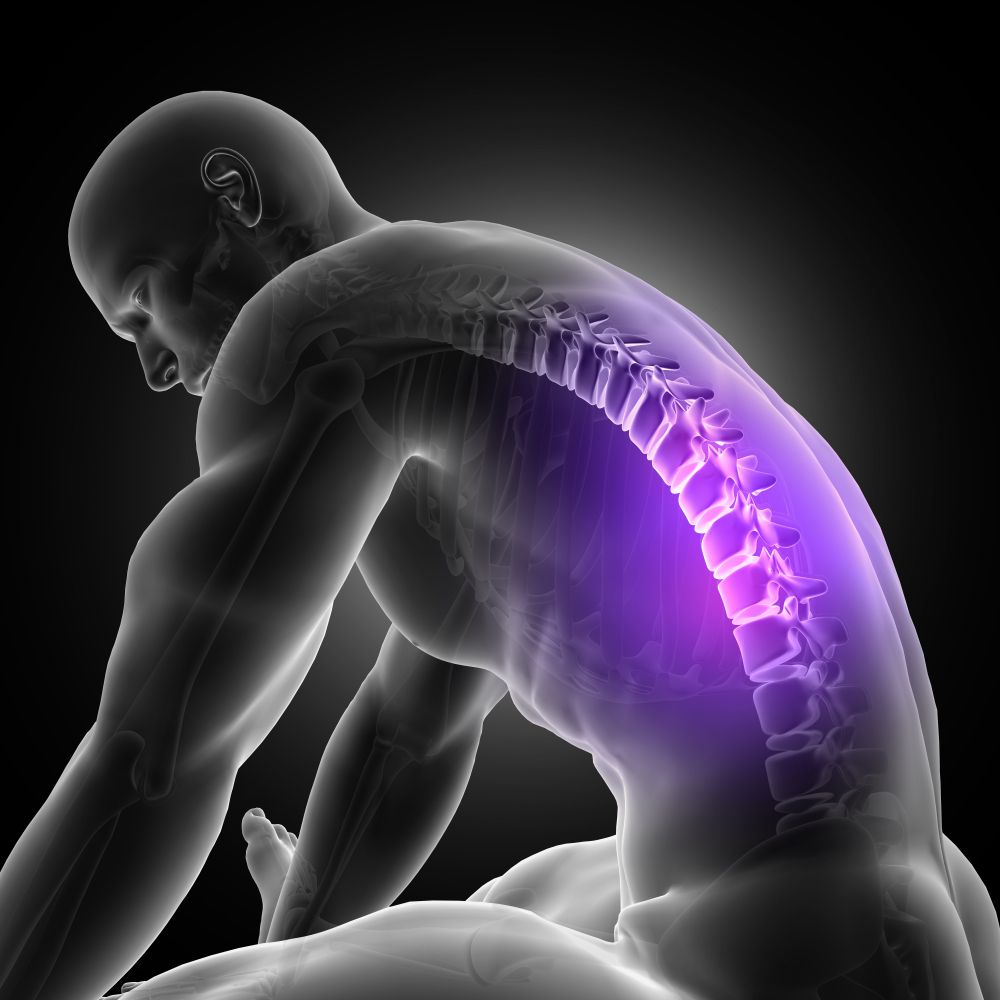
मणक्याच्या शस्त्रक्रियेच्या संभाव्यतेचा सामना करणे भयावह आणि जबरदस्त असू शकते, विशेषत: जर तुम्हाला प्रक्रियेबद्दल चिंता किंवा भीती असेल. माहितीपूर्ण निर्णय घेण्यासाठी आणि आत्मविश्वासाने शस्त्रक्रियेकडे जाण्यासाठी या भीतींना सक्रियपणे संबोधित करणे आवश्यक आहे. तुम्हाला मणक्याच्या शस्त्रक्रियेची भीती वाटत असल्यास विचार करण्यासाठी येथे काही चरणे आहेत:

By Dr. Ravindra Patil

Table of Contents

1. स्वतःला शिक्षित करा

ज्ञानामुळे भीती दूर होऊ शकते. संशोधन करण्यासाठी आणि आपल्या स्थितीचे तपशील, शिफारस केलेली शस्त्रक्रिया आणि अपेक्षित परिणाम समजून घेण्यासाठी वेळ द्या. संभाव्य धोके आणि फायद्यांसह प्रक्रिया तपशीलवार स्पष्ट करण्यासाठी तुमच्या डॉक्टरांना सांगा. शस्त्रक्रियेदरम्यान आणि नंतर काय अपेक्षित आहे हे समजून घेणे प्रक्रियेस अस्पष्ट करण्यात आणि चिंता कमी करण्यात मदत करू शकते.

2. अनेक वैद्यकीय मते शोधा

वेगवेगळ्या मणक्याच्या तज्ञांकडून दुसरे किंवा अगदी तिसरे मत प्राप्त केल्याने आश्वासन आणि स्पष्टता मिळू शकते. वेगवेगळ्या डॉक्टरांकडे वेगवेगळे दृष्टिकोन किंवा शिफारसी असू शकतात आणि भिन्न दृष्टीकोन ऐकून तुम्हाला शस्त्रक्रिया आवश्यक आहे की नाही आणि कोणता दृष्टिकोन तुमच्यासाठी सर्वोत्तम आहे याबद्दल अधिक माहितीपूर्ण निर्णय घेण्यास मदत करू शकतात.

3. पर्यायांवर चर्चा करा

काही प्रकरणांमध्ये, नॉनसर्जिकल उपचार किंवा पर्यायी उपचार उपलब्ध असू शकतात ज्यामुळे तुमची लक्षणे कमी होऊ शकतात किंवा शस्त्रक्रियेची गरज उशीर होऊ शकते. शारीरिक उपचार, औषधे, इंजेक्शन्स, कायरोप्रॅक्टिक काळजी किंवा जीवनशैलीतील बदलांसह सर्व संभाव्य उपचार पर्यायांबद्दल आपल्या डॉक्टरांशी बोला. उपलब्ध सर्व निवडी समजून घेणे तुम्हाला तुमच्या आरोग्यासाठी सर्वोत्तम निर्णय घेण्यास सक्षम बनवू शकते.

4. जोखीम आणि फायदे समजून घ्या

प्रत्येक शस्त्रक्रियेमध्ये जोखीम असते आणि या संभाव्य गुंतागुंतांची वास्तववादी समज असणे महत्त्वाचे आहे. तथापि, वेदना आराम, सुधारित कार्य आणि जीवनाची गुणवत्ता यासारख्या शस्त्रक्रियेच्या संभाव्य फायद्यांविरूद्ध या जोखमींचे वजन करणे तितकेच महत्त्वाचे आहे. तुम्हाला सर्वसमावेशक समज असल्याची खात्री करण्यासाठी तुमच्या आरोग्य सेवा टीमसोबत या घटकांची खुलेपणाने चर्चा करा.

5. तुमच्या सर्जनशी तुमच्या चिंता दूर करा

तुमच्या भीती आणि चिंतांबद्दल तुमच्या सर्जनशी उघडपणे चर्चा करण्यास अजिबात संकोच करू नका. एक दयाळू आणि समजूतदार सर्जन तुमची चिंता ऐकण्यासाठी, आश्वासन देण्यासाठी आणि तुमच्या कोणत्याही प्रश्नांची उत्तरे देण्यासाठी वेळ घेईल. जोखीम कमी करण्यासाठी आणि शस्त्रक्रियेदरम्यान आणि नंतर तुमची सुरक्षितता सुनिश्चित करण्यासाठी ते कोणती पावले उचलतात हे देखील ते स्पष्ट करू शकतात.

6. मानसिक आणि शारीरिक तयारी करा

मानसिक आणि शारीरिक तयारी केल्याने शस्त्रक्रियेपूर्वी चिंता कमी होण्यास मदत होते:

  • मानसिक तयारी: तुमचे मन शांत करण्यासाठी आणि तणाव कमी करण्यासाठी दीर्घ श्वास, ध्यान किंवा व्हिज्युअलायझेशन यासारख्या विश्रांती तंत्रांचा सराव करा.
  • शारीरिक तयारी: तुमच्या डॉक्टरांच्या शस्त्रक्रियेपूर्वीच्या सूचनांचे काळजीपूर्वक पालन करा, ज्यामध्ये काही औषधे थांबवणे, तुमचा आहार समायोजित करणे किंवा शस्त्रक्रियेसाठी तुमचे शरीर बळकट करण्यासाठी पूर्व-पुनर्वसन व्यायामांमध्ये भाग घेणे समाविष्ट असू शकते.

7. पुनर्वसन आणि पोस्टऑपरेटिव्ह केअरमध्ये व्यस्त रहा

पुनर्वसन प्रक्रिया आणि पोस्टऑपरेटिव्ह केअर समजून घेणे तुम्हाला शस्त्रक्रियेनंतर पुनर्प्राप्तीवर लक्ष केंद्रित करण्यात मदत करू शकते. तुमची पुनर्प्राप्ती जास्तीत जास्त करण्यासाठी आणि हळूहळू कार्य पुन्हा प्राप्त करण्यासाठी, शारीरिक थेरपिस्ट आणि पुनर्वसन तज्ञांसह तुमच्या हॉस्पिटल टीमसह जवळून काम करा.

8. संबोधित करा भावनिक आरोग्य

भीती, चिंता आणि अगदी दुःख यासह अनेक प्रकारच्या भावनांचा अनुभव घेणे सामान्य आहे, ज्यामुळे शस्त्रक्रिया होते. तुमच्या भावनांवर प्रक्रिया करण्यात आणि सामना करण्याच्या रणनीती विकसित करण्यात मदत करण्यासाठी आरोग्यसेवा-संबंधित चिंतांमध्ये माहिर असलेल्या समुपदेशक किंवा थेरपिस्टशी बोलण्याचा विचार करा.

9. माहितीपूर्ण आणि सशक्त रहा

माहिती देऊन, प्रश्न विचारून आणि स्वत:ची बाजू मांडून तुमच्या आरोग्य सेवा प्रवासात सक्रियपणे सहभागी व्हा. ज्ञान आणि सशक्तीकरण तुम्हाला मणक्याच्या शस्त्रक्रियेची तयारी करताना अधिक नियंत्रण आणि आत्मविश्वास अनुभवण्यास मदत करू शकते.

निष्कर्ष

मणक्याच्या शस्त्रक्रियेचा सामना करणे कठीण असू शकते, परंतु योग्य तयारी, समर्थन आणि माहितीसह, आपण अधिक आत्मविश्वासाने प्रक्रिया नेव्हिगेट करू शकता. लक्षात ठेवा की तुमची हॉस्पिटल टीम तुम्हाला प्रत्येक टप्प्यावर मार्गदर्शन करण्यासाठी आहे. तुमच्या भीतीचे मोकळेपणाने निराकरण करून, अनेक मते मिळवून आणि मानसिक आणि शारीरिक तयारी करून, तुम्ही मणक्याच्या शस्त्रक्रियेकडे अधिक मनःशांती आणि काय अपेक्षित आहे हे स्पष्टपणे समजून घेऊ शकता.

What to do if you are scared of spine surgery?

What to do if you are scared of spine surgery

What to do if you are scared of spine surgery?

Facing the prospect of spine surgery can be intimidating and overwhelming, especially if you have concerns or fears about the procedure. It’s essential to address these fears proactively to make informed decisions and approach surgery with confidence. Here are some steps to consider if you’re scared of spine surgery:

By Dr.Ravindra Patil

Table of Contents

1. Educate Yourself

Knowledge can alleviate fear. Take the time to research and understand the specifics of your condition, the recommended surgery, and the expected outcomes. Ask your doctor to explain the procedure in detail, including potential risks and benefits. Understanding what to expect during and after surgery can help demystify the process and reduce anxiety.

2. Seek Multiple Medical Opinions

Obtaining second or even third opinions from different spine specialists can provide reassurance and clarity. Different doctors may have varying approaches or recommendations, and hearing different perspectives can help you make a more informed decision about whether surgery is necessary and which approach is best for you.

3. Discuss Alternatives

In some cases, there may be nonsurgical treatments or alternative therapies available that could alleviate your symptoms or delay the need for surgery. Talk to your doctor about all possible treatment options, including physical therapy, medications, injections, chiropractic care, or lifestyle modifications. Understanding all choices available can empower you to make the best decision for your health.

4. Understand the Risks and Benefits

Every surgery carries risks, and it’s important to have a realistic understanding of these potential complications. However, it’s equally crucial to weigh these risks against the potential benefits of surgery, such as pain relief, improved function, and quality of life. Discuss these factors openly with your healthcare team to ensure you have a comprehensive understanding.

5. Address Your Concerns with Your Surgeon

Don’t hesitate to discuss your fears and concerns openly with your surgeon. A compassionate and understanding surgeon will take the time to listen to your anxieties, provide reassurance, and answer any questions you may have. They can also explain the steps they take to minimize risks and ensure your safety during and after surgery.

6. Prepare Mentally and Physically

Preparing yourself mentally and physically can help reduce anxiety before surgery:

  • Mental Preparation: Practice relaxation techniques such as deep breathing, meditation, or visualization to calm your mind and reduce stress.
  • Physical Preparation: Follow your doctor’s preoperative instructions carefully, which may include stopping certain medications, adjusting your diet, or participating in pre-rehabilitation exercises to strengthen your body for surgery.

7. Engage in Rehabilitation and Postoperative Care

Understanding the rehabilitation process and postoperative care can help you focus on recovery after surgery. Work closely with your hospital team, including physical therapists and rehabilitation specialists, to maximize your recovery and regain function gradually.

8. Address Emotional Health

It’s normal to experience a range of emotions, including fear, anxiety, and even sadness, leading up to surgery. Consider talking to a counselor or therapist who specializes in healthcare-related anxiety to help you process your feelings and develop coping strategies.

9. Stay Informed and Empowered

Stay actively involved in your healthcare journey by staying informed, asking questions, and advocating for yourself. Knowledge and empowerment can help you feel more in control and confident as you prepare for spine surgery.

Conclusion

Facing spine surgery can be daunting, but with the right preparation, support, and information, you can navigate the process more confidently. Remember that your hospital team is there to guide you every step of the way. By addressing your fears openly, seeking multiple opinions, and preparing both mentally and physically, you can approach spine surgery with greater peace of mind and a clearer understanding of what to expect.

ब्रेन हॅमरेज का होते?

ब्रेन हॅमरेज का होते?

ब्रेन हॅमरेज का होते?

मेंदूतील रक्तस्राव, ज्याला सेरेब्रल हॅमरेज किंवा इंट्रा-सेरेब्रल हॅमरेज (ICH) असेही म्हणतात, तेव्हा होते जेव्हा मेंदूच्या ऊतीमध्येच रक्तस्त्राव होतो. ही स्थिती गंभीर आहे आणि त्वरीत उपचार न केल्यास लक्षणीय न्यूरोलॉजिकल नुकसान किंवा मृत्यू देखील होऊ शकतो. मेंदूतील रक्तस्त्राव का होतो हे समजून घेण्यासाठी अनेक मूलभूत कारणे आणि जोखीम घटकांचा शोध घेणे आवश्यक आहे:

By Dr. Ravindra Patil

Table of Contents

ब्रेन हॅमरेजची कारणे

  1. दीर्घकालीन उच्च रक्तदाब हे मेंदूतील रक्तस्रावाचे सर्वात सामान्य कारण आहे. कालांतराने, उच्च रक्तदाबामुळे मेंदूतील लहान रक्तवाहिन्या कमकुवत होतात आणि त्यांना नुकसान होते, ज्यामुळे त्यां फाटण्याची आणि रक्तस्त्राव होण्याची शक्यता अधिक असते.
  2. एन्युरिझम म्हणजे रक्तवाहिनीच्या भिंतीतील एक कमकुवत क्षेत्र असणे. ते फुग्या सारखे फुलू शकते व शेवटी फुटू शकते, व त्यामुळे मेंदूमध्ये रक्तस्त्राव होतो.
  3. धमनी-शिरासंबंधी विकृती आसणे – हे म्हणजे जन्मजात रक्तवाहिन्यांचे असामान्य गुंते असतात. ते फुटू शकतात आणि त्यामुळे रक्तस्त्राव होऊ शकतो.
  4. डोक्याला गंभीर दुखापत, जसे की कार अपघात, पडणे किंवा प्राणघातक हल्ला वगैरे. या मुळे मेंदूच्या ऊतींमध्ये रक्तस्त्राव होऊ शकतो. या प्रकारच्या रक्तस्रावाला ट्रॉमॅटिक ब्रेन इंजुरी (TBI) असे म्हणतात.
  5. अमायलोइड अँजिओपॅथी: या स्थितीत मेंदूतील लहान रक्तवाहिन्यांच्या भिंतींमध्ये अमायलोइड प्रथिने जमा होतात. या रक्तवाहिन्या नाजूक होतात आणि रक्तस्त्राव होण्याची शक्यता असते.
  6. रक्त पातळ करणारी औषधे (उदा., वॉरफेरिन, हेपरिन) आणि अँटीप्लेटलेट एजंट्स (उदा. एस्पिरिन, क्लोपीडोग्रेल) यांसारखी औषधे जास्त प्रमाणात घेतल्यास मेंदूमध्ये रक्तस्त्राव होण्याचा धोका वाढू शकतो.
  7. यकृताचा (लिव्हरचा) सिरोसिस आणि इतर यकृत रोगांमुळे रक्त गोठण्याच्या घटकांमध्ये अडथळा निर्माण होतो आणि संपूर्ण शरीरात आणि मेंदूमध्ये आपोआप रक्तस्त्राव होण्याची शक्यता असते.
  8. रक्त गोठण्यावर परिणाम करणाऱ्या रोग परिस्थिती, जसे की हिमोफिलिया किंवा थ्रोम्बोसाइटोपेनिया (कमी प्लेटलेट संख्या). यामुळे रोग्यांच्या मेंदूमध्ये काही कारण नसतांना देखील रक्तस्त्राव होण्याची शक्यता असते.

जोखीम घटक

अनेक घटक ब्रेन हॅमरेज होण्याची शक्यता वाढवतात:

  • वय – ब्रेन हॅमरेजचा धोका वयानुसार वाढतो.
  • स्त्रियांपेक्षा पुरुषांना ब्रेन हॅमरेज होण्याची शक्यता जास्त असते.
  • कौटुंबिक इतिहास: ब्रेन एन्युरिझम किंवा AVM चा कौटुंबिक इतिहास धोका वाढवतो.
  • धूम्रपान: धूम्रपानामुळे रक्तवाहिन्यांचे नुकसान होते आणि उच्च रक्तदाब आणि मेंदूत रक्तस्त्राव होण्याचा धोका वाढतो.
  • जास्त प्रमाणात मद्यपान केल्याने रक्तदाब वाढू शकतो आणि यकृताच्या आजारास हातभार लागतो, या दोन्हीमुळे मेंदूतील रक्तस्त्राव होण्याचा धोका वाढतो.
  • कोकेन किंवा मेथॅम्फेटामाइन सारखी बेकायदेशीर नशा देणारी औषधे रक्तदाब वाढवू शकतात आणि सेरेब्रल हॅमरेजचा धोका वाढवू शकतात.

लक्षणे आणि निदान

ब्रेन हॅमरेजची लक्षणे भिन्न असू शकतात परंतु त्यात हे समाविष्ट असू शकते:

  • अचानक तीव्र डोकेदुखी.
  • मळमळ आणि उलट्या.
  • चेहरा, हात किंवा पायात अशक्तपणा किंवा सुन्नपणा.
  • बोलण्यात किंवा समजण्यात अडचण.
  • संतुलन किंवा समन्वय गमावणे.
  • दृष्टी बदलणे किंवा दृष्टी कमी होणे.

ब्रेन हॅमरेजचे निदान

सी.टी. स्कॅन किंवा एम.आर.आय. सारख्या इमेजिंग चाचण्या रक्तस्त्राव ओळखण्यासाठी आणि शोधण्यासाठी आणि त्याचे कारण आणि तीव्रता निश्चित करण्यासाठी केल्या जातात. रक्तस्त्राव किती प्रमाणात झाला याचे मूल्यांकन करण्यासाठी आणि योग्य उपचार सुरू करण्यासाठी त्वरित वैद्यकीय लक्ष देणे महत्वाचे आहे.

उपचार आणि रोगनिदान

मेंदूतील रक्तस्रावाचा उपचार रक्तस्त्रावाच्या मूळ कारणावर आणि तीव्रतेवर अवलंबून असतो:

  • आपत्कालीन काळजी: रक्तदाब व्यवस्थापित करण्यासाठी आणि पुढील नुकसान टाळण्यासाठी अतिदक्षता विभागात (आय.सी.यु. मध्ये) रूग्णाला त्वरित नेणे व त्याचे सतत निरीक्षण चालू ठेवणे (मॉनिटरींग).
  • शस्त्रक्रिया: एन्युरिझम दुरुस्त करण्यासाठी, रक्ताच्या गुठळ्या काढून टाकण्यासाठी किंवा मेंदूवरील दबाव कमी करण्यासाठी शल्यक्रिया उपचार आवश्यक असू शकतात.
  • औषधे: रक्तदाब नियंत्रित करण्यासाठी, सूज कमी करण्यासाठी आणि फेफरे टाळण्यासाठी औषधे लिहून दिली जाऊ शकतात.
  • पुनर्वसन: रक्तस्त्रावानंतर गमावलेली कार्ये पुन्हा मिळवण्यासाठी आणि जीवनाचा दर्जा सुधारण्यासाठी पुनर्वसन (रीहॅबीलीटेशन) आवश्यक असू शकते.

मेंदूतील रक्तस्राव असलेल्या व्यक्तींचे रोगनिदान, रक्तस्रावाचा आकार, स्थान, वैद्यकीय हस्तक्षेपाची गती आणि व्यक्तीचे एकूण आरोग्य यासारख्या वेगवेगळ्या घटकांवर अवलंबून असते. ब्रेन हेमरेजची लक्षणे लवकर ओळखणे आणि त्वरित वैद्यकीय उपचार सुरू करवणे शेवटचे परिणाम सुधारण्यासाठी आणि दीर्घकालीन गुंतागुंत (कॉम्प्लिकेशन्स) कमी करण्यासाठी महत्त्वपूर्ण आहेत.

Why Brain Haemorrhage happens?

Why Brain Haemorrhage happens?

Why Brain Haemorrhage happens?

A brain haemorrhage, also known as a cerebral haemorrhage or intra-cerebral haemorrhage (ICH), occurs when there is bleeding in the brain tissue itself. This condition is serious and can lead to significant neurological damage or even death if not promptly treated. Understanding why brain haemorrhages happen involves exploring several underlying causes and risk factors:

By Dr.Ravindra Patil

Table of Contents

Causes of Brain Haemorrhage

  1. Chronic high blood pressure is the most common cause of brain haemorrhage. Over time, elevated blood pressure weakens and damages the small blood vessels in the brain, making them more prone to rupture and bleed.
  2. An aneurysm is a weakened area in a blood vessel wall that can balloon out and eventually burst, causing bleeding into the brain.
  3. Arterio-venous Malformations (AVMs) are abnormal tangles of blood vessels that can rupture and bleed as well.
  4. Severe head injuries, such as those sustained in car accidents, falls, or assaults, can cause bleeding within the brain tissue. This type of haemorrhage is known as traumatic brain injury (TBI).A
  5. Amyloid Angiopathy: This condition involves the deposition of amyloid protein in the walls of small blood vessels in the brain. These vessels become fragile and are prone to bleeding.
  6. Blood Thinning Medications such as anticoagulants (e.g., warfarin, heparin) and antiplatelet agents (e.g., aspirin, clopidogrel), can increase the risk of bleeding in the brain if the dosage is too high.
  7. Liver cirrhosis and other liver diseases can lead to disturbances in blood clotting factors and increasing the risk of spontaneous bleeding throughout the body and the brain.
  8. Conditions that affect blood clotting, such as haemophilia or thrombocytopenia (low platelet count), can predispose individuals to spontaneous bleeding in the brain.

Risk Factors

Several factors increase the likelihood of experiencing a brain haemorrhage:

  • Age: The risk of brain haemorrhage increases with age.
  • Men are more likely than women to suffer a brain haemorrhage.
  • Family History: A family history of brain aneurysms or AVMs increases the risk.
  • Smoking: Smoking damages blood vessels and increases the risk of hypertension and brain haemorrhage.
  • Excessive alcohol consumption can elevate blood pressure and contribute to liver disease, both of which increase the risk of brain haemorrhage.
  • Illicit drugs like cocaine or methamphetamine can raise blood pressure and increase the risk of cerebral haemorrhage.

Symptoms and Diagnosis

The symptoms of a brain haemorrhage can vary but may include:

  • Sudden severe headache.
  • Nausea and vomiting.
  • Weakness or numbness in the face, arm, or leg.
  • Difficulty speaking or understanding speech.
  • Loss of balance or coordination.
  • Changes in vision or vision loss.

Diagnosis of Brain Haemorrhage

Imaging tests such as CT scans or MRIs are done identify and to locate the bleeding and determine its cause and severity. Prompt medical attention is crucial to assess the extent of the haemorrhage and initiate appropriate treatment.

Treatment and Prognosis

Treatment for brain haemorrhage depends on the underlying cause and severity of the bleeding:

  • Emergency Care: Immediate stabilization and monitoring in an intensive care unit to manage blood pressure and prevent further damage.
  • Surgery: Surgical intervention may be necessary to repair aneurysms, remove blood clots, or relieve pressure on the brain.
  • Medications: Medications to control blood pressure, reduce swelling, and prevent seizures may be prescribed.
  • Rehabilitation: Rehabilitation may be needed to regain lost functions and improve quality of life after haemorrhage.


The prognosis for individuals with a brain haemorrhage varies widely depending on factors such as the size and location of the bleed, the speed of medical intervention, and the person’s overall health. Early recognition of symptoms and prompt medical treatment are crucial for improving outcomes and minimizing long-term complications.