पाठीचा कणा निरोगी ठेवण्यासाठी उत्तम पोषण

पाठीचा कणा निरोगी ठेवण्यासाठी उत्तम पोषण

पाठीचा कणा निरोगी ठेवण्यासाठी उत्तम पोषण

पाठीचा कणा मानव जातीला ताठ मुद्रा देतो. आपला पाठीचा कणा आपल्या स्पायनल कॉर्डचे रक्षण करतो आणि आपल्या बहुतेक हालचाली पाठीच्या कण्या भोवती केंद्रित असतात. बोलल्या जाणाऱ्या भाषेतही आपल्या पाठीच्या कण्याला खूप महत्त्व आहे. “पाठीचा कणा मजबून असणे” म्हणजे सामर्थ्यवान आणि सचोटीची व्यक्ती.

म्हणून, पाठीच्या मणक्यांना निरोगी राखणे हे आपल्या आरोग्यासाठी आवश्यक आहे, कारण शेवटी पाठीचा कणा शरीराला आधार देतो, स्पायनल कॉर्डचे संरक्षण करतो आणि हालचाली सुलभ करतो. मणक्याच्या आरोग्यासाठी व्यायाम आणि चांगली मुद्रा महत्त्वाची आहे तेवढीच पोषणाची भूमिका देखील महत्त्वाची आहे. संतुलित आहार मणक्याला मजबूत आणि लवचिक ठेवण्यासाठी, जळजळ व सूज कमी करण्यासाठी आणि दुखत असले तर बरे होण्यास प्रोत्साहन देण्यासाठी आवश्यक पोषक प्रदान करतो. पाठीच्या आरोग्यास समर्थन देण्यासाठी येथे काही महत्त्वाच्या पोषणाबद्दल टिपा आहेत.

By Dr. Ravindra Patil

Table of Contents

1. मजबूत हाडांसाठी कॅल्शियम

– हाडांच्या आरोग्यासाठी कॅल्शियम हे सर्वात महत्त्वाचे खनिज आहे. हे कशेरुकाची संरचनात्मक अखंडता राखण्यास मदत करते आणि ऑस्टियोपोरोसिस सारख्या परिस्थितीस प्रतिबंध करते. ऑस्टियोपोरोसिस मुळे पाठीचा कणा फ्रॅक्चर होऊ शकतो.

– स्रोत: दुग्धजन्य पदार्थ जसे की दूध, दही आणि चीज कॅल्शियमचे उत्कृष्ट स्रोत आहेत. जे दुग्धशर्करा असहिष्णु (लॅक्टोज इन्टॉलरन्ट) किंवा शाकाहारी आहेत त्यांच्यासाठी फोर्टिफाइड वनस्पती-आधारित दूध (जसे की बदाम, सोया किंवा ओट मिल्क), हिरव्या पालेभाज्या (जसे की केल, ब्रोकोली आणि बोक चॉय), बदाम आणि टोफू हे चांगले पर्याय आहेत.

– आदर्श सेवन: प्रौढांनी वय आणि लिंगानुसार, दररोज 1,000 ते 1,200 मिलीग्राम कॅल्शियम घेण्याचे लक्ष्य ठेवले पाहिजे.

2. कॅल्शियम शोषणासाठी व्हिटॅमिन डी

– शरीरात पोटातून व आतड्यांतून कॅल्शियम शोषले जाण्यासाठी व्हिटॅमिन डी आवश्यक असते. पुरेशा व्हिटॅमिन डी शिवाय कॅल्शियम प्रभावीपणे शोषले जाऊ शकत नाही, मग तुम्ही कितीही कॅल्शियमचे सेवन करा.

– स्रोत: जेव्हा त्वचा सूर्यप्रकाशाच्या संपर्कात येते तेव्हा शरीर व्हिटॅमिन डीचे संश्लेषण करते. आहारातील स्त्रोतांमध्ये फॅटी मासे (जसे की सॅल्मन, मॅकरेल आणि सार्डिन), अंड्यातील पिवळा बलक, संत्र्याचा रस आणि तृणधान्ये आणि पूरक आहार यांचा समावेश होतो.

– आदर्श सेवन: प्रौढांनी दररोज 600 ते 800 IU (15 ते 20 मायक्रोग्राम) व्हिटॅमिन डी घेण्याचे लक्ष्य ठेवले पाहिजे. मर्यादित सूर्यप्रकाश असलेल्या लोकांना जास्त डोसची आवश्यकता असू शकते.

3. हाडांच्या निर्मितीसाठी मॅग्नेशियम

– हाडांच्या निर्मितीमध्ये आणि हाडांची घनता निर्माण करणाऱ्या प्रथिनांच्या संश्लेषणामध्ये मॅग्नेशियम महत्त्वपूर्ण भूमिका बजावते. हे कॅल्शियमची पातळी नियंत्रित करण्यास आणि व्हिटॅमिन डी सक्रिय करण्यास देखील मदत करते.

– स्रोत: मॅग्नेशियम-समृद्ध पदार्थांमध्ये नट्स आणि बिया (जसे की बदाम, सूर्यफूल बिया आणि भोपळ्याच्या बिया), शेंगा (जसे काळे बीन्स आणि चणे), संपूर्ण धान्य, हिरव्या पालेभाज्या आणि काळे चॉकलेट यांचा समावेश होतो.

– आदर्श सेवन: प्रौढांनी वय आणि लिंगानुसार दररोज 310 ते 420 मिलीग्राम मॅग्नेशियम घेण्याचे लक्ष्य ठेवले पाहिजे.

4. हाडांच्या खनिजीकरणासाठी व्हिटॅमिन के

– व्हिटॅमिन के हाडांच्या खनिजीकरणासाठी आवश्यक आहे, जी हाडे तयार करण्यासाठी खनिजे घालण्याची प्रक्रिया आहे.

– स्रोत: हिरव्या पालेभाज्या (जसे की पालक, काळे आणि ब्रसेल्स स्प्राउट्स), ब्रोकोली आणि आंबवलेले पदार्थ जसे की नट्टो (सोया पासून बनविलेला जापानीज खोराक) हे व्हिटॅमिन केचे उत्कृष्ट स्रोत आहेत.

– आदर्श सेवन: प्रौढांनी दररोज 90 ते 120 मायक्रोग्रॅम व्हिटॅमिन के घेण्याचे लक्ष्य ठेवले पाहिजे.

5. जळजळ व सूज कमी करण्यासाठी ओमेगा -3 फॅटी ऍसिडस्

–  ओमेगा -3 फॅटी ऍसिडस् दीर्घकाळ जळजळ व पाठदुखी असली आणि झीज असली तर स्थितीत मदत करू देऊ शकते. ओमेगा-३ फॅटी ऍसिडमध्ये दाहक-विरोधी गुणधर्म असतात.

– स्रोत: फॅटी मासे (जसे की सॅल्मन, मॅकरेल आणि सार्डिन), फ्लेक्ससीड्स, चिया सीड्स, अक्रोड आणि फिश ऑइल सप्लिमेंट्समध्ये ओमेगा-३ भरपूर प्रमाणात असतात.  

– आदर्श सेवन: प्रौढांनी दररोज किमान 250 ते 500 mg EPA आणि DHA (ओमेगा-3 चे दोन मुख्य प्रकार) रोज घेण्याचे लक्ष्य ठेवले पाहिजे.

6. स्नायू आणि ऊतक दुरुस्तीसाठी प्रथिने

– मणक्याला आधार देणाऱ्या स्नायूंच्या ऊतींच्या दुरुस्ती आणि वाढीसाठी प्रथिने (प्रोटीन्स) आवश्यक असतात. हाडांची घनता राखण्यातही त्याची भूमिका असते.

– स्रोत: जनावराचे मांस (जसे की चिकन आणि टर्की), मासे, अंडी, दुग्धजन्य पदार्थ, शेंगा, नट आणि बिया हे प्रथिनांचे चांगले स्रोत आहेत. वनस्पती-आधारित पर्यायांमध्ये बीन्स, मसूर, टोफू आणि क्विनोआ यांचा समावेश आहे.

– आदर्श सेवन: प्रौढ व्यक्तींनी दररोज शरीराच्या वजनाच्या प्रति किलोग्रॅम 0.8 ग्रॅम प्रथिने खावीत. म्हणजे 100 किलोच्या माणसाने रोज 80 ग्राम प्रथिने खावीत. ऍथलीट्स आणि जड शारीरिक काम करणार्यांसाठी प्रोटीन्सची जास्त आवश्यकता असू शकते.

7. ऑक्सिडेटिव्ह तणाव कमी करण्यासाठी अँटिऑक्सिडंट्स

– अँटिऑक्सिडंट्स ऑक्सिडेटिव्ह तणावाचा सामना करण्यास मदत करतात, ज्यामुळे पाठीचा ऱ्हास आणि जळजळ होऊ शकते.

– स्रोत: रंगीबेरंगी फळे आणि भाज्या, जसे की बेरी, लिंबूवर्गीय फळे, टोमॅटो, भोपळी मिरची आणि हिरव्या पालेभाज्यामध्ये अँटिऑक्सिडंट्स जास्त असतात. नट, बिया आणि ग्रीन टी देखील फायदेशीर आहे.

– आदर्श सेवन: अँटिऑक्सिडंट्सचे चांगले सेवन सुनिश्चित करण्यासाठी दररोज आपल्या आहारात विविध रंगीबेरंगी फळे आणि भाज्या समाविष्ट करण्याचे लक्षात ठेवा.

8. डिस्क आरोग्यासाठी हायड्रेशन

– इंटरव्हर्टेब्रल डिस्क, ज्या दर दोन मणक्यांच्या मध्ये उशी म्हणून काम करतात, प्रामुख्याने पाण्याने बनलेल्या असतात. त्यांची लवचिकता आणि कार्य टिकवून ठेवण्यासाठी योग्य हायड्रेशन महत्त्वपूर्ण आहे.

– स्त्रोत: भरपूर पाणी पिणे हा हायड्रेटेड राहण्याचा सर्वोत्तम मार्ग आहे. इतर हायड्रेटिंग पर्यायांमध्ये हर्बल टी आणि पाण्याने समृद्ध फळे आणि भाज्या (जसे की टरबूज, काकडी आणि संत्री) यांचा समावेश होतो.

– आदर्श सेवन: दररोज किमान 8 ग्लास (सुमारे 2 लिटर) पाणी पिण्याचे लक्ष्य ठेवा. जर तुम्ही शारीरिकदृष्ट्या खूप सक्रिय असाल (व्यायाम करता किंवा खूप कष्टाची कामे करता) किंवा गरम हवामानात रहात असाल तर पाणी किमान ३ लिटर प्यावे.

9. दाहक पदार्थ टाळणे

काही खाद्यपदार्थ जळजळ वाढवू शकतात, ज्यामुळे पाठदुखी आणि पाठीच्या समस्या वाढू शकतात.

– मर्यादित अन्न: प्रक्रिया केलेले पदार्थ, साखरयुक्त स्नॅक्स, रिफाइन्ड कार्बोहायड्रेट्स आणि ट्रान्स फॅट्सचे सेवन कमी करा. अल्कोहोल आणि कॅफीन जास्त प्रमाणात घेणे टाळा, कारण ते शरीराचे निर्जलीकरण करू शकतात आणि पोषक तत्वांचा ऱ्हास करू शकतात.

– निरोगी पर्याय: फळे, भाज्या, संपूर्ण धान्य, पातळ प्रथिने आणि निरोगी चरबी यासारख्या संपूर्ण अन्नावर लक्ष केंद्रित करा.

10. एकूणच आरोग्यासाठी संतुलित आहार

विविध प्रकारच्या पोषक तत्वांचा समावेश असलेला संतुलित आहार राखणे ही संपूर्ण पाठीच्या आरोग्याची गुरुकिल्ली आहे. जीवनसत्त्वे, खनिजे, निरोगी चरबी आणि पुरेशी प्रथिने यांनी समृध्द असलेला आहार मणक्यासह आरोग्याच्या सर्व पैलूंना आधार देतो.

– जेवणाचे नियोजन: जेवणाचे नियोजन करा ज्यामध्ये विविध खाद्य गटांचा समावेश असावा. उदाहरणार्थ, संतुलित जेवणामध्ये ग्रील्ड सॅल्मन (प्रोटीन आणि ओमेगा-3), वाफवलेल्या ब्रोकोलीची एक बाजू (डी आणि के जीवनसत्त्वे), क्विनोआ सॅलड (मॅग्नेशियम आणि प्रथिने) आणि एक ग्लास फोर्टिफाइड बदाम दूध यांचा समावेश असू शकतो. यात मिळते कॅल्शियम आणि व्हिटॅमिन डी).

11. मणक्याचे व्यायाम

व्यायामाविषयी माहिती दिल्याशिवाय पोषणाविषयीचा कोणताही निबंध पूर्ण होत नाही. केवळ चांगल्या पोषणामुळे मणक्याचे आरोग्य कधीही चांगले होत नाही. व्यायामाशिवाय योग्य पोषणामुळे वजन वाढू शकते. नियमित व्यायामामुळे मणक्याला आधार देणारे स्नायू मजबूत होतात, लवचिकता सुधारते आणि पाठदुखीचा धोका कमी होतो. निरोगी मणक्यासाठी येथे काही आवश्यक व्यायाम टिपा आहेत:

  1. कोअर स्ट्रेंथनिंग: कोअर स्नायु बळकट केल्याने मणक्याला आधार मिळतो. प्लॅंक, ब्रिज आणि ओटीपोटाचे क्रंच यांसारखे व्यायाम उदर, पाठ आणि ओटीपोटाच्या स्नायूंना बळकट करतात.
  2. स्ट्रेचिंग: नियमित स्ट्रेचिंगमुळे लवचिकता सुधारते आणि स्नायूंचा ताण कमी होतो. हॅमस्ट्रिंग्स, हिप फ्लेक्सर्स आणि पाठीच्या खालच्या भागासाठी स्ट्रेच तुमच्या व्यायामात समाविष्ट करा. पाठीची लवचिकता आणि एकूण स्नायूंचा समतोल वाढवण्यासाठी योग आणि पीलाटे उत्कृष्ट व्यायाम आहेत.
  3. कमी ताणाचे देणारे एरोबिक व्यायाम: चालणे, पोहणे आणि सायकल चालवणे यासारख्या क्रियाकलापांमुळे मणक्यामध्ये रक्त प्रवाह वाढतो व दुखणे बरे होण्यास प्रोत्साहन मिळते आणि पाठीवर ताण न पडता पाठीचा कडकपणा कमी होतो.
  4. आसन प्रशिक्षण: चांगल्या पवित्रा वाढवणाऱ्या व्यायामांवर लक्ष केंद्रित करा. पंक्ती आणि छाती स्ट्रेच यांसारखे व्यायाम स्नायूंचे संतुलन राखण्यास आणि स्लाउचिंग (कुबड काढून चालणे) टाळण्यास मदत करतात. संतुलन न ठेवल्यास व वाकून चालल्यास पाठीच्या समस्या उद्भवू शकतात.


कोणतीही नवीन व्यायाम पद्धत सुरू करण्यापूर्वी फिजिकल थेरपिस्टचा सल्ला घेणे उत्तम असते.

निष्कर्ष

निरोगी पाठीचा कणा संपूर्ण आरोग्य आणि कल्याणासाठी पायाभूत आहे. मणक्याची अखंडता राखण्यात, जळजळ कमी करण्यात आणि उपचारांना प्रोत्साहन देण्यासाठी योग्य पोषण महत्त्वपूर्ण भूमिका बजावते. कॅल्शियम, व्हिटॅमिन डी, मॅग्नेशियम, ओमेगा -3 फॅटी ऍसिडस् आणि अँटिऑक्सिडंट्स सारख्या आवश्यक पोषक तत्वांनी समृद्ध संतुलित आहारावर लक्ष केंद्रित करून आणि भरपूर पाणी प्यून आपण पाठीच्या आरोग्यास उत्तम करू शकता आणि पाठदुखी आणि पाठीच्या विकारांचा धोका कमी करू शकता. तुमच्या विशिष्ट गरजा आणि आरोग्य परिस्थितीनुसार वैयक्तिकृत आहारविषयक सल्ल्यासाठी नेहमी आरोग्य सेवा प्रदात्याशी किंवा पोषणतज्ञांचा सल्ला घ्या.

Nutrition Tips for a Healthy Spine

Nutritional tips for Healthy Spine

Nutrition Tips for a Healthy Spine

Spine is what gives human beings an erect posture. Our spine protects our spinal cord and is the pivot around which most of our movements are centred. Even in spoken language, our spine has great importance. “Having a spine” means a person of strength and integrity.

So, maintaining a healthy spine is essential for our overall well-being, as it supports the body, protects the spinal cord, and facilitates movement. While exercise and good posture are critical for spinal health, nutrition also plays a vital role. A well-balanced diet provides the necessary nutrients to keep the spine strong and flexible, reduce inflammation, and promote healing. Here are some key nutrition tips to support spinal health.

By Dr.Ravindra Patil

Table of Contents

1. Calcium for Strong Bones

Calcium is the most crucial mineral for bone health. It helps maintain the structural integrity of the vertebrae and prevents conditions like osteoporosis, which can lead to spinal fractures.
– Sources: Dairy products such as milk, yogurt, and cheese are excellent sources of calcium. For those who are lactose intolerant or vegan, fortified plant-based milks (like almond, soy, or oat milk), leafy green vegetables (such as kale, broccoli, and bok choy), almonds, and tofu are good alternatives.
– Recommended Intake: Adults should aim for 1,000 to 1,200 mg of calcium per day, depending on age and sex.

2. Vitamin D for Calcium Absorption

Vitamin D is essential for the absorption of calcium in the body. Without adequate vitamin D, calcium cannot be effectively absorbed, regardless of intake levels.

– Sources: The body synthesizes vitamin D when the skin is exposed to sunlight. Dietary sources include fatty fish (like salmon, mackerel, and sardines), egg yolks, fortified foods (such as orange juice and cereals), and supplements.

– Recommended Intake: Adults should aim for 600 to 800 IU (15 to 20 micrograms) of vitamin D per day. People with limited sun exposure might need higher doses.

3. Magnesium for Bone Formation

Magnesium plays a crucial role in bone formation and the synthesis of proteins that build bone density. It also helps regulate calcium levels and activates vitamin D.

– Sources: Magnesium-rich foods include nuts and seeds (such as almonds, sunflower seeds, and pumpkin seeds), legumes (like black beans and chickpeas), whole grains, leafy green vegetables, and dark chocolate.

– Recommended Intake: Adults should aim for 310 to 420 mg of magnesium per day, depending on age and sex.

4. Vitamin K for Bone Mineralization

Vitamin K is essential for the mineralization of bones, which is the process of laying down minerals to form bone.

– Sources: Leafy green vegetables (such as spinach, kale, and Brussels sprouts), broccoli, and fermented foods like natto are excellent sources of vitamin K.

– Recommended Intake: Adults should aim for 90 to 120 micrograms of vitamin K per day.

5. Omega-3 Fatty Acids for Reducing Inflammation

Chronic inflammation can contribute to back pain and degenerative spinal conditions. Omega-3 fatty acids have potent anti-inflammatory properties.

– Sources: Fatty fish (such as salmon, mackerel, and sardines), flaxseeds, chia seeds, walnuts, and fish oil supplements are rich in omega-3s.

– Recommended Intake: Adults should aim for at least 250 to 500 mg of EPA and DHA (the two main types of omega-3s) per day.

6. Protein for Muscle and Tissue Repair

Protein is essential for the repair and growth of muscle tissues that support the spine. It also plays a role in maintaining bone density.

– Sources: Lean meats (such as chicken and turkey), fish, eggs, dairy products, legumes, nuts, and seeds are good sources of protein. Plant-based options include beans, lentils, tofu, and quinoa.

– Recommended Intake: Adults should consume 0.8 grams of protein per kilogram of body weight per day. Athletes and those engaging in heavy physical activity may need more.

7. Antioxidants for Reducing Oxidative Stress

Antioxidants help combat oxidative stress, which can contribute to spinal degeneration and inflammation.

– Sources: Colorful fruits and vegetables, such as berries, citrus fruits, tomatoes, bell peppers, and leafy greens, are high in antioxidants. Nuts, seeds, and green tea are also beneficial.

– Recommended Intake: Aim to include a variety of colorful fruits and vegetables in your diet daily to ensure a good intake of antioxidants.

8. Hydration for Disc Health

Intervertebral discs, which act as cushions between the vertebrae, are composed primarily of water. Proper hydration is crucial for maintaining their flexibility and function.

– Sources: Drinking plenty of water is the best way to stay hydrated. Other hydrating options include herbal teas and water-rich fruits and vegetables (such as watermelon, cucumber, and oranges).

– Recommended Intake: Aim to drink at least 8 glasses (about 2 liters) of water per day, more if you are physically active or in a hot climate.

9. Avoiding Inflammatory Foods

Certain foods can promote inflammation, which can exacerbate back pain and spinal issues.

– Foods to Limit: Reduce intake of processed foods, sugary snacks, refined carbohydrates, and trans fats. Avoid excessive alcohol and caffeine, as they can dehydrate the body and lead to nutrient depletion.

– Healthier Alternatives: Focus on whole foods, such as fruits, vegetables, whole grains, lean proteins, and healthy fats.

10. Balanced Diet for Overall Health

Maintaining a balanced diet that includes a variety of nutrients is key to overall spinal health. A diet rich in vitamins, minerals, healthy fats, and adequate protein supports all aspects of health, including the spine.

– Meal Planning: Plan meals that incorporate a variety of food groups. For example, a balanced meal might include a serving of grilled salmon (protein and omega-3s), a side of steamed broccoli (vitamins C and K), a quinoa salad (magnesium and protein), and a glass of fortified almond milk (calcium and vitamin D).

11. Spine Exercise

No essay about nutrition is complete without information about exercise. Only good nutrition will never make the spine healthy. Good nutrition without exercise may lead to weight gain. Regular exercise strengthens the muscles that support the spine, improves flexibility, and reduces the risk of back pain. Here are some essential exercise tips for a healthy spine:

  1. Core Strengthening: Strengthening the core muscles helps support the spine. Exercises like planks, bridges, and abdominal crunches target the abdominal, back, and pelvic muscles.
  2. Stretching: Regular stretching improves flexibility and reduces muscle tension. Incorporate stretches for the hamstrings, hip flexors, and lower back. Yoga and Pilates are excellent for enhancing spinal flexibility and overall muscle balance.
  3. Low-Impact Aerobic Exercises: Activities such as walking, swimming, and cycling increase blood flow to the spine, promoting healing and reducing stiffness without straining the back.
  4. Posture Training: Focus on exercises that promote good posture. Exercises like rows and chest stretches help balance the muscles and prevent slouching, which can lead to spinal issues.


Consulting a physical therapist before starting any new exercise regimen is advisable.

Conclusion

A healthy spine is foundational to overall health and well-being. Proper nutrition plays a significant role in maintaining spinal integrity, reducing inflammation, and promoting healing. By focusing on a balanced diet rich in essential nutrients such as calcium, vitamin D, magnesium, omega-3 fatty acids, and antioxidants, and by staying well-hydrated, you can support spinal health and reduce the risk of back pain and spinal disorders. Always consult with a healthcare provider or a nutritionist for personalized dietary advice tailored to your specific needs and health conditions.

डोकेदुखीची सामान्य कारणे आणि डोकेदुखी कमी कशी करावी

डोकेदुखीची सामान्य कारणे आणि डोकेदुखी कमी कशी करावी

डोकेदुखीची सामान्य कारणे आणि डोकेदुखी कमी कशी करावी

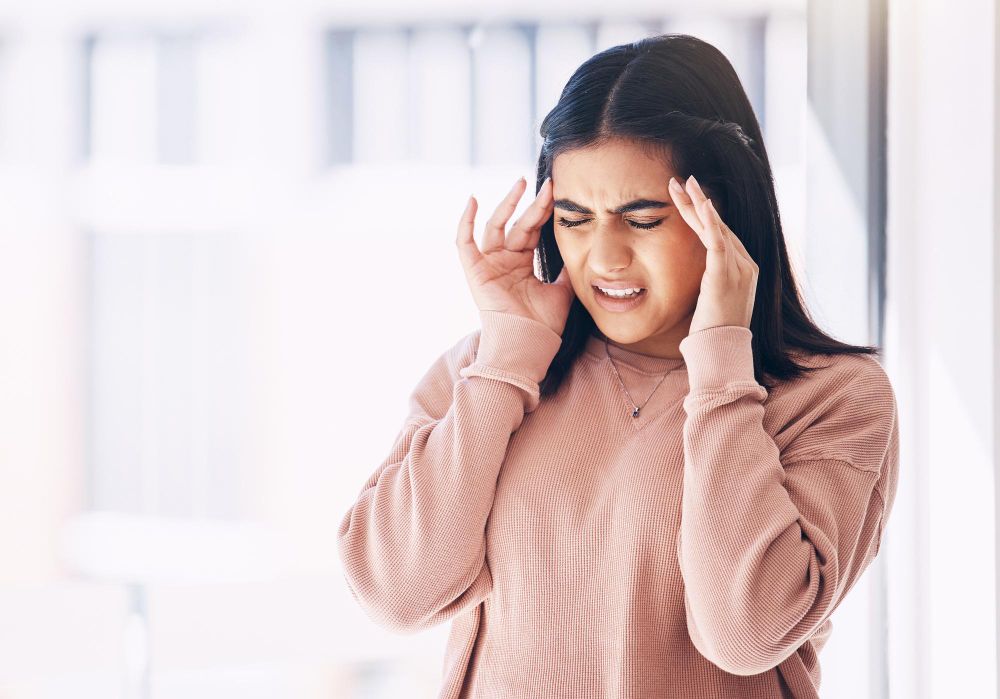
डोकेदुखी ही सर्वात सामान्य वैद्यकीय तक्रारींपैकी एक आहे, जी सर्व वयोगटातील आणि पार्श्वभूमीच्या लोकांना प्रभावित करते. तिची तीव्रता आणि वारंवारता कालावधीमध्ये बदलू शकते आणि काही डोकेदुखी केवळ किरकोळ असते तर काही वेळा त्यामुळे व्यक्ति खूप अस्वस्थ आणि उदास होऊ शकतात व जीवनाचा दर्जा बिघडवतात. जीवनाचा दर्जा सुधारण्यासाठी डोकेदुखीची सामान्य कारणे आणि त्यांचे भावी व्यवस्थापन समजून घेणे महत्त्वाचे आहे.

By Dr. Ravindra Patil

Table of Contents

असामान्य आणि धोकादायक डोकेदुखी

डोकेदुखीचे सामान्य प्रकार आणि त्यांचे व्यवस्थापन करण्याचे मार्ग आणि मार्ग पाहण्यापूर्वी, आपण असामान्य आणि संभाव्य धोकादायक डोकेदुखीचा अभ्यास आधी करूया. जरी बहुतेक डोकेदुखीचे किस्से सौम्य आणि आटोपशीर असलो तरी काही प्रकार असामान्य असतात आणि गंभीर अंतर्निहित रोगांची लक्षणे असू शकतात. या धोकादायक डोकेदुखी ओळखणे आणि त्वरित वैद्यकीय मदत घेणे महत्वाचे आहे. डोकेदुखीचे काही असामान्य आणि संभाव्य धोकादायक प्रकार खाली दिले आहेत:

थंडरक्लॅप डोकेदुखी

थंडरक्लॅप डोकेदुखी ही अचानक, तीव्र डोकेदुखी असते जी काही सेकंद ते काही मिनिटांत जास्तीत जास्त तीव्रतेपर्यंत पोहोचते. हे सब-अ‍ॅरॅक्नोइड रक्तस्राव, सेरेब्रल व्हेनस सायनस थ्रॉम्बोसिस, रिव्हर्सिबल सेरेब्रल व्हॅसोकॉन्स्ट्रीक्शन सिंड्रोम, रक्तस्त्राव किंवा पिट्यूटरी ग्रंथीमध्ये बिघडलेला रक्तपुरवठा इत्यादीसारख्या जीवघेण्या परिस्थितीमुळे होऊ शकतो. अशा डोकेदुखीसाठी त्वरित वैद्यकीय मूल्यांकन आणि उपचार आवश्यक आहेत.

मेनिंजायटीस डोकेदुखी

हे सहसा गंभीर असते आणि ताप, मान कडक होणे, मळमळ, उलट्या आणि प्रकाशाची संवेदनशीलता यांसारख्या इतर लक्षणांसह असते. हे मेंदू आणि पाठीचा कणा झाकणाऱ्या आवरणांच्या संसर्गामुळे होते. अशा रूग्णांना तातडीने वैद्यकीय मदतीची आवश्यकता असते.

टेम्पोरल आर्टेरायटिस (जायंट सेल आर्टेरायटिस)

यामुळे सतत, धडधडणारी डोकेदुखी, सहसा कानपट्टीवर होते. अन्न चावतांना जबडा दुखणे, दृष्टी समस्या आणि टाळूवर दुखणे असू शकते. हे डोक्यातील रक्तवाहिन्यांच्या जळजळीमुळे होते. यासाठी कॉर्टिकोस्टिरॉईड्ससह त्वरित वैद्यकीय उपचार आवश्यक आहेत.

प्राथमिक इंट्राक्रॅनियल हायपरटेन्शन

या स्थितीत कवटीच्या आत दाब वाढतो, ज्यामुळे डोकेदुखी उद्भवते जी सकाळी किंवा झोपताना बऱ्याचदा फार जास्त असते. दृष्टी बदलणे, कानात वाजणे आणि मळमळ हे पण त्या बरोबर होऊ शकते. याचे कारण सहसा अज्ञात असते परंतु लठ्ठपणाशी संबंधित असू शकते.

दुय्यम इंट्राक्रॅनियल हायपरटेन्शन

हे डोक्याला दुखापत, संसर्ग, ट्यूमर किंवा विशिष्ट औषधांमुळे होऊ शकते. त्यासाठी वैद्यकीय तपासणी आणि उपचार आवश्यक आहेत.

ब्रेन ट्यूमरमुळे डोकेदुखी

ही आणखी एक धोकादायक डोकेदुखी असते व ही मेंदूतील ट्यूमरमुळे उद्भवते आणि ती सतत वाढत जाते. निदानासाठी न्यूरोइमेजिंग (एमआरआय किंवा सीटी स्कॅन) आवश्यक आहे, त्यानंतर योग्य उपचार केले जातात.

कार्बन मोनोऑक्साइड विषबाधा डोकेदुखी

ही एक कंटाळवाणी व धडधडणारी डोकेदुखी असते आणि कार्बन मोनोऑक्साइड विषबाधाचे एक सामान्य प्रारंभिक लक्षण आहे. अनेकदा चक्कर येणे, अशक्तपणा, मळमळ आणि गोंधळ ही लक्षणेही उद्भवतात. कार्बन मोनॉक्साईड वायूची श्वासा द्वारे विषबाधा अनेकदा बिघडलेले रूम हीटर्स, मोटार गाडीचा धूर (एक्झॉस्ट) किंवा ज्वलनाच्या इतर स्रोतांमधून होते. उपचारासाठी रूग्णाला कार्बन मोनॉक्साईडच्या स्त्रोतापासून त्वरित काढून टाकणे आणि त्वरित वैद्यकीय उपचार घेणे आवश्यक आहेत.

जीवघेण्या डोकेदुखीचे वरील लाल झेंडे समजून घेतल्यावर आता आपण डोकेदुखीची सामान्य कारणे कोणती आहेत आणि त्यांचे उपाय कसे करावे ते पाहू या.

डोकेदुखीची सामान्य कारणे

1. तणाव डोकेदुखी

डोकेदुखीचा सर्वात प्रचलित प्रकार, तणाव डोकेदुखी, बहुतेकदा डोकेभोवती सतत वेदना किंवा दाब या लक्षणा सहीत होते. विशेषत: कानपट्टी किंवा डोके आणि मानेच्या मागील बाजूस ही डोकेदुखी होते. ही डोकेदुखी सामान्यतः तणाव, चिंता, शरीराची खराब मुद्रा किंवा स्नायूंच्या ताणामुळे सुरू होते.

2. मायग्रेन

मायग्रेन ही तीव्र, धडधडणारी डोकेदुखी असते व ती काही तासांपासून काही दिवस टिकते. अनेकदा डोकेदुखी बरोबर मळमळ, उलट्या आणि प्रकाश आणि आवाजाची संवेदनशीलता असते. या डोकेदुखीचे नेमके कारण माहित नसले तरी, आनुवंशिकता, हार्मोनल बदल, काही खाद्यपदार्थ आणि पेये, तणाव आणि संवेदनात्मक उत्तेजना यासारख्या घटकांमुळे मायग्रेन होऊ शकते.

3. क्लस्टर डोकेदुखी

– क्लस्टर डोकेदुखी तीव्र असते व वारंवार चक्रीय पणे होते, किंवा क्लस्टर्समध्ये (एकदम अनेक वेळा) उद्भवते. ती डोक्याच्या एका बाजूला, बर्याचदा डोळ्याभोवती, तीव्र वेदनां द्वारे होते. याचेही नेमके कारण अस्पष्ट आहे. ही डोकेदुखी हायपोथालेमसमधील विकृतींशी निगडीत असू शकते. तसेच दारू, धूम्रपान, समुद्रसपाटी पासून उंच प्रदेशात किंवा तेजस्वी प्रकाशामुळे सुरू होऊ शकते.

4. सायनस डोकेदुखी

या डोकेदुखीचा संबंध गालाची हाडे, कपाळ किंवा नाकाच्या सततच्या वेदनांशी असतो. वेदना सहसा अचानक डोक्याची हालचाल किंवा ताण वगैरे मुळे वाढते. सायनस डोकेदुखी सामान्यत: सायनस संसर्ग किंवा जळजळ (सायनुसायटिस) मुळे होते.

5. रिबाउंड डोकेदुखी

औषधांचा अतिवापर केल्यामुळे होणारी डोकेदुखी म्हणूनही ही डोकेदुखी ओळखली जाते. डोकेदुखीच्या औषधांच्या अतिवापरामुळे रीबाउंड डोकेदुखी उद्भवते. एस्पिरिन, ॲसिटामिनोफेन किंवा आयबुप्रोफेन यांसारख्या वेदना कमी करणाऱ्या औषधांचा नियमित वापर केल्यास वारंवार डोकेदुखी होऊ शकते.

6. हार्मोनल डोकेदुखी

या डोकेदुखी स्त्रियांमध्ये होतात आणि हार्मोनल चढउतारांशी संबंधित असतात, जसे की मासिक पाळी, गर्भधारणा किंवा रजोनिवृत्ती दरम्यान. इस्ट्रोजेन हार्मोनच्या पातळीतील बदल हे हार्मोनल डोकेदुखीचे प्राथमिक कारण आहेत.

7. कॅफीन-विथड्रॉवल डोकेदुखी

कॅफीनचे सेवन अचानक कमी केल्याने किंवा बंद केल्याने ही डोकेदुखीचा होते. कॅफिन हे उत्तेजक घटक आहे आणि अचानक काढून टाकल्याने मेंदूतील रक्तप्रवाहात बदल झाल्यामुळे डोकेदुखी होऊ शकते. कॅफीन चहा, कॉफी व काही पेयांच्यात असते. 

डोकेदुखी कशी कमी करावी

1. ताण व्यवस्थापन

– दीर्घ श्वासोच्छवासाचे व्यायाम, ध्यान आणि योग यासारख्या विश्रांती तंत्रांचा सराव करा. नियमित शारीरिक हालचाली आणि पुरेशी झोप यामुळे तणावाची पातळी कमी होण्यास मदत होते.
 
– एक दिनचर्या स्थापित करणे, कार्यांना प्राधान्य देणे आणि वास्तववादी उद्दिष्टे निश्चित करणे दैनंदिन तणावाचे व्यवस्थापन करण्यात मदत करू शकते.

2. औषधोपचार

अधूनमधून डोकेदुखीसाठी, आयबुप्रोफेन, ॲसिटामिनोफेन किंवा ऍस्पिरिनसारखी ओटीसी औषधे प्रभावी ठरू शकतात. तीव्र डोकेदुखी किंवा मायग्रेनसाठी, डॉक्टर ट्रिप्टन्स, एर्गोटामाइन्स किंवा बीटा-ब्लॉकर्स किंवा अँटीकॉनव्हलसंट्स सारखी प्रतिबंधक औषधे लिहून देऊ शकतात.

3. आहारातील बदल

फूड डायरी ठेवल्याने कॅफीन, अल्कोहोल, जुने चीज आणि प्रक्रिया केलेले मांस यांसारखे अन्न आणि पेय ट्रिगर ओळखण्यास आणि टाळण्यास मदत होते. निर्जलीकरण टाळण्यासाठी भरपूर पाणी प्या, यामुळे डोकेदुखी टाळता येते.

4. नियमित व्यायाम

शारीरिक हालचालींमुळे एंडोर्फिन वाढते, जे नैसर्गिक वेदनाशामक असतात आणि तणाव कमी करण्यास मदत करतात. आठवड्यातील बहुतेक दिवस किमान 30 मिनिटे मध्यम व्यायामाचा नियम ठेवा, जसे की चालणे, सायकल चालवणे किंवा पोहणे.

5. झोप

दररोज रात्री एकाच वेळी झोपी जा व दुसर्या दिवशी सकाळी एकाच वेळी उठण्याचा प्रयत्न करा. झोपेचे नियमित वेळापत्रक ठेवा. आरामदायी गादी, थंड तापमान आणि कमीत कमी आवाज आणि प्रकाश असलेले शांत झोपेसाठी चांगले वातावरण तयार करा.

6. पवित्रा आणि अर्गोनॉमिक्स

स्नायूंचा ताण कमी करण्यासाठी बसताना आणि उभे असताना योग्य पवित्रा ठेवा. एर्गोनॉमिक खुर्च्या आणि वर्कस्टेशन्स मदत करू शकतात. संगणकावर काम करणे किंवा वाचन यासारख्या डोळ्यांवर आणि मानेवर ताण पडणाऱ्या क्रियाकलापांमधून नियमित विश्रांती घ्या.

7. वैकल्पिक उपचार

ॲक्युपंक्चर, मसाज थेरपी आणि बायोफीडबॅक एपिसोड हे सर्व डोकेदुखीची तीव्रता कमी करण्यात मदत करतात.

8. वैद्यकीय सल्ला

या ब्लॉगच्या सुरुवातीला नमूद केलेले लाल ध्वज वगळण्यासाठी सतत किंवा तीव्र डोकेदुखीसाठी आपल्या डॉक्टरांचा सल्ला घेणे आवश्यक आहे. काही प्रकरणांमध्ये, पुढील मूल्यांकन आणि व्यवस्थापनासाठी न्यूरोलॉजिस्टचा सल्ला घेणे आवश्यक असू शकतो.

9. माहित असलेले ट्रिगर टाळणे

ट्रीगर म्हणजे अशा गोष्टी की ज्यामुळे डोकेदुखी सुरू होते. उदाहरणार्थ तेजस्वी दिवे, मोठा आवाज आणि डोकेदुखीचा त्रास होऊ शकणाऱ्या तीव्र वासांचा व सुगंधांचा संपर्क कमी करा. अल्कोहोलचे सेवन मर्यादित करा, धूम्रपान सोडा आणि कॅफीनचे जास्त सेवन टाळा, कारण हे सर्व ट्रीगर्स म्हणू ओळखले जातात.

10. गरम किंवा थंड कॉम्प्रेस वापरणे

कोल्ड पॅक कपाळावर किंवा मानेच्या मागच्या बाजूला लावल्याने तणाव आणि मायग्रेन डोकेदुखीचा त्रास कमी होण्यास मदत होते. हीटिंग पॅड किंवा उबदार कापड वापरल्याने तणावग्रस्त स्नायूंना आराम देऊन तणावग्रस्त डोकेदुखी दूर होऊ शकते.

निष्कर्ष

डोकेदुखी हे एक जरी सामान्य लक्षण असले तरी त्याचा दैनंदिन जीवनावर लक्षणीय परिणाम होऊ शकतो. डोकेदुखीचे विविध प्रकार आणि त्यांची कारणे समजून घेणे प्रभावी व्यवस्थापन आणि प्रतिबंध करण्यात मदत करतात. जीवनशैलीतील बदल, औषधोपचार आणि पर्यायी उपचारांच्या संयोजनाद्वारे प्रभावित व्यक्ती डोकेदुखीची वारंवारता आणि तीव्रता कमी करू शकतात, ज्यामुळे एकूणच आरोग्य सुधारते. वैयक्तिक गरजांनुसार वैयक्तिकृत सल्ला आणि उपचार योजनांसाठी नेहमी डॉक्टरांचा सल्ला घ्या. सर्वात महत्त्वाचे म्हणजे तात्काल उपचार कधी घ्यावेत हे लक्षात ठेवा.

Common Causes of Headache and How to Manage Them

Common Causes of Headache and How to Manage Them

Common Causes of Headache and How to Manage Them

Headaches are one of the most common medical complaints, affecting people of all ages and backgrounds. They can vary in intensity, frequency, and duration, and while some headaches are merely a minor inconvenience, others can be debilitating. Understanding the common causes of headaches and effective management strategies is crucial for improving quality of life.

By Dr.Ravindra Patil

Table of Contents

Uncommon and dangerous headaches

Before we see the common types of headaches and ways and means to manage them, let us study uncommon and potentially dangerous headaches. While most headaches are benign and manageable, some types are uncommon and can be indicative of serious underlying health issues. Recognizing these dangerous headaches and seeking prompt medical attention is crucial. Here are some of the uncommon and potentially dangerous types of headaches:

Thunderclap Headache

A thunderclap headache is a sudden, severe headache that reaches maximum intensity within seconds to minutes. It may be caused by life threatening conditions like Subarachnoid Haemorrhage,  Cerebral Venous Sinus Thrombosis, Reversible Cerebral Vasoconstriction Syndrome, Bleeding or impaired blood supply in the pituitary gland etc. Such headaches require immediate medical evaluation and treatment. 

Meningitis Headache

This is usually severe and accompanied by other symptoms such as fever, neck stiffness, nausea, vomiting, and sensitivity to light. It is caused by infections of the membranes covering the brain and spinal cord. They require urgent medical attention.

Temporal Arteritis (Giant Cell Arteritis)

It causes a persistent, throbbing headache, usually in the temples. It may be accompanied by jaw pain when chewing, vision problems, and scalp tenderness. It is caused by inflammation of the arteries in the head. It requires prompt medical treatment with corticosteroids.

Primary Intracranial Hypertension

This condition involves increased pressure inside the skull, causing a headache that is often worse in the morning or when lying down. It may be accompanied by vision changes, ringing in the ears, and nausea. It is often of unknown origin but may be related to obesity.

Secondary Intracranial Hypertension

This can result from head injury, infection, tumours, or certain medications. It requires medical evaluation and treatment.

Headache Due to Brain Tumour

Another dangerous headache, it is caused by brain tumours may be persistent and progressively worsening. Neuroimaging (MRI or CT scan) is necessary for diagnosis, followed by appropriate treatment.

Carbon Monoxide Poisoning Headache

This is a dull, throbbing headache and is a common early symptom of carbon monoxide poisoning, often accompanied by dizziness, weakness, nausea, and confusion. Inhalation of carbon monoxide gas, often from faulty heaters, car exhausts, or other sources of combustion. It requires immediate removal from the exposure source and urgent medical treatment.

Having understood the red flags in headache, let us see what are the common causes of headache and how to manage them. 

Common Causes of Headaches

1. Tension Headaches

The most prevalent type of headache, tension headaches, are often described as a constant ache or pressure around the head, especially at the temples or the back of the head and neck.  They are commonly triggered by stress, anxiety, poor posture, or muscle strain.

2. Migraines

Migraines are intense, throbbing headaches that can last from a few hours to several days and are often accompanied by nausea, vomiting, and sensitivity to light and sound. While the exact cause is unknown, factors such as genetics, hormonal changes, certain foods and drinks, stress, and sensory stimuli can trigger migraines.

3. Cluster Headaches

Cluster headaches are severe, recurring headaches that occur in cyclical patterns or clusters. They are characterized by intense pain on one side of the head, often around the eye. The exact cause is unclear, but they may be linked to abnormalities in the hypothalamus and can be triggered by alcohol, smoking, high altitudes, or bright light. 

4. Sinus Headaches

These headaches are associated with a deep and constant pain in the cheekbones, forehead, or bridge of the nose. The pain usually intensifies with sudden head movement or straining. Sinus headaches are typically caused by sinus infections or inflammation (sinusitis).

5. Rebound Headaches

Also known as medication-overuse headaches, rebound headaches occur due to the overuse of headache medications. Regular use of pain relief medications like aspirin, acetaminophen, or ibuprofen can lead to more frequent headaches.

6. Hormonal Headaches

These headaches occur in women and are related to hormonal fluctuations, such as those during menstrual cycles, pregnancy, or menopause. Changes in estrogen levels are the primary trigger for hormonal headaches.

7. Caffeine-Withdrawal Headaches

These headaches result from suddenly reducing or stopping caffeine intake. Caffeine is a stimulant, and sudden withdrawal can lead to headache due to the change in blood flow to the brain.

How to Manage Headaches

1. Stress Management

Practice relaxation techniques such as deep breathing exercises, meditation, and yoga. Regular physical activity and adequate sleep also help reduce stress levels.

Establishing a routine, prioritizing tasks, and setting realistic goals can help manage daily stress.

2. Medication

For occasional headaches, OTC medications like ibuprofen, acetaminophen, or aspirin can be effective. For chronic headaches or migraines, doctors may prescribe medications such as triptans, ergotamines, or preventive medications like beta-blockers or anticonvulsants.

3. Dietary Changes

Keeping a food diary can help identify and avoid food and drink triggers, such as caffeine, alcohol, aged cheeses, and processed meats. Drink plenty of water to prevent dehydration, this  can help prevent headaches.

4. Regular Exercise

Physical activity increases endorphins, which are natural painkillers, and helps reduce stress. Aim for at least 30 minutes of moderate exercise, such as walking, cycling, or swimming, most days of the week.

5. Sleep

Maintain a regular sleep schedule by going to bed and waking up at the same time each day, even on weekends. Create a restful sleep environment with a comfortable mattress, cool temperature, and minimal noise and light.

6. Posture and Ergonomics

Maintain proper posture while sitting and standing to reduce muscle strain. Ergonomic chairs and workstations can help. Take regular breaks from activities that strain the eyes and neck, such as working on a computer or reading.

7. Alternative Therapies

Acupuncture, Massage Therapy and Biofeedback help in reducing episodes and intensity of headaches.

8. Medical Consultation

Consulting your doctor is essential for persistent or severe headaches to rule out red flags mentioned at the beginning of this blog. In some cases, referral to a neurologist may be necessary for further evaluation and management.

9. Avoiding Known Triggers

Minimize exposure to bright lights, loud noises, and strong smells that can trigger headaches. Limit alcohol consumption, quit smoking, and avoid excessive caffeine intake.

10. Using Hot or Cold Compresses

Applying a cold pack to the forehead or back of the neck can help alleviate the pain of tension and migraine headaches. Using a heating pad or warm cloth can relieve tension headaches by relaxing tense muscles.

Conclusion

Headaches, though common, can significantly impact daily life. Understanding the various types and their causes can aid in effective management and prevention. Through a combination of lifestyle changes, medication, and alternative therapies, individuals can reduce the frequency and severity of headaches, leading to improved overall well-being. Always consult a doctor for personalized advice and treatment plans tailored to individual needs. And keep in mind when to take urgent care.