Living with a brain tumour: Coping Strategies and Emotional Support

Living with a brain tumour: Coping Strategies and Emotional Support

Living with a brain tumour: Coping Strategies and Emotional Support

By Dr.Ravindra Patil

Introduction:

Receiving a diagnosis of a brain tumour is an overwhelming and life-altering experience. Beyond the physical challenges, individuals must navigate the emotional and mental toll that comes with such a diagnosis. In this blog, we’ll explore coping strategies, emotional support, and practical tips for living well with a brain tumour. Remember, Living with brain tumour is not easy. Living well with brain tumour diagnosis is indeed tough.

Table of Contents

Understanding the Diagnosis: Coping with Brain Tumour Diagnosis

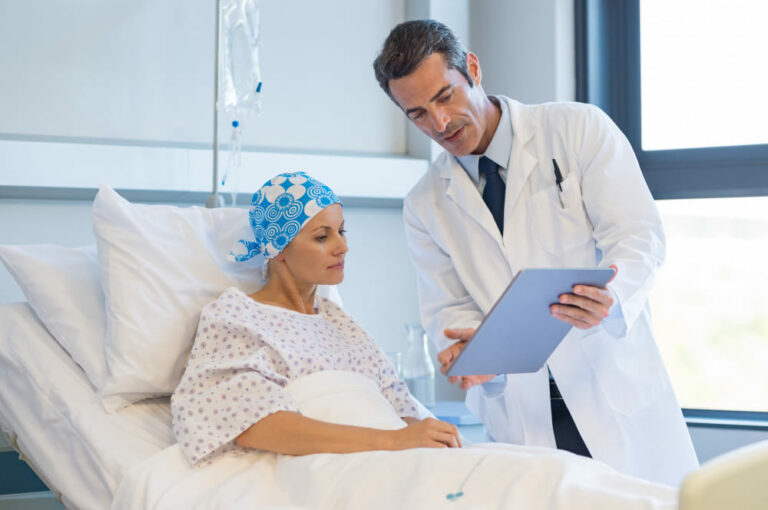
Knowing that you have a brain tumour may seem to be a devastating news, too difficult to deal with. But at this time, it is crucial to take the time to understand the diagnosis, treatment options, and potential impacts on daily life. This knowledge empowers patients to actively participate in their care, reducing anxiety and uncertainty.

Knowing about the possibility of loss of functions and death is also advisable. However, it will depend on the personality of the patient, his education, his need to his/her family and many more factors.

A brain tumour is a life-altering moment that brings forth a wave of emotions, questions, and uncertainties. Understanding the diagnosis is a crucial step in empowering individuals to actively participate in their care and navigate the challenges that lie ahead. Here, we delve into the various aspects of comprehending a brain tumour diagnosis.

Let us first have a ‘Medical Understanding’, which means how bad is the tumour and how badly is it going to affect your life. Following fact cover these aspects.

Type and Grade of Tumour:

It is essential to understand the specific type of brain tumour diagnosed. Tumours can be benign (non-cancerous) or malignant (cancerous). Additionally, they are classified based on their location within the brain and the type of cells involved. The grade of the tumour indicates how quickly it may grow and spread. Grades range from type I (slow-growing) to type IV (fast-growing and malignant).

Diagnostic Imaging:

Techniques such as magnetic resonance imaging (MRI) and computed tomography (CT) scans are often employed to visualize and locate the tumour. These images help healthcare professionals determine the size, location, and characteristics of the tumour.

A positron emission tomography (PET) scan is a type of imaging test. It uses a radioactive substance called a tracer to look for disease in the body. A PET scan shows how organs and tissues are working. A tumour will be properly visualised in PET scan not only for its size but also to understand if the tissue involved is functional.

Biopsy Results:

A biopsy may be conducted to extract a small sample of the tumour for examination under a microscope. This procedure helps determine the tumour’s composition and aids in developing an effective treatment plan. Biopsy is very important part of dealing with a tumour.

After the diagnosis, let us understand what the treatment options in a brain tumour are.

Surgery:

Depending on the tumour’s location and type, surgery may be recommended to remove all or part of the tumour. The feasibility of surgery is influenced by factors such as the tumour’s size, grade, and proximity to critical brain structures.

Radiation Therapy:

Radiation therapy utilizes high-energy rays to target and shrink tumours. It may be employed as the primary treatment or in conjunction with surgery or chemotherapy.

Chemotherapy:

Chemotherapy involves the use of drugs to kill or slow the growth of cancer cells. It is administered orally or intravenously and may be part of the treatment plan for certain types of brain tumours.

Now let us see what might be the potential Impact on the daily Life of a brain tumour patient.

Coping with brain tumour treatment is not easy as for example coping with the treatment for fever or cough. The above treatments like chemotherapy or radiation therapy do have side effects. Courage to bear anything must be the motto of the brain tumour patient.

Symptoms and Side Effects:

Understanding the potential symptoms and side effects of both the tumour and its treatment is crucial. This awareness enables individuals to proactively manage and communicate any changes in their health to their healthcare team.

Symptoms will vary from pain to loss of brain function and resulting loss of crucial skills like speech, movement or loss of eyesight.

Long-Term Care and Monitoring:

Brain tumour survivors often require long-term care and monitoring. Regular follow-up appointments, imaging studies, and other diagnostic tests help doctors track the individual’s progress and address any emerging issues promptly.

Emotional and Supportive Aspects are important. Courage to face whatever happens is the best weapon for mental peace. If a patient is emotionally broken, he/she must be given emotional support to help him/her accept her condition.

Close Communications with doctors:

Establishing open communication with healthcare providers is paramount. This ensures that individuals are well-informed about their diagnosis, treatment options, and potential challenges. And the healthcare providers will dispel doubts and misunderstandings and myths.

Involving Loved Ones:

Sharing the diagnosis with family and friends creates a support system that can provide emotional strength. Loved ones can offer assistance, understanding, and companionship throughout the journey. Hiding such news from close family members ‘to protect them’ is not an advisable strategy.

Seek a Second Opinion:

It is not only acceptable but necessary to seek a second opinion to ensure that the diagnosis and recommended treatment plan are correct and will help the patient. Different perspectives can contribute valuable insights.

Coping Strategies for Daily Life: Managing Life with Brain Tumour

Living with a brain tumour often involves adapting to new challenges. Establishing a routine that accommodates both medical needs and personal well-being is essential. Integrating relaxation techniques, mindfulness, and gentle exercises can contribute to overall well-being.

Emotional Wellness: Support for Brain Tumour Patients

Emotional support is a cornerstone of coping with a brain tumour. Surrounding oneself with a strong support network, including family, friends, and healthcare professionals like doctors, nurses and counsellors, can provide comfort during difficult times. Seeking therapy or support groups tailored to brain tumour patients allows for shared experiences and emotional healing.

Coping with Treatment: Brain Tumour Patient Care Tips

Enduring treatment for a brain tumour can be physically and emotionally draining. Managing side effects, maintaining good nutrition, and staying hydrated are crucial aspects of care.

Living Well Beyond Diagnosis: Brain Tumour Coping Strategies

Living well with a brain tumour involves looking beyond the diagnosis and focusing on aspects of life that bring joy and fulfilment. Engaging in hobbies, spending time with loved ones, and setting realistic goals contribute to a positive mind set, fostering resilience in the face of adversity.

Community Support: Emotional Support for Brain Tumour Patients

Connecting with other brain tumour patients through local or online support groups can provide a sense of community and understanding. Sharing experiences, tips, and resources creates a supportive environment where individuals feel heard and validated. Brain tumour emotional wellness is a state where the patient accepts the situation and is firmly facing it.

Conclusion:

So, as can be understood from the above, understanding a brain tumour diagnosis is a multifaceted process that involves medical understanding, treatment decisions, and emotional considerations. By actively engaging with doctors and counsellors, seeking support from loved ones, and educating oneself about the diagnosis, individuals can navigate this challenging terrain with a sense of empowerment and resilience. Remember, each person’s journey is unique, and a well-informed and supported approach can make a significant difference in facing the complexities of living with a brain tumour.

4. Artificial Disc Replacement:

  • Procedure: Instead of fusing the vertebrae, artificial disc replacement involves removing the damaged disc and replacing it with an artificial disc designed to mimic natural spinal motion.
  • Navigation: Surgical navigation can assist in precise placement of the artificial disc, ensuring optimal function and reducing the risk of complications.


5. Percutaneous Discectomy:

  • Procedure: In percutaneous discectomy, a small tube is inserted through the skin to remove or shrink the herniated disc material, typically using a laser or other energy source.
  • Navigation: Surgical navigation can guide the placement of instruments and monitor the procedure, enhancing accuracy and safety.

Role of Surgical Navigation:

Surgical navigation systems use advanced imaging technology, such as intraoperative CT scans or fluoroscopy, to create real-time 3D maps of the patient’s anatomy during surgery. The benefits of surgical navigation in cervical spine surgery include:

  • Precision: Helps the surgeon accurately target the affected area, reducing the risk of damage to surrounding structures.
  • Safety: Enhances safety by providing real-time feedback on instrument placement and proximity to critical structures.
  • Minimally Invasive: Facilitates minimally invasive approaches by improving visualization and guidance during the procedure.

Surgical navigation is particularly valuable in cervical spine surgery, where precision is crucial due to the proximity of vital structures such as the spinal cord and major blood vessels. However, its use may vary depending on the specific surgical approach and the surgeon’s preferences and expertise.

Physical Therapy:

Targeted exercises and rehabilitation can help strengthen the neck muscles, improve posture, and alleviate symptoms. Physical therapy is a must along with or after every type of treatment for a cervical disc prolapse.

Conclusion:

Cervical disc prolapse can significantly impact one’s quality of life, but with timely intervention and proper management, individuals can find relief from symptoms and regain functionality. It is necessary to seek medical help as soon as possible.


ब्रेन ट्यूमरसह जगणे: मानसिक तयारी आणि मनाचा भक्कमपणा

ब्रेन ट्यूमरसह जगणे: मानसिक तयारी आणि मनाचा भक्कमपणा

By Dr.Ravindra Patil

ब्रेन ट्यूमरसह जगणे: मानसिक तयारी आणि मनाचा भक्कमपणा

परिचय:

“तुम्हाला ब्रेन ट्यूमर आहे” ही बातमी स्वीकारणे हे एक जबरदस्त, जीवन बदलणारे आव्हान असते. शारीरिक रोगाच्या आव्हानापलीकडे, अशा रूग्णांना होणारा भावनिक आणि मानसिक त्रास सहन करून कसे जगायचे हे शिकणे आवश्यक असते. या ब्लॉगमध्ये ब्रेन ट्यूमरचे निदान व त्याचे उपचार यांचा सामना करण्यासाठी धोरणे, मानसिक शौर्य आणि व्यावहारिक सल्ले देऊ. लक्षात ठेवा, ब्रेन ट्यूमरसह जगणे सोपे नाही. ब्रेन ट्यूमरचे निदान आहे हे माहित असूनही धैर्याने जगणे खरोखर कठीण आहे.

Table of Contents

निदान समजून घेणे: ब्रेन ट्यूमर निदानाचा सामना करणे

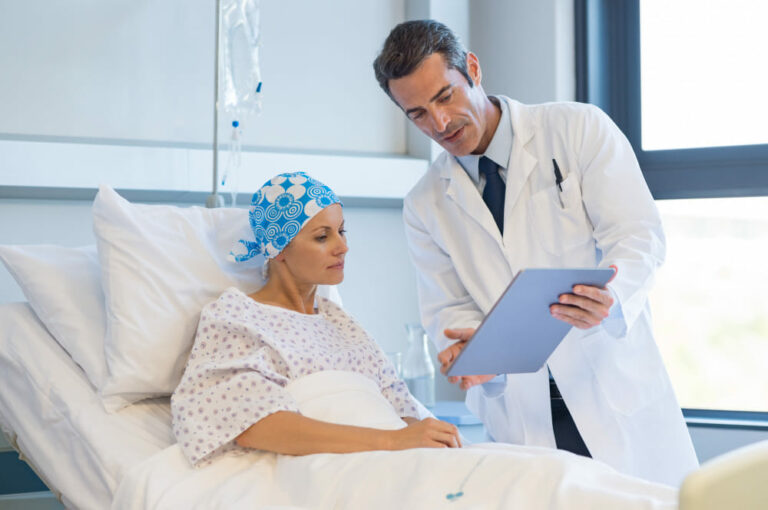
तुम्हाला ब्रेन ट्यूमर आहे ही एक विनाशकारी बातमी आहे, ज्याचा सामना करणे खूप कठीण आहे. परंतु यावेळी, निदान, उपचार पर्याय आणि दैनंदिन जीवनावर होणारे संभाव्य परिणाम समजून घेण्यासाठी वेळ काढणे महत्त्वाचे आहे. हे ज्ञान रुग्णांना त्यांच्या काळजीमध्ये सक्रियपणे सहभागी होण्यासाठी, चिंता आणि अनिश्चितता कमी करण्यास मदत करते.

ट्यूमरमुळे कार्यशीलता किती कमी होईळ आणि मृत्यूच्या होण्याची किती शक्यता आहे हे जाणून घेणे देखील आवश्यक आहे. तथापि, हे रुग्णाचे व्यक्तिमत्त्व, त्याचे शिक्षण, त्याच्या/तिच्या कुटुंबासाठी त्याची गरज आणि इतर अनेक घटकांवर अवलंबून असते.

ब्रेन ट्यूमरची बातमी हा एक जीवन बदलणारा क्षण आहे जो भावना, प्रश्न आणि अनिश्चिततेची लाट आणतो. निदान समजून घेणे हे रूग्णांना त्यांच्या उपचारांमध्ये सक्रियपणे भाग घेण्यासाठी आणि पुढे असलेल्या आव्हानांचा सामना करण्यासाठी सक्षम बनवण्याचे एक महत्त्वपूर्ण पाऊल आहे. येथे आपण ब्रेन ट्यूमर निदानच्या विविध पैलूंचा शोध घेत आहोत.

आधी ‘वैद्यकीय माहिती समजून घेऊ या, म्हणजे ट्यूमर किती वाईट आहे आणि त्याचा तुमच्या आयुष्यावर किती वाईट परिणाम होणार आहे हे कळते. खालील मुद्दे विविध पैलू समजावतात:

ट्यूमरचा प्रकार आणि श्रेणी:

विशिष्ट प्रकारच्या ब्रेन ट्यूमर्सचे निदान करणे समजून घेणे आवश्यक आहे. ट्यूमर सौम्य (कर्करोग नसलेला) आहे का घातक (कर्करोग असलेला) आहे? याव्यतिरिक्त, मेंदूमधील त्यांचे स्थान आणि त्यात समाविष्ट असलेल्या पेशींच्या प्रकारावर आधारित त्यांचे वर्गीकरण केले जाते. ट्यूमरचा दर्जा दर्शवतो की तो किती लवकर वाढणार आहे आणि पसरणार आहे. ग्रेड १ प्रकार (हळू-वाढणारे) ते ग्रेड ४ प्रकार (जलद-वाढणारे आणि घातक) पर्यंत प्रकारांच्या श्रेणी आहेत.

डायग्नोस्टिक इमेजिंग:

मॅग्नेटिक रेझोनान्स इमेजिंग (MRI) आणि संगणित टोमोग्राफी (CT) स्कॅन यांसारखी तंत्रे अनेकदा ट्यूमरच्या आकाराची व अचूक जागेची कल्पना येण्यासाठी वापरली जातात. या प्रतिमा डॉक्टरांना ट्यूमरचा आकार, स्थान आणि वैशिष्ट्ये निर्धारित करण्यात मदत करतात.

पॉझिट्रॉन एमिशन टोमोग्राफी (पीईटी) स्कॅन हा इमेजिंग चाचणीचा एक प्रकार आहे. शरीरातील रोग शोधण्यासाठी ती ट्रेसर नावाच्या किरणोत्सर्गी पदार्थाचा वापर करते. पीईटी स्कॅन अवयव आणि ऊतक कसे कार्य करत आहेत हे दर्शविते. पीईटी स्कॅनमध्ये ट्यूमर योग्यरित्या दृश्यमान केला जाईल, केवळ त्याच्या आकारासाठीच नाही तर त्यात समाविष्ट असलेली ऊती कार्यशील आहेत की नाही हे देखील समजेल.

बायोप्सी:

ट्यूमरचा एक छोटा नमुना काढून सूक्ष्मदर्शकाखाली तपासला जाऊ शकतो. त्यासाठी बायोप्सी केली जाऊ शकते. ही प्रक्रिया ट्यूमरची संरचना निश्चित करण्यात व त्याच्या प्रकार समजून घेण्यात मदत करते आणि योग्य उपचार योजना आखण्यात मदत करते. ट्यूमरचे उपचार करण्यासाठी बायोप्सी हा अतिशय महत्त्वाचा भाग आहे.

निदानानंतर, ब्रेन ट्यूमरमध्ये उपचाराचे पर्याय काय आहेत ते समजून घेऊ.

शस्त्रक्रिया:

शस्त्रक्रिया करायची की नाही हे ट्यूमरचे स्थान आणि प्रकार यावर अवलंबून असते. ट्यूमरचा संपूर्ण किंवा काही भाग काढून टाकण्यासाठी शस्त्रक्रियेचा सल्ला दिला जाऊ शकतो. शस्त्रक्रिया करावी की नाही हे ट्यूमरचा आकार, दर्जा आणि ट्यूमर मेंदूच्या महत्त्वाच्या संरचनेच्या किती जवळ आहे या वरती आवलंबून असते.

रेडिएशन थेरपी:

रेडिएशन थेरपी बरोब्बर ट्यूमरवर नेम धरून उच्च-ऊर्जा किरणांचा वापर करते. याने ट्यूमरचा आकार संकुचित होतो. हा उपचार प्राथमिक उपचार म्हणून किंवा शस्त्रक्रिया किंवा केमोथेरपीच्या संयोगाने वापरले जाऊ शकते.

केमोथेरपी:

केमोथेरपीमध्ये कर्करोगाच्या पेशी नष्ट करण्यासाठी किंवा त्यांची वाढ कमी करण्यासाठी औषधांचा वापर केला जातो. ही औषधे तोंडाने किंवा इंजेक्शन द्वारा दिली जातात आणि विशिष्ट प्रकारच्या ब्रेन ट्यूमरसाठी उपचारात वापरतात. आता ब्रेन ट्यूमर रुग्णाच्या दैनंदिन जीवनावर काय परिणाम होऊ शकतो ते पाहू. ब्रेन ट्यूमरच्या उपचारांचा सामना करणे सोपे नाही, उदाहरणार्थ ताप किंवा खोकल्यावरील उपचारांचा सामना करणे सोपे असते. त्यातील औषधांनी फारसे साइड इफेक्ट्स येत नाहीत. पण ब्रेन ट्यूमरच्या वर नमूद केलेल्या उपचारांमध्ये, जसे की रेडियेशन थेरपी व केमो थेरपी, यांचे साइड इफेक्ट्स येऊ शकतात. काहीही सहन करण्याचे धाडस बाळगणे हे ब्रेन ट्युमरच्या रुग्णाचे ब्रीदवाक्य असले पाहिजे.

लक्षणे आणि साइड इफेक्ट्स:

ट्यूमर आणि त्याचे उपचार या दोन्हीची संभाव्य लक्षणे आणि दुष्परिणाम समजून घेणे महत्त्वाचे आहे. ही जागरूकता व्यक्तींना त्यांच्या आरोग्यातील कोणतेही बदल झाल्यास त्यांच्या डॉक्टरांना सांगता येती व सक्रियपणे उपचार व्यवस्थापित करण्यास सक्षम करते.

लक्षणे अनेक असु शकतात. वेदना होणे ते मेंदूचे कार्य कमी होणे आणि परिणामी बोलणे, हालचाल किंवा दृष्टी कमी होणे यासारखी महत्त्वपूर्ण कौशल्ये गमावणे अशी लक्षणे असु शकतात.

दीर्घकालीन काळजी आणि देखरेख:

ब्रेन ट्यूमर होऊन मृत्यू न पावलेल्या अनेक रूग्णांना अनेकदा दीर्घकालीन काळजी आणि देखरेखीची आवश्यकता असते. नियमित फॉलो-अप अपॉइंटमेंट्स, इमेजिंग अभ्यास आणि इतर निदान चाचण्या डॉक्टरांना व्यक्तीच्या प्रगतीचा मागोवा घेण्यास आणि कोणत्याही नवीन उत्पन्न होणाऱ्या समस्यांचे त्वरित निराकरण करण्यात मदत करतात.

भावनिक आणि सहाय्यक पैलू महत्वाचे आहेत. जे काही घडते त्याला तोंड देण्याचे धैर्य हे मानसिक शांततेचे सर्वोत्तम शस्त्र आहे. जर एखादा रुग्ण भावनिकदृष्ट्या भंगला असेल तर त्याला किंवा तिला त्याची किंवा तिची स्थिती स्वीकारण्यास मदत करण्यासाठी त्याला किंवा तिला मानसिक आधार दिला पाहिजे.

डॉक्टरांशी सतत संपर्क ठेवा:

डॉक्टरांशी सतत संपर्क ठेवणे सर्वोपरि हितावह व आवश्यक आहे. हे सुनिश्चित करते की व्यक्तींना त्यांचे निदान, उपचार पर्याय आणि संभाव्य आव्हानांबद्दल चांगली माहिती आहे. आणि डॉक्टर व त्यांची टीम रोगा विषयी शंकांचे समर्थन करतील आणि गैरसमज दूर करतील.

प्रियजनांचा समावेश करणे:

ब्रेन ट्यूमरचे निदान झाल्यावर कुटुंब आणि मित्रांसोबत याची माहिती जरूर शेर करावी. त्यामुळे रूग्णांसाठी एक समर्थन प्रणाली तयार होते जी मानसिक शक्ती प्रदान करू शकते. ब्रेन ट्यूमरचा सामाना करण्याच्या प्रवासात प्रिय व्यक्तींची खूप मदत होते. त्यांचा समजूतदारपणा आणि सहवास मनोधैर्य देऊ शकतात. जवळच्या कुटुंबातील सदस्यांपासून अशी माहिती कधीही लपवू नये. ‘त्याला किंवा तिला वाईट वाटेल किंवा धक्का बसेल’ असे म्हणून त्यांच्या संरक्षणासाठी अशा बातम्या लपवणे हे योग्य धोरण नाही.

दुसऱ्या डॉक्टरचे मत जरूर घ्या

ब्रेन ट्यूमरचे निदान अचूक आहे की नाही आणि सांगितलेला औषधोपचार योजना बरोबर आहे की नाही आणि रुग्णाला मदत करेल अशी आहे की नाही याची खात्री करण्यासाठी दुसऱ्या विशारद डॉक्टरचे मत घेणे केवळ योग्य च नाही आहे तर आवश्यक आहे. भिन्न दृष्टीकोन मौल्यवान माहिती देऊ शकतात.

मानसिक तंदुरुस्ती: ब्रेन ट्यूमरच्या रुग्णांसाठी आधार

मेंदूतील ट्यूमरचा सामना करण्यासाठी खंबीर मनाचा आधार ही एक कोनशिला आहे. कुटुंब, मित्र, डॉक्टर, परिचारिका आणि काउंसेलर यांसारख्या आरोग्यसेवा व्यावसायिकांच्या भक्कम टेक्याच्या नेटवर्कने स्वतःला वेढून राहणे आवश्यक असते. हे कठीण काळात मनाला आराम देऊ शकते. ब्रेन ट्यूमर रूग्णांसाठी तयार केलेली थेरपी किंवा समर्थन गट शोधणे हे देखील फायदा कारक असते. त्यात एकमेकांच्या अनुभवांची देवाणघेवाण करून मनोबळ नक्कीच वाढू शकते.

उपचारांचा सामना करणे: ब्रेन ट्यूमर पेशंट केअर टिप्स

ब्रेन ट्यूमरसाठी बराच काळ चालणाऱ्या उपचारांचाही सामना करावा लागतो. ब्रेन ट्यूमरच्या उपचारांनी शारीरिक आणि भावनिकदृष्ट्या खूप थकवा येऊ शकतो. साइड इफेक्ट्स सहन करून त्यांचे व्यवस्थापन करणे, चांगले पोषण राखणे आणि पुरेसे पाणी पिऊन हायड्रेटेड राहणे या गोष्टी खूप महत्त्वपूर्ण आहेत.

निदान स्वीकारून जगणे: ब्रेन ट्यूमरचा सामना करण्याच्या धोरणे

ब्रेन ट्यूमरसह चांगले जगणे म्हणजे निदानाच्या पलीकडे पाहणे आणि जीवनातील अशा पैलूंवर लक्ष केंद्रित करणे जे आनंद आणि पूर्णता आणतात. छंदांमध्ये गुंतून राहणे, प्रियजनांसोबत वेळ घालवणे आणि खरी व करता येतील अशी उद्दिष्टे निश्चित करणे हे सर्व सकारात्मक रीते मनोबळ वाढविते व प्रतिकूल परिस्थितीत लवचिकता वाढवते.

समुदाय समर्थन: ब्रेन ट्यूमर रुग्णांना भावनिक आधार

इतर ब्रेन ट्यूमर रूग्णांशी भेटून किंवा ऑनलाइन ग्रूप्सद्वारे संपर्क साधणे आणि अनुभवांची देवाणघेवाण करणे खूप उपयोगी असते. इतर रूग्णांच्या अनुभवाचा आणि समजूतदारपणाचा आपल्याला फायदा होतो व तसेच आपल्या अनुभवांचा इतर रूग्णांना फायदा होतो. अनुभव, टिपा आणि रिसोर्सीस शेर केल्याने एक सहाय्यक वातावरण तयार होते, जेथे व्यक्ती एकमेकांच्या गोष्टी ऐकतात. ब्रेन ट्यूमर त्या रूग्णांची मानसिक तंदुरुस्ती ही अशी स्थिती आहे जिथे रुग्ण परिस्थितीचा स्वीकार करतो आणि खंबीरपणे त्याचा सामना करतो.

सारांश:

ब्रेन ट्यूमरचा सामना कसा करायचा याचा सारांश म्हणजे सर्वप्रथम मेंदूतील ट्यूमरचे निदान समजून घेणे. त्यामध्ये वैद्यकीय बाबींची समज, उपचार निर्णय आणि मानसिक बळाचा विचार यांचा समावेश होतो. डॉक्टर आणि काउंसेलरशी सक्रियपणे संवाद साधून, प्रियजनांकडून पाठिंबा मिळवून आणि निदानाबद्दल स्वतःला शिक्षित करून रूग्ण त्याच्या आव्हानात्मक आयुष्याचा सामना करू शकतात. लक्षात ठेवा, ब्रेन ट्यूमर असलेल्या प्रत्येक व्यक्तीचा प्रवास वेगळा असतो, आणि मेंदूतील गाठीसह जगण्याच्या गुंतागुंतांना तोंड देण्यासाठी चांगली माहिती असलेला दृष्टीकोन महत्त्वपूर्ण मदत करू शकतो.

सर्व्हायकल डिस्क प्रोलॅप्स समजून घेणे: कारणे, लक्षणे आणि उपचार

सर्व्हायकल डिस्क प्रोलॅप्स समजून घेणे: कारणे, लक्षणे आणि उपचार

By Dr.Ravindra Patil

सर्व्हायकल डिस्क प्रोलॅप्स समजून घेणे: कारणे, लक्षणे आणि उपचार

परिचय:

मानवी पाठीचा कणा हा इंजिनियरींगचा एक चमत्कार आहे, जो मानेच्या विस्तृत हालचालीं शक्य करतो व डोक्याला आधार देतो. तथापि, या गुंतागुंतीची प्रणाली मुळे अनेक आव्हाने येऊ शकतात, ज्यामुळे मानेच्या डिस्क प्रोलॅप्ससारखे रोग उद्भवू शकतात. या ब्लॉग पोस्टमध्ये, मानेच्या डिस्क प्रॉलॅप्सची कारणे, लक्षणे आणि विविध उपचार पर्यायांचा अभ्यास करू. याला सर्व्हायकल डिस्क हर्निएशन किंवा नेक डिस्क प्रोलॅप्स असेही म्हणतात.

Table of Contents

मानवी मानेच्या मणक्यांची गुंतागुंतीची रचना

मानवी मणक्याच्या माळेचे पहिले सात मणके असतात (त्यांना C1 ते C7 म्हणतात) त्यांना सर्व्हायकल स्पाईन म्हणतात. सर्व्हायकल स्पाईन डोक्याला आधार देते, मानेच्या हालचाली सुलभ करते आणि स्पायनल कॉर्ड सुरक्षित ठेवण्याची महत्त्वपूर्ण भूमिका बजावते.

मानेच्या मणक्याच्या रोगांची अनेक कारणे असतात तिच्या गुंतागुंतीच्या रचनेमुळे. मानेच्या अद्वितीय शारीरिक वक्रतेमुळे विविध रोग होऊ शकतात. हे रोग कशामुळे होतात याची काही कारणे खालील प्रमाणे आहेत.

मानेच्या मणक्याचे वक्रता:

मानेच्या मणक्यामध्ये लॉर्डोटिक वक्रता (मागच्या बाजुला वक्रता) असते, जी डोक्याचे वजन संतुलित करण्यास आणि स्थिरता राखण्यास मदत करते.

मानेच्या मणक्याचे सामान्य रोग:

मानेच्या मणक्यांना म्हणजे सर्व्हायकल स्पाईनला क्वचित फक्त एकच रोग होतो. बहुतेक डिस्क प्रोलॅप्सच्या रूग्णांमध्ये प्रोलॅप्स शिवाय इतर रोगही असु शकतात ज्यांपैकी काही खाली नमूद केले आहेत.

  • डीजेनेरेटिव्ह डिस्क डिसीज (DDD): कालांतराने, झीज होऊन इंटरव्हर्टेब्रल डिस्क खराब होऊ शकतात.
  • हर्निएटेड डिस्क्स: इंटरव्हर्टेब्रल डिस्कमधील जेल सारखा पदार्थ बाहेर पडू शकतो, जवळच्या नसांना दाबू देऊ शकतो आणि वेदना, स्नायुंमध्ये अशक्तपणा किंवा कातडीवर बधीरपणा होऊ शकतो. हे सर्व्हायकल स्पाइन डिस्क प्रोलॅप्स सारखेच असते.
  • सर्व्हायकल स्पॉन्डिलायसिस: हे डिस्क आणि सांधे यांची झीज झाल्यामुळे होते.
  • सर्व्हायकल स्पाईनची रेडिक्युलोपॅथी: मानेच्या मणक्यातील मज्जातंतूंच्या मुळांवर दाब किंवा सूज आल्यास वेदना होणे, मुंग्या येणे किंवा संबंधीत स्नायुं मध्ये कमकुवतपणा येणे यासारखी लक्षणे दिसू शकतात.
  • मानेला मोठी इजा झाल्यास डिस्क थोडीशी त्याच्या जागेतून बाहेर येते पुढे प्रोलॅप्स होते.
  • प्रक्षोभक स्थितींमुळे सर्व्हायकल डिस्कला फुगवटा येतो आणि सर्व्हायकल डिस्क हर्नियेशन किंवा प्रोलॅप्स देखील होऊ शकतात.
  • जन्मजात विसंगतीमुळे देखील सर्व्हायकल डिस्क प्रोलॅप्स होऊ शकते
  • सर्व्हायकल मणक्यांच्या गुंतागुंतीची रचना आणि त्याचे रोग समजून घेणे हे सर्वाइकल डिस्क प्रोलॅप्स समजून घेण्यासाठी महत्त्वाचे आहे. शरीराच्या एकूण कार्यामध्ये आणि गतिशीलतेमध्ये मणक्याची महत्त्वाची भूमिका लक्षात घेता, सर्व्हायकल मणक्यांमधील डिस्क प्रोलॅप्सवर लवकरात लवकर योग्य उपचार करणे महत्त्वाचे आहे.

सर्व्हायकल डिस्क प्रोलॅप्स समजून घेणे:

मानेच्या कशेरुकांमधील उशी सारखी चकती जेव्हा खराब होते तेव्हा आतील मऊ जेल बाहेरील कठीण थरातून पुढे बाहेर येते सरकते तेव्हा आतील सर्व्हायकल मणक्यांमधील डिस्क प्रोलॅप्स होते. ही स्थिती विविध कारणांमुळे उद्भवू शकते आणि प्रभावी व्यवस्थापनासाठी त्यांना समजून घेणे महत्त्वाचे आहे. सामान्य अपभाषामध्ये याला ‘नेक डिस्क हर्निएशन’ म्हणतात.

ग्रीवाच्या डिस्क प्रोलॅप्सची कारणे:

प्रत्येक ग्रीवाच्या डिस्क प्रोलॅप्सच्या आधी ग्रीवा डिस्क प्रोट्र्यूशन असेल. डिस्क प्रोलॅप्स किंवा सर्व्हायकल डिस्क बाहेर येण्याची कारणे आहेत:

वयामुळे होणारा डिस्कचा ऱ्हास:

नैसर्गिक वृद्धत्वाची प्रक्रिया सर्व्हायकल स्पाईनच्या मणक्यांमधील डिस्क्सची झीज होण्यास हातभार लावते. यामुळे त्यांना कालांतराने डिस्क प्रोलॅप्स होते. डिस्क हळूहळू प्रोलॅप्स होऊ शकते, ज्यामुळे सुरुवातीला सर्व्हायकल डिस्कला फुगवटा येतो, ज्यामुळे वेदना होतात. व नंतर ती प्रोलॅप्स होऊ शकते

आघात किंवा दुखापत:

अपघात, पडणे किंवा इतर आघातजन्य घटनांमुळे सर्व्हायकल डिस्कना अचानक आणि गंभीर नुकसान होऊ शकते, ज्यामुळे पुढे प्रोलॅप्स होते.

अनुवांशिक घटक:

अनुवांशिक पूर्वस्थिती काही व्यक्तींना डिस्क प्रोलॅप्स होण्यात अधिक संवेदनाक्षम बनवते.

सर्व्हायकल डिस्क प्रोलॅप्सची सामान्य लक्षणे:

सर्व्हायकल डिस्क प्रोलॅप्सची लक्षणे ओळखणे आणि वेळेवर हस्तक्षेप करणे महत्वाचे आहे. हे झाल्यस उपचार घेणे आवश्यक होते:

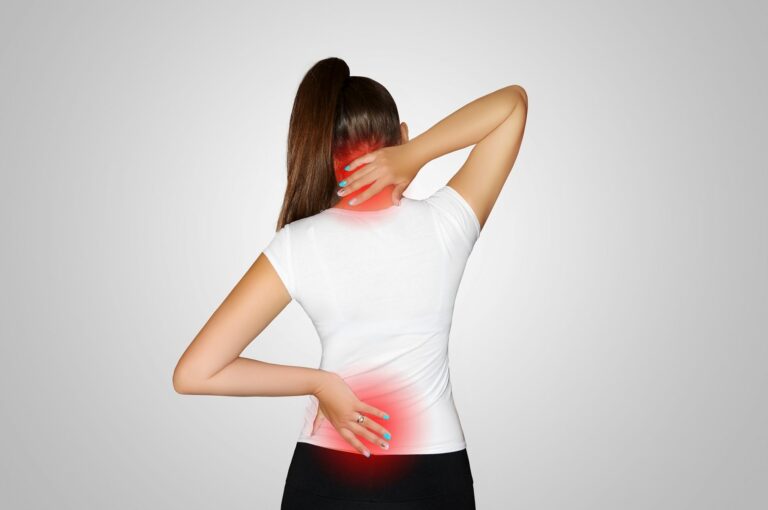
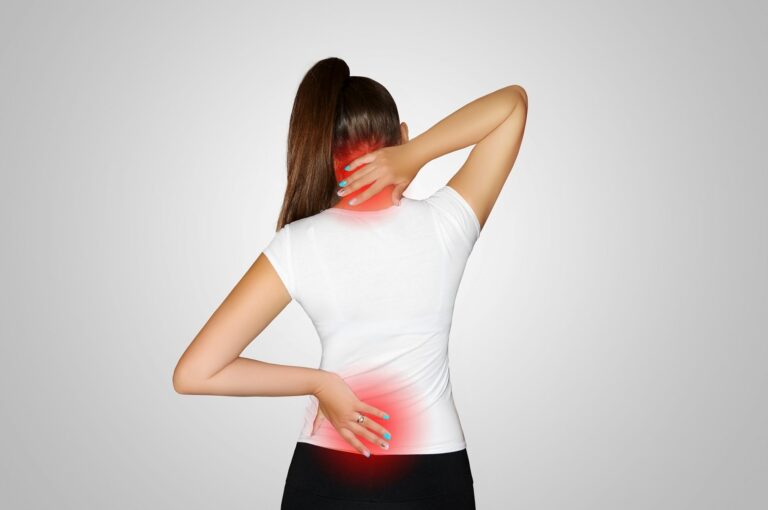
मान दुखणे:

मानेच्या प्रदेशात सतत वेदना, खांदे आणि हातांपर्यंत वेदना पसरणे.

सुन्नपणा आणि मुंग्या येणे:

हात किंवा बोटांमध्ये सुन्नपणा, मुंग्या येणे किंवा कमकुवतपणाच्या संवेदना.

हालचालीचा पल्ला कमी होणे:

मान हलवण्यात आणि दैनंदिन कामे करण्यात अडचण.

डोकेदुखी:

तीव्र डोकेदुखी, विशेषतः कवटीचा पायाशी तीव्र डोकेदुखी.

सर्व्हायकल डिस्क उपचार पर्याय:

ऑपरेशन शिवायचे उपचार:

सर्व्हायकल डिस्क प्रोलॅप्सच्या सौम्य प्रकरणात विश्रांती, फिझियोथेरपी उपचार आणि वेदनाशामक औषधे यासारख्या उपायांद्वारे व्यवस्थापित केली जाऊ शकतात.

एपिड्युरल इंजेक्शन्स:

सूज कमी करण्यासाठी आणि सर्व्हायकल डिस्क प्रोलॅप्सशी संबंधित वेदना कमी करण्यासाठी कॉर्टिकोस्टेरॉइड इंजेक्शन्स दिली जाऊ शकतात.

सर्जरीने उपचार:

जेव्हा वरील उपचार अयशस्वी होतात, तेव्हा सर्व्हायकल मणक्याच्या डिस्क प्रोलॅप्ससाठी सर्व्हायकल डिस्क शस्त्रक्रिया करावी लागते, ज्याला सामान्यतः सर्व्हायकल डिस्क हर्नियेशन सर्व्हायकल डिस्क रोग म्हणून संबोधले जाते. शस्त्रक्रियेची प्राथमिक उद्दिष्टे म्हणजे प्रभावित मज्जातंतूची मुळे किंवा पाठीचा कणा विघटित करणे आणि आवश्यक असल्यास मणक्याचे स्थिरीकरण करणे. सर्जिकल नेव्हिगेशन वापरून, सर्व्हायकल डिस्क प्रोलॅप्ससाठी खाली काही सामान्य शस्त्रक्रियांची माहिती दिली आहे:

अ‍ॅन्टिरियर सर्व्हायकल डिसेक्टॉमी आणि फ्यूजन (ACDF):

  • प्रक्रिया: ACDF मध्ये मानेच्या पुढील भागातून खराब झालेली किंवा हर्नियेटेड डिस्क काढून टाकणे आणि त्याच्या जागी हाडांची कलम किंवा कृत्रिम डिस्क लावणे हे करतात. पाठीचा कणा किंवा मज्जातंतूंच्या मुळांना विघटित करणे आणि स्थिरता प्रदान करणे हे देखील याचे उद्दिष्ट असते.
  • नेव्हिगेशन: यात सर्जिकल नेव्हिगेशन चा उपयोग या प्रकारे करतात. सर्जिकल नॅव्हिगेशन सिस्टीम प्रभावित डिस्कचे अचूक स्थान शोधण्यात आणि प्रक्रियेदरम्यान सर्जनला मार्गदर्शन करण्यात खूप मदत करते. त्याच बरोबर सर्जिकल नेव्हिगेशन, अचूकता सुधारण्यास आणि जवळच्या भागात नुकसान कमी करण्यास मदत करते.

पोस्टीरियर सर्व्हायकल फोरमिनोटॉमी:

  • प्रक्रिया: या पद्धतीमध्ये, सर्जन न्यूरल फोरामन रुंद करण्यासाठी हाडाचा एक भाग काढून टाकतो यामुळे, मज्जातंतूंची मुळे जिथून पाठीच्या कॅनॉल मधून बाहेर पडतात तेथील संकुचित पणा कमी होतो व मज्जातंतूवरील दबाव कमी होतो.
  • नेव्हिगेशन: सर्जिकल नेव्हिगेशन फोरमिनोटॉमीसाठी योग्य स्थान ओळखण्यात मदत करते, जवळपासच्या आवयवांना नुकसान न होऊ देता हाडांना अचूक पणे काढणे सुनिश्चित करते.

मायक्रोडिस्केकक्टोमी:

  • प्रक्रिया: मायक्रोडिस्केकक्टोमीमध्ये लहान चीराद्वारे हर्निएटेड डिस्कमधील जेल काढून टाकतात. हा एक कमीत कमी आक्रमक शल्यक्रियेचा उपचार आहे ज्याचा उद्देश आजूबाजूच्या ऊतींना कमीत कमी नुकासान करणे हे असते.
  • नेव्हिगेशन: सर्जिकल नेव्हिगेशन सिस्टम डिस्क हर्नियेशनचे विशिष्ट स्थान लक्ष्यित करण्यात मदत करू शकते, अधिक लक्ष्यित आणि कमी आक्रमक शस्त्रक्रिया पद्धती सुलभ करते.

डिस्क बदलणे व कृत्रिम डिस्क लावणे:

  • कार्यपद्धती: दोन मणक्यांना एकमेकांशी जोडण्याऐवजी, बिघडलेल्या डिस्कच्या जागी कृत्रिम डिस्क लावून खराब झालेली डिस्क काढून टाकतात आणि मणक्याच्या नैसर्गिक हालचाली होतील याची काळजी घेतात. हे करण्यासाठी खास डिझाइन केलेली कृत्रिम डिस्क वापरतात.
  • नेव्हिगेशन: सर्जिकल नेव्हिगेशन कृत्रिम डिस्कच्या अचूक स्थानामध्ये मदत करू शकते, इष्टतम कार्य सुनिश्चित करते आणि कॉम्प्लिकेशन्स होण्याचा धोका कमी करते.

पर्क्यूटेनियस डिसेक्टॉमी:

  • प्रक्रिया: पर्क्यूटेनियस डिसेक्टॉमीमध्ये, हर्निएटेड डिस्क सामग्री काढून टाकण्यासाठी किंवा संकुचित करण्यासाठी त्वचेद्वारे एक लहान ट्यूब घातली जाते, विशेषत: लेसर किंवा इतर ऊर्जा स्त्रोत वापरून.
  • नेव्हिगेशन: सर्जिकल नेव्हिगेशन उपकरणांच्या स्थानावर मार्गदर्शन करू शकते आणि प्रक्रियेचे निरीक्षण करू शकते, अचूकता आणि सुरक्षितता वाढवते.

सर्जिकल नेव्हिगेशनची भूमिका:

सर्जिकल नेव्हिगेशन सिस्टीम स्पाईन शस्त्रक्रियेदरम्यान रुग्णाच्या शरीराच्या रचनेचे रिअल-टाइम (म्हणजे खऱ्या अस्तित्वातले) 3D नकाशे तयार करण्यासाठी इंट्राऑपरेटिव्ह सीटी स्कॅन किंवा फ्लोरोस्कोपी सारख्या प्रगत इमेजिंग तंत्रज्ञानाचा वापर करतात. सर्व्हायकल म्हणजे मानेच्या मणक्याच्या शस्त्रक्रियेमध्ये सर्जिकल नेव्हिगेशन वापरण्याच्या फायद्यांमध्ये खालील गोष्टी आहेत:

  • अचूकता: सर्जनला ऑपरेशनचे क्षेत्र अचूकपणे ओळखण्यात मदत करते, आसपासच्या संरचनेचे नुकसान होण्याचा धोका कमी करते.
  • सुरक्षितता: कुठले सर्जीकल हत्यार नेमके कुठे लावले किंवा ठेवले आहे याची रिअल-टाइम माहिती मिळते आणि आजुबाजुच्या संरचनांची सुरक्षितता वाढवते.
  • कमीत कमी आक्रमक: प्रक्रियेदरम्यान व्हिज्युअलायझेशन आणि मार्गदर्शन सुधारून कमीतकमी आक्रमकता म्हणजेच कमीत कमी चीरे देऊन शस्त्रक्रिया करता येते.

सर्जिकल नेव्हिगेशन विशेषतः तिथे मौल्यवान आहे जिथे सर्व्हायकल मणक्याच्या शस्त्रक्रियेमध्ये स्पायनल कॉर्ड आणि प्रमुख रक्तवाहिन्यांसारखे अति महत्त्वपूर्ण अवयव ऑपरेशनच्या जागेच्या अगदी जवळ असतात. अशावेळी जरा जरी बाजुला चीरा दिला तर मोठे नुकसान होऊ शकते. तथापि, त्याचा उपयोग काही विशिष्ट शल्यचिकित्सा पद्धती आणि सर्जनचा अनुभव व कौशल्य या वर अवलंबून असतो.

फिझियोथेरपी उपचार:

लक्ष्यित व्यायाम आणि पुनर्वसन मानेचे स्नायू बळकट करण्यास, मुद्रा सुधारण्यास आणि लक्षणे कमी करण्यास मदत करू शकतात. सर्व्हायकल डिस्क प्रोलॅप्ससाठी प्रत्येक प्रकारच्या उपचारांसोबत किंवा नंतर फिझियोथेरपी घेणे आवश्यक असते.

निष्कर्ष:

सर्व्हायकल डिस्क प्रोलॅप्स एखाद्याच्या जीवनाच्या गुणवत्तेवर लक्षणीय दुष्परिणाम करू शकतात, परंतु वेळेवर तपसणी व योग्य उपचार व्यवस्थापनाने, असे रूग्ण त्यांच्या लक्षणांपासून आराम मिळवू शकतात आणि त्यांची कार्यक्षमता परत मिळवू शकतात. सांगणे न लगे की शक्य तितक्या लवकर वैद्यकीय मदत घेणे आवश्यक आहे.

Understanding Cervical Disc Prolapse : Causes, Symptoms, and Treatments

understanding-cervical-disc-prolapse-miraj

Understanding Cervical Disc Prolapse: Causes, Symptoms, and Treatments

By Dr.Ravindra Patil

Introduction:

The human spine is a marvel of engineering, providing structural support while allowing for a wide range of movements. However, sometimes, this intricate system can face challenges, leading to conditions such as cervical disc prolapse. In this blog post, we will delve into the causes, symptoms, and various treatment options for cervical disc prolapse, also known as cervical disc herniation or neck disc prolapse.

Table of Contents

Complexities of the human Cervical Spine

The human cervical spine, comprising the first seven vertebrae (C1 to C7), plays a crucial role in supporting the head, facilitating movement, and protecting the spinal cord. The complexities of the cervical spine include its unique anatomical features, curvatures, and susceptibility to various diseases or disabilities. Here are some key aspects to consider:

1. Curvature of the cervical spine:

The cervical spine has a Lordotic Curvature (backward) curvature, which helps balance the weight of the head and maintain stability.

2. Common Diseases and Disabilities of the cervical spine:

Rarely does a single condition affect the cervical spine. In most cases another condition is likely to coexist with a prolapsed disc. Rather, a prolapsed disc many be caused by some of the other diseases mentioned below.

  • Degenerative Disc Disease (DDD): Over time, wear and tear can lead to the deterioration of intervertebral discs.
  • Herniated Discs: The gel-like substance within the intervertebral disc may leak out, irritating nearby nerves and causing pain, weakness, or numbness. This is the same as Cervical Spine Disc Prolapse.
  • Cervical Spondylosis: This refers to the degeneration of discs and joints.
  • Cervical Radiculopathy: Compression or irritation of nerve roots in the cervical spine can result in symptoms such as pain, tingling, or weakness in the arms.
  • Traumatic Injuries leading to Cervical disc bulge or Neck disc prolapse
  • Inflammatory Conditions also may cause cervical disc bulge and cervical disc herniation or prolapse.
  • Congenital Anomalies

Understanding the complexities of the cervical spine and its diseases is crucial for understanding the Cervical Disc Prolapse. Proper treatment of Cervical Disc Prolapse is crucial, considering the spine’s vital role in overall body function and mobility.

Understanding Cervical Disc Prolapse:

Cervical disc prolapse occurs when the cushion-like discs between the vertebrae in the neck deteriorate or become damaged, resulting in the soft inner material pushing through the tough outer layer. This condition can be caused by various factors, and understanding them is crucial for effective management. In common slang it is called ‘neck disc herniation’.

Causes of Cervical Disc Prolapse:

Every cervical disc prolapse will be preceded by cervical disc protrusion. The causes of disc prolapse or Cervical disc protrusion are:

1. Age-related Degeneration:

The natural aging process contributes to the wear and tear of the cervical discs, making them more prone to prolapse over time. The disc may gradually prolapse, leading to cervical disc bulge, which in turn causes pain.

2. Trauma or Injury:

Accidents, falls, or other traumatic incidents can cause sudden and severe damage to the cervical discs, leading to prolapse.

3. Genetic Factors:

Genetic predisposition make some individuals more susceptible.

Common Symptoms:

Recognizing the symptoms of cervical disc prolapse is crucial for timely intervention. Some common indicators include:

1. Neck Pain:

Persistent pain in the neck region, radiating to the shoulders and arms.

2. Numbness and Tingling:

Sensations of numbness, tingling, or weakness in the arms or fingers.

3. Limited Range of Motion:

Difficulty in moving the neck and performing everyday activities.

4. Headaches:

Chronic headaches, especially the skull base.

Cervical disc treatment options:

Conservative Approaches:

Mild cases of cervical disc prolapse can be managed through conservative measures such as rest, physical therapy, and pain medications.

Epidural Injections:

Corticosteroid injections may be recommended to reduce inflammation and alleviate pain associated with cervical disc prolapse.

Surgical Interventions:

When conservative treatments fail, cervical disc surgery for cervical spine disc prolapse, commonly referred to as cervical disc herniation or cervical disc disease, is considered. The primary goals of surgery are to decompress the affected nerve roots or the spinal cord and to stabilize the spine if necessary. Here are some common surgical interventions for cervical disc prolapse, along with the role of surgical navigation:

1. Anterior Cervical Discectomy and Fusion (ACDF):

  • Procedure: ACDF involves removing the damaged or herniated disc from the front of the neck (anterior approach) and replacing it with a bone graft or an artificial disc. This aims to decompress the spinal cord or nerve roots and provide stability.
  • Navigation: Surgical navigation systems can assist in precisely locating the affected disc and guiding the surgeon during the procedure. This helps improve accuracy and reduce the risk of damage to adjacent structures.

2. Posterior Cervical Foraminotomy:

  • Procedure: In this approach, the surgeon removes a portion of the bone to widen the neural foramen, the opening through which nerve roots exit the spinal canal. This relieves pressure on the compressed nerve.
  • Navigation: Surgical navigation aids in identifying the correct location for the foraminotomy, ensuring precise removal of bone without compromising nearby structures.

3. Microdiscectomy:

  • Procedure: Microdiscectomy involves the removal of the herniated disc material through a small incision. This is a minimally invasive approach that aims to minimize tissue disruption.
  • Navigation: Surgical navigation systems can assist in targeting the specific location of the disc herniation, facilitating a more targeted and less invasive surgical approach.

4. Artificial Disc Replacement:

  • Procedure: Instead of fusing the vertebrae, artificial disc replacement involves removing the damaged disc and replacing it with an artificial disc designed to mimic natural spinal motion.
  • Navigation: Surgical navigation can assist in precise placement of the artificial disc, ensuring optimal function and reducing the risk of complications.


5. Percutaneous Discectomy:

  • Procedure: In percutaneous discectomy, a small tube is inserted through the skin to remove or shrink the herniated disc material, typically using a laser or other energy source.
  • Navigation: Surgical navigation can guide the placement of instruments and monitor the procedure, enhancing accuracy and safety.

Role of Surgical Navigation:

Surgical navigation systems use advanced imaging technology, such as intraoperative CT scans or fluoroscopy, to create real-time 3D maps of the patient’s anatomy during surgery. The benefits of surgical navigation in cervical spine surgery include:

  • Precision: Helps the surgeon accurately target the affected area, reducing the risk of damage to surrounding structures.
  • Safety: Enhances safety by providing real-time feedback on instrument placement and proximity to critical structures.
  • Minimally Invasive: Facilitates minimally invasive approaches by improving visualization and guidance during the procedure.

Surgical navigation is particularly valuable in cervical spine surgery, where precision is crucial due to the proximity of vital structures such as the spinal cord and major blood vessels. However, its use may vary depending on the specific surgical approach and the surgeon’s preferences and expertise.

Physical Therapy:

Targeted exercises and rehabilitation can help strengthen the neck muscles, improve posture, and alleviate symptoms. Physical therapy is a must along with or after every type of treatment for a cervical disc prolapse.

Conclusion:

Cervical disc prolapse can significantly impact one’s quality of life, but with timely intervention and proper management, individuals can find relief from symptoms and regain functionality. It is necessary to seek medical help as soon as possible.