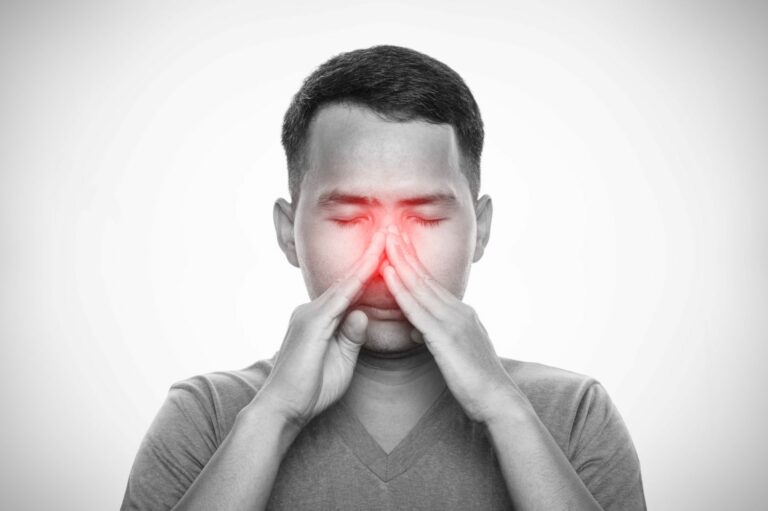
Maxillary Sinusitis

Maxillary Sinusitis

Maxillary Sinusitis

By Dr.Ravindra Patil

It means an infectious disease of the maxillary sinus. As all the readers are not likely to be doctors or biologists, it is necessary to explain what is a sinus and then what is the maxillary sinus.

Table of Contents

Sinuses

Sinuses are air-filled spaces in the forehead, cheekbones, and behind the bridge of the nose. They allow mucus to drain and air to circulate through the nasal passages. There are seven sinuses in the bones of our skull. Of those, three are located on each side of our head. The sphenoid sinus is located in the centre, and is single. The seven sinuses are:

  • Frontal sinuses: Located in the forehead, above the nose and behind the eyebrows.
  • Ethmoid sinuses: Located in the ethmoid bone, on the bridge of the nose, above the nasal cavity and between the eyes.
  • Sphenoid sinus: Located within the body of the sphenoid bone, just anterior and inferior to the sella turcica. It is a single, midline sinus.
  • Maxillary sinuses: Located on either side of the nostrils (cheekbone areas). They are the largest of the air sinuses.

What do the sinuses do?

The functions of sinuses include:

  • Produce mucus
  • Support the immune system of the nasal cavity
  • Lighten the weight of the skull

If the opening from a sinus cavity becomes plugged, the flow of mucus is blocked and pressure builds up, causing pain and inflammation.

The sinuses collectively are called the paranasal sinuses because they are on the sides of the nose. The sinuses are part of your nose and respiratory system. They connect to your nasal passages in a complex network of air flow and drainage passages. As you breathe in air through your nose and mouth, it moves through the sinus passages. The sinuses also produce mucus that coats and lubricates your nasal passages and the sinuses themselves.

Both air and mucus flow through your sinuses and drain into your nose, through tiny openings called ostia (or singular, ostium).

Little hairs called cilia help the mucus move through the sinus cavities. The mucus from the sinuses drains into your nasal passages and then down the back of your throat to be swallowed. The draining mucus helps keep your nose moist and it filters out dust and bacteria.

The sinuses also:

  • Give your voice resonance as the air vibrates
  • Help protect your face in case of trauma
  • Insulate against rapid temperature changes in the nose
  • Provide an immunological defence
  • The sinuses lighten the weight of the skull because they are hollow bones

Maxillary Sinusitis

Inflammation of the sinuses is called Sinusitis. Inflammation of the Maxillary Sinus/s is called Maxillary Sinusitis. Infections of the maxillary sinuses are most common. This article is called ‘Maxillary Sinusitis’ because maxillary sinusitis is the most common sinus infection.

Sinusitis is a sinus infection that can be caused by:

  • Respiratory infections, such as a cold or flu
  • Allergies, like hay fever

Symptoms of sinusitis

Symptoms of a sinus infection are similar to those of a cold:

  • Depending on which sinuses are infected, you may feel pain or pressure in your forehead, cheeks, ears, or teeth.
  • You may have thick, sticky mucus coming from your nose.
  • Your mucus may be cloudy, or have a greenish-yellow color.
  • Mucus may drip down the back of your throat (postnasal drip), giving you a sore throat and cough.
  • Your nose may be stuffed, restricting your breathing.
  • Your face may feel tender, especially around the eyes.

Other symptoms

  • hoarseness
  • fever
  • fatigue
  • bad breath
  • decreased sense of smell and taste

The most common sinus problem

Any infection of your upper respiratory tract can easily spread to the sinuses. The resulting inflammation and pain are called sinusitis. It’s also known as rhinosinusitis. Many people refer to sinusitis as simply ‘sinus’ pain.Your sinuses can become infected by bacteria, a virus, or both. At any given time, millions of people all over the world are suffering from sinusitis.

Acute & Chronic sinus infections

A sinus infection can last from 10 days to as long as 8 weeks. This is called an acute sinus infection.

Sometimes a sinus infection can become chronic, getting better and then worse again, off and on for months.

Chronic sinusitis is medically defined as sinusitis that occurs more than four times a year. If your sinus infection lasts longer than eight weeks, it’s also usually considered chronic.

Chronic sinusitis is one of the most common chronic conditions.

The symptoms of acute and chronic sinusitis are similar. Fever is less likely, except in severe cases.

Factors involved with chronic sinusitis are…

  • Viral or bacterial infections
  • Fungal infections
  • Hay fever or allergies to dust mites, moulds, and so on
  • Frequent exposure to cigarette smoke or other airborne pollutants
  • Nasal polyps, a deviated septum, or a damaged nasal structure
  • Medical conditions such as asthma, hiv, or cystic fibrosis
  • Aspirin sensitivity
  • Respiratory tract infections

You’re at higher risk for sinusitis if you…

  • Have allergies
  • Smoke
  • Have a weakened immune system
  • Have a mechanical problem in the nose, such as a deviated septum
  • Have a dental infection
  • Spend time in a day care or kindergarten where germs are likely to be present

People often develop sinusitis after they have a common cold.  If the lining of your sinuses becomes https://blogpoet.com.ua blocked in a cold, the mucus gets thick and sticky. Your sinuses may not drain properly and bacteria can then build up in the mucus.

Treatment of Sinusitis

  • Getting plenty of rest
  • Drinking plenty of fluids
  • Taking painkillers, such as paracetamol or ibuprofen

Serious sinus infections can spread to the membranes and fluid around the brain and spinal cord. This infection is called meningitis. Other serious infections can spread to the bones, called osteomyelitis, or to skin, called cellulitis.

What should you do if you have Acute Sinusitis

  • Try moist heat or steam. You can make a steam inhaler by putting hot water in a bowl and inhaling the steam. To do this:
  • Keep at least 8 inches away from the water so that you don’t burn yourself.
  • Inhale for about 2 minutes.
  • Create an enclosed space for the moist, warm air to collect by draping a towel over your head as you lean over the bowl.
  • You can also buy a vaporizer, which creates steam from heat.

Other tips to manage symptoms

  • Take over-the-counter (OTC) pain medication to ease headaches.
  • Try OTC drugs such as guaifenesin (Mucinex) that thins your mucus, which can help to pass the mucus and lessen congestion.
  • Try acupuncture; there’s some evidence that it’s useful for sinus-related symptoms.

Chronic sinusitis care tips

Find and treat the condition that’s causing it. If another condition is associated with your chronic sinusitis, get treated for it and stick to your medications or treatment plan. Try treatments or management plans if it’s from allergies. See an allergy specialist to identify and have ongoing treatment for allergies.

Keeping sinuses healthy

You can take some steps to help keep your sinuses healthy and avoid sinusitis:

  • Keep your hands clean.
  • Maintain moisture in your nose and sinuses.
  • Drink plenty of fluids to keep your mucus thin.
  • Use a humidifier in the winter season, when the air tends to be drier.
  • Use an OTC nasal saline spray to irrigate your nose.
  • Keep the dust level down by dusting and vacuuming often, especially in the bedroom.

The good news is that if you’re otherwise healthy and your sinusitis is caused by a virus, it’s likely to resolve on its own within 7 to 10 days.

How to Prevent Brain Tumours

How to Prevent Brain Tumours

How to Prevent Brain Tumours

By Dr.Ravindra Patil

The title of this essay seems so attractive. It seems this article will present a nice, magical way of preventing brain tumours. Brain tumours are something for which cure is difficult and in some cases not possible. Brain tumours are diseases which are very difficult to treat because brain tumours are located inside the skull and in many cases very difficult to approach. Chemotherapy and Radiation Therapy have opened doors to the treatment of some brain tumours which are not operable by surgery. Surgery of brain tumours remains the ideal way to get rid of a brain tumour forever, but surgery has its own risks. And, in some cases, surgery is not possible.

Table of Contents

There is No Way to Prevent Brain Tumours

There is no known way to prevent brain tumours. But those people who are likely to get brain tumours, need to be more aggressive in getting themselves screened for brain tumours. The reason is, children of people who suffered brain tumours are more likely to suffer brain tumours. A family history of brain tumours in near blood relatives indicates an increased risk of brain tumours. Such people must consider screening tests to detect brain tumours.

Risk Factors

  • Risk factors for brain tumours include: Family history, Genetic conditions.
  • People with a close relative who has had a brain tumour have a higher risk than other people in the general population. A close relative is a parent, sibling, or child.
  • Cigarette smoking is a major source of chemical carcinogens.

Introduction

A brain tumour occurs when neurons are mutated and thus abnormal cells are formed. Glioma and meningioma are the two most common types or brain tumours, comprising approximately 75% of all brain tumours.

Who are Likely to Suffer a Brain Tumour?

The subject of diseases and their cure is not easy. It is never possible to say: “Don’t do this and you will never suffer that disease”. Currently only ‘risk factors’ can be presented. Risk factors are something which need to be avoided, if possible.

  • People residing or working in areas concurrently exposed to chemical factories or radiations being released are more prone to develop brain tumour.
  • People with sedentary lifestyle and with more stress in life are generally more seen to develop brain tumours.
  • Lifestyle and dietary factors play a major role in the development of brain tumours
  • People consuming food products such as cured meat, fruits, and vegetables, which contain large amounts of dietary N-nitroso compounds (NOCs) and their precursors, have an association with the development of brain tumours. Hence, they are more prone to develop tumours
  • Males are more prone to develop brain tumours compared to females.
  • The incidence of central nervous system tumours in India ranges from 5 to 10 per 100,000 population with an increasing trend and accounts for 2% of malignancies.
  • A recent study showed an increase in gliomas, but not meningiomas, in workers concurrently exposed to chemical solvents, pesticides or lead, and low-frequency electromagnetic fields.
  • Nitrite exposure has been hypothesized as an explanation for the association of both cured meat and fruits/vegetables. Cured meats are the primary source of dietary N-nitroso compounds (NOCs) and their precursors.
  • NOCs, contained in processed meat, have been long noticed to be associated with higher risk of brain tumour. A recent meta-analysis also indicated that processed meat consumption was associated with higher risk of brain tumour, while intake of vegetables, fruits, and Vitamin A might reduce its risk.
  • Intake of fish is associated with lower risk of brain tumours in children.

Research Findings

Since brain tumours cannot be prevented at this time, it is but natural that much research will continue to be done on the subject. Rather than prevention, currently the focus is on which are the likely people who might get a brain tumour. One major research showed that:

  • People with stressful, sedentary lifestyle and wrong diet and those addicted to alcohol consumption and the habit of cigarette smoking have higher risk of brain tumours.
  • Males are more prone to brain tumours.
  • Among subtypes, majority had glioblastoma and the least had meningioma.
  • According to location, majority had cerebellopontine angle tumour and the least had left thalamic glioma and multicentric glioma.

The other deductions from the above research was that once a brain tumour was detected, to slow down its rate of growth, immediate care should be:

  • Preventing exposure to radiations
  • Avoiding cigarette smoking
  • Providing healthy diet
  • Avoiding chronic stress
  • Avoiding environmental pollution

Even after a successful brain tumour surgery, and postoperative patients should be encouraged in avoiding infections by maintaining proper hygiene and eating a healthy diet for their speedy recovery.

Early detection, better cure

Again, screening isn’t prevention, but it might help find a brain tumour early and when the tumour is small. And detection of the tumour when it is small greatly improves chances of a successful treatment.

Tobacco

Human beings have been using tobacco in various forms since over nine hundred years. Christopher Columbus was given dried tobacco leaves as a gift by the American Indians in 1492. The tobacco plant and smoking was introduced to Europeans. In 1531 Europeans start cultivation of the tobacco plant in Central America. Tobacco may be providing relief and pleasure to its users, but it’s use also lead to many diseases, cancer being one of them. Brain tumours are also attributed to the use of tobacco. Tobacco in every form is bad for health, whether it is chewed, snuffed or smoked.

Cigarette smoking is a major source of multiple systemically absorbed chemical carcinogens including, among others, polycyclic aromatic hydrocarbons and NOCs. Among smokers, tobacco smoke is by far the greatest source of exposure to NOCs.

Although nicotine may increase the permeability of the blood–brain barrier, it is unknown if NOCs penetrate the human brain tissue.

Lifestyle changes

Lifestyle changes, especially dietary habits, are at the basis of chronic systemic low-grade inflammation, insulin resistance, and majority of diseases. An inflammatory reaction jeopardizes the high glucose needs of our brain, causing various adaptations, including insulin resistance, functional reallocation of energy-rich nutrients, and changing serum lipoprotein composition.

With the advent of the agricultural and industrial revolutions, we have introduced numerous false inflammatory triggers in our lifestyle, driving us to a state of chronic systemic low-grade inflammation that eventually leads to typical Western diseases via an evolutionary conserved interaction between our immune system and metabolism. The underlying triggers are an abnormal dietary composition and microbial flora, insufficient physical activity and sleep, chronic stress, and environmental pollution. The disturbance of our inflammatory/anti-inflammatory balance is illustrated by dietary fatty acids and antioxidants. Association between long term exposure to pm2.5 absorbance and malignant brain tumours is seen.

Treatment for Brain Tumours

Treatment options for brain tumours include: Radiation therapy, Surgery, Chemotherapy. Many a times, a combination of two or all three methods is used.

Radiation therapy uses strong beams of energy to kill brain cancer cells. Special equipment ensures that the strong beams of radiation are focussed only on the tumour cells. Radiation is often used along with surgery or chemotherapy to treat brain tumours.

Conclusion

To conclude, brain tumours are rare, treatment options are available. Living a healthy lifestyle is the key point. People with stressful life condition, wrong diet, and sedentary lifestyle and those addicted to alcohol, with the habit of cigarette smoking, have higher risk of brain tumours. Males are more prone to brain tumours.

मॅक्सिलरी सायनुसायटिस

मॅक्सिलरी सायनुसायटिस

By Dr.Ravindra Patil

मॅक्सिलरी सायनुसायटिस

याचा अर्थ मॅक्सिलरी सायनसचा संसर्गजन्य रोग. सर्व वाचक डॉक्टर किंवा जीवशास्त्रज्ञ असण्याची शक्यता नसल्यामुळे, सायनस म्हणजे काय आणि नंतर मॅक्सिलरी सायनस काय आहे हे स्पष्ट करणे आवश्यक आहे.

Table of Contents

सायनस

सायनस म्हणजे कपाळ, गालाची हाडे आणि नाकाच्या पुलामागील हवेने भरलेली जागा. ते श्लेष्माचा निचरा होऊ देतात आणि अनुनासिक परिच्छेदातून हवा फिरू देतात. आपल्या कवटीच्या हाडांमध्ये सात सायनस असतात. त्यापैकी तीन आपल्या डोक्याच्या प्रत्येक बाजूला एक असे स्थित आहेत. स्फेनोइड सायनस मध्यभागी स्थित आहे आणि ते एकटेच असते. असे एकूण सात सायनस असतात:

  • पुढचे (फ्रंटल) सायनस: कपाळावर, नाकाच्या वर आणि भुवयांच्या मागे स्थित.
  • इथमॉइड सायनस: एथमॉइड हाडांमध्ये, नाकाच्या पुलावर, अनुनासिक पोकळीच्या वर आणि डोळ्यांच्या दरम्यान स्थित आहे.
  • स्फेनॉइड सायनस: स्फेनोइड हाडांच्या शरीरात स्थित, फक्त पुढचा आणि सेला टर्सिकापेक्षा निकृष्ट. हे एकल, मिडलाइन सायनस आहे.
  • मॅक्सिलरी सायनस: नाकपुडीच्या दोन्ही बाजूला (गालाचे हाडांचे भाग) स्थित. ते एअर सायनसपैकी सर्वात मोठे आहेत.

सायनस काय करतात?

सायनसच्या कार्यांमध्ये हे समाविष्ट आहे:

  • श्लेष्मा तयार करणे
  • अनुनासिक पोकळी च्या रोगप्रतिकार प्रणालीचे समर्थन
  • कवटीचे वजन हलके करणे

जर सायनसच्या पोकळीचे तोंड शेंबडाने बंद झाले तर श्लेष्माचा प्रवाह अवरोधित होतो आणि सायनसमध्ये दाब तयार होतो, ज्यामुळे वेदना आणि इन्फ्लेमेशन होते.

सायनसना एकत्रितपणे पॅरानासल सायनस म्हणतात कारण ते नाकाच्या बाजूला असतात. सायनस हे तुमच्या नाक आणि श्वसन प्रणालीचा एक भाग आहेत. ते हवेचा प्रवाह आणि ड्रेनेज पॅसेजच्या जटिल नेटवर्कमध्ये तुमच्या अनुनासिक परिच्छेदांशी जोडतात. तुम्ही तुमच्या नाकातून आणि तोंडातून हवेत श्वास घेता, तो सायनसच्या पॅसेजमधून फिरतो. सायनस देखील श्लेष्मा तयार करतात जे तुमच्या अनुनासिक परिच्छेदांना आणि सायनसला आवरण देतात आणि वंगण घालतात.

हवा आणि श्लेष्मा दोन्ही तुमच्या सायनसमधून वाहतात आणि ओस्टिया (किंवा एकवचन, ऑस्टियम) नावाच्या लहान छिद्रांद्वारे तुमच्या नाकात जातात.

सिलिया नावाचे छोटे केस सायनस पोकळीतून श्लेष्मा हलवण्यास मदत करतात. सायनसमधील श्लेष्मा तुमच्या अनुनासिक परिच्छेदामध्ये आणि नंतर गिळण्यासाठी तुमच्या घशाच्या मागील बाजूस जातो. निचरा होणारा श्लेष्मा तुमचे नाक ओलसर ठेवण्यास मदत करतो आणि ते धूळ आणि जीवाणू फिल्टर करते.

सायनस हे देखील करतात:

  • हवा कंप पावत असताना तुमच्या आवाजाला रोझोनन्स देतात
  • आघात झाल्यास आपला चेहरा संरक्षित करण्यात मदत करतात
  • नाकातील जलद तापमान बदलांपासून इन्सुलेट करा
  • रोगप्रतिकारक संरक्षण प्रदान करा
  • सायनस कवटीचे वजन कमी करतात कारण ते पोकळ हाडे असतात

मॅक्सिलरी सायनुसायटिस

सायनसच्या इन्फ्लेमेशनला सायनुसायटिस म्हणतात. मॅक्सिलरी सायनसच्या जळजळीला मॅक्सिलरी सायनुसायटिस म्हणतात. मॅक्सिलरी सायनसचे संक्रमण सर्वात सामान्य असते. या लेखाला ‘मॅक्सिलरी सायनुसायटिस’ असे म्हणतात कारण मॅक्सिलरी सायनुसायटिस हा सर्वात सामान्य सायनस संसर्ग आहे.

सायनुसायटिस हा एक सायनस संसर्ग आहे जो यामुळे होऊ शकतो:

  • श्वसन संक्रमण, जसे की सर्दी किंवा फ्लू
  • फंगल संक्रमण
  • ऍलर्जी, जसे गवत ताप

सायनुसायटिसची लक्षणे

सायनस संसर्गाची लक्षणे सर्दी सारखीच असतात:

  • कोणत्या सायनसचा संसर्ग झाला आहे यावर अवलंबून, तुम्हाला कपाळ, गाल, कान किंवा दातांमध्ये वेदना किंवा दाब जाणवू शकतो.
  • तुमच्या नाकातून जाड, चिकट श्लेष्मा येत असेल.
  • तुमचा श्लेष्मा ढगाळ असू शकतो किंवा हिरवा-पिवळा रंग असू शकतो.
  • श्लेष्मा तुमच्या घशाच्या मागील बाजूस (पोस्टनासल ड्रिप) खाली येऊ शकतो, ज्यामुळे तुम्हाला घसा खवखवणे आणि खोकला येऊ शकतो.
  • तुमचे नाक चोंदलेले असू शकते, ज्यामुळे तुमचा श्वास रोखला जातो.
  • तुमचा चेहरा कोमल वाटू शकतो, विशेषतः डोळ्यांभोवती.

इतर लक्षणे

  • आवाज बसणे
  • ताप
  • थकवा
  • श्वासाची दुर्घंधी
  • वास आणि चव कमी होणे

सर्वात सामान्य सायनस समस्या

तुमच्या वरच्या श्वसनमार्गाचा कोणताही संसर्ग सायनसमध्ये सहज पसरू शकतो. परिणामी जळजळ आणि वेदनांना सायनुसायटिस म्हणतात. याला rhinosinusitis असेही म्हणतात. बरेच लोक सायनुसायटिसला फक्त ‘सायनस’ वेदना म्हणून संबोधतात. तुमचे सायनस बॅक्टेरिया, विषाणू किंवा दोन्हीमुळे संक्रमित होऊ शकतात. कोणत्याही वेळी, जगभरातील लाखो लोक सायनुसायटिसने ग्रस्त आहेत.

तीव्र व क्रोनिक सायनस संक्रमण

सायनस संसर्ग 10 दिवसांपासून ते 8 आठवड्यांपर्यंत टिकू शकतो. याला तीव्र सायनस संसर्ग म्हणतात. जर त्याहून जास्त वेळ सायनसचा त्रास राहिला तर त्याला क्रोनिक सायनुसायटीस म्हणतात.

काहीवेळा सायनस संसर्ग क्रॉनिक बनू शकतो, तो बरा होतो आणि नंतर पुन्हा वाईट होऊ शकतो, काही महिने बंद आणि चालू राहू शकतो.

क्रॉनिक सायनुसायटिसची वैद्यकीयदृष्ट्या व्याख्या सायनुसायटिस म्हणून केली जाते जी वर्षातून चारपेक्षा जास्त वेळा उद्भवते. जर तुमचा सायनसचा संसर्ग आठ आठवड्यांपेक्षा जास्त काळ टिकला असेल तर ते सामान्यतः क्रॉनिक मानले जाते.

क्रॉनिक सायनुसायटिस ही सर्वात सामान्य तीव्र स्थितींपैकी एक आहे.

तीव्र आणि क्रॉनिक सायनुसायटिसची लक्षणे सारखीच असतात. गंभीर प्रकरणे वगळता ताप कमी होण्याची शक्यता असते.

क्रॉनिक सायनुसायटिसमध्ये गुंतलेले घटक आहेत…

  • व्हायरल किंवा बॅक्टेरियाचे संक्रमण
  • बुरशीजन्य संसर्ग
  • गवत ताप किंवा धुळीचे कण, बुरशी इत्यादींची ऍलर्जी
  • सिगारेटचा धूर किंवा इतर वायुजन्य प्रदूषकांच्या वारंवार संपर्कात येणे
  • नाकातील पॉलीप्स, एक विचलित सेप्टम किंवा खराब झालेले अनुनासिक संरचना
  • दमा, एचआयव्ही किंवा सिस्टिक फायब्रोसिस यासारख्या वैद्यकीय स्थिती
  • ऍस्पिरिन संवेदनशीलता
  • श्वसनमार्गाचे संक्रमण

तुम्हाला सायनुसायटिसचा जास्त धोका आहे जर तुम्हाला…

  • ऍलर्जी आहे
  • तुम्ही सिगारेट पीता
  • तुमची रोगप्रतिकार प्रणाली कमकुवत आहे
  • नाकामध्ये श्वासाच्या मार्गात अडथळा आहे, जसे की दोन नाकपुड्यातील पडदा सरकणे
  • दातांचा संसर्ग
  • ज्या ठिकाणी जंतू असण्याची शक्यता आहे अशा डे केअर किंवा बालवाडीत तुम्ही जात असाल तर

लोकांना सर्दी झाल्यानंतर अनेकदा सायनुसायटिस होतो. जर तुमच्या सायनसचे अस्तर थंडीत ब्लॉक झाले तर श्लेष्मा घट्ट आणि चिकट होतो. तुमच्या सायनसचा निचरा नीट होत नाही आणि मग बॅक्टेरिया श्लेष्मामध्ये तयार होऊ शकतात.

सायनुसायटिसचा उपचार

    • भरपूर विश्रांती घेणे
    • भरपूर पाणी किंवा इतर द्रव पिणे
    • पॅरासिटामॉल किंवा आयबुप्रोफेन सारखी वेदनाशामक औषधे घेणे

    गंभीर सायनस संक्रमण मेंदू आणि पाठीच्या कण्याभोवती पडदा आणि द्रवपदार्थांमध्ये पसरू शकतात. या संसर्गाला मेंदुज्वर (मेनिंजायटीस) म्हणतात. इतर गंभीर संक्रमण हाडांमध्ये पसरू शकतात, ज्याला ऑस्टियोमायलिटिस म्हणतात किंवा त्वचेवर सेल्युलायटिस म्हणतात.

तुम्हाला तीव्र सायनुसायटिस असल्यास काय करावे

वाफेचा नाश घ्या. एका भांड्यात गरम पाणी टाकून त्यातील वाप श्वासत घ्या. पण भाजू नये म्हणून पाण्यापासून कमीतकमी 8 इंच दूर ठेवा. सुमारे 2 मिनिटे वाफेचा श्वास घ्या.

जेव्हा तुम्ही वाडग्यावर झुकता तेव्हा तुमच्या डोक्यावर टॉवेल बांधून ओलसर, उबदार हवा गोळा करण्यासाठी एक बंद जागा तयार करा. तुम्ही एक व्हेपोरायझर देखील खरेदी करू शकता. त्यात उष्णतेपासून वाफ तयार होते.

लक्षणे व्यवस्थापित करण्यासाठी इतर सुचना

  • डोकेदुखी कमी करण्यासाठी ओव्हर-द-काउंटर (OTC) वेदना कमी करण्याची औषधे घ्या.
  • तुमची श्लेष्मा पातळ करणारी ग्वायफेनेसिन (म्युसिनेक्स) सारखी ओटीसी औषधे वापरून पहा, जी श्लेष्मा पास करण्यास आणि रक्तसंचय कमी करण्यास मदत करू शकते.
  • एक्यूपंक्चर वापरून पहा; काही पुरावे आहेत की ते सायनस-संबंधित लक्षणांसाठी उपयुक्त आहे.

क्रॉनिक सायनुसायटिस काळजी टिप्स

कारणीभूत असलेली स्थिती शोधा आणि त्यावर उपचार करा. जर दुसरी स्थिती तुमच्या क्रॉनिक सायनुसायटिसशी संबंधित असेल, तर त्यावर उपचार करा आणि तुमची औषधे किंवा उपचार योजनेला चिकटून रहा. ऍलर्जीमुळे उपचार किंवा व्यवस्थापन योजना वापरून पहा. ऍलर्जी ओळखण्यासाठी आणि चालू असलेल्या उपचारांसाठी ऍलर्जी तज्ञांना भेटा.

सायनस निरोगी ठेवणे

तुमचे सायनस निरोगी ठेवण्यासाठी आणि सायनुसायटिस टाळण्यासाठी तुम्ही काही पावले उचलू शकता:

  • हात स्वच्छ ठेवा.
  • नाक आणि सायनसमध्ये ओलावा टिकवून ठेवा.
  • श्लेष्मा पातळ ठेवण्यासाठी भरपूर द्रव प्या.
  • हिवाळ्याच्या हंगामात जेव्हा हवा जास्त कोरडी असते तेव्हा ह्युमिडिफायर वापरा.
  • तुमच्या नाकाला पाणी देण्यासाठी ओटीसी नाकातील सलाईन स्प्रे वापरा.
  • अनेकदा धूळ टाकून आणि व्हॅक्यूम करून धुळीची पातळी खाली ठेवा, विशेषतः बेडरूममध्ये.

चांगली बातमी अशी आहे की जर तुम्ही निरोगी असाल आणि तुमचा सायनुसायटिस एखाद्या विषाणूमुळे झाला असेल, तर तो 7 ते 10 दिवसांत स्वतःच बरा होण्याची शक्यता आहे.

ब्रेन ट्यूमर कसे टाळायचे

ब्रेन ट्यूमर कसे टाळायचे

ब्रेन ट्यूमर कसे टाळायचे

By Dr.Ravindra Patil

ब्रेन ट्यूमर कसे टाळायचे

या निबंधाचे शीर्षक खूपच आकर्षक वाटते. हा लेख ब्रेन ट्यूमर रोखण्याचा एक छान, जादुई मार्ग सादर करेल असे दिसते. ब्रेन ट्यूमर ही अशी एक गोष्ट आहे जो बरा करणे कठीण असते आणि काही बाबतीत शक्यही नसते. ब्रेन ट्यूमर हे असे आजार आहेत ज्यांचा उपचार करणे खूप कठीण असते कारण मेंदूच्या गाठी कवटीच्या आत असतात आणि बर्याच बाबतीत त्यांच्या पर्यंत पोहोचणे खूप कठीण असते. केमोथेरपी आणि रेडिएशन थेरपीने काही ब्रेन ट्यूमरच्या उपचारांसाठी दरवाजे उघडले आहेत जे शस्त्रक्रियेद्वारे होऊ शकत नाहीत. ब्रेन ट्यूमरची शस्त्रक्रिया हा ब्रेन ट्यूमरपासून कायमचा मुक्त होण्याचा आदर्श मार्ग आहे, परंतु शस्त्रक्रियेचे स्वतःचे धोके आहेत. आणि, काही प्रकरणांमध्ये, शस्त्रक्रिया शक्य नसते.

Table of Contents

ब्रेन ट्यूमरपासून बचाव करण्याचा कोणताही मार्ग नाही

ब्रेन ट्यूमर रोखण्याचा कोणताही मार्ग ज्ञात नाही. परंतु ज्या लोकांना ब्रेन ट्यूमर होण्याची शक्यता आहे, त्यांनी ब्रेन ट्यूमरची तपासणी करून घेण्यासाठी अधिक आक्रमक होण्याची गरज आहे. याचे कारण असे की, मेंदूतील गाठी झालेल्या लोकांच्या मुलांना मेंदूतील गाठी होण्याची शक्यता जास्त असते. जवळच्या रक्तातील नातेवाईकांमध्ये ब्रेन ट्यूमरचा कौटुंबिक इतिहास ब्रेन ट्यूमरचा वाढलेला धोका दर्शवतो. अशा लोकांनी ब्रेन ट्यूमर शोधण्यासाठी स्क्रीनिंग चाचण्यांचा विचार केला पाहिजे.

जोखीम घटक

ब्रेन ट्यूमरसाठी जोखीम घटकांमध्ये हे समाविष्ट आहे: कौटुंबिक इतिहास, अनुवांशिक परिस्थिती.

ब्रेन ट्यूमर असलेल्या जवळच्या नातेवाईक असलेल्या लोकांना सामान्य लोकसंख्येतील इतर लोकांपेक्षा ब्रेन ट्यूमर होण्याचा जास्त धोका असतो. जवळचा नातेवाईक म्हणजे पालक, भावंड किंवा मूले.

सिगारेटचे धुम्रपान हे रासायनिक कार्सिनोजेन्सचे प्रमुख स्त्रोत आहे व ब्रेन ट्यूमर्सचे एक कारण आहे.

परिचय

मेंदूतील ट्यूमर तेव्हा होतो जेव्हा न्यूरॉन्स उत्परिवर्तित (म्युटेट) होतात आणि अशा प्रकारे असामान्य पेशी तयार होतात. ग्लिओमा आणि मेनिन्जिओमा हे दोन सर्वात सामान्य प्रकारचे ब्रेन ट्यूमर आहेत, जे सर्व ब्रेन ट्यूमरपैकी अंदाजे 75% असतात.

ब्रेन ट्यूमरचा त्रास कोणाला होण्याची शक्यता आहे?

रोग आणि त्यांचे उपचार हा विषय सोपा नाही. असे म्हणणे कधीही शक्य नाही: “हे करू नका आणि तुम्हाला तो आजार कधीही होणार नाही”. सध्या फक्त ‘जोखीम घटक’ मांडता येतात. जोखीम घटक असे आहेत जे शक्य असल्यास टाळले जाणे आवश्यक आहे.

रासायनिक कारखान्यांच्या संपर्कात असलेल्या किंवा सोडल्या जाणार्‍या रेडिएशनच्या संपर्कात निवास करणार्या किंवा काम करणाऱ्या लोकांना ब्रेन ट्यूमर होण्याची शक्यता अधिक असते.

बैठी जीवनशैली असलेल्या आणि जीवनात जास्त ताणतणाव असलेल्या लोकांमध्ये ब्रेन ट्यूमर होण्याची शक्यता जास्त असते.

मेंदूतील ट्यूमरच्या विकासामध्ये जीवनशैली आणि आहारातील घटकांची मोठी भूमिका असते

जे लोक आहारातील एन-नायट्रोसो संयुगे (एनओसी) आणि त्यांचे पूर्ववर्ती पदार्थ असलेले क्युअर्ड मांस, फळे आणि भाज्या यांसारख्या अन्नपदार्थांचे सेवन करतात, त्यांचा मेंदूतील ट्यूमरच्या विकासाशी संबंध असतो. त्यामुळे त्यांना ट्यूमर होण्याची अधिक शक्यता असते

स्त्रियांच्या तुलनेत पुरुषांमध्ये ब्रेन ट्यूमर होण्याची अधिक शक्यता असते.

भारतातील मध्यवर्ती मज्जासंस्थेतील ट्यूमरचे प्रमाण प्रति 100,000 लोकसंख्येमागे 5 ते 10 पर्यंत आहे आणि त्यात 2% घातक रोग आहेत.

अलीकडील अभ्यासात रासायनिक सॉल्व्हेंट्स, कीटकनाशके किंवा शिसे आणि कमी-फ्रिक्वेंसी इलेक्ट्रोमॅग्नेटिक फील्डच्या संपर्कात असलेल्या कामगारांमध्ये ग्लिओमामध्ये वाढ झाली आहे, परंतु मेनिन्जिओमामध्ये नाही.

बरे केलेले मांस आणि फळे/भाज्या या दोहोंच्या संबंधाचे स्पष्टीकरण म्हणून नायट्रेट एक्सपोजरची कल्पना केली गेली आहे. बरे केलेले मांस हे आहारातील एन-नायट्रोसो संयुगे (एनओसी) आणि त्यांचे पूर्ववर्ती स्त्रोत आहेत.

प्रक्रिया केलेल्या मांसामध्ये असलेले NOCs, ब्रेन ट्यूमरच्या उच्च जोखमीशी संबंधित असल्याचे लक्षात आले आहे. अलीकडील मेटा-विश्लेषणाने असेही सूचित केले आहे की प्रक्रिया केलेल्या मांसाचा वापर ब्रेन ट्यूमरच्या उच्च जोखमीशी संबंधित आहे, तर भाज्या, फळे आणि व्हिटॅमिन ए घेतल्याने त्याचा धोका कमी होऊ शकतो.

मासे खाल्ल्याने मुलांमध्ये ब्रेन ट्यूमरचा धोका कमी असतो.

संशोधन निष्कर्ष

आत्ताच्या काळात ब्रेन ट्यूमर टाळता येत नसल्यामुळे, या विषयावर बरेच संशोधन होत राहणे स्वाभाविक आहे. प्रतिबंध करण्याऐवजी, सध्या कोणकोणत्या लोकांना ब्रेन ट्यूमर होण्याची शक्यता आहे यावर लक्ष केंद्रित केले आहे. एका प्रमुख संशोधनात असे दिसून आले आहे की:

तणावपूर्ण, बैठी जीवनशैली आणि चुकीचा आहार आणि मद्यपान आणि सिगारेट ओढण्याची सवय असलेल्या लोकांना ब्रेन ट्यूमरचा धोका जास्त असतो.

पुरुषांना ब्रेन ट्यूमर होण्याची अधिक शक्यता असते.

उपप्रकारांपैकी, बहुतेकांना ग्लिओब्लास्टोमा होते आणि सर्वात कमी लोकांना मेनिन्जिओमा होते.

स्थानानुसार, बहुतेकांना सेरेबेलोपॉन्टाइन अँगल ट्यूमर होता आणि कमीत कमी डावे थॅलेमिक ग्लिओमा आणि मल्टीसेंट्रिक ग्लिओमा होतात.

वरील संशोधनातील इतर निष्कर्श म्हणजे मेंदूतील ट्यूमर आढळून आल्यावर, त्याच्या वाढीचा वेग कमी करण्यासाठी, तत्काळ काळजी घेणे आवश्यक आहे:

  • रेडिएशन पासून दूर राहणे
  • सिगारेट टाळणे
  • निरोगी आहार प्रदान करणे
  • तीव्र ताण टाळणे
  • पर्यावरण प्रदूषण टाळणे

ब्रेन ट्यूमरच्या यशस्वी शस्त्रक्रियेनंतरही, आणि शस्त्रक्रियेनंतरच्या रुग्णांना त्यांच्या जलद पुनर्प्राप्तीसाठी योग्य स्वच्छता राखून आणि निरोगी आहार घेण्याद्वारे संक्रमण टाळण्यास प्रोत्साहित केले पाहिजे.

लवकर निदान, उत्तम उपचार

पुन्हा, स्क्रीनिंग हे प्रतिबंध नाही, परंतु ते मेंदूतील अर्बुद लवकर आणि लहान असताना शोधण्यात मदत करू शकते. आणि ट्यूमर लहान असताना शोधून काढल्याने यशस्वी उपचाराची शक्यता मोठ्या प्रमाणात वाढते.

तंबाखू

नऊशे वर्षांहून अधिक काळ मानव तंबाखूचा विविध रूपात वापर करत आहे. ख्रिस्तोफर कोलंबसला 1492 मध्ये अमेरिकन इंडियान्सनी तंबाखूची वाळलेली पाने भेट म्हणून दिली होती. तंबाखूची वनस्पती आणि धूम्रपानाची ओळख युरोपियन लोकांना झाली. 1531 मध्ये युरोपीय लोकांनी मध्य अमेरिकेत तंबाखूची लागवड सुरू केली. तंबाखू सिगारेट ओढणार्याला आराम आणि आनंद देत असेल, परंतु त्याच्या वापरामुळे अनेक रोग देखील होतात, कर्करोग हा त्यापैकी एक आहे. तंबाखूच्या सेवनामुळे ब्रेन ट्यूमर देखील होतो. तंबाखू प्रत्येक प्रकार आरोग्यासाठी हानिकारक आहे, मग ती चघळलेली तंबाखू असो, चघळलेली असो किंवा धुम्रपान केलेली असो किंवा तपकीर असो.

सिगारेटचे धुम्रपान हे पॉलीसायक्लिक सुगंधी हायड्रोकार्बन्स आणि एनओसीसह अनेक प्रणालीगत शोषलेल्या रासायनिक कार्सिनोजेन्सचे प्रमुख स्त्रोत आहे. धूम्रपान करणाऱ्यांमध्ये, तंबाखूचा धूर हा एनओसीच्या संपर्कात येण्याचा सर्वात मोठा स्रोत आहे.

जरी निकोटीन रक्त-मेंदूच्या अडथळ्याची पारगम्यता वाढवू शकते, परंतु NOCs मानवी मेंदूच्या ऊतींमध्ये प्रवेश करतात की नाही हे माहित नाही.

जीवनशैलीत बदल होतो

जीवनशैलीतील बदल, विशेषत: आहाराच्या सवयी, क्रॉनिक सिस्टीमिक लो-ग्रेड इन्फ्लेमेशन, इन्सुलिन प्रतिरोधकता आणि बहुतेक रोगांच्या आधारावर आहेत. प्रक्षोभक प्रतिक्रिया आपल्या मेंदूच्या उच्च ग्लुकोजच्या गरजा धोक्यात आणते, ज्यामुळे इन्सुलिन प्रतिरोध, ऊर्जा-समृद्ध पोषक घटकांचे कार्यात्मक पुनर्वलोकन आणि सीरम लिपोप्रोटीन रचना बदलणे यासह विविध रूपांतरे होतात.

कृषी आणि औद्योगिक क्रांतीच्या आगमनाने, आपण आपल्या जीवनशैलीत असंख्य खोट्या दाहक ट्रिगर्सचा परिचय करून घेतला आहे, ज्यामुळे आपल्याला क्रॉनिक सिस्टीमिक लो-ग्रेड इन्फ्लेमेशन होण्याच्या स्थितीकडे नेले जाते जे शेवटी आमच्या रोगप्रतिकारक प्रणाली आणि उत्क्रांतीवादी संरक्षित परस्परसंवादाद्वारे विशिष्ट पाश्चात्य रोगांना कारणीभूत ठरते. चयापचय अंतर्निहित ट्रिगर्स म्हणजे असामान्य आहार रचना आणि सूक्ष्मजीव वनस्पती, अपुरी शारीरिक क्रियाकलाप आणि झोप, दीर्घकाळचा ताण आणि पर्यावरणीय प्रदूषण. आहारातील फॅटी ऍसिडस् आणि अँटिऑक्सिडंट्स द्वारे आपल्या प्रक्षोभक / दाहक-विरोधी समतोलाचा व्यत्यय दर्शविला जातो. pm2.5 शोषक आणि घातक ब्रेन ट्यूमर यांच्या दीर्घकालीन प्रदर्शनामध्ये संबंध दिसून येतो.

ब्रेन ट्यूमरसाठी उपचार

ब्रेन ट्यूमरसाठी उपचार पर्यायांमध्ये हे समाविष्ट आहे: रेडिएशन थेरपी, शस्त्रक्रिया, केमोथेरपी. बर्‍याच वेळा, दोन किंवा सर्व तिन्ही पद्धतींचे संयोजन वापरले जाते.

रेडिएशन थेरपी मेंदूच्या कर्करोगाच्या पेशी नष्ट करण्यासाठी उर्जेच्या मजबूत किरणांचा वापर करते. विशेष उपकरणे हे सुनिश्चित करतात की किरणोत्सर्गाचे मजबूत बीम फक्त ट्यूमर पेशींवर केंद्रित आहेत. ब्रेन ट्यूमरवर उपचार करण्यासाठी शस्त्रक्रिया किंवा केमोथेरपीसह रेडिएशनचा वापर केला जातो.

निष्कर्ष

निष्कर्षापर्यंत, ब्रेन ट्यूमर दुर्मिळ आहेत, उपचार पर्याय उपलब्ध आहेत. निरोगी जीवनशैली जगणे हा मुख्य मुद्दा आहे. धकाधकीचे जीवन, चुकीचा आहार, बैठी जीवनशैली आणि मद्यपानाचे व्यसन असलेले, सिगारेट ओढण्याची सवय असलेल्या लोकांना ब्रेन ट्युमरचा धोका जास्त असतो. पुरुषांना ब्रेन ट्यूमर होण्याची अधिक शक्यता असते.