क्रॅनिओटॉमी शस्त्रक्रिया

Craniotomy surgery

क्रॅनिओटॉमी शस्त्रक्रिया

By Dr. Ravindra Patil

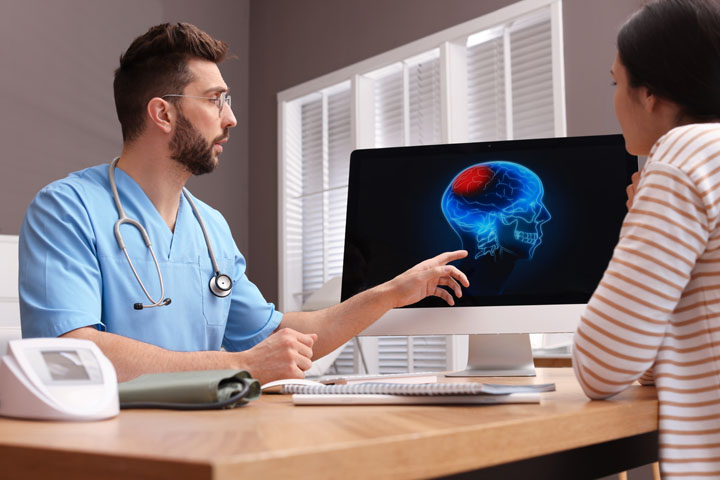
क्रॅनियोटॉमी ही एक शस्त्रक्रिया आहे, परंतु कोणत्याही एका विशिष्ट रोगावर उपचार करण्यासाठी नाही. क्रॅनिओटॉमी म्हणजे मेंदूच्या गाठीची शस्त्रक्रिया किंवा एपिलेप्सी शस्त्रक्रिया करण्यासाठी कवटी उघडणे. क्रॅनियोटॉमी या शब्दाचे दोन भाग आहेत: “क्रॅनिअम” आणि “ओटोमी”.

“क्रॅनिअम” हा शब्द लॅटिन भाषेतून आला आहे. याचा अर्थ कवटी. आणि “ओटोमी” हा शब्द ग्रीक भाषेतून आला आहे आणि त्याचा अर्थ शरीराचा एक भाग कापून टाकणे असा होतो. बहुतेक एलोपथी वैद्यकीय संज्ञा लॅटिन आणि ग्रीक भाषेतील आहेत. अशाप्रकारे, गॅस्ट्रोटॉमी म्हणजे पोटा काढणे, फॅरिंगोटॉमी म्हणजे घशाची पोकळी काढणे. त्याच प्रकारे, क्रॅनिओटॉमी म्हणजे कपाळ किंवा कवटी काढणे.

मेंदूच्या या शस्त्रक्रियेमध्ये मेंदूमध्ये प्रवेश करण्यासाठी कवटीचा एक भाग काढून टाकला जातो. शस्त्रक्रिया झाल्यावर हाड परत लावले जाते. क्रॅनिओटॉमी मेंदूतील गाठ काढून टाकण्यासाठी, मेंदूतील एन्युरिझमवर उपचार करण्यासाठी, एपिलेप्सीवर उपचार करण्यासाठी, सेरेब्रल हॅमरेजवर उपचार करण्यासाठी, इंट्राक्रॅनियल प्रेशर कमी करण्यासाठी केले जाते. अशा शस्त्रक्रिया न्यूरोसर्जन करतात.

भारतात मेंदूच्या शस्त्रक्रियेची किंमत

जेव्हा अशा मोठ्या शस्त्रक्रियेचा उल्लेख केला जातो तेव्हा खर्चाचा विषय येतोच. मेंदूच्या शस्त्रक्रियांसाठी एक लाख ते पाच लाख किंवा त्याहून अधिक खर्च येऊ शकतो. पण हा खर्च आयुष्मान भारत योजना, आरोग्य विमा किंवा नियोक्त्याने (नोकरी देणार्यांनी) दिलेल्या सुविधा असे पर्याय आहेत. तुम्हाला वरीलपैकी कोणतेही फायदे नसल्यास, वैद्यकीय विमा खरेदी करणे अत्यंत उचित आहे.

क्रॅनिओटॉमीच्या आधीची तयारी

रुग्ण सुरक्षितपणे प्रक्रिया पार पाडू शकतो याची पुष्टी करण्यासाठी विविध चाचण्या केल्या जातात. त्या म्हणजे:

  • शारीरिक परीक्षा
  • रक्त चाचण्या
  • न्यूरोलॉजिकल परीक्षा
  • मेंदूचे इमेजिंग (सीटी स्कॅन किंवा एमआरआय)
  • वैद्यकीय स्थितीवर आधारित डोक्यावर नक्की कुठे ऑपरेशन करायचे ते ठरवणे

शस्त्रक्रियेच्या आदल्या रात्री, रुग्णाला उपाशी ठेवतात. डोक्याच्या केसांचे मुंडन केले जाते.

प्रक्रियेदरम्यान, रुग्ण ऑपरेटिंग टेबलवर झोपतो. मेंदूच्या कोणत्या भागावर ऑपरेशन केले जात आहे यावर रूग्णाची स्थिती अवलंबून असते. तुमच्या हातामध्ये इंट्राव्हेनस लाइन घातली जाते. रुग्णाच्या मूत्राशयात मूत्र कॅथेटर लावतात. आणि नंतर सामान्य भूल (जनरल एनेस्थेशिया) दिली जाते. कवटी उघडण्याची शस्त्रक्रिया म्हणजे क्रेनियोटॉमी सर्जरीचा चाकू, मेडिकल ड्रिल आणि करवतीने केली जाते. मग ब्रेन ट्यूमरचे ऑपरेशन, एपिलेप्सी सर्जरी किंवा ब्रेन हॅमरेज असा जो काही रोग असेल त्याची शस्त्रक्रिया करतात. मग सर्जन ताबडतोब किंवा काही महिन्यांनंतर वायर, टाके किंवा प्लेट्सच्या मदतीने काढलेला हाडाचा तुकडा परत कवटीला जोडतात. शेवटी त्वचेवर टाके घेऊन किंवा सर्जीकल स्टेपल्स लावून जखम बंद करतात. जखमेवर स्टराईल (निर्जंतुकीकरण केलेले) ड्रेसिंग ठेवण्यात येते आणि निर्जंतुकीकरण केलेली मलमपट्टी किंवा बॅंडेज बांधले जाते. क्रॅनियोटॉमी शस्त्रक्रियेसाठी सुमारे तीन ते चार तास लागू शकतात.

क्रॅनियोटॉमीचे प्रकार

क्रॅनियोटॉमीचे अनेक प्रकार आहेत. प्रत्येक प्रकाराला शस्त्रक्रियेमध्ये वापरल्या जाणार्‍या तंत्र किंवा स्थानासाठी नाव दिले जाते.

स्टिरिओटॅक्टिक क्रॅनिओटॉमी

क्रॅनिओटॉमीमध्ये कवटीला स्टिरिओटॅक्टिक फ्रेमने फिक्स केले असल्यास आणि एमआरआय किंवा सीटी स्कॅन वापरल्यास, त्याला स्टिरिओटॅक्टिक क्रॅनिओटॉमी म्हणतात.

एंडोस्कोपिक क्रॅनिओटॉमी

एंडोस्कोपद्वारे कवटीच्या एका लहान चीराद्वारे केले जाते.

Table of Contents

जागृत क्रॅनियोटॉमी

रुग्ण जागृत असताना जागृत क्रॅनिओटॉमी केली जाते.

की-होल क्रॅनिओटॉमी

ब्रेन ट्यूमर काढून टाकण्यासाठी की-होल (शक्य तेवढ्या लहान छीद्रातून) क्रॅनिओटॉमी केली जाते. या शस्त्रक्रियेत कमीत कमी आकराची सर्जीकल जखम होते.

सुप्रा-ऑर्बिटल ‘आयब्रो’ क्रॅनिओटॉमी

सुप्रा-ऑर्बिटल म्हणजे डोळ्याच्या खाचांच्या वरची शस्त्रक्रिया. ही शस्त्रक्रिया मेंदूच्या पुढच्या भागात असलेला ब्रेन ट्यूमर काढण्यासाठी केली जाते.

टेरोनिअल (फ्रंटो टेम्पोरल) क्रॅनिओटॉमी

कवटीत टेरिऑन म्हणजे कपाळाचे हाड आणि टेम्पोरल, स्फेनोइड आणि पॅरायटल हाडे एकत्र होतात ते ठिकाण. यात टेरिऑनचा भाग काढून टाकतात.

ऑर्बिटो-झायगोमॅटिक क्रॅनिओटॉमी

काठण्यास अवघड असलेले ट्यूमर आणि एन्युरिझम्सचा उपचार ऑर्बिटो-झायगोमॅटिक क्रॅनिओटॉमीद्वारे केला जाऊ शकतो.

शल्यचिकित्सक कवटीच्या ज्या हाडांमुळे चेहेर्‍याचा गोलाकार आकार येतो त्या हाडांचा काही भाग तात्पुरता काढून टाकतो. नंतर ती हाडे परत जोडली जातात.

पोस्टरियर फोसा क्रॅनिओटॉमी

हे ऑपरेशन कवटीच्या पायथ्याशी एका चीराद्वारे केले जाते.

ट्रान्सलेबिरिन्थाइन क्रॅनिओटॉमी

ट्रान्सलेबिरिन्थाइन क्रॅनिओटॉमीमध्ये, सर्जन कानाच्या मागे चीरा करून ऑपरेशन करतात.

बायफ्रंटल क्रॅनिओटॉमी

बायफ्रंटल क्रॅनिओटॉमी, किंवा विस्तारित बायफ्रंटल क्रॅनिओटॉमी, पुढच्या मेंदूतील काढण्यास कठीण ट्यूमर काढण्यासाठी केली जाते.

क्रॅनिओटॉमी का केली जाते?

भारतात ब्रेन ट्यूमर शस्त्रक्रियेसाठी लागणारा खर्च विविध योजनांद्वारे सर्वांना परवडणारा होत असल्याने, या शस्त्रक्रिया अनेकदा केल्या जातात. मेंदूच्या खालील रोगांवर उपचार करण्यासाठी क्रॅनिओटॉमी केली जाते:

  • ट्यूमर
  • एन्युरिझम
  • संसर्ग
  • सूज (सेरेब्रल इडिमा)
  • कवटीच्या आत रक्तस्त्राव
  • रक्ताची गुठळी
  • मेंदूत संक्रमण व पस होणे
  • कवटीचे फ्रॅक्चर
  • ड्युरा मॅटर फाटणे
  • धमनी विकृती
  • आर्टिरिओव्हेनस फिस्चुला
  • इंट्राक्रॅनियल दाब वाढणे
  • अपस्मार (एपिलेप्सी)
  • पार्किन्सन रोगासारख्या सतत होणार्‍या हालचालीच्या विकारांसाठी उपकरणे रोपण करणे.

ब्रेन ट्यूमर काढून टाकल्यानंतर सहसा बायोप्सीसाठी पाठवले जाते. भारतात ब्रेन ट्यूमर शस्त्रक्रियेचा खर्च बहुतेक लोकांना वाटतो तितका जास्त नसतो.

क्रॅनिओटॉमी जोखीम व दुष्परिणाम

रुग्णाची विशिष्ट मेंदूची शस्त्रक्रिया आणि वैद्यकीय स्थिती आणि अनेक इतर घटक यावर दुष्परिणाम होणे आवलंबून असते. संभाव्य दुष्परिणाम खालील प्रमाणे असतात:

  • डोक्यावर जखमांचे व्रण
  • कवटीची हाडा काढल्यामुळे दिसणारा खड्डा
  • डोक्यात उपकरणे लावल्यामुळे दुखापत
  • चेहऱ्याच्या मज्जातंतूचे नुकसान
  • सायनसचे नुकसान
  • हाडांच्या काढलेल्या भागात किंवा त्वचेत संसर्ग
  • दौरे (फेफरं येणे)
  • मेंदूला सूज
  • सेरेब्रोस्पाइनल फ्लुइडची गळती
  • स्नायू कमकुवत होणे
  • स्ट्रोक

क्वचितच, क्रॅनिओटॉमीमुळे असे ही होऊ शकते:

  • बोलण्यात समस्या
  • स्मृती समस्या
  • चालतांना तोल राखण्याची समस्या
  • लकवा
  • कोमा

क्रॅनियोटॉमीमुळे सर्वसामान्य शस्त्रक्रियेमुळे होणारे दुष्परिणाम देखील होऊ शकतात, जसे की:

  • रक्तस्त्राव
  • रक्ताच्या गुठळ्या
  • न्यूमोनिया
  • जनरल ऍनेस्थेसियाचे दुष्परिणाम
  • अस्थिर रक्तदाब

या सर्व दुष्परिणामांविषयी सर्जन स्वताःच जास्त माहिती देऊ शकतात.

क्रॅनियोटॉमी नंतर बरे होण्याची प्रक्रिया

शस्त्रक्रियेनंतर लगेच रुग्णाला रिकव्हरी युनिट किंवा अतिदक्षता विभागात [ICU] नेले जाते. नर्सेस सतत रुग्णाच्या जीवनावश्यक गोष्टींचे बारकाईने निरीक्षण करतात कारण रूग्ण हळूहळू एनेस्थेशियाच्या परिणामातून बाहेर पडतो. त्यानंतर रुग्णाला वेगळ्या खोलीत नेले जाते. रुग्णालयात मुक्काम शस्त्रक्रियेच्या प्रकारावर अवलंबून असतो. परंतु सहसा एक आठवडा तरी रहावेच लागते.

या महत्त्वपूर्ण बरे होण्याच्या कालावधीत:

  • सूज टाळण्यासाठी डोके उंचावले जाते
  • ऑक्सिजन दिला जातो
  • न्युमोनिया टाळण्यासाठी खोल श्वास घेण्याचे व्यायाम आणि स्पायरोमेट्री शिकवली जाते
  • पायांभोवती विशेष टूर्निकेट्स बांधतात. त्या मध्ये हवा आलटून पालटून भरली जाते व बाहेर टाकली जाते. यामुळे पायांच्या स्नायुंना मसाज मिळतो व हे शिरामध्ये रक्ताच्या गुठळ्या होण्यास प्रतिबंध करते.
  • युरिनरी कॅथेटर अनेक दिवस मूत्राशयात ठेवतात.
  • मेंदू आणि शरीराची कार्ये तपासण्यासाठी वारंवार न्यूरोलॉजिकल तपासणी केली जाते.

रूग्णाला डिस्चार्ज मिळून घरी जाणे

क्रॅनियोटॉमीनंतर, डोक्याच्या जखमेची काळजी घेणे आवश्यक आहे. वेदना बरे होईपर्यंत आणि संसर्ग प्रतिबंधासाठी औषधे घेणे आवश्यक आहे. बरे व्हायला किमान सहा आठवडे लागू शकतात. रुग्णाने दैनंदिन नियमित क्रियाकलाप करताना अत्यंत काळजी घेणे आवश्यक आहे जसे की:

  • चालणे
  • बोलणे
  • ज्या क्रियाकलापांसाठी शक्ती आवश्यक असते
  • ज्या क्रियाकलापांसाठी समतोलता आवश्यक असते

फिझिओथेरपी, ऑक्युपेशनल थेरपी आणि स्पीच थेरपीचा घेणे अनेकदा आवश्याक असते. आणि अर्थातच, विश्रांती आवश्यक आहे. जखमेच्या ड्रेसिंगसाठी आणि मेंदूच्या कार्यात्मक मूल्यांकनासाठी रुग्णाला हॉस्पिटलमध्ये न्यावे लागते. मेंदूच्या शस्त्रक्रियेनंतर दीर्घ विश्रांतीची आवश्यकता असते. विश्रांतीच्या काळात रूग्ण काही काम धंधा करू शकत नाही आणि यामुळे भारतात मेंदूच्या शस्त्रक्रियेचा खर्च वाढतो.

क्रॅनिओटॉमी नंतरचे जीवन

रुग्ण पूर्णपणे बरा झाल्यानंतर, काळजी घेणे अजूनही महत्त्वाचे आहे. असे करणे हे भविष्यातील दुष्परिणाम टाळण्यासाठी आणि दीर्घकालीन आयुष्य सुधारण्यासाठी मदत करते. अशा मोठ्या शस्त्रक्रियेतून बरे झाल्यानंतर खालील गोष्टी करणे अत्यंत आवश्यक असते:

  • नियमित व्यायाम
  • सकस आहार
  • अल्कोहोल (दारू) मर्यादित किंवा टाळा
  • धूम्रपान सोडा
  • पुरेशी झोप घ्या

कॉम्प्लिकेशन्स – दुष्परिणाम

सर्व शस्त्रक्रियांप्रमाणे, क्रॅनिओटॉमीमुळे वेदना, रक्तस्त्राव, संसर्ग इत्यादी गुंतागुंत होऊ शकतात. परंतु असे झाल्यास सर्जन त्यांवर उपचार करतात. रुग्णांना गंभीर डोकेदुखी, फेफरे किंवा जखमेच्या संसर्गाची चिन्हे असल्यास त्यांनी ताबडतोब हॉस्पिटलशी संपर्क साधावा.

थोडक्यात…

क्रॅनिओटॉमी म्हणजे फक्त कवटी उघडणे. ही कोणती विशिष्ट शस्त्रक्रिया नाही. हे ऑपरेशन भारतातील मोठ्या आणि मध्यम आकाराच्या शहरांमध्ये केले जाऊ शकते. “आयुष्यमान भारत – प्रधान मंत्री जन आरोग्य योजनेद्वारे ” किंवा इतरांना वैद्यकीय विम्याद्वारे भारतात ब्रेन ट्यूमर शस्त्रक्रियेचा खर्च अगदी गरीबांनादेखील परवडणारा आहे.
Craniotomy surgery

Craniotomy surgery

Craniotomy surgery

By Dr. Ravindra Patil

Craniotomy is a surgery, but not to treat one specific disease. Craniotomy means opening the skull to do brain tumour surgery or epilepsy surgery. The word craniotomy has two parts: Cranium and Otomy.

The word Cranium originates from the Latin language. It means the skull. And ‘Otomy’ comes from the Greek language and it means cutting into a part of the body. Most medical terminology is from Latin and Greek. Thus, a gastrotomy would be cutting into the stomach, a pharyngotomy means cutting into the pharynx. In the same way, craniotomy means cutting into the cranium or skull.

In this surgery for the brain, a part of the skull is removed to access the brain. The bone is replaced when the surgery is done. Craniotomy is done to remove brain tumours, treat brain aneurysms, treat epilepsy, treat cerebral haemorrhage, to decrease intracranial pressure and so on. Neurosurgeons performs the procedure.

Cost of brain surgery in India

When such a major surgery is mentioned, the subject of cost must be cleared. Brain surgeries may cost between one lakh to five lakhs or more. But there are options like Ayushman Bharat Yojana, health insurance or employer given benefits to cover the costs. If you have none of the above benefits, it is highly advisable to buy a medical insurance.

Before a craniotomy procedure

Various tests are done to confirm that the patient can safely undergo the procedure. They are:

  • Physical exam
  • Blood tests
  • Neurological exam
  • Imaging of the brain (ct or mri)
  • Determination of the surgical site based on the medical condition

On the night before surgery, the patient will be NBM [nil by mouth]. Scalp will be shaven.

During the procedure the patient lies down on the operating table. The position depends on the part of the brain being operated on. Intravenous line is inserted into your arm or hand. A urinary catheter into the patient’s bladder. And then general anaesthesia is given. Surgery is done with a knife, a medical drill and a saw. Then the brain tumour operation, epilepsy surgery or brain haemorrhage is done. Then the surgeons fix the bone with wires, stitches, or plates either immediately or a few months later. Finally the skin will be stitched or stapled. A sterile dressing and a sterile bandage are applied. Craniotomy surgery may take about three to four hours.

Types of Craniotomy

There are many types of craniotomies. Each type is named for the technique or location used in the surgery.

Stereotactic craniotomy

If in a craniotomy the skull is fixated with a stereotactic frame and uses an MRI or CT scan, it’s called a stereotactic craniotomy.

Endoscopic craniotomy

Done through a tiny incision in the skull through an endoscope.

Awake craniotomy

Table of Contents

An awake craniotomy is done while the patient is awake.

Keyhole craniotomy

A keyhole craniotomy is used to remove brain tumours. It’s a minimally invasive surgery.

Supra-orbital ‘eyebrow’ craniotomy

A supra-orbital means surgery above the eye sockets, done to remove brain tumours in the front of the brain.

Pteronial (frontotemporal) craniotomy

In the skull, the pterion is where the frontal, temporal, sphenoid, and parietal bones meet. It involves removing part of the pterion.

Orbitozygomatic craniotomy

Difficult tumours and aneurysms may be treated with an orbitozygomatic craniotomy. The surgeon temporarily removes part of the bone that creates the curve of your orbit, or eye socket, and cheek.

Posterior fossa craniotomy

This is done through an incision at the base of the skull.

Translabyrinthine craniotomy

In a translabyrinthine craniotomy, the surgeon makes a cut behind a ear.

Bifrontal craniotomy

A bifrontal craniotomy, or extended bifrontal craniotomy, is done to remove difficult tumours in front of the brain.

Why is a craniotomy done?

As the cost for brain tumour surgery in India is becoming affordable through various schemes to everybody, these surgeries are done often. A craniotomy is done to treat the following conditions of the brain:

  • Tumour
  • Aneurysm
  • Infection
  • Swelling (cerebral oedema)
  • Bleeding inside the skull
  • Blood clot
  • Brain abscess
  • Skull fracture
  • Dura mater tear
  • Arteriovenous malformation
  • Arteriovenous fistula
  • Raised Intracranial pressure
  • Epilepsy
  • To implant devices for movement disorders like Parkinson’s disease.

A brain tumour after removal is usually sent for a biopsy. Brain tumour surgery cost in India is not as high as most people think.

Craniotomy risks, side effects, and complications

The risk of complications depends on many factors, including the patient’s specific brain surgery and medical condition. Possible complications include:

  • Head scarring
  • Dent where bone flap was removed
  • Injury from the head device
  • Facial nerve damage
  • Damage to the sinuses
  • Infection of the bone flap or skin
  • Seizures
  • Brain swelling
  • Leaking of cerebrospinal fluid
  • Muscle weakness
  • Stroke

Rarely, a craniotomy may lead to:

  • speech problems
  • memory problems
  • balance issues
  • paralysis
  • coma

A craniotomy can also cause general surgical side effects like:

  • Bleeding
  • Blood clots
  • Pneumonia
  • Reaction to general anesthesia
  • Unstable blood pressure

However, the surgeon is the best person who can explain about these complications.

Recovery following craniotomy

Immediately after surgery the patient is taken to the recovery unit or intensive care unit [ICU]. Nurses closely monitor the patient’s vitals as he/she gradually come out of anaesthesia. Then the patient is shifted to a room. Hospital stay will depend on type of surgery but may be as long as a week.

During this crucial recovery period:

  • Head is elevated to prevent swelling
  • oxygen is given
  • Deep-breathing exercises and spirometry are taught to prevent pneumonia
  • Special tourniquets are wound around legs into which air is pumped in and out alternately. This gives massage to the muscles of the calves and thighs. This prevents blood clots in veins.
  • The urinary catheter stays in the urinary bladder for several days.
  • Frequent neurological check-ups are done to check brain and body functions.

At home

After a craniotomy, the head wound care is critical. Medicines for pain and infection prevention are to be taken till the would heals. Recovery may take at least 6 weeks. The patient must take extreme care while attempting routine activities like:

  • Walking
  • Talking
  • Activities needing strength
  • Activities needing Balance

Physiotherapy, occupational therapy and speech therapy is usually advised. And of course, rest is necessary. The patient needs to visit his/her hospital for wound dressing and functional brain assessment. A long rest is required after brain surgery and during that time the patient cannot do any productive earning work, and this increases the brain surgery cost in India.

Life after craniotomy

After the patient has fully recovered, it’s still important to take care. This will help manage future complications and improve the long-term outlook. After recovering from such a major surgery, it is highly advisable to:

  • Exercise regularly
  • Eat a healthy diet
  • Limit or avoid alcohol
  • Quit smoking
  • Get enough sleep

Complications

Like in all surgeries, a craniotomy can cause complications like pain, haemorrhage, infection and so on. But surgeons will treat them if the occur. Patients must contact the hospital immediately if he/she has severe headaches, seizures, or signs of a wound infection.

To summarise…

Craniotomy means opening the bone, not a specific surgery. It can be done in large and medium sized cities in India. Cost of brain tumour surgery in India is affordable even to the poorest through AB-PMJAY yojana or through medical insurance to others.

Epilepsy surgery

Epilepsy surgery

Epilepsy surgery

By Dr. Ravindra Patil

Overview

Epilepsy is a brain disorder that causes seizures or unusual sensations and behaviour. Medicines can control seizures. But sometimes medicines do not work and brain surgery for seizures or brain surgery for epilepsy is done.

Epilepsy brain surgery is not the first line of treatment, because it is a super major surgery. But surgery for epilepsy is most effective when seizures always occur in a single location in the brain. So, every epileptic patient does not get relief from seizures after brain surgery.

Special tests can determine if a patient is eligible for epilepsy surgery.

In epilepsy brain surgery a part area of the brain where seizures occur is removed.

Table of Contents

Goal of Epilepsy Surgery

Is to limit seizures after brain surgery, limit their severity with or without the use of medications.

How Do Seizures Kill

Poorly controlled epilepsy can have complications like:

  • Physical injuries during a seizure – a head injury can cause permanent disability or death
  • Drowning, if the seizure occurs during a bath or swimming
  • Depression and anxiety
  • It delays growth in children
  • Sudden death, a rare complication of epilepsy
  • Memory and other thinking skills loss

Types of epilepsy surgery

The type of brain surgery for seizures depends on the location of the electrical disturbance in the brain and the age of the patient:

  • Resective surgery, the most common epilepsy surgery, is the removal of a small portion of the temporal lobes of the brain.
  • MRI guided Laser interstitial thermal therapy uses a laser to pinpoint and destroy a small portion of brain tissue.
  • Just as a pacemaker controls heart rhythms, an implantable device for the brain detects abnormal activity and corrects it – before a person with epilepsy experiences a seizure. This innovative device is called a neurostimulator or a seizure pacemaker. It is a proven treatment for adults who have disabling seizures not controlled by medication.
  • MRI guided Deep Brain Stimulation is a permanently implanted seizure pacemaker in patient’s chest, which stimulates deep inside the brain. It releases regularly timed electrical signals that disrupt abnormal seizure-inducing activity.
  • Corpus callosotomy is a surgery to completely or partially remove part of the brain that connects nerves on the right and left sides of the brain.
  • Hemispherectomy removes one side of the gray matter of the brain.
  • Functional hemispherectomy is used in children that removes the connection nerves without removing actual brain.

Risks of brain surgery for epilepsy

Different areas of the brain control different functions. Therefore, risks vary depending on the surgical site and the type of surgery. The surgical team will help patients or their relatives understand the specific risks of your procedure, as well as the strategies the team will use to reduce the risk of complications. Risks may include the following:

  • Memory and language problems
  • Visual impairment
  • Depression, mood changes
  • Headache
  • Stroke
  • Seizure after brain surgery

Before operation

Special tests will detect exactly which brain part is to be operated upon.

  • Baseline electroencephalogram (EEG).
  • Continuous EEG with video monitoring records seizures as they occur. Evaluating EEG with during a seizure helps pinpoint the area of your brain to be operated.
  • MRI imaging to identify damaged cells, tumours or other abnormalities that can cause seizures.
  • Invasive EEG monitoring.
  • Video Invasive EEG monitoring.
  • PET scan: measures brain function.
  • Single-photon emission computerized tomography (SPECT) measures blood flow in the brain during a seizure.

Evaluations to understand brain function

Depending on the surgical site, your team may recommend tests to determine the precise areas of the brain that control language, sensory functions, motor skills or other critical functions. This information helps surgeons preserve function to the greatest extent possible when removing or altering a site in your brain. They are:

  • Functional MRI identifies regions of brain activity when you’re doing a particular task, such as listening or reading. This helps the surgeon know the precise locations in your brain that control a particular function.
  • Wada test. With this test, an injected medication temporarily puts one side of brain to sleep at a time. You’re then administered a test for language and memory function. This test can help determine which side of your brain is dominant for your language usage.
  • Brain mapping. Small electrodes match tasks with measurements of brain’s electrical activity.

Neuropsychological tests

Additionally, testing is usually recommended to measure verbal and nonverbal learning skills and memory function. These tests may provide additional insight into the area of the brain affected by seizures, as well as a baseline for measuring function after surgery.

How is surgery done

Hair will be shaved over the section of your skull that before the operation. IV tubes will be placed in veins and pre-operative medicines will be given

General anaesthesia is given. In some cases, awake surgery is done, more details are given at the end. Awake surgery helps save parts brain which control language and movement. But the patient feels no pain.

The surgeon operated through a small window in the skull after surgery the window of bone is replaced and fastened to the remaining skull for healing. Pain is reduced with appropriate medicine. Antibiotics are given to prevent infection. Total hospital stay for epilepsy surgeries will be about three to seven days.

Returning to work or school may take one to three months. Normal activity must started gradually.

Results

The outcomes of epilepsy surgery vary depending on the type of surgery performed. The best expected outcome is seizure control without medication.

The most common and best-understood procedure — resection of tissue in the temporal lobe — results in seizure-free outcomes for about two-thirds of people. Studies suggest that if you do not have a seizure in the first year after temporal lobe surgery — with medication — the likelihood of being seizure-free at two years is 87% to 90%. If you have not had a seizure in two years, the likelihood of being seizure-free is 95% at five years and 82% at 10 years.

If a patient remains seizure-free for at least one year, medicines may be discontinued. If seizures occur, they are controlled by medicines.

Awake brain surgery

Awake brain surgery is a type of brain surgery for seizure performed on the brain while the patient is awake and alert. Awake brain surgery is used to treat some brain (neurological) conditions, including some brain tumours or epileptic seizures.

To summarise, surgery on the brain for epilepsy is useful for those people whose seizures originate from one part of the brain. It is a procedure for seizure which is useful when medicines don’t work.

एपिलेप्सी (अपस्मार) शस्त्रक्रिया

एपिलेप्सी (अपस्मार) शस्त्रक्रिया

एपिलेप्सी (अपस्मार) शस्त्रक्रिया

By Dr. Ravindra Patil

आढावा

एपिलेप्सी हा मेंदूचा विकार आहे की ज्यामुळे दौरे (फेफरं) किंवा असामान्य संवेदना आणि वर्तन होते. औषधे फेफरे येणे वगैरेचा त्रास कमी करू करू शकतात. परंतु काहीवेळा औषधे काम करत नाहीत आणि फेफरेसाठी मेंदूची शस्त्रक्रिया किंवा अपस्मारासाठी मेंदूची शस्त्रक्रिया केली जाते.

एपिलेप्सी च्या उपचारासाठी मेंदूची शस्त्रक्रिया हा सर्वप्रथम उपचार नाही, कारण ती एक मोठी शस्त्रक्रिया आहे. त्या शिवाय अपस्मारासाठी शस्त्रक्रिया सर्वात प्रभावी तेव्हा असते जेव्हा मेंदूच्या एकाच ठिकाणातील रोगामुळे फेफरे येतात. त्यामुळे, प्रत्येक अपस्माराच्या रुग्णाला मेंदूच्या शस्त्रक्रियेनंतर फेफरे येण्यापासून आराम मिळत नाही.

कुठलाही एपिलेप्सीचा रुग्ण शस्त्रक्रियेसाठी पात्र आहे की नाही हे विशेष चाचण्या करून ठरवतात.

मेंदूच्या एपिलेप्सी शस्त्रक्रियेमध्ये मेंदूचा तो भाग काढून टाकला जातो की ज्यामुळे फेफरे येतात.

Table of Contents

एपिलेप्सी शस्त्रक्रियेचे ध्येय

मेंदूच्या शस्त्रक्रियेनंतर झटके मर्यादित करणे, औषधे देऊन किंवा न देऊन फेफरांची तीव्रता मर्यादित करणे.

फेफरांचे दौरे कसे घातक होऊ शकतात

असमाधानकारकपणे नियंत्रित केलेल्या एपिलेप्सीमध्ये असे दुष्परिणाम होऊ शकतात:

  • जप्ती दरम्यान शारीरिक इजा – डोक्याला दुखापत झाल्यास कायमचे अपंगत्व किंवा मृत्यू होऊ शकतो
  • आंघोळ करताना किंवा पोहताना जप्ती आली तर बुडणे
  • नैराश्य आणि चिंता
  • यामुळे लहान मुलांच्या शारीरिक व मानसिक वाढीत विलंब होतो
  • आकस्मिक मृत्यू (हे अपस्मारचे दुर्मिळ कॉम्प्लिकेशन आहे)
  • स्मरणशक्ती आणि इतर विचार कौशल्य कमी होणे

एपिलेप्सी शस्त्रक्रियेचे प्रकार

दौरे कमी करण्यासाठी कोणती शस्त्रक्रिया करायची हे प्रकार मेंदूतील विद्युत गडबडीचे स्थान कुठे आहे आणि रुग्णाचे वय किती आहे यावर अवलंबून असते:

  • रेसेक्टिव्ह सर्जरी, सर्वात सामान्य एपिलेप्सी शस्त्रक्रिया म्हणजे मेंदूच्या टेम्पोरल लोबचा एक छोटासा भाग काढून टाकणे.
  • MRI मार्गदर्शित लेझर इंटरस्टिशियल थर्मल थेरपी – यात मेंदूच्या ऊतींचा एक लहान भाग लेसरने शोधतात आणि नष्ट करतात.
  • हृदयात जसा पेसमेकर हृदयाच्या तालांवर नियंत्रण ठेवतो, त्याचप्रमाणे मेंदूसाठी पण एक प्रत्यारोपण करण्यायोग्य उपकरण असते. अपस्मार असलेल्या व्यक्तीला दौरा येण्यापूर्वी हे उपकरण मेंदूतील असामान्य क्रियाकलाप ओळखते आणि लगेच ते दुरुस्त करते. ज्या प्रौढ रूग्णांना जप्तीचे दौरे औषधांद्वारे नियंत्रित केले जाऊ शकत नाहीत त्याच्या साठी हे अभिनव उपकरण (याला न्यूरोस्टिम्युलेटर किंवा सिझ्यर (जप्ती) पेसमेकर म्हणतात) एक सिद्ध उपचार आहे.
  • एमआरआय मार्गदर्शित डीप ब्रेन स्टिम्युलेशन हे रुग्णाच्या छातीत कायमचे प्रत्यारोपित केलेले जप्ती पेसमेकर आहे, जे मेंदूच्या आत खोलवरची जागा उत्तेजित करते. हे नियमितपणे कालबद्ध विद्युत सिग्नल सोडते. हे सिग्नल असामान्य जप्ती-प्रेरित क्रियाकलापात व्यत्यय आणतात आणि जप्तीचे दौरे कमी करतात.
  • कॉर्पस कॅलोसोटॉमी – ही मेंदूच्या उजव्या आणि डाव्या बाजूंच्या मज्जातंतूंना जोडणारा मेंदूचा भाग पूर्णपणे किंवा अंशतः काढून टाकण्याची शस्त्रक्रिया आहे.
  • हेमिस्फेरेक्टॉमी मेंदूच्या ग्रे मॅटरची एक बाजू काढून टाकते.
  • मुलांमध्ये फंक्शनल हेमिस्फेरेक्टॉमी वापरली जाते जी वास्तविक मेंदू न काढता कनेक्शनच्या नसा काढून टाकते.

एपिलेप्सीसाठी केलेल्या मेंदूच्या शस्त्रक्रियेचे धोके

मेंदूचे वेगवेगळे क्षेत्र वेगवेगळे कार्य नियंत्रित करतात. त्यामुळे, शस्त्रक्रियेची जागा आणि शस्त्रक्रियेच्या प्रकारानुसार जोखीम बदलू शकतात. सर्जिकल टीम रूग्णाला व त्याच्या नातेवाईकांना प्रक्रियेचे विशिष्ट धोके समजून घेण्यास मदत करेल, तसेच गुंतागुंत होण्याचा धोका कमी करण्यासाठी काय करण्यात येईल ते समजावेल. ऑपरेशनच्या जोखमींमध्ये खालील गोष्टींचा होउ शकतात:

  • स्मृती आणि भाषा समस्या
  • दृष्टीदोष
  • नैराश्य, मूड बदलणे
  • डोकेदुखी
  • स्ट्रोक
  • मेंदूच्या शस्त्रक्रियेनंतर जप्ती

ऑपरेशन करण्यापूर्वी

विशेष चाचण्यांद्वारे मेंदूच्या नेमक्या कोणत्या भागावर शस्त्रक्रिया करायची आहे हे कळेल. खालील तपासण्या करतात…

  • बेसलाइन इलेक्ट्रोएन्सेफॅलोग्राम (EEG).
  • जप्ती आल्यावर सतत व्हिडिओ मॉनिटरिंग रेकॉर्ड करतात. जप्तीच्या वेळी ईईजीचे मूल्यांकन केल्याने रोग्याच्या मेंदूचे ऑपरेशन केले जाणारे क्षेत्र निश्चित करण्यात मदत होते.
  • ज्यामुळे दौरे होऊ शकतात अशा खराब झालेले पेशी, ट्यूमर किंवा इतर विकृती MRI इमेजिंगने ओळखता येतात..
  • आक्रमक ईईजी निरीक्षण.
  • व्हिडिओ इनवेसिव्ह ईईजी मॉनिटरिंग.
  • पीईटी स्कॅन: मेंदूचे कार्य मोजते.
  • सिंगल-फोटॉन उत्सर्जन संगणकीकृत टोमोग्राफी (SPECT) जप्तीच्या वेळी मेंदूतील रक्त प्रवाह मोजते.

मेंदूचे कार्य समजून घेण्यासाठी मूल्यांकन

भाषा, संवेदी कार्ये, मोटर कौशल्ये किंवा इतर गंभीर कार्ये नियंत्रित करणारे मेंदूचे अचूक क्षेत्र निर्धारित करण्यासाठी सर्जन्सची टीम अनेक तपासण्या करते. हे सर्जिकल साइटवर अवलंबून असते. ही माहिती सर्जनला मेंदूतील काही भाग काढून टाकताना कोणता भाग कार्य जतन करण्यासाठी जपून ठेवायचा ते कळते.

  • जेव्हा तुम्ही ऐकणे किंवा वाचणे यासारखे विशिष्ट कार्य करत असता तेव्हा कार्यात्मक MRI मेंदूच्या क्रियाकलापांचे क्षेत्र ओळखते. हे सर्जनला तुमच्या मेंदूतील विशिष्ट कार्य नियंत्रित करणारी नेमकी ठिकाणे जाणून घेण्यास मदत करते.
  • वाडा चाचणी (Wada test). या चाचणीत इंजेक्ट केलेले औषध मेंदूच्या एका बाजूला तात्पुरते झोपवते. त्यानंतर भाषा आणि मेमरी कार्यांसाठी चाचणी केली जाते. ही चाचणी तुमच्या मेंदूची कोणती बाजू तुमच्या भाषेच्या वापरासाठी प्रबळ आहे हे निर्धारित करण्यात मदत करू शकते.
  • मेंदूचे मॅपिंग. लहान इलेक्ट्रोड्स मेंदूच्या विद्युत क्रियाकलाप व कार्य यांना जुळवतात.

न्यूरोसायकोलॉजिकल चाचण्या

याव्यतिरिक्त, सामान्यतः मौखिक आणि गैर-मौखिक शिक्षण कौशल्ये आणि मेमरी फंक्शन मोजण्यासाठी चाचणीची शिफारस केली जाते. या चाचण्या जप्तीमुळे प्रभावित मेंदूच्या क्षेत्रामध्ये होणार्‍या बदलांची अतिरिक्त माहिती देतात. तसेच शस्त्रक्रियेनंतर कार्य मोजण्यासाठी आधारभूत माहिती प्रदान करू शकतात.

शस्त्रक्रिया कशी केली जाते

ऑपरेशनपूर्वी कवटीच्या भागावर केस मुंडले जातील. नसेत सुई द्वारा नळ्या लावल्या जातील आणि शस्त्रक्रियापूर्व औषधे दिली जातील.

सामान्य भूल (जनरल एनेस्थेशिया) दिली जाते. काही प्रकरणांमध्ये, जागृत शस्त्रक्रिया केली जाते, अधिक माहिती या लेखाच्या शेवटी दिली आहे. जागृत शस्त्रक्रिया मेंदूचे असे भाग वाचवण्यास मदत करते की जे भाषा आणि हालचाल नियंत्रित करतात. रूग्ण जरी जागा असला तरी जागृत शस्त्रक्रियेत रुग्णाला वेदना होत नाहीत.

सर्जन कवटीच्या एका लहान छीद्रातून शस्त्रक्रिया करतात. शस्त्रक्रियेनंतर सर्जन कवटी मध्ये झालेले छीद्र कवटीच्या काढलेल्या हाडांनी बंद करतात. योग्य औषधांनी वेदना कमी करण्यात येतात. संसर्ग टाळण्यासाठी प्रतिजैविके औषधे (एन्टीबायोटीक्स) दिली जातात. एपिलेप्सी शस्त्रक्रियेसाठी एकूण रुग्णालयात मुक्काम तीन ते सात दिवसांचा असु शकतो.

ऑपरेशन नंतर कामावर किंवा शाळेत परत येण्यासाठी एक ते तीन महिने लागू शकतात. सामान्य क्रियाकलाप हळूहळू सुरू करणे आवश्यक आहे.

परिणाम

एपिलेप्सी शस्त्रक्रियेचे परिणाम शस्त्रक्रियेच्या प्रकारानुसार बदलतात. अपेक्षित परिणाम म्हणजे औषधोपचारा शिवाय जप्ती बंद होणे.

सर्वात सामान्य आणि सर्वोत्कृष्ट समजली जाणारी प्रक्रिया म्हणजे मेंदूच्या टेम्पोरल लोबमधील ऊतींचे विच्छेदन — याने सुमारे दोन-तृतीयांश लोकांना जप्ती पासून मुक्ती मिळते. शास्त्रीय अभ्यास असे सूचित करतात की जर टेम्पोरल लोब सर्जरीनंतर औषधे घेऊन पहिल्या वर्षात जप्ती आली नाही तर दोन वर्षात जप्तीमुक्त होण्याची शक्यता 87% ते 90% आहे. जर तुम्हाला दोन वर्षात जप्ती आली नसेल, तर पाच वर्षात 95% आणि 10 वर्षात 82% जप्तीमुक्त होण्याची शक्यता आहे.

जर एखादा रुग्ण कमीत कमी एक वर्ष जप्तीमुक्त राहिला तर औषधे बंद केली जाऊ शकतात. फेफरे आल्यास ते औषधांद्वारे नियंत्रित केले जातात.

जागृत मेंदू शस्त्रक्रिया

जागृत मेंदूची शस्त्रक्रिया ही एक प्रकारची मेंदूची शस्त्रक्रिया आहे जी रुग्ण जागृत आणि सतर्क असताना मेंदूवर केली जाते. जागृत मेंदूच्या शस्त्रक्रियेचा उपयोग काही मेंदूच्या (न्यूरोलॉजिकल) स्थितींवर उपचार करण्यासाठी केला जातो, ज्यामध्ये काही मेंदूच्या गाठी किंवा अपस्माराच्या झटक्यांचा समावेश होतो.

सारांश, अपस्मारासाठी मेंदूवरील शस्त्रक्रिया अशा लोकांसाठी उपयुक्त आहे ज्यांना मेंदूच्या एकाच भागातून फेफरे येतात. हा जप्तीचा उपचार जेव्हा औषधे काम करत नाहीत तेव्हा उपयोगी होतो.