बालरोगशास्त्रातील पोषण-कमतरता

Nutrition Deficiency- Samarth

बालरोगशास्त्रातील पोषण-कमतरता

By Dr.Ravindra Patil

आहार

जन्मापासून संपूर्ण आयुष्यभर घेतलेला सकस आहार कुपोषणाच्या सर्व प्रकारांना तसेच मोठ्या प्रमाणात असंसर्गजन्य रोग टाळण्यास मदत करतो. परंतु झपाट्याने होणार्‍या शहरीकरणामुळे प्रक्रिया केलेल्या खाद्यपदार्थांचा वाढता वापर आणि बदलती जीवनशैली यामुळे आपल्या आहाराच्या पद्धतीं,मध्ये खूप बदल झाला आहे.

लोकं ऊर्जा (एनर्जी व कॅलरीज युक्त), चरबी, शर्करा, मीठ वगैरे जास्त प्रमाणात असलेले पदार्थ जरूरी पेक्षा जास्त पदार्थ खातात. तसेच बरेच लोक पुरेशी फळे, भाज्या आणि आहारातील फायबरयुक्त (रेशा) गोष्टी, जसे की संपूर्ण धान्य वगैरे खात नाहीत. हे सर्व कारणे असमतोल खुराकास कारणीभूत ठरतात.

संतुलित आहार असा असतो की ज्यामध्ये योग्य प्रमाणात विविध प्रकारचे खाद्यपदार्थ असतात की ज्यामुळे शरीरात चैतन्य आणि आरोग्य राखण्यासाठी सर्व पोषक तत्वांची गरज पुरेशा प्रमाणात पूर्ण केली जाते. त्याच बरोबर थोड्या अतिरिक्त पोषक तत्वांची अल्प तरतूद केली जाते, की जी कधीकाळी पोषक तत्वे कमी पडल्यास त्यांची उणिव भरून काढतात.

हल्लीच्या काळात अन्न समस्यां मध्ये चिंतेचे प्रमुख म्हणजे अन्न/पोषक घटकांचे अपुरे/असंतुलित सेवन. भारतातील सर्वात सामान्य पौष्टिक समस्यांपैकी एक म्हणजे जन्माच्या वेळचे वजन कमी असलेली बाळे, लहान मुलांमध्ये प्रोटीन-एनर्जी कुपोषण, प्रौढांमध्ये उर्जेची कमतरता, सूक्ष्म पोषक तत्वांचे कुपोषण आणि अयोग्य आहारांमुळे होणारे असंसर्गजन्य रोग. देशातील मानव संसाधन विकासासाठी आरोग्य आणि पोषण हे सर्वात महत्वाचे घटक आहेत.

Table of Contents

WHO च्या नुसार

  • आयुष्याच्या पहिल्या 6 महिन्यांत लहान मुलांना फक्त स्तनपान दिले पाहिजे.
  • 6 महिन्यांनंतर लहान मुलांसाठी फक्त आईचे दूध पुरेसे नसते. 6 महिन्यांनंतर स्तनपानाव्यतिरिक्त पूरक आहार द्यावा.
  • कमी खर्चात घरी बनवलेला उच्च कॅलरी असलेला पौष्टिक पूरक आहार द्या.
  • लहान मुले एकाच वेळी जास्त अन्न खाऊ शकत नाहीत म्हणून त्यांना अनेक वेळा, दिवसातून 3-4 वेळा, थोडे थोडे खायला द्यायला पाहिजे.
  • अन्न मऊ असावे जेणेकरून लहान मुलांना ते सहज गिळता येईल. संतुलित आहार ही आपल्या मुलांना पोषणाच्या कमतरतेपासून वाचवण्याची करण्याची गुरुकिल्ली आहे.
  • लहान मुलांसाठी पूरक अन्न तयार करताना आणि खायला घालताना स्वच्छते कडे नक्की लक्ष द्या, नाहीतर कारण लहान मुलांना संसर्ग होण्याची शक्यता असते.
  • लहान मुलांना जंक फूड देऊ नका.

वाढत्या मुलासाठी आहार

जी मुले संतुलित आहार घेतात त्या मुलांचा निरोगी आणि सक्रिय जीवनशैलीचा भक्कम पाया बनतो. यामुळे त्यांना दीर्घकालीन आरोग्य समस्यांचा धोका कमी होतो. बालपणाचा काळ शारीरिक वाढीसाठी, मनाच्या विकासासाठी आणि संक्रमणांशी लढण्यासाठी सर्वात महत्वाचा काळ असतो. त्यामुळे मुलांना ऊर्जा, प्रथिने (प्रोटीन), जीवनसत्त्वे आणि खनिजे हे योग्य प्रमाणात मिळणे अत्यंत आवश्यक आहे. मुलांसाठी पूरक अन्न तयार करताना आणि त्यांना भरवतांना स्वच्छतेचे नियम पाळायला पाहिजेत. हात धुवून मगच मुलांचे जेवण बनवावे अथवा त्यांना भरवावे. अन्यथा मुलांना जुलाबाचे विकार होऊ शकतात.

चांगल्या अन्नाचे पर्याय:

  • दूध, चीज, दही.
  • पालक, ब्रोकोली आणि सेलेरी यांसारख्या भाज्या, त्यांत कॅल्शियम भरपूर असते.
  • मुलांना संपूर्ण धान्ये जशी की गहू, तपकिरी तांदूळ (म्हणजे ब्राऊन राईस), शेंगदाणे, भाजीपाल्यातील तेलं, बटाटे, रताळे, केळी सारख्या उर्जायुक्त भाज्या व फळे हे दररोज द्या.
  • प्रथिने (प्रोटीन्स) स्नायूंच्या निर्मितीसाठी, दुरुस्तीसाठी आणि वाढीसाठी आणि प्रतिपिंडे (एन्टीबॉडीज) तयार करण्यासाठी आवश्यक असतात. त्यामुळे त्यांना मांस, अंडी, मासे आणि दुग्धजन्य पदार्थ असलेला आहार द्या.
  • शरीराला योग्यरित्या कार्य करण्यासाठी आणि रोगप्रतिकारक शक्ती वाढवण्यासाठी मुलांच्या आहारात जीवनसत्त्वे विविध रंगांची फळे आणि भाज्या घालाव्यात.
  • व्हिटॅमिन डी हाडांच्या वाढीस मदत करते आणि जेवणातून कॅल्शियम शोषण्यासाठी आवश्यक असते. माशांचे तेल, फॅटी फिश, मशरूम, चीज आणि अंड्यातील पिवळा बलक यांसारख्या काही खाद्यपदार्थांपासून व्हिटॅमिन डी मिळते. सूर्यप्रकाशाने पण व्हिटॅमिन डी मिळते.
  • मासिक पाळी सुरू झाल्यामुळे किशोरवयीन मुलींना मुलांपेक्षा जास्त शारीरिक बदल आणि मानसिक ताण जाणवतो. म्हणूनच, किशोरवयीन मुलींनी अॅनिमियापासून बचाव करण्यासाठी जीवनसत्त्वे आणि खनिजांनी (खास करून लोह असलेले) समृद्ध आहार द्यावे.
  • आजारपणात भरपूर द्रव पदार्थ द्या. तसेच बाळाला संक्रमणाच्या काळात आणि नंतर अधिक खाणे आवश्यक आहे. त्याने पोषण योग्य राहते.
  • मुलाचे शरीर हायड्रेट करण्यासाठी त्यांनी वयाप्रमाणे एक ते अडीच लिटर पाणी प्यावे. सॉफ्ट ड्रिंक्स आणि इतर पॅकेज केलेल्या पेयांपेक्षा पाणी/ताक/लस्सी/फळांचे रस/नारळ पाणी पिण्यास प्राधान्य दिले जावे.

पौष्टिकतेची कमतरता

पौष्टिकतेच्या कमतरतेमुळे अनेक रोग आणि विकृती निर्माण होतात. पौष्टिकतेची कमतरता जगभरात प्रचलित आहे. पौष्टिकतेच्या कमतरते मुळे दीर्घकालीन आरोग्य समस्या उद्भवू शकतात जसे की मुडदूस (रिकेट्स), लोहाची (आयर्न) कमतरता व त्यामुळे एनिमिया, अशक्तपणा, थायरॉइटची गाठ (गॉयटर), लठ्ठपणा, कोरोनरी हृदयरोग, टाइप 2 मधुमेह, स्ट्रोक, कर्करोग आणि ऑस्टिओपोरोसिस.

मुलांमध्ये सामान्य पौष्टिक कमतरतेमुणे होणारे रोग

लोह कमतरता

विविध प्रकारच्या शारीरिक कार्यांसाठी मुलांना लोहाची गरज असते. हा हिमोग्लोबिनचा एक भाग आहे, जे एक प्रथिन (प्रोटीन) आहे व फुफ्फुसातून उर्वरित शरीरात ऑक्सिजन वाहून नेते व तेथे स्नायूंना ऑक्सिजन साठवण्यात आणि वापरण्यात मदत करते. पुरेशा लोहाशिवाय मुले अशक्त होऊ शकतात आणि त्यामुळे इतर दुर्बल परिस्थितीं उत्पन्न होतात. त्यामध्ये सुस्ती आणि अयोग्य संज्ञानात्मक कार्य होऊ शकते. जेवणात मांस, कोंबडी, सीफूड, बीन्स, मटार, मसूर, गडद हिरव्या पालेभाज्या, सुकामेवा, लोहयुक्त तृणधान्ये, ब्रेड आणि पास्ता वगैरेमधून लोह मिळू शकते.

व्हिटॅमिन-डी ची कमतरता

गॅस्ट्रोइंटेस्टाइनल ट्रॅक्टमध्ये (म्हणजे पोटापासून आतड्यांपर्यंत) लोह, मॅग्नेशियम, फॉस्फेट आणि झिंकसह कॅल्शियम शोषण्यासाठी व्हिटॅमिन डी आवश्यक आहे. हाडांच्या चांगल्या वाढीसाठी या जीवनसत्त्वाचे पुरेसे सेवन करणे आवश्यक आहे. ज्या मुलांमध्ये सूर्यप्रकाश मर्यादित असतो अशा मुलांमध्ये व्हिटॅमिन-डी ची कमतरता जास्त प्रमाणात आढळते. मासे आणि व्हिटॅमिन-डी घातलेले पदार्थ जसे की काही डेअरी उत्पादने, सोया दूध आणि तृणधान्ये खाऊन मुले व्हिटॅमिन-डी मिळवू शकतात. मासातील काळीज (यकृत) आणि अंड्यातील पिवळा बलक देखील व्हिटॅमिन-डी मध्ये समृद्ध असल्याचे ओळखले जाते.

झिंकची (जस्ताची) कमतरता

जस्त हे बालपणातील वाढ, पचन, लैंगिक संप्रेरकांचा (हॉर्मोन्सचा) विकास आणि मजबूत प्रतिकारशक्ती यासाठी आवश्यक असलेले खनिज आहे. कमतरतेमुळे केस, त्वचा, नखे, संज्ञानात्मक कार्य आणि तुमच्या मुलांची उंची या सर्व गोष्टींवर नकारात्मक परिणाम करू शकते. सीफूड, मांस, शिजवलेले बीन्स, मटार आणि मसूर यांच्या व्यतिरिक्त तीळ, भोपळ्याच्या बिया, स्क्वॅश बियाणे, काजू आणि शेंगदाणे यांच्यातून झिंक सहजपणे आपल्या मुलांच्या आहारात समाविष्ट केले जाऊ शकते.

कॅल्शियमची कमतरता

कमतरतेमुळे दात आणि हाडे खराब होतात, स्नायू बिघडतात, हृदयाच्या समस्या येतात, रक्त गोठण्यास अनियमितता येते, एन्झाईम्सचे कार्य बिघडते वगैरे होते. वाढत्या वयातील मुलांना कॅल्शियम जास्त प्रमाणात आवश्यक असते. दूध आणि दुग्धजन्य पदार्थ, गडद हिरव्या पालेभाज्या, सोया, टोफू, मासे, बदाम, बिया आणि मजबूत तृणधान्ये हे कॅल्शियमचे स्त्रोत आहेत.

व्हिटॅमिन-ए

व्हिटॅमिन-ए ची कमतरता (यालाच VAD असे म्हणतात) गरीब समाजांमध्ये जास्त वेळा आढळते. रातांधळेपणा हे व्ही.ए.डी.च्या पहिल्या लक्षणांपैकी एक आहे, कारण फोटोट्रान्सडक्शनमध्ये व्हिटॅमिन-ए ची मोठी भूमिका असते. जर कमतरता अधिक तीव्र असेल तर पूर्ण अंधत्व येऊ शकते. पालक, गाजर, रताळी आणि लाल मिरची यांसारख्या पिवळ्या, लाल आणि हिरव्या (पालेदार) भाज्यांमध्ये हे व्हिटॅमिन असते. म्हणून या भाज्या जरूर कराव्यात.

फॉलिक ऍसिड किंवा फोलेटची कमतरता

फोलेटच्या कमतरतेमुळे मोठ्या आकाराच्या लाल रक्तपेशी (मेगालोब्लास्ट) बनतात व एनिमिया होतो. यामुळे अशक्तपणा येतो. अशा रक्तपेशी शरीरात फॉलिक ऍसिडचे अपुरे साठे असताना तयार होतात. फोलेटची कमतरता टाळण्यासाठी तुमच्या मुलाला गडद हिरव्या पालेभाज्या (सलगम, पालक, लेट्यूस, शतावरी, ब्रसेल्स स्प्राउट्स, ब्रोकोली), बीन्स, सीफूड आणि शेंगदाणे वगैरे जरूर खायला द्या.

व्हिटॅमिन बी12 ची कमतरता

मज्जासंस्थेच्या सामान्य कार्यामध्ये आणि अस्थिमज्जामध्ये लाल रक्तपेशींच्या परिपक्वतामध्ये रक्ताभिसरण प्रणालीमध्ये व्हिटॅमिन बी12 महत्वाचे आहे. मासाहारी जेवण किंवा बी12 असलेला पूरक आहार हे बी12 चे स्त्रोत आहेत. व्हिटॅमिन बी12 असलेल्या पदार्थांमध्ये मांस, क्लॅम, काळीज (यकृत), मासे, पोल्ट्री, अंडी आणि दुग्धजन्य पदार्थ यांचा समावेश होतो. लहान बाळांची अनेक पौष्टीक पावडरीत बी12 घातलेले असते.

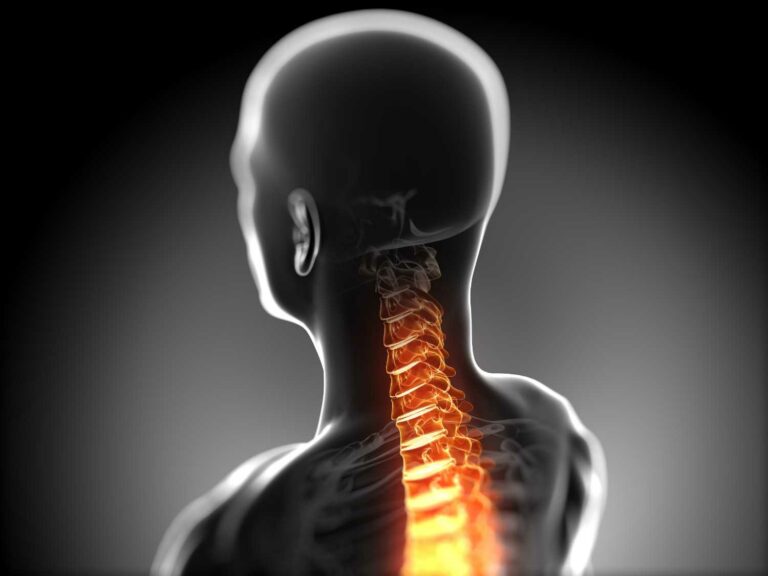
How to Cure Cervical Spondylosis Permanently

मानेचा (म्हणजे सर्व्हायकल) स्पॉन्डिलायसिस कायमचा कसा बरा करावा स्पॉन्डिलायसिस उपचार सर्व्हायकल स्पॉन्डिलायसिस म्हणजे सकारात्मक आणि ताणशील गोंधळलेली असलेली समस्या

How to Cure Cervical Spondylosis Permanently

By Dr.Ravindra Patil

What is Cervical Spondylosis

Cervical spondylosis is a common, age-related disorder of the cervical spine that is located in the neck region. This condition is also known as neck arthritis or cervical osteoarthritis. With age, the cervical discs gradually face wear and tear resulting in the breakdown of the structure. The fluid present between the cervical discs is lost which makes the spine stiffer, leading to cervical pain. This results in changes in the bones, discs, and joints at the spine of the neck.

As a result of the fluid dehydration and degeneration of the discs and cartilage in the surrounding area, abnormal growth or spurs of bones called osteophytes can occur leading to the narrowing of the passage from where spinal nerves exit, causing a related condition called cervical spinal stenosis.

Table of Contents

What is Spondylosis?

Spondylosis is an umbrella term that is used to describe any degeneration of the spinal cord. Spondylosis symptoms involve acute pain in the neck and back in old-age. Cervical spondylosis is prevalent among middle-aged and elderly people.

Spondylitis vs Spondylosis

Spondylitis and spondylosis both affect the spinal cord but there is a basic difference between the two. The meaning of spondylitis is that it is the inflammation of one or more typical cervical vertebrae leading to pain in the spine. Cervical spondylosis mostly refers to any kind of degeneration of the spine. So, even though the effects of both the diseases might be similar, their origin and cause are completely different.

Symptoms of Cervical Spondylosis: What is the difference?

Cervical spondylosis symptoms can vary from person to person and the extent of cervical spine pain depends on the age of the affected person. Some of the common spondylosis symptoms are:

  • Excessive stiffness at the neck leads to pain in neck
  • Cervical spondylosis headache that may originate at the main cervical spondylosis pain areas
  • Pain in the shoulder and arms
  • Failure to properly turn the head around
  • Grinding noise or sensation when trying to turn the neck
  • Cervical pain is severe in the morning and at night before bedtime
  • If cervical spondylosis leads to spondylotic myelopathy, the following symptoms may occur:
    • Abnormal tingling, numbness, and weakness in the arms, hands, feet, and legs
    • Lack of balance and coordination
    • Abnormal reflexes, random muscle spasms
    • Loss of control over urinary bladder and bowels

Causes of Cervical Spondylosis

Wear and tear of the vertebrae in the spinal cord causes degenerative spondylosis. Other causes are:

  • Bone spurs or abnormal outgrowths of bones called osteophytes
  • Dehydrated Spinal Discs
  • Herniated Discs:
  • Injury of the neck
  • Stiffness of the Ligament
  • Excessive Stress and Overuse

Risk Factors of Cervical Spondylosis

The greatest risk factor of cervical spondylosis is aging. Other risk factors are:

  • Heavy physical actions like heavy lifting
  • Poor posture in people who work at desk jobs
  • Genetic factors and family history
  • Smoking
  • Being overweight and inactive

How to prevent cervical spondylosis?

  • Avoid loading heavy objects on the head or neck. Do not sleep on a high-pillow.
  • For people with desk jobs, maintain a proper posture
  • Lean back your head once in a while.
  • Swimming is considered to be a relaxed exercise for cervical pain
  • Perform general physical activities.
  • Do not be inactive for a long period of time, take exercise

Diagnosis of Cervical Spondylosis

1. Physical Examination

  • Testing the reflexes of the patient and checking for the presence of muscle weakness and deficits in the sensory nerve function is done.
  • Tests are done to determine the range of neck movement
  • Overall walking movement is checked

2. Imaging Tests

  • X-Rays
  • CT Scan
  • MRI Scan
  • Myelogram

3. Nerve Function Tests

  • Electromyogram (EMG) records the passage of nerve signals in the body by measuring the electrical activity of the nerves.
  • Nerve Conduction Study – the speed and strength of the signals sent by the nerve endings in the body are checked.

Treatment of Cervical Spondylosis

Spondylosis treatments mainly focus on how to cure cervical spondylosis permanently, give pain relief and lower the risk of extensive damage to your vertebrae.

Physiotherapy

  • Physiotherapy for cervical spondylosis is a great way for pain relief. A trained physical therapist can teach all the exercises for cervical spondylosis.
  • Neck traction: it uses weights to help increase the space between the cervical joints and reduce the pressure forming on the cervical discs and nerve roots.

Medications

Commonly administered medications for the treatment of Cervical Spondylosis are:

  • Muscle relaxants
  • Narcotics are used for severe neck pain
  • Anti-seizure medications help to reduce pain caused due to damage of nerves
  • Steroids: Used to reduce the occurrence of tissue inflammation and reduce pain
  • Non-Steroidal Anti Inflammatory Drugs [NSAIDS]
  • Antidepressants help in relieving severe neck and shoulder pain
  • Certain homeopathic medicines also help

Home Remedies for Cervical Spondylosis

  • Take enough rest
  • Maintain a proper posture
  • People who acquire spondylosis at an early age normally do so because of bad study habits
  • Heat and cold treatment help provide relief and also works in relaxing the sore muscles of the neck and shoulders. Using a heating pack or a cold pack can be a good home remedy for cervical spondylosis
  • Chiropractic manipulation that can help in order to control events of more severe pain due to cervical spondylosis. However the chiropractor must have the requisite skills of manipulating the neck
  • Wearing a neck collar for cervical spondylosis helps limit movement and provides support for the neck and shoulders. However, these neck collars should not be worn for a longer period of time as it can cause muscle weakness.
  • Several people opt for ayurvedic medicine for cervical spondylosis and Patanjali medicine for cervical spondylosis to cure their ailment

The Need for Cervical Spondylosis Surgery

Cervical spondylosis is not progressive even though patients might have to live with severe pain for long periods of time all their life as it is a chronic condition. Cervical Spondylosis Surgery is only advised by doctors in rare cases when other forms of treatment do not help to ease the pain. For people who suffer from a progressive loss of function in the arms, hands, and legs, surgery may be required to fix the defect at the source point. This is because any form of compression at the cord may result in permanent functional disability.

In cases of the surgery, the main goal is to remove the areas or sources that have been applying extra pressure to the spinal cord and nerve endings. Some extensive forms of surgery may also involve the insertion of implants or bone grafts to add stabilization. Doctors also perform a fusion of the degenerated discs as a cure for cervical spondylosis.

Road to Recovery and Aftercare

Cervical spondylosis is not uncommon among people who have crossed their 60s. Early diagnosis of this disease can help doctors recommend a conservative line of treatment to help ease the pain. Though this condition is not reversible, with proper care, home remedies, and lifestyle practices, patients overcome the stiffness and discomfort.

How to cure cervical spondylosis permanently?

This is a very difficult question to answer as has been mentioned, the treatment of cervical spondylosis is primarily aimed at pain relief cervical exercises by physiotherapy and medicines. Surgery in this condition is done only when there is a physical problem like a bone spur pressing on the spinal cord, or a herniated disc pressing on the nerves or a compressed disk ‘pinches’ a nerve or the spinal canal is narrowed, due to spinal stenosis. Samarth Neuro and Super-speciality Hospital in Miraj offers medical and physiotherapy treatment for cervical spondylosis. If required, surgery for cervical spondylosis can also be done at Samarth Hospital in Miraj, Maharashtra.

क्रॅनियो-वर्टेब्रल जंक्शन विसंगती

क्रॅनियो-वर्टेब्रल जंक्शन विसंगती

क्रॅनियो-वर्टेब्रल जंक्शन विसंगती

By Dr.Ravindra Patil

अ‍ॅनॉमली किंवा विसंगती

अ‍ॅनॉमली किंवा विसंगती म्हणजे सामान्य किंवा अपेक्षित असलेल्या गोष्टींपासून वेगळे असणे. क्रॅनिओ-वर्टेब्रल जंक्शन विसंगती किंवा अ‍ॅनॉमली म्हणजे अशी कोणतीही परिस्थिती की जिथे जसे असायला पाहिजा तसे क्रॅनिओ-वर्टेब्रल जंक्शन नसते व त्यात काहीतरी दोष उत्पन्न झालेला असतो. ता पाहूया क्रॅनिओ-वर्टेब्रल जंक्शन म्हणजे

Table of Contents

क्रॅनिओ-वर्टेब्रल जंक्शन अथवा सी.व्ही.जे.

कवटीचा पाया आणि मानेच्या मणक्याच्या वरच्या भागामध्ये क्रॅनिओ-वर्टेब्रल जंक्शन (सी.व्ही.जे.) म्हणजे कवटी व मानेच्या पहिल्या मणक्या मधला सांधा. या सांध्यातील कोणतीही विकृती क्रॅनिओ-वर्टेब्रल जंक्शन विसंगती म्हणून ओळखली जाते. ती जन्मजात असू शकते, शरीराच्या विकासा दरम्यान होऊ शकते किंवा इतर रोग प्रक्रियांच्या मुळे उद्भवू शकतात. क्रॅनिओ-वर्टेब्रल विसंगती त्यांच्या कारणांप्रमाणे वेगवेगळ्या प्रकारांमध्ये वर्गीकृत केल्या जातात.

क्रॅनीओव्हरटेब्रल जंक्शन (सी.व्ही.जे.) मध्ये अद्वितीय शारीरिक संरचना आहेत व त्या मानेच्या मणक्यांच्या माळेहून अगदी वेगळ्या असतात. महत्त्वाच्या नसा आणि रक्तवाहिन्या त्यातून जातात. त्या शिवाय डोके वळवणे, विस्तारणे आणि बाजूला पाहणे यासारख्या बहुतेक हालचाली सी.व्ही.जे. मध्ये होतात.

सी.व्ही.जे. हे ओसीयस आणि लिगामेंटस आधाराने बनलेला एक जटिल सांधा आहे. त्यात मोठ्या प्रमाणात हालचाल करण्याची क्षमता असूनही या सांध्यात स्थिरता असते. सी.व्ही.जे.च्या विसंगती समजून घेण्यासाठी, सी.व्ही.जे.चे शरीरशास्त्र आणि बायोमेकॅनिक्सची थोडक्यात माहिती समजून घेणे आवश्यक आहे. यामुळे या प्रदेशावर परिणाम होऊ शकणार्‍या विविध विसंगती आणि रोग समजून घेता येतील.

क्रॅनीओव्हरटेब्रल जंक्शन (सी.व्ही.जे.) हा कवटी, अ‍ॅटलास [मानेचा प्रथम मणका] आणि अ‍ॅक्सीस [मानेचा दुसरा मणका] या मधील सांधा आहे. हे एक जटिल क्षेत्र आहे ज्यामध्ये महत्त्वपूर्ण नसा आणि रक्तवाहिन्या असतात. आणि, हा एक असा सांधा आहे की ज्याच्यात मणक्यांच्या स्तंभाच्या किंवा मणक्याच्या कोणत्याही विभागाच्या सांध्यांच्या तुलनेत सर्वात जास्त हालचाल होऊ शकते. सी.व्ही.जे. मेंदू आणि मानेच्या मणके या मधील सेतु आहे. मणक्यांच्या माळेचे सर्वाधिक बाजुला वळणे, पुढे वाकणे व मागे वाकणे या सी.व्ही.जे. साध्यात होते.

क्रॅनियो-वर्टेब्रल जंक्शन विसंगतीची कारणे आणि जोखीम घटक

सी.व्ही.जे. विसंगतीशी संबंधित विविध घटक आहेत. त्यापैकी काही खालील प्रमाणे आहेत:

  • हाडांच्या सांगाड्याच्या संरचनेचीविकृती
  • जन्मजात विकार जसे की एकॉन्ड्रोप्लासिया, डाउन सिंड्रोम इ.
  • संक्रमण(इन्फेक्शन)
  • हाडांवर परिणाम करणारे मेटास्टॅटिक ट्यूमर
  • सी.व्ही.जे.मध्ये हळूहळू वाढणारे ट्यूमर
  • संधिवात
  • अपघात, पडणे इ.

क्रॅनियो-वर्टेब्रल जंक्शन विसंगतीची चिन्हे आणि लक्षणे

सी.व्ही.जे. विसंगतीची चिन्हे आणि लक्षणे त्याचे कारण, तीव्रता आणि प्रभावित झालेल्या विशिष्ट संरचनांवर आधारित असतात. तथापि, काही सामान्य चिन्हे आणि लक्षणांमध्ये खालील लक्षणे असू शकतात:

  • मान दुखी
  • डोक्याच्या मागील भागात डोकेदुखी
  • हालचाल करताना डोके आणि मान जास्त दुखणे
  • सी.व्ही.जे.मध्ये हालचाल कमी होणे
  • खोकताना किंवा वाकताना वेदना तीव्रता वाढणे

सी.व्ही.जे. मध्ये स्पायनल कॉर्डच्या कॉम्प्रेशनशी संबंधित लक्षणांमध्ये ही लक्षणे असू शकतात:

  • हात, पाय किंवा दोन्ही कमजोरी.
  • मान वाकल्यावर सुन्नपणा आणि मुंग्या येणे.
  • उष्णता, थंडी आणि पाय/हात/पायांमध्ये वेदना कमी होणे.
  • गोंधळ आणि चक्कर येणे

ब्रेन स्टेम डिसफंक्शनशी संबंधित लक्षणांमध्ये ही लक्षणे समाविष्ट असू शकतात:

  • स्लीप अ‍ॅपनिया
  • बिघडलेला समतोल आणि समन्वयम्हणजे बॅलन्स (या परिस्थितीला  अ‍ॅटॅक्सिया
    म्हणतात)
  • अनैच्छिक डोळ्यांच्या हालचाली (निस्टागमस)
  • चेहऱ्याचा पक्षाघात

लोअर क्रॅनियल नर्व्ह डिसफंक्शनशी संबंधित लक्षणांमध्ये हे समाविष्ट असू शकते:

  • गिळण्यात अडचण
  • स्नायू कमकुवत होणे
  • दुर्बल श्रवण
  • टाळू आणि जिभेचा अर्धांगवायू
  • क्रॅनियो-वर्टेब्रल जंक्शन विसंगती

वैद्यकीय इतिहास, शारीरिक तपासणी आणि डायग्नोस्टिक इमेजिंग स्कॅनच्या आधारे सी.व्ही.जे. विसंगतींचे निदान केले जाते. सी.व्ही.जे.मधील स्ट्रक्चरल विकृतींची कल्पना करण्यासाठी पार्श्व दृश्य एक्स-रे, सी.टी. स्कॅन आणि एम.आर.आय. वापरले जातात. सी.टी. स्कॅन हे सी.व्ही.जे.विसंगतींसाठी सर्वाधिक वापरले जाणारे निदान साधन आहे. तथापि, पुढील तपासणी आवश्यक असल्यास, एम.आर.आय. आणि सी.टी. मायलोग्राफी करण्याचा विचार केला जातो.

क्रॅनियो-वर्टेब्रल जंक्शन विसंगतींचा उपचार

सी.व्ही.जे. विसंगतींसाठी शस्त्रक्रिया हा सर्वात चांगला उपचार आहे. शस्त्रक्रियेचा प्रकार आणि दृष्टीकोन काही घटकांच्या आधारे ठरवले जाता. त्यात खालील गोष्टींचा समावेश होतो: आघातजन्य कारणे, गैर-आघातजन्य कारणे, कमी करण्यायोग्य किंवा अपरिवर्तनीय जखम. या घटकांचा विचार करून, मूलभूत शस्त्रक्रिया प्रक्रियांमध्ये घट, स्थिरीकरण, डीकंप्रेशन आणि फिक्सेशन समाविष्ट आहे. उपचारामध्ये कोणतीही एक प्रक्रिया किंवा रोगाचे स्वरूप – त्याची तीव्रता आणि जोखीम घटकांवर आधारित असते.

उपचार

  • पूर्ण एन्डोस्कोपिक स्पायनल कॅनॉल स्टेनोसिस डीकंप्रेशन
  • स्पायनल फिक्सेशन
  • क्रॅनियोव्हर्टेब्रल जंक्शन शस्त्रक्रिया

सी.व्ही.जे. फिक्सेशन

जटिल शारीरिक स्वरूपामुळे तसेच सी.व्ही.जे.च्या महत्त्वपूर्ण गतिशीलतेमुळे, या भागाचे निर्धारण करणे कधीकधी खूप आव्हानात्मक असते. विविध प्रकारच्या फिक्सेशन पद्धती अस्तित्वात आहेत आणि त्यामध्ये खालील गोष्टींचा समावेश असू शकतो: स्क्रू, रॉड, वायर/केबल, हाडांचे कलम, हुक किंवा प्लेट्स. शिवाय, आर्थ्रोडेसिस [ऑपरेशन द्वारा हाडांना कायमचे जोडून त्यांच्या मधल्या सांध्याची हालचाल कायमची बंद करणे] हे देखील एक आव्हान असते कारण हाडांच्या कलमासाठी पुरेशी जागा आणि हाडांची पृष्ठभाग कमी आहे. (हाडांचे कलम म्हणचे “बोन ग्राफ्ट” म्हणजे दुसर्‍या ठिकाणाहून हाडाचा तुकडा काढून ऑपरेशनच्या जागी लावणे)

कवटीवर सी.व्ही.जे.चे फिक्सेशन लहान बर होल छिद्रे करून आणि वायर किंवा स्क्रू आणि प्लेट्सच्या संयोजनाद्वारे पूर्ण केले जाऊ शकते, ज्यामुळे मणक्यातील रॉड्स किंवा अतिरिक्त प्लेट्सच्या जोडणीद्वारे गर्भाशयाच्या मणक्याला निश्चित करणे शक्य होते. स्क्रू/रॉड/प्लेटची रचना स्क्रू पुलआउट ताकद आणि कडकपणाच्या बाबतीत जैव-यांत्रिकदृष्ट्या श्रेष्ठ असल्याचे दाखविण्यात आल्याने वायरसह बर होल छिद्रे सध्या वारंवार वापरली जात नाहीत.

सी.व्ही.जे.मध्ये वापरलेले स्क्रू साधारणपणे मानेच्या मणक्यामध्ये वापरल्या जाणार्‍या स्क्रूच्या व्यासापेक्षा मोठे असतात. ड्युरा मॅटर [मेंदू आणि पाठीचा कणा झाकणारा जाड ऊतीचा थर] छेदू नये म्हणून त्यांची लांबी कमी असते व त्यांची टोके बोथट असतात.

मानेच्या मणक्यांचे फिक्सेशन अनेक पद्धतींचे संयोजन देखील असू शकते, सामान्यतः कवटीचे फिक्सेशनशी कनेक्ट करण्याच्या उद्देशाने. मानेच्या मणक्यामध्ये वापरले जाणारे स्क्रू सामान्यत: बहुअक्षीय असतात आणि मणक्यांच्या पार्श्व भागामध्ये बसवतात.

साधारणपणे, कवटी आणि पहिला मानेचा मणका [अॅटलास] यांना स्थीर करण्यात येत नाही. तथापि, अशा काही परिस्थिती आहेत ज्यामध्ये स्क्रू, रॉड, वायर इत्यादी वरील सूचीबद्ध उपकरणांचा वापर करून कवटी आणि अॅटलास निश्चित केले जाऊ शकतात. काहीवेळा अ‍ॅटलासच्या मागील कमान आणि कवटीचा पाया यांच्यामध्ये हाडांची कलम लावली जाते. अशा शस्त्रक्रियांचा यशस्वी होण्याचा दर 89% असु शकतो, परंतु शस्त्रक्रियेनंतर रुग्णाचे डोके त्वरित स्थिर होत नाही. अशा रुग्णांना किमान १२ आठवडे ‘ हेलो नेक फिक्सेशन ‘  मध्ये राहणे आवश्यक असते.

दुसर्‍या पर्यायामध्ये सांध्यांच्या आरपार फिक्सिंग स्क्रू वापरतात. वरील बांधकामाप्रमाणेच, हे सहसा वेगळ्या कवटी-अ‍ॅटलास अस्थिरतेसाठी राखीव असते आणि अनेक-सेगमेंट जोडण्यात सहजपणे समाविष्ट केले जात नाही. हे तंत्र रोटेशनमध्ये कडकपणा वाढवते परंतु मान वाकविण्यात खराब असते. अशाप्रकारे, पुरेशी स्थिरता मिळण्यासाठी हे तंत्र पूरक फिक्सेशनच्या संयोगाने वापरले जाते.

कवटी ते अटलांटोअ‍ॅक्सियल सेगमेंट फिक्सेशन

कवटी पासून अ‍ॅटलांटो-अ‍ॅक्सीयल विभाग हा कायमचा जोडून त्याची हालचाल बंद करणे शास्त्रीयदृष्ट्या कठीण आहे कारण अ‍ॅटलांटो-अ‍ॅक्सीयल विभाग मान वाकविण्यात तसेच मान मागच्या बाजुला वाकवण्यात मध्ये खूप हालचाल करू देतो. शिवाय अ‍ॅटलांटो-अ‍ॅक्सीयल सेगमेंट एक्सीयल रोटेशनमध्ये खूप फिरते. पूर्वी नमूद केलेल्या तंत्रांचे संयोजन वापरले जाऊ शकते. कवटी व मानेच्या मणक्यांच्या फिक्सेशन मध्ये कवटीच्या बाजूने फिक्सेशनचे बिंदू असतात, ऍटलस मणक्यांच्या आणि एक्सीस मणक्यांच्या, काही प्रकारच्या लॉंन्जीट्युडीनल घटकाशी जोडलेले असतात. हे लॉंन्जीट्युडीनल घटक सी.व्ही.जे. मधील विभागांना विस्तृत करतात आणि त्यांना कठोरपणे स्थिर करण्यास मदत करतात.

वरील वर्णन सामान्य वाचकाला खूप गुंतागुंतीचे वाटू शकते. तथापि, शक्यतो क्लिष्ट वैद्यकीय शब्द काढून टाकण्यासाठी आणि शक्य तितके सोपे शब्द वापरण्यासाठी सर्व प्रयत्न केले गेले आहेत.

मजबूत सी.व्ही.जे. रचना विकसित करण्यासाठी, रेखांशाच्या घटकांना जंक्शनच्या बाजूने अनेक फिक्सेशन पॉइंट्स, सर्व फिक्सेशन पॉइंट्ससह इंटरफेस, सबऑक्सिपिटल प्रदेशातील हाडांच्या जाड भागांशी इंटरफेस करण्याची क्षमता असणे आवश्यक आहे आणि क्रॉसलिंक करण्याची क्षमता. विविध प्रकारचे लॉन्जिट्यूडीनल घटक उपलब्ध आहेत आणि त्यामध्ये रॉड्स, स्ट्रक्चरल बोन ग्राफ्ट्स, रीकन्स्ट्रक्शन प्लेट्स आणि प्लेट्स आणि रॉड्स एकत्र करून प्रीफॉर्म केलेल्या आकारात संकरित उपकरणांचा समावेश असू शकतो. सर्व स्पाइनल इन्स्ट्रुमेंटेशन प्रमाणे, शस्त्रक्रियेचे उद्दिष्ट आणि रुग्णाची शरीररचना यावर आधारित वैयक्तिक रुग्णाच्या गरजा पूर्ण करणार्‍या लॉन्जिट्यूडीनल घटकाचा प्रकार निवडणे महत्वाचे आहे.

महाराष्ट्रातील मिरज येथील समर्थ न्यूरो आणि मल्टीस्पेशालिटी हॉस्पिटलमध्ये अशा प्रकारच्या गुंतागुंतीच्या शस्त्रक्रिया पूर्ण करण्यासाठी न्यूरो सर्जन डॉ. रवींद्र पाटील यांच्या नेतृत्वाखाली पायाभूत सुविधा आणि डॉक्टरांची टीम आहे. याशिवाय हे हॉस्पिटल टियर 2 शहरात असल्याने मिरजेच्या समर्थ हॉस्पिटलमध्ये अशा प्रकारच्या शस्त्रक्रियांचा एकूण खर्च मोठ्या शहरांच्या तुलनेत खूपच कमी होतो.

Cranio-Vertebral Junction Anomalies

Cranio-Vertebral Junction Anomalies

Cranio-Vertebral Junction Anomalies

By Dr.Ravindra Patil

Anomaly

An anomaly is something that deviates from what is standard, normal, or expected. Cranio-vertebral junction anomalies mean any situation where there is some deviation from what is the ‘normal’ cranio-vertebral junction.

CVJ

The cranio-vertebral junction (CVJ) is present between the base of the skull and the upper region of the cervical spine. Any deviations or deformities in this region are known as cranio-vertebral junction anomalies. They can occur as congenital anomalies, developmental or secondary to other disease processes. Cranio-vertebral anomalies are classified into different types based on their causative factors.

The craniovertebral junction (CVJ) has unique anatomical structures that separate it from the cervical spine. In addition to housing vital nerves and blood vessels, the majority of head movements like flexion, extension, and looking sideways is accomplished at the CVJ.

The CVJ is a complex combination of osseous and ligamentous supports allow for stability despite a large degree of motion. To understand the anomalies of the CVJ, an understanding of anatomy and biomechanics in short is essential to understand the various anomalies and diseases that may affect this region.

The craniovertebral junction (CVJ) is the joint between the skull, atlas [first cervical vertebra], and axis [second cervical vertebra]. It is a complex area that houses vital nerves and blood vessels. This a joint has the most mobility as compared to any other joint of the vertebral column or the spine. The CVJ represents the transition between the brain and cervical spine. The majority of the spine’s rotation, flexion, and extension occur between the occiput, the atlas, and axis.

Table of Contents

Causes and risk factors of Cranio-vertebral Junction Anomalies

There are various factors associated with CVJ anomalies. Some of them include:

  • Skeletal structure abnormalities
  • Congenital systemic disorders such as Achondroplasia, Down syndrome, etc.
  • Infections
  • Metastatic Tumours effecting bones
  • Slow growing tumours in the CVJ
  • Rheumatoid Arthritis
  • Traumatic injuries by an accident, a fall etc.

Signs and symptoms of Cranio-vertebral Junction Anomalies

The signs and symptoms of CVJ anomalies vary based on the cause, severity and specific structures affected. However, some common signs and symptoms may include:

  • Neck pain
  • Headache in the back region of the head
  • Worsening head and neck pain with movement.
  • Decreased range of motion in the CVJ
  • Increased pain intensity while coughing or bending

Symptoms associated with spinal cord compression in the CVJ may include:

  • Weakness in arms, legs or both.
  • Numbness and tingling sensation on bending the neck.
  • Decreased sensations of heat, cold and pain in the legs/hands/feet.
  • Confusion and dizziness

Symptoms associated with brain stem dysfunction may include:

  • Sleep apnoea
  • Impaired balance and coordination (Ataxia)
  • Involuntary eye movements (Nystagmus)
  • Facial paralysis

Symptoms associated with lower cranial nerve dysfunction may include:

  • Difficulty in swallowing
  • Muscle weakness
  • Impaired hearing
  • Paralysis of soft palate and tongue atrophy
  • Diagnosis of Cranio-vertebral Junction Anomalies

CVJ anomalies are diagnosed based on medical history, physical examination and diagnostic imaging scans. Lateral view X-rays, CT scan and MRI are used to visualise the structural abnormalities in the CVJ. CT scan is the most common diagnostic tool used for CVJ anomalies. However, if further investigations are required, MRI and CT myelography are considered.

Treatment of Cranio-vertebral Junction Anomalies

Surgery is the treatment of choice for CVJ anomalies. The type of surgery and approach is decided based on some factors which include: traumatic causes, non-traumatic causes, reducible or irreducible lesions. Considering these factors, the basic surgical procedures involved are reduction, immobilization, decompression and fixation. Treatment may include any one of the procedures or a combination which is determined based on the nature, severity and risk factors of the disease.

Treatments

  • Full endoscopic cervical canal stenosis decompression
  • Spinal fixation
  • Craniovertebral junction surgeries
  •  

CVJ Fixation

Due to the complex anatomical nature as well as the significant mobility of the CVJ, fixation of this region remains at times a challenging decision and a difficult execution. A wide variety of fixation methods exist and may include a combination of the following: screws, rods, wires/cables, bone grafts, hooks, or plates. Furthermore, arthrodesis [surgical immobilization of a joint by fusion of the bones] is also a challenge as there is little space and bone surface for sufficient bone grafting.

Fixation of the CVJ to the skull can be accomplished via small burr holes and wire or a combination of screws and plates, which allows for fixation to the cervical spine through connection of rods or additional plates in the spine. Bur holes with wire are not currently used as often, as the screw/rod/plate constructs have shown to be bio-mechanically superior in terms of screw pullout strength and stiffness.

The screws used in the CVJ are generally a larger diameter than those used in the cervical spine. They have a smaller pitch and blunt tips to prevent piercing the dura mater [a thick tissue layer covering the brain and the spinal cord].

Fixation in the cervical spine can be a combination of a number of methods as well, usually with the intention of connecting to the occiput fixation. The screws used in the cervical spine are generally polyaxial and placed into the lateral masses of the vertebrae.

Generally, the skull and the first cervical vertebra [atlas] segment is not fixated alone due to the large moment arm created by the cranium on C-1. However, there are situations in which the occiput and atlas can be fixated using the above listed devices, like screws, rods, wires and so on.  Sometimes a bone graft is placed in between the posterior arch of atlas and the base of the skull. Successful fusion rates of such surgeries have been reported up to 89%, but the patient’s head is not immediately stable after surgery. Such patients are required to remain in a halo neck fixation for 12 weeks.

Another option involves the use of fixing screws across joints. Similar to the above construct, this is usually reserved for isolated Skull-Atlas instability and is not easily incorporated into multisegment constructs. This technique increases stiffness in rotation but is poor in flexion-extension. Thus, this technique is used in conjunction with supplemental fixation to allow for sufficient stability.

Skull to Atlantoaxial Segment fixation

The occiput to atlantoaxial region is classically difficult to fixate as both the occipitoatlantal and atlantoaxial segments are highly mobile in flexion and extension, and additionally the atlantoaxial segment is very mobile in axial rotation. Any number of combinations of the previously mentioned techniques can be used. Occipitocervical fixation constructs consist of points of fixation along the skull, atlas vertebra and axis vertebra, with connection to some type of longitudinal element. These longitudinal elements span the segments in the CVJ and allow them to be rigidly fixated.

The above description may seem to be very complex to the lay reader. However, all efforts have been made to removed complicated medical words and use as simple words as possible.

To develop a strong CVJ construct, the longitudinal elements should be able to have multiple points of fixation along the junction, interface with all of the fixation points, have the ability to interface with the thickest regions of bone in the suboccipital region, and have the ability to be crosslinked.  Various types of longitudinal elements are available and may include rods, structural bone grafts, reconstruction plates, and hybrid devices combining plates and rods in preformed shapes. As with all spinal instrumentation, it is critical to choose the type of longitudinal element that best suits the individual patient’s needs based on the goal of surgery and the patient’s anatomy.

Samarth Neuro and Multispeciality hospital in Miraj, Maharashtra, has the infrastructure and team of doctors headed by neurosurgeon Dr Ravindra Patil to accomplish such complex surgeries. Besides as the hospital is located in a tier 2 city, the overall cost of such surgeries is much less in Samarth Hospital of Miraj as compared to surgeries done in large metropolitan cities.

Spina Bifida Causes, Symptoms and Treatment

Spina Bifida - Samarth neuro and super speciality hospital

Spina Bifida Causes, Symptoms and Treatment

By Dr.Ravindra Patil

What is Spina Bifida?

Spina bifida is a birth defect in which an area of the spinal column doesn’t form properly, leaving a section of the spinal cord and spinal nerves exposed through an opening in the back. Spinabifida occurs in 1 per 2,000 live births.

Table of Contents

Myelomeningocele

The most common and serious form of spinabifida is called myelomeningocele, in which a part of the spinal cord and surrounding nerves push through the open bones (vertebrae) in the spine and protrude from the foetus’s back. In myelomeningocele, spinal cord and nerves protrude from the back in a sac that is exposed to the amniotic fluid. Continuous bathing of the fragile developing spinal cord in amniotic fluid over the course of gestation is thought to result in progressive neurologic injury.

Other types of spina bifida

Other types of spinabifida include myeloschisis, lipomeningocele and myelocystocele. Open neural tube defects such as myelomeningocele and myeloschisis are treatable by foetal repair. Closed neural tube defects such as lipomeningocele and myelocystocele are not treatable by foetal repair.

Causes of spina bifida

Myelomeningocele has genetic and micronutrient causes. Mothers who have had a baby with spinabifida have up to a 4 percent risk of recurrence in subsequent pregnancies.

Spina bifida symptoms

The myelomeningocele lesion can occur at any level on the developing spine, but most are found in the lumbo-sacral region. Depending on the lesion’s location, myelomeningocele may cause:

  • Bladder and bowel problems (incontinence)
  • Sexual dysfunction
  • Weakness and loss of sensation below the defect
  • Inability to move the lower legs (paralysis) and other cognitive impairments
  • Orthopaedic malformations such as club feet or problems of the knees or hips
  • Generally, the higher the defect is located on the spine, the more severe the complications.

In many cases, the brain develops an Arnold-Chiari II malformation, in which the hindbrain herniates or descends into the upper portion of the spinal canal in the neck. This herniation of the hindbrain blocks the circulation of cerebrospinal fluid, causing hydrocephalus (accumulation of fluid in the brain), which can injure the developing brain. Ventricular shunting (placement of a thin tube into the ventricles of the brain) is used to drain fluid and relieve hydrocephalus.

Hindbrain Herniation and Ventricular Shunting

Ventricular shunting is done to treat hydrocephalus. It involves placement of a thin tube into the ventricles of the brain to drain fluid and relieve hydrocephalus. The other end of the tube is usually put in the peritoneum [abdomen] of the patient for continuous drain.

Evaluation and diagnosis of spina bifida

As with other birth defects, most myelomeningoceles are discovered by routine ultrasound evaluation between 16 and 18 weeks into the pregnancy. Sonographic features suggestive of myelomeningocele include a cystic mass anywhere on the spine. Abnormally high alpha-fetoprotein (AFP) will support the diagnosis.

Other evaluation methods for suspected spinabifida are:

  • High-resolution level II ultrasound — to confirm the diagnosis and determine the location of the lesion, and to assess for any other birth defects such as club feet
  • Ultrafast foetal MRI — to confirm presence of the Chiari II malformation and to screen for evidence of any other neurologic abnormalities
  • Foetal echocardiogram — to determine any problems with the heart
  • Amniocentesis — to confirm the presence of elevated amniotic fluid alpha-fetoprotein (AFAFP) levels and acetylcholinesterase (AChE), which indicate open neural tube defects
  • Maternal serum alpha-fetoprotein (MSAFP) test — to confirm elevated AFP levels in the mother’s blood

After evaluation, a multidisciplinary team works together to review test results, confirm the diagnosis, explain spina bifida treatment options and potential outcomes, and answer all the patient’s questions.

Treatment

The two main spina bifida treatment options are foetal surgery during pregnancy or surgery on the baby right after birth.

Deciding whether prenatal or postnatal spinabifida repair is appropriate is influenced by several considerations, including gestational age, the level of the myelomeningocele lesion on the spine, presence of the Chiari II malformation, and a number of important maternal health factors.

Spina bifida surgery after birth

If postnatal spina bifida surgery is recommended or selected, your pregnancy is monitored and a caesarean delivery is planned at 37 weeks.

Traditional spina Bifida treatment takes the form of surgical repair 24 to 48 hours after birth. Your child will undergo general anaesthesia. A paediatric neurosurgeon removes the MMC sac, if one is present, and closes the surrounding tissue and skin over the defect to protect the spinal cord. After surgery, your baby will receive care in the Neonatal Intensive Care Unit (NICU).

Spina bifida surgery before birth

Because spinal cord damage is progressive during gestation, prenatal repair of myelomeningocele may prevent further damage. Scientific studies have demonstrated that prenatal repair can offer significantly better results than traditional postnatal repair.

  • It reduced the need to divert fluid from the brain using ventricular shunting
  • Reduced the incidence or severity of neurological effects such as impaired motor and sensory function of the legs
  • Improved mobility and improved the chances that a child will be able to walk independently
  • Reversed the hindbrain herniation component of the Arnold-Chiari II malformation

Foetal surgery for spinabifida is a complex and challenging procedure, requiring the most expert, comprehensive care for both mother and foetus. The surgical team’s level of experience and all aspects of care surrounding the operation are of paramount importance.

If your unborn baby has been diagnosed with myelomeningocele, the surgery is performed between 23 weeks and 25 weeks of gestation.

Spina bifida prognosis

Rarely, children can die due to complications associated with Chiari II malformation or hydrocephalus. Many patients require shunts (85 percent), and 45 percent of shunts develop complications within one year.

Follow-up care

Children operated for spina Bifida require comprehensive long-term follow-up, from the time of repair through adolescence. It is team work of a paediatrician, nurse, social worker, physical therapist, neurosurgeon, orthopaedic specialists, urologist and genetic counsellor.

Depending on the location of the lesion and outcome after surgery, follow-up care may also include:

  • Clean intermittent catheterization
  • Bowel management
  • Lower extremity bracing
  • Physical therapy evaluation and guidance to outside physical therapists and early intervention
  • Pressure sore management
  • Referral to appropriate psychosocial and financial resources
  • Consultation with other subspecialties including ophthalmology, nephrology, nutrition and feeding specialists, and plastic surgery

The Spina Bifida team works closely with each child’s primary care paediatrician and school, and helps families access appropriate community services. Ongoing follow-up is critical when it comes to improving outcomes and advancing treatment for patients with myelomeningocele.

Spina Bifida can lead to a variety of social and emotional challenges and lifelong quality-of-life issues. Hence proper diagnosis during pregnancy is essential.

Spina bifida occulta

Spina bifida occulta is the mildest type of spinabifida. It is sometimes called “hidden” spinabifida. In this birth defect, there is a small gap in the spine, but no sac comes out of the back. The spinal cord and the nerves usually are normal.

At Samarth Neuro & Super Speciality Hospital in Miraj, we are dedicated to providing expert care, ensuring the well-being and quality of life for individuals facing this condition.

Atlantoaxial Dislocation

Atlantoaxial dislocation

Atlantoaxial Dislocation

By Dr.Ravindra Patil

This condition occurs in the neck when the first two cervical vertebrae move away from their positions. Luckily this is a very rare condition. But if ever it occurs, it may have serious implications. The patient may suffer quadriplegia, that is, paralysis of all the body below the neck. But before we understand what is atlantoaxial dislocation, we must understand the anatomy of the cervical spine, and especially the first vertebra of the spinal column, called the ‘atlas’, and the second vertebra, which is called the ‘axis’. The two vertebrae, the atlas and axis, are joined at what is called the atlantoaxial joint.

Table of Contents

Anatomy of the Cervical Spine

The cervical spine is the upper portion of the vertebral column, lying between the skull and the thoracic or chest vertebrae. It has seven vertebrae, two of which are given unique names:

  • The first cervical vertebrae (C1) is known as the atlas.
  • The second cervical vertebrae (C2) is known as the axis.

The cervical vertebrae, seven in all, are different from the other vertebrae and are a bit more delicate. We will focus on the first two cervical vertebrae.

Atlas vertebra

The atlas is the first cervical vertebra and lies between the skull and the axis vertebra. It differs from the other cervical vertebrae considerably.

Axis vertebra

The axis lies between the atlas and the third cervical vertebra. It articulates with the atlas through the medial atlanto-axial joint. This joint allows for rotation of the head independently of the torso.

The axis also articulates with the atlas to form the two lateral atlanto-axial joints.

Ligaments of the cervical spine

There are six major ligaments in the cervical spine. The ligaments are strong tensile connective tissue which hold the vertebrae together.

Injuries of the cervical spine

Injury due to vertical fall
A vertical fall onto an extended neck e.g. diving into excessively shallow water can compress the lateral masses of the atlas between the occipital condyles and the axis. This causes them to be driven apart, fracturing one or both anterior/posterior arches.
If the fall occurs with enough force, the transverse ligament of the atlas may also be ruptured.
Hyperextension (Whiplash) Injury
A rear-end traffic collision or a poorly performed rugby football tackle can both result in the head being whipped back on the shoulders, causing whiplash. In minor cases, the anterior longitudinal ligament of the spine is damaged which is acutely painful for the patient.
Atlantoaxial Subluxation
The worst-case scenario for these injuries is that dislocation or subluxation of the atlas and axis occurs. Subluxation means a slight misalignment of two vertebrae in relation to each other. It is the cause of many health problems. This often happens at the axis vertebra level, where its body of moves forward with respect to the third cervical vertebra. Such an injury may well lead to spinal cord damage. Quadriplegia or death may occur. More commonly, subluxation occurs at the lower levels of the cervical spine.
Hangman’s Fracture
Hangman’s fracture refers to a fracture of the bony column of the axis vertebra. It typically occurs as a result of high velocity hyperextension and distraction of the head. Such an injury is likely to be lethal as rupture the spinal cord may occur, causing deep unconsciousness, respiratory failure and cardiac failure.
Fracture of the Dens
Occurs in the axis vertebra. These fractures are often unstable and are at high risk of avascular necrosis. As with any fracture of the vertebral column, there is a risk of spinal cord involvement.
Dislocation of the Atlanto-Axial Joint
Atlanto-axial Dislocation or Fracture can cause severe spinal cord compression resulting in significant neurological injuries of upper spinal cord and lower medulla oblongata. Patient may suffer paralysis of all four extremities (quadriplegia). Severe neck pain is spread over back of the neck and arms. Patient will also have continuous chronic pain.
Atlanto-axial dislocations (AADs) may be classified into four varieties depending upon the direction and plane of the dislocation i.e. anterior-posterior, rotatory, central, and mixed dislocations. However, from the surgical point of view these are divided into two categories i.e. reducible [RAADs or Reducible Atlanto Axial Dislocations] and irreducible [IAADs or Irreducible Atlanto Axial Dislocations].

Surgical Treatment

For RAAD, Posterior fusion is done. Screws are fixed across joints and vertebral bodies and wiring is done. Often, IAAD is due to inadequate extension in dynamic X-ray study which may also be due to spasm of muscles.

The above is a very simplistic explanation of a very complex surgical process. Various different methods are there to treat AAD [atlanto-axial dislocation]. However, it will be too complicated for non-medical people to understand, hence it is not described in detail.

The surgeries require high precision. That is why hospitals like Samarth Neuro and Multispeciality Hospital located in Miraj are able to conduct such complex surgeries. Because Samarth Hospital has surgical navigation system which is the only way to manage such complex injuries.

While it may seem to the reader that the complexity of atlanto axial subluxation or dislocation is being exaggerated, it should be remembered that if the surgery goes wrong even slightly, the patient may suffer quadriplegia or even death. There is only one chance for the perfect surgery. Otherwise the patient may suffer with failed surgery.

Hence the use of surgical navigation, which pinpoints the exact locations where the initial incisions are to be taken and the exact spots where screws and wires are to be fitted so as to prevent injury to the spinal cord and the spinal nerves coming out between vertebrae.

Medical Care

There are no are medicines for atlantoaxial instability (AAI), subluxation or dislocation. Because of the chronicity of the instability at the time of presentation in most cases, corticosteroids have little, if any benefit. Neurologic problems do not get better with corticosteroids. In fact they may cause side effects. In the acute traumatic setting, corticosteroids remain controversial. Guidelines provided by the American Academy of Neurological Surgeons (AANS) include level I evidence against the use of corticosteroids or gangliosides in the acute trauma patient.

Unless symptoms of spinal cord compression occur, AAI requires no treatment. Once symptoms arise, cervical spine stabilization is indicated until surgical stabilization is performed.

What are the symptoms of rotatory atlantoaxial dislocation?

Main symptom is torticollis. It is painless, and often, there are no neurological symptoms. Rotatory atlantoaxial dislocation can be subdivided into reducible or irreducible types. Reducible type rotatory atlantoaxial dislocation is classified as one where the dislocation reduces on dynamic images or after institution of cervical traction. The torticollis is painless, and often, there are no neurological symptoms. Rotatory atlantoaxial dislocation can be subdivided into reducible or irreducible types. Reducible type rotatory atlantoaxial dislocation is classified as one where the dislocation reduces on dynamic images or after institution of cervical traction.

What is the treatment for occipitoatlantal dislocation?

For Type II lesions associated with occipito-atlantal dislocation and/or when the diagnosis was delayed for more than 14 days, a posterior atlantoaxial or occipito atlantoaxial arthrodesis [fusing the two bones of the joint for ever] was recommended. Other lesions are all treated with posterior arthrodesis after reduction.

How to treat rotatory atlantoaxial instability?

Holding and manipulation of the spinous process of axis, posterior arch of atlas, and the facets of atlas and axis can result in reduction of the rotatory dislocation.

To summarise

As has been mentioned, Atlantoaxial Dislocation or subluxation is very rare. It is not so easy to understand the complex disease condition for most people. Samarth Neuro and Multispeciality Hospital has the infrastructure and surgical teams to treat Atlantoaxial Dislocations.

स्पायना बायफिडा – कारणे, लक्षणे आणि उपचार

जन्मजात मेंदू आणि मणक्याचे विसंगती

स्पायना बायफिडा – कारणे, लक्षणे आणि उपचार

By Dr.Ravindra Patil

स्पायना बायफिडा म्हणजे काय?

स्पायना बायफिडा हा एक जन्म दोष आहे ज्यामध्ये पाठीच्या स्तंभाचे क्षेत्र योग्यरित्या तयार होत नाही, व ज्यामुळे पाठीचा कणा आणि पाठीच्या मज्जातंतूंचा एक भाग पाठीमागील बाजूने उघडला जातो. स्पाइना बायफिडा दर 2,000 जिवंत जन्मांमध्ये एक वेळा होतो.

Table of Contents

मायलोमेनिंगोसील

स्पायना बायफिडाच्या सर्वात सामान्य आणि गंभीर प्रकाराला मायलोमेनिंगोसेल म्हणतात, ज्यामध्ये पाठीचा कणा आणि आसपासच्या मज्जातंतूंचा एक भाग मणक्यातील उघड्या हाडांमधून बाहेर ढकलला जातो आणि गर्भाच्या पाठीतून बाहेर येतो. मायलोमेनिंगोसील मध्ये, पाठीचा कणा आणि नसा अम्नीओटिक द्रवपदार्थाच्या (म्हणजे आईच्या गर्भाशयातील पाणी) संपर्कात येतात. गर्भधारणेदरम्यान अम्नीओटिक द्रवपदार्थामध्ये विकसित होत असलेली स्पायनल कॉर्ड अम्नीओटिक द्रवपदार्थामध्ये सतत भिजल्यामुळे त्यात प्रगतीशील न्यूरोलॉजिक इजा होते असे मानले जाते.

स्पायना बायफिडाचे इतर प्रकार

स्पायना बायफिडाच्या इतर प्रकारांमध्ये मायलोस्किसिस, लिपोमेनिंगोसील आणि मायलोसिस्टोसील यांचा समावेश होतो. ओपन न्यूरल ट्यूब दोष जसे की मायलोमेनिंगोसील आणि मायलोस्किसिस गर्भाच्या दुरुस्तीद्वारे उपचार करण्यायोग्य जन्म दोष आहेत. लिपोमेनिंगोसील आणि मायलोसिस्टोसील सारख्या बंद न्यूरल ट्यूब दोषांवर गर्भ आईच्या पोटात असताना उपचार करता येत नाहीत.

स्पायना बायफिडाची कारणे

मायलोमेनिंगोसील होण्याची अनुवांशिक आणि सूक्ष्म पोषक कारणे आहेत. ज्या मातांना स्पायना बायफिडा असलेल्या बाळाला जन्म दिला आहे त्यांना नंतरच्या गर्भधारणेमध्ये देखील स्पायना बायफिडाची पुनरावृत्ती होण्याचा धोका 4 टक्क्यांपर्यंत असतो.

स्पायना बायफिडाची लक्षणे

मायलोमेनिंगोससीलचा रोग विकसनशील मणक्यावरील कोणत्याही स्तरावर उद्भवू शकतो, परंतु बहुतेक दोष लम्बो-सॅक्रल प्रदेशात आढळतात. दोषाच्या स्थानावर अवलंबून, मायलोमेनिंगोसील मुळे खालील गोष्टी होऊ शकतात:

  • मूत्राशय आणि आतड्यांसंबंधी समस्या (दोन्हींवर असंयम होणे)
  • लैंगिक कार्य बिघडणे
  • दोषाच्या पातळी खाली अशक्तपणा आणि संवेदना कमी होणे
  • खालचे पाय हलविण्यास असमर्थता (पक्षाघात) आणि इतर संज्ञानात्मक अशक्तपणा
  • ऑर्थोपेडिक विकृती जसे की क्लब फीट किंवा गुडघे किंवा नितंबांच्या समस्या
  • सामान्यतः, दोष मणक्यावर जितका मानेच्या बाजुला असेल तितकी गुंतागुंत (कॉम्प्लिकेशन) गंभीर होते.

बर्‍याच प्रकरणांमध्ये, मेंदूमध्ये अर्नोल्ड-चियारी २ नामक विकृती उत्पन्न होते, ज्यामध्ये हिंडब्रेन हर्निएट होतो किंवा मानेच्या स्पाइनल कॅनलच्या वरच्या भागात खाली येतो. हिंडब्रेनचे हे हर्नियेशन सेरेब्रोस्पाइनल फ्लुइडचे भिसरण अवरोधित करते, ज्यामुळे हायड्रोसेफलस होते (मेंदूमध्ये द्रव साठणे). त्यामुळे विकसनशील मेंदूला इजा होऊ शकते. वेंट्रिक्युलर शंटिंग नावाचे ऑपरेशन (यात मेंदूच्या वेंट्रिकल्समध्ये पातळ ट्यूब टाकली जाते) जास्तीचा द्रव काढून टाकण्यासाठी आणि हायड्रोसेफलसपासून मुक्त होण्यासाठी केले जाते.

हिंडब्रेन हर्निएशन आणि वेंट्रिक्युलर शंटिंग

हायड्रोसेफलसवर उपचार करण्यासाठी वेंट्रिक्युलर शंटिंग केले जाते. त्यात द्रव काढून टाकण्यासाठी आणि हायड्रोसेफलसपासून मुक्त होण्यासाठी मेंदूच्या वेंट्रिकल्समध्ये पातळ ट्यूब टाकणे समाविष्ट आहे. ट्यूबचे दुसरे टोक रुग्णाच्या पेरिटोनियममध्ये (पोटात) सतत निचरा करण्यासाठी ठेवले जाते.

स्पाइना बायफिडाचे मूल्यांकन आणि निदान

इतर जन्म दोषांप्रमाणे, बहुतेक मायलोमेनिंगोसील्स गर्भधारणेच्या १६ ते १८ आठवड्यांच्या दरम्यान नियमित अल्ट्रासाऊंड मूल्यांकनाद्वारे शोधले जातात. मायलोमेनिंगोसीलचे निदान करण्यास सोनोग्राफिक तपासणीमध्ये मणक्यावरील कोठेही कशाही प्रकारची सिस्ट असणे हे असते. अल्फा-फेटोप्रोटीन (AFP)ची मात्रा असामान्य जास्त असल्यास तेही निदानास समर्थन देते.

संशयित स्पायना बायफिडासाठी इतर चाचण्या खालील आहेत:

  • उच्च-रिझोल्यूशन लेव्हल-२ अल्ट्रासाऊंड — निदानाची पुष्टी करण्यासाठी आणि गर्भाच्या पाठीवरील जखमेचे स्थान निश्चित करण्यासाठी आणि क्लब फूट सारख्या इतर कोणत्याही जन्म दोषांचे मूल्यांकन करण्यासाठी करतात
  • अल्ट्राफास्ट गर्भ एम.आर.आय. हे चियारी-२ विकृतीच्या उपस्थितीची पुष्टी करण्यासाठी आणि इतर कोणत्याही न्यूरोलॉजिक विकृतींच्या पुराव्यासाठी स्क्रीन करण्यासाठी करतात.
  • गर्भाचा इकोकार्डियोग्राम – हृदयाशी संबंधित कोणतीही समस्या निश्चित करण्यासाठी गर्भाचा इकोकार्डियोग्राम करतात
  • अॅम्नीओसेन्टेसिस — अॅम्नीओटिक फ्लुइड मध्ये अल्फा-फेटोप्रोटीन (ए.एफ.ए.एफ.पी.)ची पातळी आणि ऍसिटाईल कोलिनेस्टेरेस (AChE) ची उपस्थितीची मायलोमेनिंगोसीलची पुष्टी करण्यासाठी करतात. हे ओपन न्यूरल ट्यूब दोष दर्शवते.
  • मातेच्या सीरम मध्ये अल्फा-फेटोप्रोटीन चाचणी – आईच्या रक्तातील अल्फा-फेटोप्रोटीन पातळीची मायलोमेनिंगोसीलची पुष्टी करतात

मूल्यमापनानंतर, चाचणी परिणामांचे पुनरावलोकन करण्यासाठी, व तसेच निदानाची पुष्टी करण्यासाठी आणि स्पायना बायफिडाचे उपचार पर्याय आणि संभाव्य परिणाम स्पष्ट करण्यासाठी आणि रुग्णाच्या सर्व प्रश्नांची उत्तरे देण्यासाठी एक बहुविद्याशाखीय कार्यसंघ एकत्र काम करतो. म्हणजे वेगवेगळे वैद्यकिय तज्ञ एकत्र मिळून काम करतात.

स्पायना बायफिडाचे उपचार

स्पायना बायफिडाचे दोन मुख्य उपचार पर्याय म्हणजे गर्भधारणेदरम्यान गर्भाची शस्त्रक्रिया किंवा जन्मानंतर लगेच बाळावर शस्त्रक्रिया.

प्रसवपूर्व किंवा प्रसवोत्तर स्पाइना बायफिडा दुरुस्ती योग्य आहे की नाही हे ठरवणे हे गर्भावस्थेचे वय, मणक्यावरील मायलोमेनिंगोसीलच्या जखमांची पातळी, चियारी-२ विकृतीची उपस्थिती आणि मातेच्या आरोग्याच्या अनेक महत्त्वाच्या घटकांसह अनेक बाबीं वर आवलंबून असते.

जन्मानंतर स्पायना बायफिडाची शस्त्रक्रिया

प्रसवोत्तर स्पाइना बायफिडा शस्त्रक्रियेची शिफारस किंवा निवड केल्यास, तुमच्या गर्भधारणेचे निरीक्षण केले जाते आणि 37 आठवड्यांत सिझेरियन ऑपरेशन करून प्रसूतीचे केली जाते.

पारंपारिक स्पायना बायफिडा उपचार जन्मानंतर 24 ते 48 तासांनंतर शस्त्रक्रिया करून करतात. तुमच्या बाळाला सामान्य भूल दिली जाईल. एक बालरोग न्यूरोसर्जन मायलोमेनिंगोससीलची थैली असली तर काढून टाकेल. पाठीच्या कण्याला संरक्षित करण्यासाठी आसपासच्या टिश्यू आणि त्वचेच्या मदतीने बंद करण्यात येते. शस्त्रक्रियेनंतर, तुमच्या बाळाला नवजात अतिदक्षता विभाग (NICU) मध्ये सांभाळण्यात येईल.

जन्मापूर्वी स्पायना बायफिडा शस्त्रक्रिया

गर्भधारणेदरम्यान पाठीच्या कण्याला होणारे नुकसान प्रगतीशील असल्याने, मायलोमेनिंगोसीलची प्रसूती पूर्वीच दुरुस्ती केल्यास पुढील नुकसान टळू शकते. वैज्ञानिक अभ्यासांनी हे दाखवून दिले आहे की बाळ जन्मायच्या आधी जर शल्यचिकित्सेने दुरुस्ती केल्यास बाळ जन्मल्यावर केलेल्या दुरुस्तीपेक्षा लक्षणीयरीत्या चांगले परिणाम येतात.

  • यामुळे वेंट्रिक्युलर शंटिंगचा वापर करून मेंदूमधून द्रव काढण्याची गरज कमी होते
  • न्यूरोलॉजिकल डिफेक्ट्स कमी होतात किंवा त्यांची तीव्रता कमी होते, जसे की बिघडलेली हलनचलन आणि पायांच्या संवेदनांचे कार्य प्रमाणात बिघडत नाही
  • हालचाल सुधारते आणि मूल स्वतंत्रपणे चालण्यास सक्षम होण्याची शक्यता वाढते.
  • अरनॉल्ड-चियारी-२ विकृतीचा मागच्या मेंदूचे हर्नियेशन होत नाही

स्पाइना बायफिडासाठी गर्भाची शस्त्रक्रिया ही एक जटिल आणि आव्हानात्मक शस्त्रक्रिया आहे. त्यामध्ये आई आणि गर्भ दोघांसाठी अत्यंत तज्ञ आणि सर्वसमावेशक काळजी आवश्यक असते. सर्जिकल टीमच्या अनुभवाची पातळी आणि ऑपरेशनच्या सभोवतालच्या काळजीच्या सर्व पैलूंना खूप महत्त्व आहे.

जर तुमच्या न जन्मलेल्या बाळाला मायलोमेनिंगोसीलचे निदान झाले असेल, तर शस्त्रक्रिया 23 आठवडे ते 25 आठवडे या गर्भधारणे दरम्यान केली जाते.

स्पायना बायफिडाच्या रोग्यांचे भविष्य

क्वचित चियारी २ विकृती किंवा हायड्रोसेफलसशी संबंधित गुंतागुंतांमुळे मुले मृत्यू पाऊ शकतात. बर्‍याच रुग्णांना शंटची आवश्यकता असते (85 टक्के), आणि 45 टक्के शंट्स एक वर्षाच्या आत गुंतागुंत निर्माण करतात.

फॉलोअप काळजी

स्पायना बायफिडासाठी शस्त्रक्रिया केलेल्या मुलांना पौगंडावस्थेपर्यंत दुरुस्तीच्या काळापासून सर्वसमावेशक दीर्घकालीन काळजी आवश्यक असते. हे बालरोगतज्ञ, परिचारिका, सोशल वर्कर, फिजिकल थेरपिस्ट, न्यूरोसर्जन, ऑर्थोपेडिक सर्जन, यूरोलॉजिस्ट आणि जेनेटीक कौन्सेलर यांचे सांघिक कार्य असते.

जखमांच्या स्थानावर आणि शस्त्रक्रियेनंतरच्या परिणामांवर अवलंबून, फॉलो-अप काळजीमध्ये हे देखील समाविष्ट असू शकते:

  • अधूनमधून कॅथेटेरायझेशन
  • आतड्यांचे व्यवस्थापन
  • पायांना ब्रेसिंग
  • शारीरिक थेरपीचे मूल्यमापन आणि फिझीकल थेरपीस्टचे मार्गदर्शन आणि हस्तक्षेप
  • प्रेशर सोर (बेड सोर अथवा दबावाच्या ठिकाणी चांदी पडणे) चे व्यवस्थापन
  • योग्य सामाजिक आणि आर्थिक मदतीची तयारी
  • नेत्ररोग, किडनी रोग, पोषण आणि आहार वगैरेंचे विशेषज्ञ आणि प्लास्टिक सर्जरी यासह इतर उप-विशेषज्ञांशी सल्लामसलत

स्पायना बायफिडा टीम प्रत्येक मुलाची प्राथमिक काळजी बालरोगतज्ञ आणि शाळे बरोबर मिळून काम करते आणि कुटुंबांना योग्य समुदायांमध्ये प्रवेश करण्यास मदत करते. मायलोमेनिंगोसील असलेल्या रूग्णांसाठी परिणाम सुधारण्यासाठी आणि उपचारांना पुढे नेण्यासाठी सतत पाठपुरावा करणे महत्वाचे आहे.

स्पायना बायफिडामुळे विविध सामाजिक आणि भावनिक आव्हाने येतात आणि आयुष्यभर जीवनाची गुणवत्ता कमी होऊन समस्यांना कारणीभूत ठरू शकते. म्हणून गर्भधारणेदरम्यान योग्य निदान करणे आवश्यक आहे.

स्पायना बायफिडा ऑकल्टा

स्पायना बायफिडा ऑकल्टा हा स्पायना बायफिडाचा सर्वात सौम्य प्रकार आहे. याला कधीकधी “लपलेली” स्पायना बायफिडा म्हणतात. या जन्मदोषात मणक्यामध्ये एक लहान अंतर असते परंतु पाठीवर भोक नसते किंवा पाठीतून थैली बाहेर निघत नाही. पाठीचा कणा आणि नसा सामान्यतः चांगल्याच असतात.