Urinary Catheter Care at Home

Urinary (Foley’s) Catheter Care at Home

Urinary (Foley’s) Catheter Care at Home

By Dr.Ravindra Patil

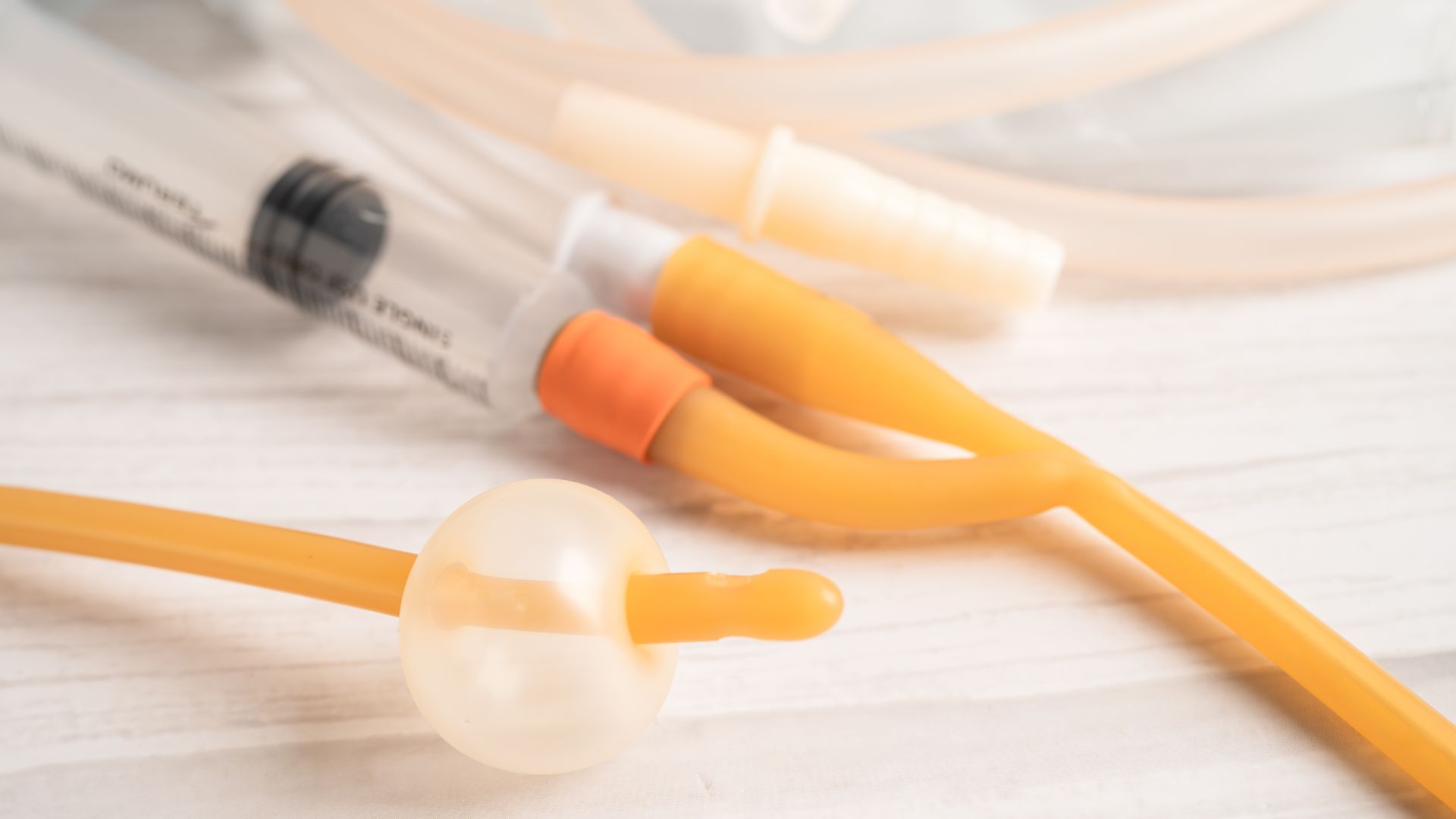
After some surgeries or after a brain stroke, sometimes a patient is not able to control his/her urinary bladder. This leads to social problems and poor hygiene. So a urinary catheter, called Foley’s catheter is left inside the bladder with a urine bag attached. This information will help you care for your own or your patient’s urinary (Foley) catheter.

Depending on the situation, either the patient himself/herself can manage the Foley’s catheter and bag, or a care provider, either a nurse or hospital trained staff should do it.

You may feel that you should do it for your father or mother, but remember, caring for your close and loved relative involves privacy issues and aversion to the work you are doing. Do it only if you feel confident that you can do it. Nurses and hospital staff are trained to do it. Is it’s not difficult, you only have to follow precise steps.

Table of Contents

About your urinary (Foley) catheter

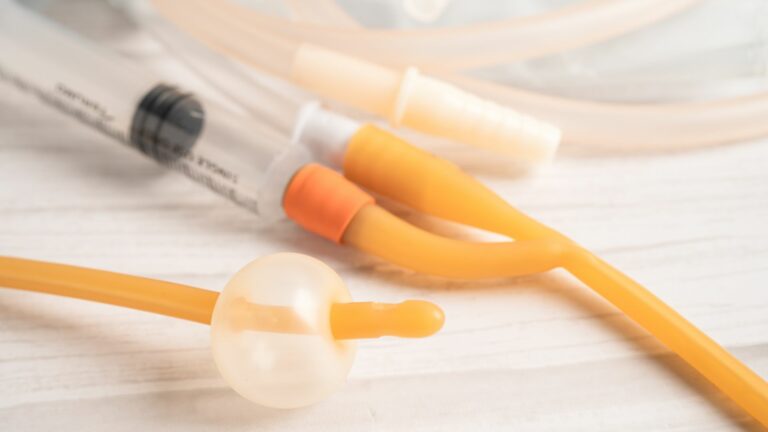
Foley catheter is a thin, flexible tube placed through your urethra (the small tube that carries urine from your bladder to outside your body) and into a urine bag. Your Foley catheter drains your urine. It’s held inside your bladder by a balloon filled with water.

How your Foley catheter works

Your urine goes from your bladder and through a drainage tube into a drainage collection bag. The drainage bag stays on your leg with a special tape.

How to take care of your Foley catheter

To take care of your Foley catheter, you will need to:

  • Clean your catheter every day.
  • Change your drainage bags. You will change your drainage bag 2 times a day.
  • Replace your drainage bags with new bags once a week. You should also change your drainage bag if it gets clogged or blocked.
  • Wash your drainage bags every day.
  • Drink 1 to 2 glasses of liquids every 2 hours while you’re awake to keep you hydrated.

You may see some blood or urine around where the catheter enters your body. This may happen when you’re walking or passing stool. This is normal if there’s urine draining into the drainage bag. If you do not have urine draining into the drainage bag, you must meet your doctor.

Penis or Vaginal care

Use a water-based lubricant to keep your penis or vagina opening from getting sore. Apply the gel where the catheter enters your body.

Keep your penis or vagina opening clean by taking a shower every day. This will help prevent infections when your Foley catheter is in place.

How to shower with your Foley catheter

  • You can shower while you have your catheter in place.
  • Do not take a tub bath until your catheter is removed. Taking a bath while you have your catheter in place puts you at risk for infections.
  • You may find it easier to shower in the morning before you change your bag to your leg bag.

How to clean your Foley catheter

You can clean your catheter while you’re in the shower. Follow these instructions.

  • Mild soap, such as Dove.
  • Wash your hands with soap and water or an alcohol-based hand sanitizer.
  • If you’re using an alcohol-based hand sanitizer, cover your hands with it. Rub them together until they’re dry.
  • Using mild soap and water, clean your penis or vagina.
  • If you have a penis, pull back your foreskin (the skin around the tip of your penis), if needed. Clean the area, including your penis.
  • If you have a vagina, separate your labia (the smaller folds of skin around your vaginal opening). Clean the area from front to back.
  • Clean the area where the catheter enters your body. This is called your urethra.
  • Clean the catheter from where it enters your body and then down, away from your body. Hold the catheter at the point it enters your body so that you do not put tension on it.
  • Rinse the area well and dry it gently.

When to change your drainage bags

You should change your drainage bag 2 times a day. Change it:

  • In the morning after you shower, change the bag.
  • At night before you go to bed, change the bag.
  • Replace your drainage bags with new bags once a week. You should also change your drainage bag if it gets clogged or blocked.

How to change your drainage bag

You will need:

  • A clean cloth (not one you’re using for bathing) or a 4 x 4 piece of gauze.
  • 2 alcohol pads.
  • Wash your hands with soap and water or an alcohol-based hand sanitizer thoroughly.
  • Empty the urine from the drainage bag into the toilet. Make sure the spout of the drainage bag never touches the side of the toilet or any emptying container. If it does, wipe it with an alcohol pad for 15 seconds.
  • Place the clean cloth or gauze under the connector to catch any leakage.
  • Pinch the catheter with your fingers and disconnect the used bag.
  • Wipe the end of the catheter with an alcohol pad.
  • Wipe the connector on the new bag with the second alcohol pad.
  • Connect the clean bag to the catheter and release your finger pinch. Make sure the catheter is tightly connected to the bag to keep it from opening or leaking.
  • Check all connections. Straighten any kinks or twists in the tubing.

How to take care of your drainage bags

  • Empty the leg bag into the toilet every 2 to 4 hours, as needed. You can do this through the spout at the bottom of the bag. Do not let the bag get completely full.
  • Do not lie down for longer than 2 hours while you’re wearing the leg bag. This can keep your urine from draining the way it should.

Caring for your drainage bag

  • Always keep the drainage bag below the level of your bladder.
  • When you go to sleep, hang your bag off the bed. You can do this by using a small trash can. Place a clean plastic bag inside the trash can. Hang your bag inside of the trash can.

Cleaning your drainage bags

Clean your bag every day. Follow these instructions.

You will need:

  • White vinegar.
  • Cool water.
  • Clean your hands with soap and water or an alcohol-based hand sanitizer.
  • Rinse the bag with cool water. Do not use hot water because it can damage the plastic.
  • To help get rid of the smell, fill the bag halfway with a mixture of 1part white vinegar and 3 parts water. Shake the bag and let it sit for 15 minutes.
  • Rinse the bag with cool water. Hang it up to dry.

How to prevent Foley catheter infections

Follow these guidelines to prevent getting infections while you have your catheter in place:

  • Keep the drainage bag below the level of your bladder.
  • Always keep your drainage bag off the floor.
  • Keep the catheter secured to your thigh to keep it from moving.
  • Do not lie on your catheter or block the flow of urine in the tubing.
  • Take a shower every day to keep the catheter clean.
  • Wash your hands before and after touching the catheter or bag.

Your catheter should be replaced about once a month, if it stops working, or if you have an infection.

Lumbar Disc Prolapse

Lumbar Disc Prolapse

Lumbar Disc Prolapse

By Dr.Ravindra Patil

Understanding, Managing, and Relieving Back Pain

Lumbar disc prolapse is a relatively common condition, affecting a significant portion of the population. Factors such as aging, genetics, and lifestyle contribute to its prevalence.

Table of Contents

Introduction

Lumbar disc prolapse, commonly known as a herniated disc, is a condition that can cause excruciating back pain and affect one’s overall spinal health. Understanding this condition, its causes, and treatment options is crucial for individuals seeking relief from the debilitating symptoms associated with disc herniation.

In mild cases of lumbar disc prolapse, individuals may experience minimal symptoms, often manifesting as localized back pain or discomfort. The pain might be intermittent and exacerbated by certain movements or positions. Mild numbness, tingling sensations, or a dull ache in the buttocks or legs may also occur. However, individuals with minimal symptoms usually maintain normal function and can perform daily activities without significant limitations. Conservative measures such as rest, over-the-counter pain medications, and lifestyle adjustments may be sufficient for managing these mild symptoms. It’s essential to note that even in cases of minimal symptoms, seeking medical attention is advisable for an accurate diagnosis and appropriate guidance on preventive measures to maintain spinal health and prevent the progression of disc prolapse symptoms.

Worst care scenarios of Lumbar disc prolapse is discussed at the end of this blog.

Understanding Lumbar Disc Prolapse

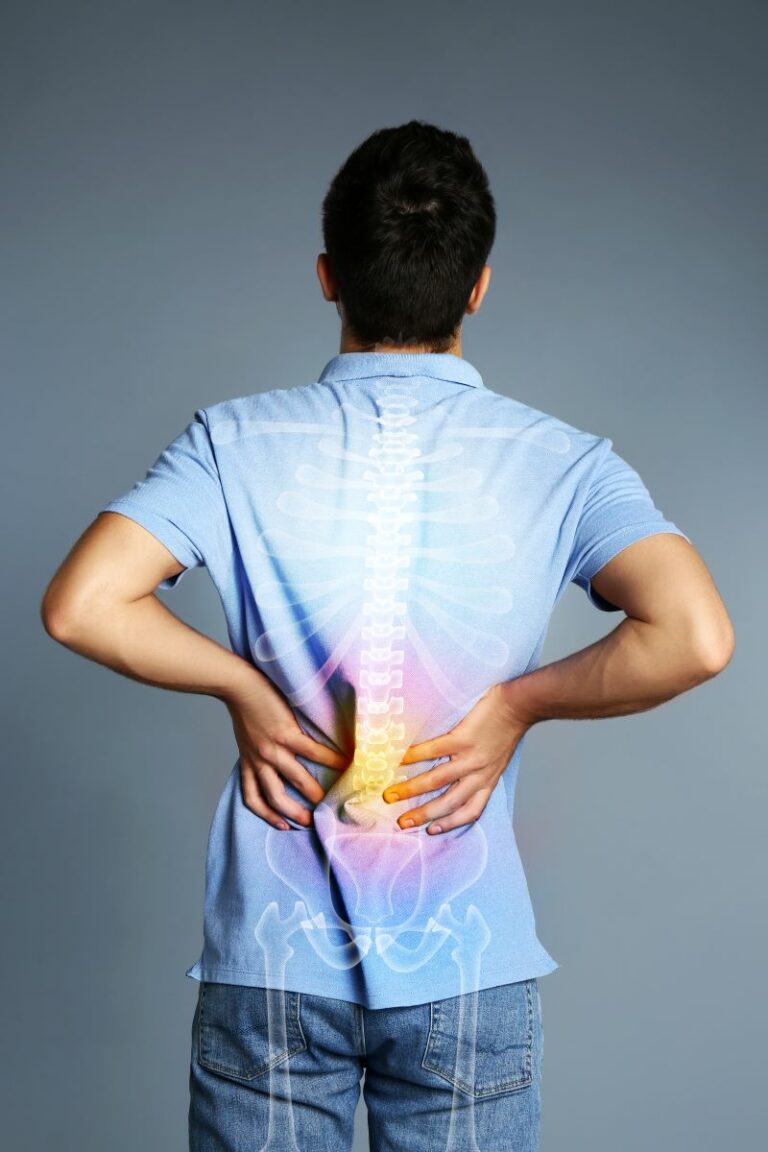
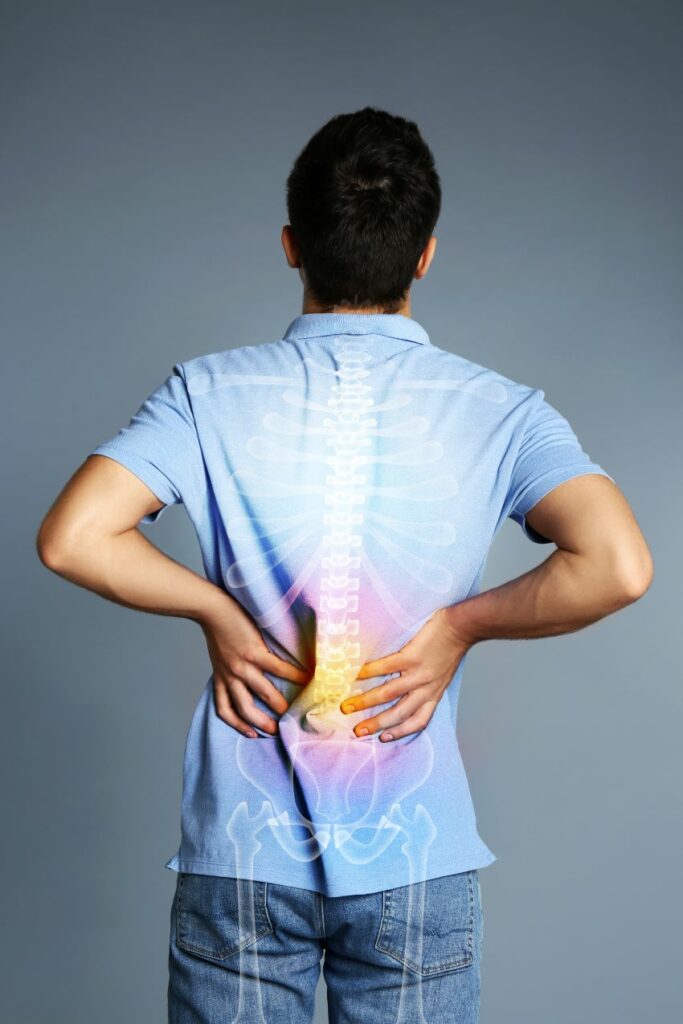
The lumbar spine consists of five vertebrae in the lower back, each separated by intervertebral discs responsible for cushioning and flexibility. In short, there are five lumbar vertebrae and four intervertebral discs. Lumbar disc prolapse occurs when the outer layer of a disc weakens or tears, causing the inner gel-like substance to protrude. This condition is often referred to as a herniated or slipped disc, and it can compress nearby nerves, leading to pain, numbness, and weakness in the affected area.

Common Causes of Disc Herniation

Several factors contribute to the development of lumbar disc prolapse. Aging is a primary factor, as discs naturally degenerate over time, losing water content and elasticity. Repetitive stress on the spine due to activities like heavy lifting or improper lifting techniques can also increase the risk of disc herniation. Other factors include obesity, genetic predisposition, and a sedentary lifestyle

Symptoms and Effects on Spinal Health

One of the hallmark symptoms of lumbar disc prolapse is persistent back pain, often radiating to the buttocks, thighs, and legs. Numbness, tingling sensations, and muscle weakness may also accompany the pain. In severe cases, disc herniation can lead to a condition known as Cauda Equina syndrome, characterized by bowel and bladder dysfunction, requiring immediate medical attention. It is discussed below.

Treatment Options for Disc Prolapse

Managing lumbar disc prolapse involves a combination of conservative and, in some cases, surgical interventions. Conservative treatments aim to alleviate pain and improve spinal health without resorting to surgery. These may include:

  1. Pain Medications: Non-steroidal anti-inflammatory drugs (NSAIDs) and muscle relaxants can help manage pain and inflammation.
  2. Physical Therapy: Targeted exercises can strengthen the muscles supporting the spine, improve flexibility, and promote overall spinal health.
  3. Hot and Cold Therapy: Applying heat or cold packs can help reduce inflammation and alleviate pain.
  4. Lifestyle Modifications: Adopting a healthy lifestyle, including maintaining a proper posture, regular exercise, and weight management, can contribute to preventing further disc herniation.

For cases where conservative treatments prove ineffective, surgical options may be considered. Procedures like discectomy or micro-discectomy aim to remove the protruding disc material and relieve pressure on the nerves.

Micro-Discectomy

Micro-Discectomy, also known as micro-decompression or micro-diskectomy, is a surgical procedure commonly used to treat lumbar disc prolapse or herniated discs. It is a minimally invasive surgery designed to alleviate the pressure on spinal nerves caused by the protrusion of disc material.

During a Micro-Discectomy, a small incision is made over the affected area of the spine. Unlike traditional open surgery, this minimally invasive approach involves the use of a microscope or magnifying lenses, allowing the surgeon to visualize the affected disc and surrounding structures with precision. The use of specialized instruments enables the removal of the herniated disc material, relieving compression on the nerves.

One of the primary advantages of Micro-Discectomy is its minimal disruption to surrounding tissues. By utilizing smaller incisions and specialized tools, the procedure reduces trauma to muscles and other structures in the spine. This not only results in less postoperative pain but also promotes a quicker recovery compared to traditional open surgery.

Patients undergoing Micro-Discectomy typically experience a significant reduction in symptoms such as back pain, leg pain, and numbness shortly after the procedure. The success rate of Micro-Discectomy in relieving symptoms associated with lumbar disc prolapse is generally high.

As with any surgical procedure, there are potential risks and complications, and it is crucial for individuals considering Micro-Discectomy to discuss these with their healthcare provider. However, for many patients, Micro-Discectomy offers an effective and minimally invasive solution to address the debilitating effects of lumbar disc prolapse, allowing them to regain mobility and improve their overall quality of life.

Managing Back Pain with Disc Compression Exercises

In addition to formal physical therapy, individuals with lumbar disc prolapse can benefit from disc compression exercises designed to alleviate pressure on the affected discs and promote healing. These exercises should be performed under the guidance of a healthcare professional. Some effective disc compression exercises include:

  1. Pelvic Tilts: Lie on your back with knees bent, gently tighten your abdominal muscles, and lift your pelvis off the floor, holding for a few seconds before lowering it back down.
  2. Cat-Cow Stretch: Start on your hands and knees, arch your back up like a cat, and then dip your back down, lifting your head and tailbone toward the ceiling.
  3. Child’s Pose: Kneel on the floor, sit back on your heels, and stretch your arms forward on the floor, lowering your chest towards the ground.
  4. Knee-to-Chest Stretch: Lie on your back, bring one knee toward your chest, and hold it with both hands. Repeat with the other knee.

Worst-Case Scenario of Lumbar Disc Prolapse

  • In the worst-case scenario of lumbar disc prolapse, severe and prolonged compression of spinal nerves can lead to debilitating complications. This may result in a condition known as cauda equina syndrome, characterized by a loss of bowel and bladder control, saddle anesthesia (loss of sensation in the buttocks and inner thighs), and progressive weakness in the legs.

    Cauda equina syndrome is a medical emergency requiring immediate intervention, typically through surgical decompression to alleviate pressure on the affected nerves. Failure to address cauda equina syndrome promptly may lead to permanent neurological damage. While such extreme complications are rare, it underscores the importance of seeking prompt medical attention when experiencing severe symptoms associated with lumbar disc prolapse to prevent irreversible consequences.

Conclusion

Lumbar disc prolapse can significantly impact one’s quality of life, but with a comprehensive understanding of the condition and proactive measures, individuals can manage back pain and promote spinal health. Whether through conservative treatments, surgical interventions, or targeted exercises, the key is to seek professional guidance to develop a personalized approach to address the unique challenges posed by lumbar disc prolapse. Remember, early intervention and a commitment to a healthy lifestyle play crucial roles in mitigating the effects of disc herniation and maintaining long-term spinal well-being.


लंबर डिस्क प्रोलॅप्स

लंबर डिस्क प्रोलॅप्स

By Dr.Ravindra Patil

Table of Contents

पाठदुखी समजून घेणे, उपचार करणे आणि पाठीचे दुःखणे कमी करणे

लंबर डिस्क प्रोलॅप्स ही तुलनेने खूप सामान्य स्थिती आहे. लोकसंख्येच्या खूप मोठ्या भागावर परिणाम करते. वृद्धत्व, आनुवंशिकता आणि जीवनशैली यासारखे घटक त्याच्या प्रसारास कारणीभूत ठरतात.

परिचय

लंबर डिस्क प्रोलॅप्स, ज्याला सामान्यतः हर्निएटेड डिस्क असेही म्हणतात, एक अशी स्थिती आहे ज्यामुळे पाठदुखीचा त्रास होऊ शकतो आणि एखाद्याच्या संपूर्ण पाठीच्या आरोग्यावर दुष्परिणाम होऊ शकतो. डिस्क हर्नियेशनशी संबंधित दुर्बल लक्षणांपासून आराम मिळवायचा प्रयत्न करणाऱ्या व्यक्तींसाठी ही स्थिती, त्याची कारणे आणि उपचार पर्याय समजून घेणे गरजेचे आहे.

लंबर डिस्क प्रोलॅप्सच्या सौम्य प्रकरणांमध्ये, व्यक्तींना कमीतकमी लक्षणे दिसू शकतात, बहुतेकदा स्थानिक पाठदुखी किंवा अस्वस्थता म्हणून प्रकट होतात. वेदना अधूनमधून आणि विशिष्ट हालचाली किंवा स्थितींमुळे वाढू शकते. सौम्य सुन्नपणा, मुंग्या येणे किंवा नितंब किंवा पाय मध्ये एक कंटाळवाणा वेदना देखील होऊ शकते. तथापि, कमीतकमी लक्षणे असलेल्या व्यक्ती सामान्यतः सामान्य कार्य राखतात आणि महत्त्वपूर्ण मर्यादांशिवाय दैनंदिन क्रियाकलाप करू शकतात. या सौम्य लक्षणांचे व्यवस्थापन करण्यासाठी विश्रांती, ओव्हर-द-काउंटर वेदना औषधे आणि जीवनशैली समायोजन यासारखे पुराणमतवादी उपाय पुरेसे असू शकतात. हे लक्षात घेणे आवश्यक आहे की अगदी कमी लक्षणांच्या बाबतीतही, अचूक निदानासाठी आणि मणक्याचे आरोग्य राखण्यासाठी आणि डिस्क प्रोलॅप्सच्या लक्षणांची प्रगती रोखण्यासाठी प्रतिबंधात्मक उपायांसाठी योग्य मार्गदर्शनासाठी वैद्यकीय मदत घेणे उचित आहे.

लंबर डिस्क प्रोलॅप्स नंतरची सर्वात वाईट परिस्थिती काय होऊ शकते त्याची चर्चा या ब्लॉगच्या शेवटी केली आहे.

लंबर डिस्क प्रोलॅप्स समजून घेणे

कमरेच्या मणक्यामध्ये पाठीच्या खालच्या भागात पाच मणके असतात. त्या पाच मणक्यांच्या मध्ये उशी देणे आणि त्यांना लवचिकतेसाठी देण्यासाठी जबाबदार असलेल्या चार इंटरव्हर्टेब्रल डिस्क असतात. थोडक्यात, पाच लंबर कशेरुका (मणके) आणि चार इंटरव्हर्टेब्रल डिस्क असतात. जेव्हा डिस्कचा बाहेरचा थर कमकुवत होतो तेव्हा लंबर डिस्क प्रोलॅप्स होते. त्यातील जेलसारखा पदार्थ बाहेर पडतो. या स्थितीला बर्‍याचदा हर्निएटेड किंवा स्लिप्ड डिस्क असे ही म्हंटले जाते. त्यामुळे जवळपासच्या नसा दाबल्या जातात, ज्यामुळे प्रभावित भागात वेदना, सुन्नपणा आणि अशक्तपणा येतो.

डिस्क हर्नियेशनची सामान्य कारणे

लंबर डिस्क प्रोलॅप्सच्या विकासामध्ये अनेक घटक योगदान देतात. वृद्धत्व हा एक प्राथमिक घटक आहे, कारण कालांतराने डिस्क नैसर्गिकरित्या दुबळ्या होतात व त्यातील पाण्याचे प्रमाण आणि लवचिकता गमावतात. जड वजन उचलणे किंवा अयोग्य प्रकार वजन उचलण्याने यांसारख्या क्रियांमुळे मणक्यावर वारंवार येणारा ताण देखील डिस्क हर्नियेशनचा धोका वाढवू शकतो. इतर घटकांमध्ये लठ्ठपणा, अनुवांशिक पूर्वस्थिती आणि बैठी जीवनशैली यांचा समावेश होतो.

लक्षणे आणि पाठीच्या आरोग्यावर प्रभाव

लंबर डिस्क प्रोलॅप्सच्या लक्षणांपैकी एक म्हणजे सतत पाठदुखी, जी बहुतेक वेळा नितंब, मांड्या आणि पायांपर्यंत पसरते. सुन्नपणा, मुंग्या येणे आणि स्नायू कमकुवत होणे हे देखील वेदना सोबत असू शकते. गंभीर प्रकरणांमध्ये, डिस्क हर्नियेशनमुळे कौडा इक्विना सिंड्रोम म्हणून ओळखल्या जाणार्‍या स्थितीस कारणीभूत ठरू शकते. यात आतडी आणि मूत्राशय यांचे कार्य बिघडते. यात त्वरित वैद्यकीय मदतीची आवश्यकता असते. या गंभीर स्थिती विषयी खाली चर्चा केली आहे.

डिस्क प्रोलॅप्ससाठी उपचार पर्याय

लंबर डिस्क प्रोलॅप्सच्या उपचारामध्ये सर्जरी शिवायचा उपचार किंवा सर्जरी यांचा समावेश असतो. काही प्रकरणांमध्ये, शस्त्रक्रिया करावीच लागते. शस्त्रक्रिये शिवायच्या उपचारांचा उद्देश असतो शस्त्रक्रिया न करता वेदना कमी करणे आणि मणक्याचे आरोग्य सुधारणे. यामध्ये खालील गोष्टी समाविष्ट असू शकतात:

  1. वेदना शामक औषधे: नॉन-स्टेरॉइडल अँटी-इंफ्लेमेटरी ड्रग्स (NSAIDs) आणि स्नायू शिथिल करणारी औषधे वेदना आणि जळजळ व्यवस्थापित करण्यात मदत करू शकतात.
  2. शारीरिक उपचार: लक्ष्यित व्यायाम मणक्याला आधार देणारे स्नायू मजबूत करू शकतात, लवचिकता सुधारू शकतात आणि एकूणच मणक्याचे आरोग्य वाढवू शकतात.
  3. गरम आणि थंड थेरपी: उष्णता किंवा थंड पॅक लागू केल्याने जळजळ कमी होण्यास आणि वेदना कमी करण्यास मदत होते.
  4. जीवनशैलीत बदल: योग्य आसन, नियमित व्यायाम आणि वजनाचे व्यवस्थापन यासह निरोगी जीवनशैलीचा अवलंब केल्याने पुढील डिस्क हर्नियेशन टाळण्यास हातभार लागू शकतो.

ज्या प्रकरणांमध्ये असे उपचार प्रभावी ठरत नाहीत, त्यत शस्त्रक्रिया करण्याचा विचार केला जाऊ शकतो. डिसकेक्टोमी किंवा मायक्रो- डिसकेक्टोमी सारख्या प्रक्रियांचा उद्देश डिस्क मटेरियल काढून टाकणे आणि मज्जातंतूंवरील दबाव कमी करणे आहे.

मायक्रे डिसकेक्टोमी

मायक्रो-डिसकेक्टोमी, ज्याला मायक्रो-डिकंप्रेशन देखील म्हणतात, एक अशी शस्त्रक्रिया आहे जी सामान्यतः लंबर डिस्क प्रोलॅप्स किंवा हर्निएटेड डिस्क्सवर उपचार करण्यासाठी वापरली जाते. ही एक कमीतकमी कापकूप करणारी शस्त्रक्रिया आहे जी डिस्क बाहेर पडल्यामुळे पाठीच्या मज्जातंतूंवरील दबाव कमी करण्यासाठी बनवण्यात आलेली आहे.

मायक्रो-डिसकेक्टोमी दरम्यान, मणक्याच्या प्रभावित भागावर एक लहान चीरा दिला जातो. खुल्या शस्त्रक्रियेच्या मोठे चीरे असतात, तर या कमीत कमी आक्रमक पद्धतीमध्ये सूक्ष्मदर्शक किंवा बहिर्गोल भिंगाचा वापर करतात. त्यामुळे सर्जनला प्रभावित डिस्क आणि आसपासच्या संरचना अचूक पणे पाहता येते. विशेष साधनांचा वापर केल्याने हर्नियेटेड डिस्क काढून टाकणे शक्य होते, व मज्जातंतूवरील दबाव कमी होते.

मायक्रो-डिसकेक्टोमीचा एक प्राथमिक फायदा म्हणजे आसपासच्या ऊतींना कमीतकमी इजा होते. लहान चीरे आणि विशेष साधनांचा वापर करून केलेल्या सर्जरी मध्ये स्नायू आणि मणक्यातील इतर संरचनांना होणारी इजा कमीत कमी असते. यामुळे केवळ शस्त्रक्रियेनंतरच्या वेदना कमी होतात हा फायदा होतो आणि पारंपारिक मोठे चीरे देऊन केलेल्या शस्त्रक्रियेच्या तुलनेत रूग्ण लवकर बरे होतात.

मायक्रो-डिसकेक्टोमी करण्यात येणार्‍या रूग्णांना सामान्यत: या प्रक्रियेनंतर पाठदुखी, पाय दुखणे आणि बधीरपणा यासारखी लक्षणे बरीच कमी होतात. लंबर डिस्क प्रोलॅप्सशी संबंधित लक्षणे दूर करण्यासाठी मायक्रो-डिसकेक्टोमी सर्जरीच्या यश चा दर जास्त असतो.

कोणत्याही शस्त्रडॉक्रियेच्या प्रक्रियेप्रमाणे, संभाव्य जोखीम आणि गुंतागुंत आहेत आणि मायक्रो-डिसकेक्टोमी चा विचार करणार्‍या व्यक्तींनी त्यांच्या डॉक्टरांशी याबद्दल चर्चा करणे महत्वाचे आहे. तथापि, बर्‍याच रूग्णांसाठी, लंबर डिस्क प्रोलॅप्सच्या वाईट परिणामांना बरे करण्यासाठी मायक्रो-डिसकेक्टोमी एक प्रभावी आणि कमीतकमी कापकूप करणारा सर्जरी असते. यामुळे रूग्णां परत लवकरच हिंडू फिरू शकतात आणि त्यांच्या जीवनाची एकूण गुणवत्ता सुधारू शकते.

डिस्क कॉम्प्रेशन व्यायामाने पाठदुखीचे उपचार

फिझियोथेरपी उपचारांव्यतिरिक्त, लंबर डिस्क प्रोलॅप्स असलेल्या व्यक्तींना प्रभावित डिस्कवरील दबाव कमी करण्यासाठी आणि उपचारांना प्रोत्साहन देण्यासाठी डिझाइन केलेल्या डिस्क कॉम्प्रेशन व्यायामाचा फायदा होऊ शकतो. हे व्यायाम फिझियोथेरपीस्टच्या मार्गदर्शनाखाली केले पाहिजेत. खाली काही प्रभावी डिस्क कॉम्प्रेशन व्यायाम दिले आहेत:

  1. पेल्विक टिल्ट्स: पाठीवर झोपा व गुडघे वाकवा, तुमचे पोटाचे स्नायू हळूवारपणे घट्ट करा आणि तुमचे कुल्ले जमिनीवरून वरती उचला, व काही सेकंद तसेच रहा, मग परत कुल्ले जमिनीवर टेकवा.
  2. कॅट-काऊ स्ट्रेच: रांगण्याची पोझीशन घ्या, मांजरीप्रमाणे तुमची पाठ वाकवून उंच करा आणि नंतर तुमची पाठ खालच्या बाजुला वाकवा. त्या वेळी तुमचे डोके आणि शेपटीचे हाड छताच्या दिशेने उचला.
  3. मुलाची पोझ: जमिनीवर गुडघे टेकून, टाचांवर बसा, आणि तुमचे हात जमिनीवर पुढे पसरवा, तुमची छाती जमिनीच्या दिशेने खाली करा, शक्य झाले तर छाती जमिनीला टेकवा.
  4. गुडघ्यापासून छातीपर्यंत ताणणे: उताणे झोपा, एक गुडघा तुमच्या छातीकडे आणा आणि दोन्ही हातांनी धरा. तसेच दुसऱ्या गुडघ्याला करा, व आलटून पालटून करत रहा.

लंबर डिस्क प्रोलॅप्सची सर्वात वाईट परिस्थिती

लंबर डिस्क प्रोलॅप्सच्या सर्वात वाईट परिस्थितीत, पाठीच्या मज्जातंतूंच्या तीव्र आणि दीर्घकाळापर्यंत दबावामुळे (कॉम्प्रेशनमुळे) गंभीर कॉम्प्लिकेशन्स होऊ शकतात. यामुळे कौडा इक्विना सिंड्रोम होऊ शकतो. यामध्ये आतडी आणि मूत्राशयावरील नियंत्रण कमी होणे, सॅडल ऍनेस्थेसिया (नितंब आणि आतील मांड्यांमधील संवेदना कमी होणे) आणि पायांमध्ये प्रगतीशील कमकुवतपणा येतो.

काउडा इक्विना सिंड्रोम ही एक वैद्यकीय आणीबाणी (इमरजन्सी) आहे ज्यामध्ये तत्काळ उपचार आवश्यक असतात, विशेषत: प्रभावित नसावरील दबाव कमी करण्यासाठी शस्त्रक्रियेद्वारे डीकंप्रेशन करावे लागते. काउडा इक्विना सिंड्रोमवर त्वरित उपाय करण्यात अयशस्वी झाल्यास कायमचे न्यूरोलॉजिकल नुकसान होऊ शकते. अशी गंभीर कॉम्प्लिकेशन्स दुर्मिळ असताना. अपरिवर्तनीय परिणाम टाळण्यासाठी लंबर डिस्क प्रोलॅप्सशी संबंधित गंभीर लक्षणे अनुभवताना त्वरित वैद्यकीय मदत घेणे अत्यंत गरजेचे असते.

निष्कर्ष

लंबर डिस्क प्रोलॅप्स एखाद्या व्यक्तीच्या जीवनाच्या गुणवत्तेवर लक्षणीय दुष्परिणाम करू शकते, परंतु स्थितीची व्यापक समज आणि सक्रिय उपायांसह, व्यक्ती पाठदुखीचे व्यवस्थापन करू शकतात आणि पाठीच्या आरोग्यास प्रोत्साहन देऊ शकतात. जुन्या प्रकारचे उपचार, सर्जरी किंवा विशेष व्यायामांद्वारे असो, लंबर डिस्क प्रोलॅप्समुळे उद्भवलेल्या अवघड आव्हानांना तोंड देण्यासाठी वैयक्तिक दृष्टीकोन विकसित करण्यासाठी व्यावसायिक मार्गदर्शन मिळवणे ही मुख्य गोष्ट आहे. लक्षात ठेवा, लवकर हस्तक्षेप आणि निरोगी जीवनशैलीची साठी डिस्क हर्निएशनचे परिणाम कमी करण्यात आणि पाठीच्या कण्यातील दीर्घकालीन कल्याण राखण्यासाठी महत्त्वपूर्ण भूमिका बजावते.

घरी लघवीच्या नळीची (फोलीज कॅथेटर) काळजी

घरी लघवीच्या नळीची (फोलीज कॅथेटर) काळजी

By Dr.Ravindra Patil

घरी लघवीच्या नळीची (फोलीज कॅथेटर) काळजी

काही शस्त्रक्रियांनंतर किंवा ब्रेन स्ट्रोकनंतर, काहीवेळा रुग्णाला त्याच्या मूत्राशयावर नियंत्रण ठेवता येत नाही. यामुळे सामाजिक समस्या आणि अस्वच्छता निर्माण होते. त्यामुळे मूत्राशयाच्या आत एक नळी घालून ठेवतात. त्याला फॉलीज कॅथेटर म्हणतात. ही माहिती तुम्हाला तुमच्या स्वतःच्या फॉलीज कॅथेटरची किंवा तुमच्या रुग्णाच्या फॉलीज कॅथेटरची काळजी घेण्यात मदत करेल.

परिस्थितीनुसार, एकतर रुग्ण स्वतः/स्वतः फॉलीचे कॅथेटर आणि पिशवी यांची काळजी घेऊ शकतो किंवा एकतर परिचारिका किंवा हॉस्पिटल प्रशिक्षित कर्मचार्‍यांनी हे काम करू शकतात.

तुम्हाला असे वाटेल की तुम्ही तुमच्या वडिलांसाठी किंवा आईसाठी तुम्ही हे केले पाहिजे, परंतु लक्षात ठेवा, तुमच्या जवळच्या आणि प्रिय नातेवाईकाची काळजी घेण्यात गोपनीयतेच्या समस्या आणि तुम्ही करत असलेल्या कामाचा तिरस्कार येऊ शकतो. आपण ते करू शकू असा भक्कम आत्मविश्वास तुम्हाला वाटत असेल तरच हे करा. त्यासाठी परिचारिका आणि रुग्णालयातील कर्मचाऱ्यांना प्रशिक्षण दिले जाते. हे कठीण नाही आहे, आपल्याला फक्त अचूक चरणांचे अनुसरण करावे लागते.

Table of Contents

फोलीज कॅथेटर म्हणजे काय ?

फॉली कॅथेटर एक पातळ व लवचिक नलिका असते. ती तुमच्या मूत्राशयातून तुमच्या शरीराबाहेर मूत्र वाहून नेते. ती तुमच्या मूत्राशयात ठेवली जाते. अशी प्रकारे फॉलीज कॅथेटर तुमची लघवी काढून एका पिशवीत साठते. फॉलीज कॅथेटरची नळी बाहेर येऊ नये म्हणून त्यात पाण्याने भरलेल्या फुगा असतो त्या फुग्याने फॉलीज केथेटर तुमच्या मूत्राशयात धरला जातो.

फॉलीज कॅथेटर कसे कार्य करते

तुमचे मूत्र तुमच्या मूत्राशयातून आणि ड्रेनेज ट्यूबमधून ड्रेनेज कलेक्शन बॅगमध्ये जाते. ड्रेनेज पिशवी एका विशेष टेपने पायावर राहते.

तुमच्या फॉली कॅथेटरची काळजी कशी घ्यावी

तुमच्या फॉली कॅथेटरची काळजी घेण्यासाठी, तुम्हाला हे करणे आवश्यक आहे:

  • तुमचा कॅथेटर दररोज स्वच्छ करा.
  • तुमची ड्रेनेज पिशवी दिवसातून दोन वेळा रिकामी करा.
  • तुमच्या ड्रेनेज पिशव्या आठवड्यातून एकदा बदलून तिथे नवीन पिशवी लावा.
  • तुमच्या ड्रेनेज पिशवीची नळी जर तुंबली असेल तर तुम्ही ती बदलली पाहिजे.
  • तुमच्या ड्रेनेज पिशव्या दररोज धुवा.
  • शरीरात योग्य प्रमाणात पाणी राखण्याकरता तुम्ही जागे असताना दर दोन तासांनी एखादा ग्लास पाणी किंवा इतर द्रव प्या.

कॅथेटर तुमच्या शरीरात प्रवेश करतो त्याच्या आजूबाजूला तुम्हाला कधी कधी रक्त किंवा मूत्र दिसू शकते. तुम्ही चालत असताना किंवा शी करतांना हे घडू शकते. ड्रेनेज बॅगमध्ये लघवी जात असल्यास हे सामान्य आहे. पण जर तुमच्याकडे ड्रेनेज पिशवीमध्ये लघवी होत नसेल, तर तुम्ही तुमच्या डॉक्टरांना भेटणे आवश्यक आहे.

पुरुषाचे जननेंद्रिय किंवा स्त्रियांच्या योनीची काळजी

पुरुषाचे जननेंद्रिय किंवा स्त्रियांच्या योनी यांत जेथे कॅथेटर आत शिरते तेथून संक्रमण दूर ठेवण्यासाठी पाणी-आधारित लुब्रीकंट वापरा. कॅथेटर तुमच्या शरीरात जिथे जाईल तिथे जेल लावा.

दररोज आंघोळ करून पुरुषाचे जननेंद्रिय किंवा स्त्रियांचा योनीमार्ग स्वच्छ ठेवा. तुमचे फॉलीज कॅथेटर असताना हे संक्रमण टाळण्यास मदत करेल.

फॉलीज कॅथेटर सहीत आंघोळ कशी करावी

  • तुमच्या मुत्राशयात फॉलीज कॅथेटर असताना तुम्ही आंघोळ करू शकता.
  • तुमचा कॅथेटर काढून टाकेपर्यंत टब बाथ मात्र घेऊ नका. कॅथेटर असताना तसे केल्याने तुम्हाला संसर्ग होण्याचा धोका असतो.
  • तुम्ही सकाळी आंघोळ करून मग तुमची बॅग बदला.

फॉलीज कॅथेटर कसा स्वच्छ करावा

तुम्ही शॉवरमध्ये असताना तुमचे कॅथेटर स्वच्छ करू शकता. या सूचनांचे पालन करा.

  • सौम्य साबण वापरा, जसा की डोव्ह.
  • तुमचे हात साबण आणि पाण्याने किंवा अल्कोहोल-आधारित हँड सॅनिटायझरने धुवा.
  • तुम्ही अल्कोहोल-आधारित हँड सॅनिटायझर वापरत असल्यास, हात कोरडे होईपर्यंत त्यांना एकमेकांवर घासा.
  • सौम्य साबण आणि पाणी वापरून, तुमचे लिंग किंवा योनी स्वच्छ धुवा.
  • पुरुषाचे जननेंद्रिय असल्यास पुढची त्वचा (तुमच्या लिंगाच्या टोकाभोवतीची त्वचा) मागे घ्या. तुमच्या लिंगासह क्षेत्र स्वच्छ करा.
  • योनी असल्यास, योनीमार्गाच्या भोवतालची त्वचेची लहान पट वेगळी करा. समोरून ते माग पर्यांतचा भाग स्वच्छ करा.
  • कॅथेटर तुमच्या शरीरात प्रवेश करतो ती जागा स्वच्छ करा. याला तुमचे मूत्रमार्ग म्हणतात.
  • आधी कॅथेटर जिथून तुमच्या शरीरात प्रवेश करतो तेथून स्वच्छ करायला सुरुवात करा आणि नंतर खाली तुमच्या शरीरापासून दूर स्वच्छ करा. कॅथेटर तुमच्या शरीरात प्रवेश करते त्या ठिकाणी धरून ठेवा जेणेकरून त्यावर ताण येऊ नये.
  • क्षेत्र चांगले स्वच्छ धुवा आणि हळूवारपणे कोरडे करा.

ड्रेनेज पिशव्या कधी बदलायच्या

ड्रेनेज पिशवी दिवसातून दोन वेळा बदलावी:

  • सकाळी आंघोळ केल्यानंतर रात्रीची बॅग बदला.
  • रात्री झोपण्यापूर्वी बॅग बदला.
  • आठवड्यातून एकदा नवीन ड्रेनेज पिशव्या लावा. ड्रेनेज पिशवी तुंबली असेल किंवा ब्लॉक झाली असेल तर तुम्ही ती बदलली पाहिजे.

तुमची ड्रेनेज पिशवी कशी बदलावी

या साठी तुम्हाला खालील गोष्टींची गरज पडेल:

  • स्वच्छ कापड (तुम्ही आंघोळीसाठी वापरत नसलेले) किंवा 4 इंच x 4 इंच कापसाचे कापड.
  • दुसरी ड्रेनेज पिशवी.
  • दोन अल्कोहोल पॅड.
  • आपले हात साबण आणि पाण्याने किंवा अल्कोहोल-आधारित हँड सॅनिटायझरने चांगले धुवा.
  • ड्रेनेज बॅगमधून मूत्र शौचालयात रिकामे करा. ड्रेनेज पिशवीचा, शौचालयाच्या बाजूला किंवा कोणत्याही रिकाम्या कंटेनरला कधीही स्पर्श होणार नाही याची काळजी घ्या. चुकून स्परर्श झाला तर जी जागा 15 सेकंदांसाठी अल्कोहोल पॅडने पुसून काढा.
  • नळी किंवा पिशवी कुठून गळत आहे हे शोधण्यासाठी कनेक्टरखाली स्वच्छ कापड किंवा कापसाचे कापड ठेवा.
  • कॅथेटरला तुमच्या बोटांनी चिमटा आणि मगच वापरलेली पिशवी सोडवा करा.
  • कॅथेटरच्या शेवटचे टोक अल्कोहोल पॅडने पुसून टाका.
  • नवीन पिशवीवरील कनेक्टर दुसऱ्या अल्कोहोल पॅडने पुसून टाका.
  • स्वच्छ पिशवी कॅथेटरशी जोडा आणि मगच तुमच्या बोटाची चिमूट सोडा. म्हणजे लघवी गळणार नाही. पिशवी गळण्या पासून रोखण्यासाठी कॅथेटर त्याच्याशी घट्ट जोडलेला असल्याची खात्री करा.
  • सर्व कनेक्शन तपासा. टयूबिंगमधील कोणतीही आटी किंवा वळण असल्यास सरळ करा.

ड्रेनेज बॅगची काळजी कशी घ्यावी

  • आवश्यकतेनुसार दर 2 ते 4 तासांनी बॅग टॉयलेटमध्ये रिकामी करा. आपण पिशवीच्या तळाशी असलेल्या झाकणावाटे हे करू शकता. पिशवी पूर्णपणे भरू देऊ नका.
  • दिवसा तुम्ही लेग बॅग घातली असताना दोन तासांपेक्षा जास्त वेळ झोपू नका. यामुळे तुमचे लघवी जसे हवे तसे निचरा होण्यापासून रोखू शकते.

रात्रीच्या ड्रेनेज बॅगची काळजी घेणे

  • रात्रीची पिशवी नेहमी तुमच्या मूत्राशयाच्या पातळीच्या खालच्या पातळीवर ठेवा.
  • जेव्हा तुम्ही झोपायला जाल तेव्हा तुमची नाईट बॅग पलंगाच्या खाली लटकवा. एक लहान कचरापेटी वापरून हे करू शकता. कचरापेटीत स्वच्छ प्लास्टिक पिशवी ठेवा. तुमची नाईट बॅग कचराकुंडीच्या आत लटकवा.

आपल्या ड्रेनेज पिशव्या साफ करणे

तुमच्या मुत्राच्या बॅग दररोज आतून स्वच्छ करा. या सूचनांचे पालन करा.

या साठी तुम्हाला गरज पडेल:

  • पांढरे व्हिनेगर.
  • थंड पाणी.
  • तुमचे हात साबण आणि पाण्याने किंवा अल्कोहोल-आधारित हँड सॅनिटायझरने स्वच्छ करा.
  • पिशवी थंड पाण्याने स्वच्छ धुवा. गरम पाणी वापरू नका कारण ते प्लास्टिक खराब करू शकते.
  • वासापासून मुक्त होण्यासाठी, 1 भाग पांढरा व्हिनेगर आणि 3 भाग पाण्याच्या मिश्रणाने पिशवी अर्धवट भरा. पिशवी हलवा आणि 15 मिनिटे ते मिश्रण पिशवीत राहू द्या.
  • पिशवी थंड पाण्याने स्वच्छ धुवा. सुकण्यासाठी तिला उलटी टांगून ठेवा.

फॉलीज कॅथेटर मुळे होणारे संक्रमण कसे टाळावे

तुमच्या शरीरात कॅथेटर असताना संक्रमण होण्यापासून रोखण्यासाठी या मार्गदर्शक तत्त्वांचे अनुसरण करा:

  • ड्रेनेज पिशवी तुमच्या मूत्राशयाच्या पातळीच्या खाली ठेवा.
  • ड्रेनेज पिशवी नेहमी जमिनीपासून दूर ठेवा.
  • कॅथेटर हलू नये म्हणून आपल्या मांडीला सुरक्षित ठेवा.
  • कॅथेटरवर झोपू नका किंवा ट्यूबिंगमध्ये लघवीचा प्रवाह रोखू नका.
  • कॅथेटर स्वच्छ ठेवण्यासाठी दररोज शॉवर घ्या.
  • कॅथेटर किंवा पिशवीला स्पर्श करण्यापूर्वी आणि नंतर आपले हात धुवा.

तुमचे कॅथेटर महिन्यातून एकदा बदलले पाहिजे. पण जर तो काम करत नसेल थांबले किंवा तुम्हाला संसर्ग झाला असेल तरी कॅथेटर लगेच बदलायला हवा.