ट्रायजेमिनल मज्जातंतुवेदना (न्युरालजिया)

trigeminal neuralgia

ट्रायजेमिनल मज्जातंतुवेदना (न्युरालजिया)

By Dr. Ravindra Patil

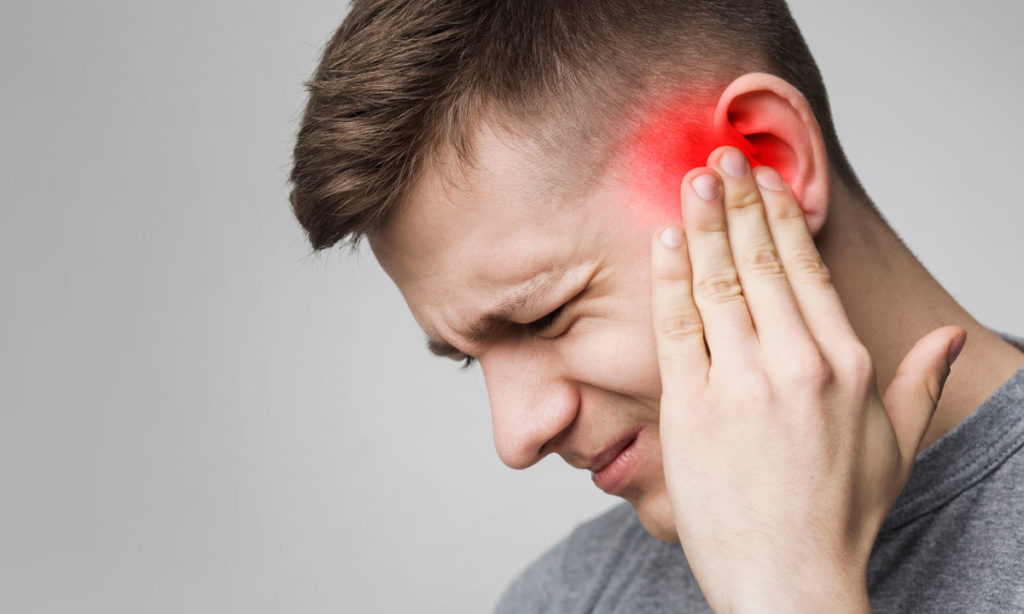
ट्रायजेमिनल न्यूराल्जिया (टीएन), कधीकधी मानव जातीला होत असलेल्या वेदनांमध्ये ‘सर्वाधीक वेदनादायक’ असे वर्णन केले जाते. वेदनांमध्ये सामान्यत: खालचा चेहरा आणि जबडा समाविष्ट असतो. काहीवेळा नाकाच्या आसपास आणि डोळ्यांच्या वरच्या भागावर देखील दुखते. ही तीव्र, सळी घुसवल्यासारखी, विजेच्या धक्क्यासारखी वेदना ट्रायजेमिनल नर्व्हला सतत होणार्‍या बारीक इजांमुळे होते. ट्रायजेमिनल नर्व्हच्या कपाळ, गाल आणि खालच्या जबड्यात फांद्या असतात व तिथे अतिशय तीव्रतेने दुखते. हे दुखणे सहसा चेहऱ्याच्या एका बाजूलाच मर्यादित असते. दात घासणे, खाणे किंवा अचानक वार्‍याची झुळूक यासारख्या नित्य आणि किरकोळ गोष्टींमुळे वेदना सुरू होऊ शकतात. उपचार न केल्यास, ट्रायजेमिनल मज्जातंतुवेदना हळूहळू अधीक वाढत जाऊ शकतात. फेसियल न्युराल्जिया म्हणजे चेहर्याचा मज्जातंतुवेदना, म्हणजेच चेहऱ्यावर मज्जातंतूशी संबंधित वेदना.

ट्रायजेमिनल न्यूराल्जियाचा संपूर्ण उपचार होऊ शकत नाही पण अति तीव्र वेदना कमी करण्यासाठी उपचार उपलब्ध आहेत. सामान्यतः, अँटीकॉन्व्हल्सिव्ह औषधे ही उपचारांची पहिली पायरी असते. पण ज्या रूग्णांना औषधांनी बरे वाटत नाही किंवा ज्यांना औषधांचे गंभीर दुष्परिणाम होतात त्यांच्यासाठी शस्त्रक्रिया हा एक प्रभावी पर्याय असू शकतो.

Table of Contents

ट्रायजेमिनल नर्व्ह

ट्रायजेमिनल नर्व्ह हा क्रॅनियल नर्व्हचा एक संच आहे, याचा अर्थ ट्रायजेमिनल नर्व्ह मेंदूतून निघते. हा मज्जातंतू चेहऱ्याला संवेदना देण्यासाठी जबाबदार आहे. आपल्या चेहऱ्याच्या दोन्ही बाजूला दोन ट्रायजेमिनल नसा असतात. ट्रायजेमिनल नर्व मेंदूतून बाहेर निघते आणि कवटीच्या आत जाते, जिथे ती तीन लहान शाखांमध्ये विभागते, व शेवटी संपूर्ण चेहऱ्यावरील संवेदना नियंत्रित करते. तिच्या तीन शाखा खालील प्रमाणे असतातः

  • ऑप्थाल्मिक नर्व्ह- आपल्या डोळ्यांत आणि कपाळावर संवेदना नियंत्रित करते.
  • मॅक्सिलरी नर्व्ह- खालच्या पापण्या, गाल, नाकपुडी, वरचे ओठ आणि वरच्या हिरड्यांमध्ये संवेदना नियंत्रित करते.
  • मॅंडिब्युलर नर्व- जबडा, खालचा ओठ, खालची हिरडी आणि चघळण्यासाठी वापरल्या जाणार्‍या काही स्नायूंमधील संवेदना मंडिब्युलर नर्व्ह नियंत्रित करते.

ट्रायजेमिनल

असे नोंदवले जाते की दरवर्षी 150,000 लोकांना ट्रायजेमिनल न्यूराल्जियाचे निदान होते. हा विकार कोणत्याही वयात उद्भवू शकतो, परंतु 50 वर्षांपेक्षा जास्त वयाच्या लोकांमध्ये हा विकार जास्त प्रमाणात असतो. पुरुषांपेक्षा स्त्रियांमध्ये हा रोग दुप्पट वेळा आढळतो.

ट्रायजेमिनल न्यूराल्जियाचे प्रकार

ट्रायजेमिनल न्यूराल्जियाचे दोन मुख्य प्रकार आहेत:

  • टिपिकल (प्रकार १) ट्रायजेमिनल मज्जातंतुवेदना – रुग्णाला तीक्ष्ण, तीव्र आणि तुरळक वेदना होतात.
  • एटिपिकल (प्रकार २) ट्रायजेमिनल न्यूराल्जिया – हे कमी वेदनादायक आणि तीव्र परंतु अधिक व्यापक असते.

कारणे

TN चे नेमके कारण अद्याप अज्ञात आहे, परंतु त्याच्याशी संबंधित वेदना मज्जातंतूची जळजळ दर्शवते. प्राथमिक ट्रायजेमिनल मज्जातंतुवेदना मज्जातंतूच्या संकुचनामुळे होते, विशेषत: डोक्याच्या तळाशी जेथे मेंदू पाठीच्या कण्याला भेटतो. हे सहसा निरोगी धमनी किंवा शिरा आणि मेंदूच्या पायथ्याशी असलेल्या ट्रायजेमिनल नर्व्ह यांच्यातील संपर्कामुळे होते. हे मेंदूमध्ये प्रवेश करताना मज्जातंतूवर दबाव आणते आणि मज्जातंतूंमध्ये तीव्र वेदना उत्पन्न होतात. ट्यूमर, सिस्ट, चेहऱ्यावरील दुखापत किंवा मायलिन आवरणांना हानी पोहोचवणाऱ्या कोणत्याही वैद्यकीय स्थितीसारख्या मेंदूच्या रोगातून देखील मज्जातंतूवर दाब पडल्यामुळे दुय्यम TN होतो.

ट्रायजेमिनल न्यूराल्जियाची लक्षणे

दर वेळी चेहऱ्याच्या एका बाजूचे दुखणे म्हणजे ट्रायजेमिनल न्यूराल्जियाच असतो असे नही. बहुतेक रुग्ण म्हणतात की त्यांच्या वेदना आपोआप सुरू होतात. इतर रुग्ण म्हणतात की त्यांच्या मज्जातंतूचा वेदनांची सुरुवात कार अपघातानंतर, चेहऱ्यावर आघात किंवा डेन्टिस्टच्या ट्रीटमेन्ट नंतर झाली.

टीएन चे चक्र असते. रुग्णांवर अनेकदा वारंवार हल्ले होतात, त्यानंतर आठवडे, महिने किंवा कधी कधी अनेक वर्षे कमी वेदना होतात किंवा अजिबात वेदना होत नाहीत. वेदना सामान्यत: विजेच्या शॉक बसल्यासारखे वाटून सुरू होतात व त्यांचा शेवट 20 सेकंदांपेक्षा कमी वेळात तीव्र वेदना होऊन होतो.

वेदना एका ठिकाणी केंद्रित केली जाऊ शकते किंवा ती संपूर्ण चेहऱ्यावर पसरू शकते. सामान्यतः, हे फक्त एका बाजूने चेहऱ्याचे दुखणे असते, उदा.… चेहऱ्याच्या उजव्या बाजूला, जबडा आणि कानात दुखणे; तथापि, क्वचित प्रसंगी आणि कधीकधी मल्टिपल स्क्लेरोसिसशी संबंधित दुखणे. रुग्णांना त्यांच्या चेहऱ्याच्या दोन्ही बाजूंनाही वेदना जाणवू शकतात. वेदना क्षेत्रांमध्ये गाल, जबडा, दात, हिरड्या, ओठ, डोळे आणि कपाळ यांचा समावेश होतो.

TN चे हल्ले खालील कारणांमुळे होऊ शकतात:

  • त्वचेला हलके स्पर्श करणे
  • धुणे
  • दाढी करणे
  • दात घासणे
  • नाक शिंकरणे
  • गरम किंवा थंड पेये पिणे
  • हलक्या वाऱ्याची झुळूक अनुभवणे
  • मेकअप लावणे
  • हंसणे
  • बोलणे

TN प्रमाणेच इतर अनेक रोगांमध्ये अशा प्रकारेच दुखते. मेंदूचे विशेषज्ञ अचूक निदान करण्यासाठी विविध चाचण्या वापरतात.

ट्रायजेमिनल न्यूराल्जियाचे निदान

TN चे निदान करणे खूप कठीण आहे, कारण या साठी कोणत्याही विशिष्ट निदान चाचण्या नाहीत आणि लक्षणे चेहर्यावरील वेदनांच्या इतर विकारांसारखीच असतात. म्हणूनच, डोळे, ओठ, नाक, जबडा, कपाळ आणि टाळूभोवती असामान्य, तीक्ष्ण वेदना जाणवत असल्यास वैद्यकीय मदत घेणे महत्वाचे आहे. खास करून जर तुमची अलीकडे दात किंवा चेहऱ्याची कोणतीही शस्त्रक्रिया करवून घेतली असेल आणि दुखणे सुरु झाले तर टीएन साठी डॉक्टरांना दाखवणे आवश्यक आहे.

TN चे निदान सामान्यत: रुग्णाने दिलेल्या लक्षणांचे वर्णन, रुग्णाचा तपशीलवार इतिहास आणि क्लिनिकल मूल्यमापनाच्या आधारे केले जाते.

चाचण्या

TN साठी कोणत्याही विशिष्ट निदान चाचण्या नाहीत, म्हणून डॉक्टरांनी लक्षणे आणि इतिहास, वेदना प्रकार, वेदनांचे स्थान आणि वेदना सुरू करणाऱ्या गोष्टींवर खूप अवलंबून असते. एमआरआय स्कॅन ट्यूमर (मेंदूची गाठ) किंवा मल्टिपल स्क्लेरोसिस शोधू शकते. जर रक्तवाहिनीच्या नर्व वरील दाबामुळे दुखत असते तर तर नवीन स्कॅनिंग तंत्रे तंत्रिका वर दाबत आहे की नाही हे दर्शवू शकतात आणि नर्व संकुचित होण्याची डिग्री देखील दर्शवू शकतात.

ट्रायजेमिनल न्यूराल्जियाचा शस्त्रक्रिये शिवाय उपचार

वेदना कमी करण्याचे अनेक प्रभावी मार्ग आहेत, ज्यात विविध औषधे वापरतात. औषधे सामान्यत: कमी डोसमध्ये सुरू केली जातात आणि रुग्णाच्या प्रतिसादावर हळूहळू डोस वाढवतात.

  • कार्बामाझेपाइन
  • गॅबापेंटिन
  • ऑक्सकार्बाझेपाइन

इतर औषधांमध्ये बॅक्लोफेन, अॅमिट्रिप्टाइलीन, प्रीगाबालिन, फेनिटोइन, व्हॅल्प्रोइक ऍसिड इ.

औषधांचे साइड इफेक्ट्स असू शकतात आणि दीर्घकाळ वापर केल्यानंतर ते निकामी होऊ शकतात.

ट्रायजेमिनल न्यूराल्जियाचा शस्त्रक्रियाने उपचार

TN वर उपचार करण्यासाठी औषधे निकामी ठरली तर अनेक प्रकारच्या शस्त्रक्रिया वेदना नियंत्रित करण्यात मदत करू शकतात.

ओपन सर्जरी

मायक्रोव्हस्कुलर डीकंप्रेशन शस्त्रक्रियेमध्ये ट्रायजेमिनल नर्व्ह रूटचे मायक्रोसर्जरी करून उघडतात आणि मज्जातंतूला दाबत असलेली रक्तवाहिनी दूर करतात. ही शस्त्रक्रिया जरी हे सर्वात उत्तम असली तरी तरी ही सर्वात आक्रमक देखील आहे.

जखम प्रक्रिया

पर्क्यूटेनियस रेडिओफ्रिक्वेंसी राइझोटॉमी इलेक्ट्रोकोएग्युलेशन (उष्णता) च्या वापराद्वारे टीएनवर उपचार करतात. हे मज्जातंतूचा वेदना कारणीभूत भाग नष्ट करून आणि मेंदूला वेदना सिग्नल दाबून मज्जातंतूच्या वेदना कमी करू शकते.

पर्क्यूटेनियस बलून कॉम्प्रेशन सुईचा वापर करते जी गालातून ट्रायजेमिनल नर्व्हकडे जाते. सुई द्वारा एक बारीक फुगा मज्जातंतू संकुचित करतो, वेदना निर्माण करणार्‍या तंतूंना इजा करतो आणि नंतर काढला जातो. त्यामुळे सतत होणारे दुखणे थांबते.

पर्क्यूटेनियस ग्लिसरॉल राइझोटॉमीमध्ये सुईद्वारे ग्लिसरॉलचे इंजेक्शन ट्रायजेमिनल मज्जातंतूं ज्या ठिकाणी तीन मुख्य शाखांमध्ये विभाजीत होतो त्या ठिकाणी देण्यात येते. यामुळे मेंदूला वेदना सिग्नल प्रसारित करण्यात व्यत्यय आणण्यासाठी मज्जातंतूवर निवडकपणे नुकसान करणे हे ध्येय असते. यामुळे देखील वेदना कमी होतात.

गामा चाकू, सायबरनाइफ, लिनियर एक्सीलरेटर (लिनाक) यांसारख्या प्रक्रियांद्वारे स्टिरिओटॅक्टिक रेडिओसर्जरी करून ट्रायजेमिनल मज्जातंतूच्या मुळाशी लहान, अचूक आयनीकरण रेडिएशनचा एकच उच्च केंद्रित डोस देतात. हे उपचार अजिबात आक्रमक नाहीत आणि म्हणून यात अनेक धोके टळतात. ओपन शस्त्रक्रिये मुळे होणारे सर्व दुष्परिणाम देखील होत नाही.

एकंदरीत, शस्त्रक्रिया किंवा ट्रायजेमिनल नर्वला मुद्दाम केलेल्या इजेच्या तंत्राचे फायदे व तोटे काळजीपूर्वक तोलले पाहिजेत. मिरज येथील समर्थ न्यूरो आणि सूपरस्पेश्यालिटी हॉस्पिटलमध्ये न्यूरोसर्जन डॉ. रवींद्र पाटील यांच्या तज्ञ देखरेखीखाली ट्रायजेमिनल न्युरोल्जिया किंवा एका बाजूच्या चेहऱ्याचे दुखणे असलेले अनेक रुग्ण वैद्यकीय किंवा शस्त्रक्रियेनंतर बरे झाले आहेत.
Trigeminal Neuralgia

trigeminal neuralgia

Trigeminal Neuralgia

By Dr. Ravindra Patil

Trigeminal neuralgia (TN), is sometimes described as the most excruciating pain known to humanity. The pain typically involves the lower face and jaw, although sometimes it affects the area around the nose and above the eye. This intense, stabbing, electric shock-like pain is caused by irritation of the trigeminal nerve, a nerve in face, which sends branches to the forehead, cheek and lower jaw. It usually is limited to one side of the face. The pain can be triggered by an action as routine and minor as brushing your teeth, eating or a sudden sharp breeze. If left untreated, trigeminal neuralgia can progressively worsen. Facial neuralgia means pain on the face related to a nerve.

Trigeminal neuralgia cannot always be cured, there are treatments available to alleviate the debilitating pain. Normally, anticonvulsive medications are the first treatment choice. Surgery can be an effective option for those who become unresponsive to medications or for those who suffer serious side effects from the medications.

Table of Contents

The Trigeminal Nerve

The trigeminal nerve is one set of the cranial nerves, which means it originates from the brain. It is the nerve responsible for providing sensation to the face. There are two trigeminal nerves, one on either side of our face. The trigeminal nerve leaves the brain and travels inside the skull, where it divides into three smaller branches, controlling sensations throughout the face:

  • Ophthalmic Nerve controls sensation in our person’s eyes and forehead.
  • Maxillary Nerve controls sensation in the lower eyelid, cheek, nostril, upper lip and upper gum.
  • Mandibular Nerve controls sensations in the jaw, lower lip, lower gum and some of the muscles used for chewing.

Prevalence

It is reported that 150,000 people are diagnosed with trigeminal neuralgia every year. While the disorder can occur at any age, it is most common in people over the age of 50. TN is twice as common in women than in men.

Types of Trigeminal Neuralgia

There are two main forms of trigeminal neuralgia:

  • Typical (Type 1) trigeminal neuralgia. Patient is likely to experience painful episodes that are sharp, intense and sporadic.
  • Atypical (Type 2) trigeminal neuralgia. This will be less painful and intense but more widespread.

Causes

The exact cause of TN is still unknown, but the pain associated with it represents an irritation of the nerve. Primary trigeminal neuralgia has been linked to the compression of the nerve, typically in the base of the head where the brain meets the spinal cord. This is usually due to contact between a healthy artery or vein and the trigeminal nerve at the base of the brain. This places pressure on the nerve as it enters the brain and causes the nerve to misfire. Secondary TN is caused by pressure on the nerve from a brain lesion like a tumour, cyst, facial injury or any medical condition that damages the myelin sheaths.

Trigeminal Neuralgia Symptoms

Any one side face pain cannot be trigeminal neuralgia. Most patients report that their pain begins spontaneously. Other patients say their neuralgia pain came after a car accident, a blow to the face or dental work.

TN tends to run in cycles. Patients often suffer long stretches of frequent attacks, followed by weeks, months or even years of little or no pain. The pain typically begins with a sensation of electrical shocks that culminates in an excruciating stabbing pain within less than 20 seconds.

Pain can be focused in one spot or it can spread throughout the face. Typically, it is only one side face pain, eg… pain in right side of face and jaw and ear; however, in rare occasions and sometimes when associated with multiple sclerosis, patients may feel pain in both sides of their face. Pain areas include the cheeks, jaw, teeth, gums, lips, eyes and forehead.

Attacks of TN may be triggered by the following:

  • Touching the skin lightly
  • Washing
  • Shaving
  • Brushing teeth
  • Blowing the nose
  • Drinking hot or cold beverages
  • Encountering a light breeze
  • Applying makeup
  • Smiling
  • Talking

There are many other conditions which are similar to TN. Brain specialists use various tests to pinpoint the exact diagnosis.

Trigeminal Neuralgia Diagnosis

TN can be very difficult to diagnose, because there are no specific diagnostic tests and symptoms are very similar to other facial pain disorders. Therefore, it is important to seek medical care when feeling unusual, sharp pain around the eyes, lips, nose, jaw, forehead and scalp, especially if you have not had dental or other facial surgery recently.

TN usually is diagnosed based on the description of the symptoms provided by the patient, detailed patient history and clinical evaluation.

Testing

There are no specific diagnostic tests for TN, so physicians must rely heavily on symptoms and history, type of pain (sudden, quick and shock-like), the location of the pain and things that trigger the pain. MRI can detect tumour/s or Multiple Sclerosis and if there is compression caused by a blood vessel. Newer scanning techniques can show if a vessel is pressing on the nerve and may even show the degree of compression.

Treatment of Trigeminal Neuralgia – Non-Surgical

There are several effective ways to alleviate the pain, including a variety of medications. Medications are generally started at low doses and increased gradually based on patient’s response to the drug.

  • Carbamazepine
  • Gabapentin
  • Oxcarbazepine

Other medications include baclofen, amitriptyline, pregabalin, phenytoin, valproic acid etc.

Medicines may have side effect and may become ineffective after long usage.

Trigeminal Neuralgia Treatment: Surgery

If medications have proven ineffective in treating TN, several surgical procedures may help control the pain.

Open Surgery

Microvascular decompression surgery involves microsurgical exposure of the trigeminal nerve root, identification of a blood vessel that may be compressing the nerve and gentle movement of the blood vessel away from the point of compression. Although most effective, it is also most invasive.

Lesioning Procedures

Percutaneous radiofrequency rhizotomy treats TN through the use of electrocoagulation (heat). It can relieve nerve pain by destroying the part of the nerve that causes pain and suppressing the pain signal to the brain.

Percutaneous balloon compression utilizes a needle that is passed through the cheek to the trigeminal nerve. The balloon compresses the nerve, injuring the pain-causing fibres, and is then removed.

Percutaneous glycerol rhizotomy utilizes glycerol injected through a needle into the area where the nerve divides into three main branches. The goal is to damage the nerve selectively in order to interfere with the transmission of the pain signals to the brain.

Stereotactic radiosurgery (through such procedures as Gamma Knife, Cyberknife, Linear Accelerator (LINAC) delivers a single highly concentrated dose of ionizing radiation to a small, precise target at the trigeminal nerve root. This treatment is non-invasive and avoids many of the risks and complications of open surgery and other treatments.

Overall, the benefits of surgery or lesioning techniques should always be weighed carefully against its risks. At Samarth Neuro and Trauma Hospital in Miraj, many patients with Trigeminal neuralgia or one side face pain have recovered after medical or surgical treatment, under the specialist care of Neurosurgeon Dr Ravindra Patil.

Pain in Ears and Jaw

Pain in Ears and Jaw

By Dr. Ravindra Patil

Pain in the area near our ear, our jaw or the muscles on the side of our face, sometimes accompanied by a clicking or popping sound and/or restricted jaw movement is called Temporo-Mandibular Disorders or TMD in short. There is another abbreviation related to the joints of the jaws. It is TMJ for Temporo-Mandibular Joint. We have two TMJs on either side of our face.

Jaw pain reasons are many and may be due to TMJ disease or even mental stress!

TMD pain describes a group of conditions characterized by pain and dysfunction of the TMJ and/or the muscles surrounding it. It’s not always easy to figure out the cause of these symptoms. However, most TMD cases can be treated with conservative remedies. Only if these remedies are not useful should major procedures like dental treatment or surgery should be done.

The two TMJs that connect your lower jaw, the mandible, to the temporal bones of the skull on either side, are actually very complex joints that allow movement in three dimensions. The TMJ anatomy is that the lower jaw and temporal bone fit together as a ball and socket, with a cushioning cartilage disk in between. Large pairs of muscles in the cheeks and temples move the lower jaw. Any of these parts — the disk, the muscles or the joint itself — can become the source of a TMD problem.

For people suffering from TMD pain or for people having difficulty opening or closing their jaw, a thorough investigation workup is necessary to pinpoint the cause of the pain or difficulty in opening and closing the jaw.

Table of Contents

What causes TMD?

The temporo-mandibular joint or TMJ can suffer orthopaedic problems like any other joint. These problems include inflammation, sore muscles, strained tendons and ligaments, and cartilage problems.

Heredity also plays a role in causing TMD. Compared to men, women appear to be more prone to it. As we age, the chances of getting TMD are higher. Physical and psychological stresses can also cause TMD. In some cases, jaw pain may be related to a more widespread, pain-inducing medical condition such as fibromyalgia. Fibromyalgia is a pain of muscles and connective tissue around the TMJ [or any other joint].

Because we have two Temporo Mandibular Joints, one on each side our the face, pain in left side of head, jaw pain left side, pain on left side of head above ear, pain in right side of head, jaw pain left side near ear or jaw pain one side, all permutations and combinations of pain are possible.

Signs and Symptoms

Clicking Sounds: some people with TMD hear a clicking, popping or grating sound coming from the TMJ when opening or closing the mouth. This is usually caused by a shifting of the cartilage disk inside the joint. This clicking or popping sound can sometimes be heard by anyone standing next to the patient. Clicking by itself is actually not a significant symptom because it has been found that over one third of all the population has jaw joints which click. However, if the clicking is accompanied by pain or limited jaw movement and function, or the jaw is getting ‘stuck’ in an open or closed position often, this definitely is TMD.

TMD Muscle Pain Cycle

Every joint is operated by muscles. The jaw can be clenched by two pairs of very powerful muscles, the temporalis muscles and the masseter muscles. They are located on either side of our face. Pain in these muscles is significant and should be taken care of. Jaw pain is not so uncommon.

Pain on right side of the head or left side head pain, the side depends on which side TMJ is affected. Often both sides jaw pain may occur.

The reason for jaw pain may be muscle spasm of temporalis and masseter muscles.

The muscle pain may be felt in the cheeks (masseter muscles) and temples (temporalis muscles), where the two big pairs of jaw-closing muscles are located. If a person feels soreness and stiffness upon waking up in the morning, it’s often related to habits of clenching and/or grinding the teeth at night. If you have this type of nocturnal habit, it can be treated with a custom-made guard which is very helpful in decreasing the force applied to your teeth. This in turn will allow your muscles to relax and be painless. This will relieve pressure on your jaw joints. Some of the other self-care remedies are discussed below.

TMJ headache means headache or jaw pain caused because of TMD.

Joint Pain

Pain that originates one or both jaw joints is called arthritis of the TMJs. When we look at X-Ray images of the TM joints, we may or may not find arthritic changes. The funny part is, some people have arthritic-looking TMJs but no symptoms of pain or dysfunction; while others have significant symptoms of pain and dysfunction but their joints look normal in X-Ray images. Alas, there is no permanent cure for arthritis anywhere in the body, but medicines definitely help in relieving arthritic pain and swelling.

Pain Relief

As has been mentioned, a thorough investigative work up on a TMD patient will help in finding the cause of the pain and then treat or reduce the same. Sometimes an intervention as simple as switching to a soft diet which does not need thorough chewing can reduce stress on the muscles and joints and reduce pain.

Application of Ice and/or moist heat can help relieve swelling, soreness and inflammation. If the pain is caused because of muscle spasm, it can be relieved with gentle stretching exercises. Non-steroidal anti-inflammatory drugs [NSAIDs] and muscle relaxants can also provide relief. NSAIDs apart from reducing inflammation, also reduce pain.

Other Treatments

Severe TMD cases may require more complex forms of treatment, which might include orthodontics, dental restorations like bridgework, or minor procedures inside the joint such as cortisone injections or lavage (flushing) of the joint. It’s rare for major surgery ever to be necessary in a case of TMD. Again, it’s important to try the wide range of conservative, reversible treatments available, and give them enough time to work as they almost always prove effective.

Chewing tobacco and TMD

It is well known that chewing tobacco causes cancers of the mouth. But chewing tobacco also causes difficulty with chewing, swallowing, speaking or moving the tongue and jaw. Tobacco users find it very difficult to open their mouth and so are unable to eat properly. While the risk of cancer with tobacco chewing is great, the stiffening of the jaw and inability to open the jaw fully is also a major symptom. There may be cheek swelling too.

Many people who had been chewing tobacco and Gutkha for a few years, experience inability to open their mouth. The mouth barely opens more than 30 mm and the opening is further reduced over a period of time. The jaws become stiff. Such patient are firstly unable to eat because of small mouth opening. Besides, they are unable to eat spicy food. This condition is known as Oral Sub Mucous Fibrosis.

Stopping tobacco chewing is the first step in treating Oral Sub Mucous Fibrosis. Surgical treatment also helps open the jaw wide.

To summarise…

TMD, or Temporomandibular Disorders, is an umbrella term for various painful conditions that affect the jaw joints. There are different treatment approaches to TMD problems, but not all are based on science. It’s important to be up on the latest information and to be an educated patient. We have tried to provide useful information in this article about TMD.

कान आणि जबड्या मध्ये वेदना

कान आणि जबड्या मध्ये वेदना

By Dr. Ravindra Patil

आपल्या कानाजवळील भागात, आपला जबडा किंवा आपल्या चेहऱ्याच्या बाजूला असलेल्या स्नायूंमध्ये वेदना, काहीवेळा क्लिक किंवा पॉपिंग आवाज आणि/किंवा जबडयाच्या हालचाली पूर्ण पणे करता न येणे या सर्व लक्षणांना टेम्पोरो-मँडिब्युलर डिसऑर्डर किंवा थोडक्यात TMD म्हणतात. जबड्याच्या सांध्याशी संबंधित आणखी एक शॉर्ट फॉर्म आहे आणि तो म्हणजे टीएमजे (टेम्पोरो-मँडिबुलर जॉइंट). आपल्या चेहऱ्याच्या दोन्ही बाजूला दोन TMJ असतात. हे सांधे कवटी व खालील जबड्याला जोडतात.

जबडा दुखण्याची कारणे अनेक आहेत आणि ती TMJ रोग किंवा मानसिक तणावामुळे असू शकतात!

TMD म्हणजे TMJ आणि/किंवा त्याच्या सभोवतालच्या स्नायूंच्या वेदना आणि बिघडलेले कार्य हे होय. या लक्षणांचे कारण शोधणे नेहमी सोपे नसते. बहुतेक टीएमडी च्या रूग्णांचे साध्या उपायांनी उपचार केले जाऊ शकतात. पण जर हे उपाय उपयुक्त नसतील तर मात्र दंत उपचार किंवा शस्त्रक्रिया यासारख्या मोठ्या प्रक्रिया केल्या पाहिजेत.

खालचा जबडा, ज्याच्या हाडाला मॅन्डिबल म्हणतात, दोन्ही बाजूंच्या कवटीच्या टेम्पोरल हाडांशी जोडलेले असते. हे दोन सांधे अतिशय गुंतागुंतीचे सांधे आहेत. हे सांधे तीन आयामांमध्ये हालचाल करू शकतात. TMJची रचना अशी आहे की खालचा जबडा आणि कवटीचे टेंपोरल हाड बॉल आणि सॉकेट सांध्याने जोडलेले असते. या दोन हाडांमध्ये उशी सारखी कार्टिलेजची चकती असते. गाल आणि कपाळाच्या दोन बाजू या मधील स्नायूंच्या मोठ्या जोड्या खालच्या जबड्याला हलवतात. यापैकी कोणताही भाग – डिस्क, स्नायू किंवा सांधे स्वतःच – TMD समस्येचे कारण बनू शकतात.

TMD च्या वेदनांनी ग्रस्त असलेल्या लोकांसाठी किंवा ज्यांना त्यांचा जबडा उघडण्यास किंवा बंद करण्यात अडचण येते अशा लोकांच्या केसेस मध्ये जबडा उघडण्यात आणि बंद करण्यात वेदना किंवा अडचण का येते याचे कारण शोधण्यासाठी सखोल वैद्यकिय तपासणी आवश्यक आहे.

Table of Contents

TMD कशामुळे होतो?

टेम्पोरो-मॅन्डिब्युलर जॉइंट किंवा टीएमजेला इतर कोणत्याही सांध्याप्रमाणेच ऑर्थोपेडिक रोग होऊ शकतात. या रोगांमुळे सूज येणे, स्नायू दुखणे, अस्थिबंधन आणि उपास्थि दुखणे वगैरे होते.

TMD होण्यात आनुवंशिकता देखील भूमिका बजावते. पुरुषांच्या तुलनेत स्त्रिया या रोगाला जास्त बळी पडतात. जसजसे आपले वय वाढते तसतशी TMD होण्याची शक्यता जास्त असते. शारीरिक आणि मानसिक ताण यामुळे देखील TMD होऊ शकतो. काही प्रकरणांमध्ये, जबड्याचे दुखणे फायब्रोमायल्जियासारख्या अधिक व्यापक, वेदना-प्रेरक वैद्यकीय स्थितीशी संबंधित असू शकते. फायब्रोमायल्जिया हे TMJ [किंवा इतर कोणत्याही सांध्याच्या] सभोवतालचे स्नायू आणि संयोजी ऊतींचे दुखणे आहे.

चिन्हे आणि लक्षणे

आपल्याला चेहेर्‍याच्या दोन बाजुला दोन टेंपोरो मँडिब्युलर सांधे असल्यामुळे डोक्याच्या डाव्या बाजूला दुखणे, डाव्या बाजूला जबडा दुखणे, कानाच्या वरच्या डोक्याच्या डाव्या बाजूला दुखणे, डोक्याच्या उजव्या बाजूला दुखणे, कानाजवळ डाव्या बाजूला जबडा दुखणे, किंवा एकाच बाजूला जबडा दुखणे, अशा सर्व प्रकारच्या वेदनांचे संयोजन शक्य आहे.

क्लिक सारखा आवाज: TMD असलेल्या काही लोकांना तोंड उघडताना किंवा बंद करताना TMJ मधून येणारा क्लिक, पॉप किंवा कर्कश्श आवाज ऐकू येतो. हे सहसा संयुक्त आतील उपास्थि चकतीच्या अचानक स्थलांतरामुळे होते. हा क्लिक किंवा पॉपिंग आवाज कधीकधी रुग्णाच्या शेजारी उभ्या असलेल्या कोणालाही ऐकू येतो. क्लिक आवाज येथे हे खरेतर गंभीर लक्षण नाही, कारण असे आढळून आले आहे की सर्व लोकसंख्येपैकी एक तृतीयांश लोकांच्या जबड्याचे सांधे क्लिक करतात. तथापि, क्लिक करताना वेदना होत असल्यास किंवा जबड्याची मर्यादित हालचाल आणि कार्य होत असल्यास किंवा जबडा अनेकदा उघड्या किंवा बंद स्थितीत ‘अडकला’ जात असल्यास, हे निश्चितपणे TMD आहे.

TMD स्नायू वेदना चक्र

प्रत्येक सांधा स्नायूंद्वारे चालतो. जबडा खूप शक्तिशाली असलेल्या दोन स्नायूंच्या जोड्या, म्हणजे टेम्पोरलिस स्नायू आणि मासेटर स्नायूं – यांच्या द्वारे बंद होतो. टेम्पोरलिस स्नायू आणि मासेटर स्नायूं आपल्या चेहऱ्याच्या दोन्ही बाजूला स्थित आहेत. या स्नायूंमध्ये वेदना होत असल्यात काळजी घेतली पाहिजे. जबड्याचे दुखणे अनेक लोगांना होते.

डोक्याच्या उजव्या बाजूला वेदना किंवा डाव्या बाजूला डोके दुखणे, कोणत्या बाजूला TMJ प्रभावित आहे यावर अवलंबून असते. अनेकदा दोन्ही बाजूंना जबडा दुखू शकतो.

जबडा दुखण्याचे कारण टेम्पोरलिस आणि मासेटर स्नायूंचे स्नायू उबळ असू शकते.

स्नायुंचे दुखणे गाल (मासेटर स्नायू) आणि कपाळाच्या दोन्ही बाजू (टेम्पोरलिस स्नायू) मध्ये जाणवू शकते, जेथे जबडा-बंद करणार्या स्नायूंच्या दोन मोठ्या जोड्या असतात. जर एखाद्या व्यक्तीला सकाळी उठल्यावर वेदना आणि जडपणा जाणवत असेल, तर तो अनेकदा रात्री दात घासण्याच्या आणि/किंवा दात एकमेकावर घासण्याच्या सवयीमुळे असते. जर तुम्हाला अशा प्रकारची रात्री दात एकमेकांवर घासण्याची संवय असेल, तर त्यावर खास बनवलेल्या गार्डद्वारे उपचार केले जाऊ शकतात. यामुळे उगीचच जबड्याच्या स्नायुंची शक्ती वापरली जात नाही. यामुळे तुमच्या स्नायूंना आराम मिळतो आणि वेदना कमी होतात. यामुळे तुमच्या जबड्याच्या सांध्यावरील दबाव कमी होईल. इतर काही स्वयं-काळजी उपायांची खाली चर्चा केली आहे.

टीएमजे डोकेदुखी म्हणजे टीएमडीमुळे डोकेदुखी किंवा जबडा दुखणे.

सांधे दुखी

एक किंवा दोन्ही जबड्याच्या सांध्यातून उद्भवणाऱ्या वेदनांना TMJs चा संधिवात म्हणतात. जेव्हा आपण TM सांध्यांच्या क्ष-किरण प्रतिमा (एक्स-रे) पाहतो, तेव्हा आपल्याला आर्थराईटीसचे बदल दिसुं शकतात. गंमतीचा भाग म्हणजे, काही लोकांमध्ये सांधेदुखीसारखे दिसणारे TMJ असतात परंतु वेदना किंवा बिघडलेली कोणतीही लक्षणे दिसत नाहीत; इतरांमध्ये वेदना आणि बिघडलेली लक्षणे असतात परंतु त्यांचे सांधे एक्स-रे प्रतिमांमध्ये तंदुरुस्त दिसतात. खेदाची गोष्ट म्हणजे शरीरात कुठेही सांधेदुखीवर कायमस्वरूपी इलाज नाही, पण सांधेदुखी आणि सूज दूर करण्यासाठी औषधे नक्कीच मदत करतात.

वेदनांपासून आराम

नमूद केल्याप्रमाणे, TMD रूग्णावर सखोल तपासणी केल्याने वेदनांचे कारण शोधण्यात आणि नंतर त्यावर उपचार करण्यात किंवा कमी करण्यात मदत होईल. काहीवेळा मऊ आहाराकडे जाण्याइतका साधा उपाय पण मदत करते. जे अन्न चाऊन चाऊन खावे लागत नाही आणि त्यामुळे स्नायू आणि सांध्यावरील ताण कमी होतो आणि वेदना कमी होतात असे अन्न घेऊन पण दुखणे कमी होते.

बर्फ आणि/किंवा ओलसर उष्णतेने शेक घेतल्यास सूज आणि वेदना कमी होण्यास मदत होते. स्नायूंच्या स्पाझम मुळे जर वेदना होत असल्या तर हलक्या स्ट्रेचिंग व्यायामाने आराम मिळू शकतो. नॉन-स्टेरॉइडल अँटी-इंफ्लेमेटरी ड्रग्स [NSAIDs] आणि स्नायू शिथिल करणारी औषधे देखील आराम देऊ शकतात. NSAIDs सूज कमी करण्याव्यतिरिक्त, वेदना देखील कमी करतात.

इतर उपचार

गंभीर TMD प्रकरणांमध्ये अधिक जटिल उपचारांची आवश्यकता असू शकते, ज्यामध्ये ऑर्थोडॉन्टिक्स, ब्रिजवर्क सारख्या दंत पुनर्संचयित करणे किंवा सांध्यात कॉर्टिसोन इंजेक्शन्स देणे किंवा सांध्याच्या आत लॅव्हेज (फ्लशिंग) करणे यांसारख्या किरकोळ प्रक्रियांनी पण बरे वाटते. टीएमडीच्या बाबतीत मोठ्या शस्त्रक्रियेची आवश्यकता दुर्मिळ केसेस मध्येच होते. साधे करता येण्याजोग्या उपचारांनी प्रयत्न करून पाहणे आणि त्यांना कार्य करण्यासाठी पुरेसा वेळ देणे महत्वाचे आहे, कारण ते जवळजवळ नेहमीच प्रभावी ठरतात.

तंबाखू चघळणे आणि TMD

तंबाखू चघळल्याने तोंडाचा कर्करोग होतो हे सर्वांना माहित असते. पण तंबाखू चघळल्याने गिळण्यात, बोलण्यात किंवा जीभ आणि जबडा हलवण्यातही त्रास होतो. तंबाखू सेवन करणाऱ्यांना त्यांचे तोंड उघडणे फार कठीण जाते आणि त्यामुळे त्यांना नीट खाणे अशक्य होते. तंबाखू चघळल्याने कर्करोगाचा धोका सर्वात मोठा असला तरी जबडा कडक होणे आणि जबडा पूर्णपणे उघडता न येणे हेही एक प्रमुख गंभीर लक्षण आहे. गालावर सूज देखील येऊ शकते.

काही वर्षांपासून तंबाखू आणि गुटखा चघळणाऱ्या अनेकांना तोंड उघडता येत नाही. तोंड 30 मिमी पेक्षा जास्त उघडते आणि काही काळानंतर उघडणे कमी होते. जबडे कडक होतात. अशा रुग्णांना तोंड लहान असल्यामुळे जेवता येत नाही. याशिवाय, त्यांना मसालेदार अन्न खाणे अशक्य होते. या स्थितीला ओरल सब म्यूकस फायब्रोसिस म्हणतात.

तंबाखू चघळणे थांबवणे ही ओरल सब म्यूकस फायब्रोसिसच्या उपचारातील पहिली पायरी आहे. सर्जिकल उपचार देखील जबडा रुंद उघडण्यास मदत करतात.

थोडक्यात…

टीएमडी, किंवा टेम्पोरोमंडिब्युलर डिसऑर्डर, जबड्याच्या सांध्यावर परिणाम करणाऱ्या विविध वेदनादायक परिस्थितींसाठी एक संज्ञा आहे. TMD समस्यांवर उपचार करण्याचे वेगवेगळे पध्दती आहेत, परंतु सर्वच विज्ञानावर आधारित नाहीत. नवीनतम माहिती जाणून घेणे आणि एक सुशिक्षित रुग्ण असणे महत्वाचे आहे. आम्ही या लेखात टीएमडी बद्दल उपयुक्त माहिती देण्याचा प्रयत्न केला आहे.