सेरेब्रल व्हॅस्कुलर एन्युरीझम्स: लक्षणे आणि उपचार पर्याय

सेरेब्रल व्हॅस्कुलर एन्युरीझम्स: लक्षणे आणि उपचार पर्याय

सेरेब्रल व्हॅस्कुलर एन्युरीझम्स: लक्षणे आणि उपचार पर्याय

By Dr. Ravindra Patil

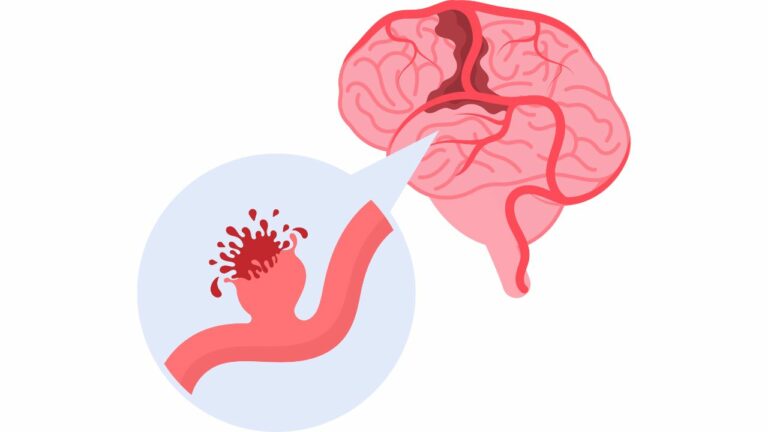
सेरेब्रल व्हॅस्कुलर एन्युरिझम्स, ज्याला मेंदूची धमनी पातळ होणे असेही म्हणता येईल, अशी एक गंभीर वैद्यकीय स्थिती आहे ज्या मध्ये मेंदूतील रक्तवाहिनीच्या भिंती कमकुवत होतात व त्या कमकुवत जागी ती रक्तवाहिनी फुगते व मेंदूच्या जवळच्या भागावर दबाव टाकते. रक्तवाहिनीच्या भिंतीच्या या कमकुवतपणामुळे रक्तवाहिनी फाटू देखील शकते. हे म्हणजेक एखादा फुगा फुटल्यासारखी रक्तवाहिनी फुटते व त्यामुळे मृत्यू होण्याची शक्यता असते. या ब्लॉगमध्ये, आपण सेरेब्रल व्हॅस्कुलर एन्युरिझमशी संबंधित लक्षणे, उपचार पर्याय, जोखीम घटक, निदान, न होण्यासाठी टिपा आणि त्यातून कसे बरे होता येईल या प्रक्रिया शोधू.
सेरेब्रल व्हॅस्कुलर एन्युरिझम होण्याचे प्रमाण वय, लिंग, आनुवंशिकता आणि जीवनशैली घटकांसह अनेक घटकांवर अवलंबून असते व बदलू शकते. तथापि, शास्त्रीय अभ्यासांनी असा अंदाज लावला आहे की सेरेब्रल एन्युरिझम्स जगभरातील लोकसंख्येच्या अंदाजे 2-3% लोकांमध्ये होतात.
हे लक्षात घेणे महत्त्वाचे आहे की सर्व सेरेब्रल एन्युरिझममुळे लक्षणे किंवा गुंतागुंत निर्माण होत नाही. अनेक व्यक्तींना सेरेब्रल एन्युरिझम असूनही आयुष्यभर त्यामुळे लक्षणे येत नाही म्हणून सेरेब्रल एन्युरिझमचे निदान देखील होत नाही. याव्यतिरिक्त, विशेषतः वयाच्या 40 वर्षांनंतर सेरेब्रल एन्युरिझम होण्याचा धोका वयानुसार वाढू शकतो.
सेरेब्रल एन्युरिझम असण्याचा कौटुंबिक इतिहास, धूम्रपान, उच्च रक्तदाब आणि काही अनुवांशिक परिस्थिती यासारखे काही जोखीम घटक देखील एन्युरिझम विकसित होण्याची शक्यता वाढवू शकतात.
एकंदरीत, सेरेब्रल एन्युरिझम्सच्या सर्व केसेस पैकी बहुतेक सेरेब्रल एन्युरिझम्स फाटत नाहीत किंवा लक्षणीय आरोग्य समस्या निर्माण करत नाहीत. तथापि, ज्या व्यक्तींना धमनीविस्फारित झालेल्या धमनीविकाराचा अनुभव येतो, त्यांच्यासाठी ही जीवघेणी वैद्यकीय आणीबाणी असू शकते ज्यासाठी त्वरित उपचार आवश्यक आहेत.
सेरेब्रल व्हॅस्कुलर एन्युरिझमची व्याख्या, लक्षणे आणि उपचार याविषयी तपशीलवार पाहू.
तसे, एन्युरिझम फक्त धमन्यांमध्ये आढळतात. त्यामुळे सेरेब्रल एन्युरिझमला सेरेब्रल व्हॅस्क्युलर एन्युरिझम असे म्हणणे खरोखर आवश्यक नाही. व्हॅस्क्युलर म्हणजे रक्तवाहिन्यांशी संबंधित. सेरेब्रल एन्युरिझम्सना ब्रेन एन्युरिझम देखील म्हणतात.

Table of Contents

1. सेरेब्रल व्हॅस्कुलर एन्युरिझम:

सेरेब्रल व्हॅस्कुलर एन्युरिझम्स त्या परिस्थितीत म्हणतात जेव्हा मेंदूतील रक्तवाहिनीच्या भिंतीच्या कमकुवत भागामुळे रक्तवाहिनीला फुगा येतो. हे एन्युरिझम मेंदूमध्ये कुठेही विकसित होऊ शकतात आणि त्यांचा आकार बदलू शकतो. एन्युरिझममध्ये उद्भवणारी सर्वात वाईट गोष्ट म्हणजे ती फुटू शकते. यामुळे सेरेब्रल रक्तस्त्राव होतो आणि सेरेब्रोव्हस्क्युलर स्ट्रोक किंवा ब्रेन स्ट्रोक नावाची गंभीर वैद्यकीय स्थिती होऊ शकते.

2. ब्रेन एन्युरिझमची लक्षणे:

ब्रेन एन्युरिझम्स बहुतेक वेळा ते फुटेपर्यंत लक्षणे उद्भवत नाहीत. तथापि, जेव्हा लक्षणे आढळतात तेव्हा त्यात गंभीर डोकेदुखी, मळमळ, उलट्या, मानदुखी, अंधुक किंवा दुहेरी दृष्टी, प्रकाशाला संवेदनशीलता आणि चेतना नष्ट होणे यांचा समावेश असू शकतो. जरका कमकुवत भिंतीचा धमनी फुटली तर लक्षणे गंभीर असू शकतात आणि त्यात अचानक, तीव्र डोकेदुखी, मळमळ, उलट्या, मान ताठ व कडक होणे, गोंधळ होणे, फेफरे येणे आणि चेतना नष्ट होणे हे सर्व होऊ शकते.

3. एन्युरीझम उपचार पर्याय:

सेरेब्रल व्हॅस्कुलर एन्युरिझमसाठी उपचार पर्याय विविध घटकांवर अवलंबून असतात, ज्यामध्ये एन्युरिझमचा आकार आणि स्थान तसेच व्यक्तीचे एकूण आरोग्य यांचा समावेश होतो. उपचार पर्यायांमध्ये निरीक्षण, लक्षणे नियंत्रित करण्यासाठी आणि गुंतागुंत टाळण्यासाठी औषधोपचार, एन्युरिझमचे फाटणे टाळण्यासाठी सर्जिकल क्लिपिंग, एन्युरिझम बंद करण्यासाठी एंडोव्हस्कुलर कॉइलिंग वगैरे पद्धतींचा समावेश असू शकतो. लक्षात ठेवा, सेरेब्रल एन्युरिझम्स मेंदूच्या आत असल्याने, कोणत्याही शस्त्रक्रिया किंवा हस्तक्षेपामध्ये त्यांना क्लिप किंवा दुरुस्त करण्यासाठी मेंदूची शस्त्रक्रिया समाविष्ट असू शकते, जी स्वतःच एक अतिशय धोकादायक प्रक्रिया आहे.

4. फाटलेले ब्रेन एन्युरिझम:

रक्तवाहिनीच्या भिंतीतील कमकुवत भाग जेव्हा रक्ताचा दबाव सहन करू शकत नाही तेव्हा मेंदूतील धमनी फाटते. त्यामुळे मेंदूच्या आसपासच्या ऊतींमध्ये रक्तस्राव होतो. ही एक वैद्यकीय आणीबाणी आहे ज्यात पुढील नुकसान आणि गुंतागुंत टाळण्यासाठी त्वरित उपचार करवणे आवश्यक आहेत. अशा रूग्णांचा इंट्राक्रॅनियल प्रेशर [ICP] वाढतो आणि यामुळे अनेक लक्षणे दिसतात. जशी की…

  • व्हिज्युअल गडबड: अंधुक दृष्टी, दुहेरी दृष्टी (डिप्लोपिया), किंवा तात्पुरती दृष्टी कमी होणे.
  • मानसिक स्थितीत बदल: गोंधळ, चिडचिड, तंद्री लागणे किंवा लक्ष केंद्रित करण्यात अडचण.
  • मळमळ आणि उलट्या अनेकदा डोकेदुखीच्या संयोगाने होतात.
  • वाढलेले ICP कधीकधी फेफरे आणू शकतो, जे मेंदूतील असामान्य विद्युत स्त्रावामुळे होतात व ज्यामुळे चेतना नष्ट होणे आणि इतर न्यूरोलॉजिकल लक्षणे येऊ शकतात.
  • पॅपिलेडेमा: कवटीच्या आत दाब वाढल्यामुळे ऑप्टिक डिस्कला सूज येते.
  • काही प्रकरणांमध्ये, रक्तदाब वाढणे, हृदय गती बदलणे, किंवा अनियमित श्वासोच्छवासाच्या पद्धती यासारख्या महत्त्वाच्या व गंभीर लक्षणांमध्ये वाढ होते.

5. सेरेब्रल एन्युरिझम चिन्हे:

सेरेब्रल एन्युरिझमच्या लक्षणांमध्ये अचानक आणि तीव्र डोकेदुखी, मळमळ, उलट्या, मान दुखणे किंवा जडपणा, अंधुक किंवा दुहेरी दृष्टी, प्रकाशाची संवेदनशीलता आणि चेतना नष्ट होणे यांचा समावेश होतो. ही चिन्हे फाटलेली एन्युरिझम दर्शवू शकतात आणि त्वरित वैद्यकीय लक्ष देणे आवश्यक आहे.

6. एन्युरीझम जोखीम घटक:

अनेक घटकांमुळे सेरेब्रल व्हॅस्कुलर एन्युरिझम विकसित होण्याचा धोका वाढू शकतो, ज्यामध्ये एन्युरिझमचा कौटुंबिक इतिहास, उच्च रक्तदाब, धूम्रपान, जास्त मद्यपान, मादक पदार्थांचे सेवन (विशेषतः कोकेन) आणि पॉलीसिस्टिक किडनी रोग आणि मज्जातंतूंचे ऊतक विकार यासारख्या काही अनुवांशिक परिस्थितींचा समावेश आहे.

7. सेरेब्रल एन्युरीझम निदान:

सेरेब्रल व्हॅस्कुलर एन्युरिझमचे निदान करताना विशेषत: इमेजिंग चाचण्यांचा समावेश असतो, जसे की चुंबकीय अनुनाद इमेजिंग (MRI), संगणित टोमोग्राफी (CT) स्कॅन, सेरेब्रल अँजिओग्राफी आणि लंबर पंक्चर. या चाचण्या एन्युरिझमचा आकार, स्थान आणि तीव्रता निर्धारित करण्यात मदत करतात.

8. एन्युरीझम होऊ नये या साठी सल्ले:

सर्व सेरेब्रल व्हॅस्कुलर एन्युरिझम्स रोखणे शक्य नसले तरी जीवनशैलीतील काही बदल केल्यास जोखीम कमी करण्यात मदत होऊ शकते. यामध्ये रक्तदाब प्रमाणात राखणे, धूम्रपान आणि जास्त मद्यपान टाळणे, तणावाचे व्यवस्थापन करणे आणि शारीरिकरित्या सक्रिय राहणे समाविष्ट आहे.

9. ब्रेन एन्युरिझम जागरूकता:

सेरेब्रल व्हॅस्कुलर एन्युरिझमची चिन्हे, लक्षणे आणि जोखीम घटकांबद्दल जागरूकता वाढवणे हे लवकर ओळखण्यासाठी आणि हस्तक्षेप करण्यासाठी महत्त्वपूर्ण आहे. शैक्षणिक प्रयत्नांमुळे व्यक्तींना चेतावणीची चिन्हे ओळखण्यात आणि आवश्यक असल्यास त्वरित वैद्यकीय मदत घेण्यास मदत होऊ शकते.

10. एन्युरीझम शस्त्रक्रिये नंतर बरे होणे:

एन्युरिझम शस्त्रक्रिये नंतर बरे होणे अनेक घटकांवर अवलंबून असते, ज्यामध्ये केलेल्या प्रक्रियेचा प्रकार, एन्युरिझमचा आकार आणि स्थान आणि व्यक्तीचे एकूण आरोग्य यांचा समावेश होतो. सर्वसाधारणपणे, बरे होण्यात रुग्णालयातील मुक्काम, त्यानंतर शक्ती आणि कार्य पुन्हा मिळविण्यासाठी विश्रांती आणि पुनर्वसन म्हणजे फिझियोथेरपी यांचा समावेश असू शकतो.

11. सेरेब्रल हॅमरेजची लक्षणे:

सेरेब्रल रक्तस्राव सेरेब्रल एन्युरिझममुळे होऊ शकतो. सेरेब्रल हॅमरेजच्या लक्षणांमध्ये अचानक आणि तीव्र डोकेदुखी, मळमळ, उलट्या, शरीराच्या एका बाजूला अशक्तपणा किंवा बधीरपणा, बोलण्यात किंवा समजण्यास अडचण आणि भान गमावणे यांचा समावेश होतो. सेरेब्रल रक्तस्त्राव झाल्यास त्वरित वैद्यकीय लक्ष देणे आवश्यक आहे.

12. इंट्राक्रॅनियल एन्युरीझम उपचार:

कवटीच्या आत उद्भवणाऱ्या इंट्राक्रॅनियल एन्युरिझम्सवरील उपचारांमध्ये सर्जिकल क्लिपिंग, एंडोव्हस्कुलर कॉइलिंग किंवा फ्लो डायव्हर्शन तंत्राचा समावेश असू शकतो ज्यामुळे फाटणे टाळण्यासाठी आणि गुंतागुंत होण्याचा धोका कमी होतो.

13. एन्युरिझम स्क्रीनिंग मार्गदर्शक तत्त्वे:

सेरेब्रल व्हस्कुलर एन्युरिझमसाठी स्क्रीनिंग मार्गदर्शक तत्त्वे वैयक्तिक जोखीम घटक आणि वैद्यकीय इतिहासावर अवलंबून बदलू शकतात. तथापि, एन्युरिझमचा कौटुंबिक इतिहास किंवा काही जोखीम घटक असलेल्या व्यक्तींना नियमित तपासणी आणि निरीक्षणाचा फायदा होऊ शकतो.

14. एन्युरिझम फाटणे व त्याची कॉम्प्लिकेशन्स:

एन्युरिझम फाटण्याची कॉम्प्लिकेशन्स गंभीर असू शकते आणि त्यात सेरेब्रल हॅमरेज, ब्रेन स्ट्रोक, मेंदूचे नुकसान, न्यूरोलॉजिकल कमतरता आणि मृत्यू देखील होऊ शकतो. गुंतागुंत होण्याचा धोका कमी करण्यासाठी आणि परिणाम सुधारण्यासाठी त्वरित निदान आणि उपचार आवश्यक आहेत.

एन्युरिझम फुटणे ही सहसा जीवघेणी घटना असते. सर्वोत्कृष्ट वैद्यकीय किंवा शस्त्रक्रिया उपचार उपलब्ध आहे की नाही आणि तेही कमी कालावधीत यावरच रुग्णाच्या जगण्याची शक्यता अवलंबून असते.

15. एन्युरिझम एम्बोलायझेशन प्रक्रिया:

एन्युरिझम एम्बोलायझेशन ही कमीत कमी आक्रमक प्रक्रिया आहे ज्यामध्ये रक्तवाहिन्यामध्ये कॅथेटर घालणे आणि एन्युरिझम बंद करण्यासाठी आणि पुढील रक्तस्त्राव रोखण्यासाठी कॉइल, गोंद किंवा इतर सामग्री वापरणे हे सर्व करतात. ही प्रक्रिया अनेकदा विशिष्ट प्रकारच्या एन्युरिझमसाठीच्या शस्त्रक्रिया क्लिपिंग ऐवजी पर्याय म्हणून वापरली जाते.

थोडक्यात म्हणजे सेरेब्रल व्हॅस्कुलर एन्युरिझम ही एक गंभीर वैद्यकीय स्थिती आहे ज्यात ती फाटणे आणि सेरेब्रल हेमरेज (रक्तस्त्राव) होणे यांसारखी कॉम्प्लिकेशन्स टाळण्यासाठी त्वरित निदान आणि उपचार आवश्यक आहेत.

Cerebral Vascular Aneurysms- Symptoms and Treatment Options

Cerebral Vascular Aneurysms- Symptoms and Treatment Options

Cerebral Vascular Aneurysms- Symptoms and Treatment Options

Cerebral vascular aneurysms, also known as brain aneurysms, are a serious medical condition characterized by a weakened area in the wall of a blood vessel within the brain. This weakening can lead to a bulging or ballooning of the blood vessel, which can potentially rupture and cause life-threatening complications. In this blog, we will explore the symptoms, treatment options, risk factors, diagnosis, prevention tips, and recovery process associated with cerebral vascular aneurysms.
The occurrence rate of cerebral vascular aneurysms can vary depending on several factors, including age, gender, genetics, and lifestyle factors. However, studies have estimated that cerebral aneurysms occur in approximately 2-3% of the population worldwide.
It’s important to note that not all cerebral aneurysms will cause symptoms or complications, and many may go undetected throughout a person’s life. Additionally, the risk of developing a cerebral aneurysm may increase with age, particularly after the age of 40.
Certain risk factors, such as a family history of cerebral aneurysms, smoking, high blood pressure, and certain genetic conditions, can also increase the likelihood of developing an aneurysm.
Overall, while cerebral aneurysms are relatively common, the majority of them do not rupture or cause significant health problems. However, for those individuals who do experience a ruptured aneurysm, it can be a life-threatening medical emergency requiring immediate treatment.
Let us see in detail the definition, symptoms and treatment of cerebral vascular aneurysms.
By the way, aneurysms occur only in arteries. So it is not really necessary to call cerebral aneurysms as cerebral vascular aneurysms. Vascular means relating to the blood vessels. Cerebral aneurysms are also called brain aneurysms.

By Dr.Ravindra Patil

Table of Contents

1. Cerebral Vascular Aneurysms:

Cerebral vascular aneurysms, often referred to simply as brain aneurysms, occur when a weakened area in the blood vessel wall within the brain leads to a bulging or ballooning of the vessel. These aneurysms can develop anywhere in the brain and vary in size and shape. The worst thing that can occur in an aneurysm is that it can rupture. That causes cerebral haemorrhage and may lead to serious medical condition called cerebrovascular stroke or brain stroke.

2. Brain Aneurysm Symptoms:

Brain aneurysms often do not cause symptoms until they rupture. However, when symptoms do occur, they may include severe headaches, nausea, vomiting, neck pain, blurred or double vision, sensitivity to light, and loss of consciousness. In the case of a ruptured aneurysm, symptoms can be severe and may include a sudden, severe headache, nausea, vomiting, stiff neck, confusion, seizures, and loss of consciousness.

3. Aneurysm Treatment Options:

Treatment options for cerebral vascular aneurysms depend on various factors, including the size and location of the aneurysm, as well as the individual’s overall health. Treatment options may include observation, medication to control symptoms and prevent complications, surgical clipping to prevent rupture, endovascular coiling to seal off the aneurysm, or a combination of these approaches. Remember, as cerebral aneurysms are inside the brain, any surgery or intervention to clip them or repair them may involve brain surgery, which itself is a very dangerous and risky procedure.

4. Ruptured Brain Aneurysm:

A ruptured brain aneurysm occurs when the weakened area in the blood vessel wall gives way, causing bleeding into the surrounding brain tissue. This is a medical emergency that requires immediate treatment to prevent further damage and complications. The intracranial pressure [ICP] of such patients will rise and this will lead to many symptoms like

  • Visual disturbances: blurred vision, double vision (diplopia), or temporary vision loss.
  • Changes in mental status: confusion, irritability, drowsiness, or difficulty concentrating.
  • Nausea and vomiting often occur in conjunction with headaches.
  • Raised ICP can sometimes trigger seizures, which are abnormal electrical discharges in the brain that can cause convulsions, loss of consciousness, and other neurological symptoms.
  • Papilledema: swelling of the optic disc due to increased pressure within the skull.
  • In some cases, there may be alterations in vital signs such as increased blood pressure, changes in heart rate, or irregular breathing patterns.

5. Cerebral Aneurysm Signs:

Signs of a cerebral aneurysm include sudden and severe headaches, nausea, vomiting, neck pain or stiffness, blurred or double vision, sensitivity to light, and loss of consciousness. These signs may indicate a ruptured aneurysm and require prompt medical attention.

6. Aneurysm Risk Factors:

Several factors can increase the risk of developing a cerebral vascular aneurysm, including a family history of aneurysms, high blood pressure, smoking, excessive alcohol consumption, drug abuse (particularly cocaine), and certain genetic conditions such as polycystic kidney disease and connective tissue disorders.

7. Cerebral Aneurysm Diagnosis:

Diagnosing a cerebral vascular aneurysm typically involves a combination of imaging tests, such as magnetic resonance imaging (MRI), computed tomography (CT) scans, cerebral angiography, and lumbar puncture. These tests help determine the size, location, and severity of the aneurysm.

8. Aneurysm Prevention Tips:

While it may not be possible to prevent all cerebral vascular aneurysms, certain lifestyle modifications can help reduce the risk. These include maintaining a healthy blood pressure, avoiding smoking and excessive alcohol consumption, managing stress, and staying physically active.

9. Brain Aneurysm Awareness:

Raising awareness about the signs, symptoms, and risk factors of cerebral vascular aneurysms is crucial for early detection and intervention. Education efforts can help individuals recognize the warning signs and seek prompt medical attention if necessary.

10. Aneurysm Surgery Recovery:

Recovery from aneurysm surgery depends on several factors, including the type of procedure performed, the size and location of the aneurysm, and the individual’s overall health. In general, recovery may involve a hospital stay, followed by a period of rest and rehabilitation to regain strength and function.

11. Cerebral Haemorrhage Symptoms:

Cerebral haemorrhage may result from a cerebral aneurysm. Symptoms of cerebral haemorrhage include sudden and severe headaches, nausea, vomiting, weakness or numbness on one side of the body, difficulty speaking or understanding speech, and loss of consciousness. Immediate medical attention is required in the event of a cerebral haemorrhage.

12. Intracranial Aneurysm Treatment:

Treatment for intracranial aneurysms, which occur within the skull, may include surgical clipping, endovascular coiling, or flow diversion techniques to prevent rupture and reduce the risk of complications.

13. Aneurysm Screening Guidelines:

Screening guidelines for cerebral vascular aneurysms may vary depending on individual risk factors and medical history. However, individuals with a family history of aneurysms or certain risk factors may benefit from regular screening and monitoring.

14. Aneurysm Rupture Complications:

Complications of aneurysm rupture can be severe and may include cerebral haemorrhage, brain stroke, brain damage, neurological deficits, and even death. Prompt diagnosis and treatment are essential to minimize the risk of complications and improve outcomes.

Aneurysm rupture is usually a life threatening event. The possibility of the survival of the patient depends only on whether the best medical or surgical treatment is available and that too in a short period of time.

15. Aneurysm Embolization Procedure:

Aneurysm embolization is a minimally invasive procedure that involves inserting a catheter into the blood vessel and using coils, glue, or other materials to seal off the aneurysm and prevent further bleeding. This procedure is often used as an alternative to surgical clipping for certain types of aneurysms.

To conclude, cerebral vascular aneurysms are a serious medical condition that requires prompt diagnosis and treatment to prevent complications such as rupture and cerebral haemorrhage.

ब्रेन ट्यूमर आहार आणि पोषण

ब्रेन ट्यूमर आहार आणि पोषण

ब्रेन ट्यूमर आहार आणि पोषण

By Dr. Ravindra Patil

Table of Contents

उपचारादरम्यान आरोग्यास आधार देणे

कोणत्याही आजाराच्या वेळी, योग्य आहार खरोखर आवश्यक आहे. चांगले आरोग्य असतानाही कोणते पदार्थ आणि पेये ‘वाईट’ मानली जातात ती तर नक्कीच टाळली पाहिजेत. ब्रेन ट्यूमर उपचार घेत असलेल्या रुग्णासाठी सर्वोत्तम आहार शोधणे हा या ब्लॉगचा उद्देश आहे.

खरोखरी ब्रेन ट्यूमर साठी आहार असतो का?

ब्रेन ट्यूमरच्या रुग्णांसाठी पौष्टिक मार्गदर्शक तत्त्वे आहेत का?

असा प्रश्न पहिले मनात येतो. ब्रेन ट्यूमर एक गंभीर स्थिती आहे आणि त्यात उपचार आवश्यक आहेत. ब्रेन ट्यूमरच्या उपचारादरम्यान विशेष पोषणाची आवश्यकता आहे का?

ब्रेन ट्यूमर असलेल्या सर्व व्यक्तींना सार्वत्रिकपणे लागू होणारा विशिष्ट “ब्रेन ट्यूमर आहार” नाही. पण, एक संतुलित आणि पौष्टिक आहार सामान्यत: संपूर्ण आरोग्य आणि कल्याणास समर्थन देण्यासाठी योग्य असतो. असा आहार ब्रेन ट्यूमरसाठी उपचार घेत असलेल्या व्यक्तींसाठी विशेषतः महत्वाचा व उपयुक्त असू शकते.

ब्रेन ट्यूमर दरम्यान पोषणासाठी खालील टिपा आहेत

  1. संतुलित पोषण: फळे, भाज्या, संपूर्ण धान्ये, प्रथिने आणि निरोगी स्निग्ध पदार्थांसह विविध पौष्टिक-दाट पदार्थांचे सेवन करण्यावर लक्ष केंद्रित करा. ब्रेन ट्यूमरच्या रुग्णांसाठी हे सर्व आरोग्यदायी आहार आहेत.
  2. हायड्रेशन: दिवसभर भरपूर पाणी पिऊन चांगले हायड्रेटेड रहा. संपूर्ण आरोग्यासाठी योग्य हायड्रेशन आवश्यक आहे आणि थकवा आणि बद्धकोष्ठता यासारख्या उपचारांचे दुष्परिणाम व्यवस्थापित करण्यात मदत करू शकते.
  3. प्रक्रिया केलेले अन्न मर्यादित करा किंवा खाऊच नका: प्रक्रिया (प्रोसेस्ड फूड) केलेले पदार्थ, साखरयुक्त स्नॅक्स आणि जास्त साखर असलेले पेये यांचा वापर कमी करा. हे पदार्थ पौष्टिक मूल्य खूप कमी देतात आणि जळजळ आणि इतर आरोग्य समस्यांमध्ये वाढ करवू शकतात. ब्रेन ट्यूमरच्या रुग्णांसाठी असा आहार अजिबात चांगला नसतो.
  4. हेल्दी फॅट्स: एवोकॅडो, नट, बिया आणि फॅटी फिश (जसे साल्मन आणि ट्यूना) यांसारख्या निरोगी चरबीचे स्रोत तुमच्या आहारात समाविष्ट करा. निरोगी चरबीचे प्रकार मेंदूच्या आरोग्यास समर्थन देऊ शकतात आणि त्यात दाहक-विरोधी गुणधर्म असू शकतात. ते ब्रेन ट्यूमरच्या उपचारासाठी पोषक आधार देतील.
  5. फायबर-युक्त अन्न: पचन आणि एकूणच आतड्यांच्या आरोग्यासाठी संपूर्ण धान्य, फळे, भाज्या आणि शेंगा यासारख्या भरपूर फायबरयुक्त पदार्थांचा समावेश करा.
  6. मध्यम कॅफिन आणि अल्कोहोल: कॅफीन आणि अल्कोहोलचे सेवन मर्यादित करा, कारण हे पदार्थ हायड्रेशनच्या पातळीवर दुष्परिणाम करू शकतात आणि औषधांच्या प्रभावावर विपरीत असर करू शकतात. ब्रेन ट्यूमरच्या रुग्णांसाठी हे चांगले पदार्थ नाहीत.
  7. वैयक्तिक गरजा विचारात घ्या: तुमच्या विशिष्ट परिस्थितीनुसार, उपचारांच्या दुष्परिणामांमुळे किंवा आरोग्याच्या इतर परिस्थितींमुळे तुम्हाला आहारातील निर्बंध किंवा आवश्यकता असू शकतात. डायेटीशियन किंवा फॅमिली डॉक्टरसह कार्य करणे महत्वाचे आहे जे वैयक्तिकृत आहार मार्गदर्शन प्रदान करू शकतात.

तुमच्या आहारात महत्त्वपूर्ण बदल करण्यापूर्वी नेहमी तुमच्या हॉस्पटल टीमशी सल्लामसलत करा, खासकरून जर तुम्ही ब्रेन ट्यूमरवर उपचार घेत असाल. ते तुमच्या वैयक्तिक गरजा आणि वैद्यकीय इतिहासाच्या आधारे तयार केलेला सल्ला देऊ शकतात.

ब्रेन ट्यूमरच्या उपचारादरम्यान आहारासह आरोग्याला आधार देणे ही नवीन गोष्ट नाही. आहार हा आपल्या जगण्याचा एक अविभाज्य घटक असल्यामुळे तो आदर्शच असला पाहिजे. याशिवाय प्रत्येक मोठ्या आजाराचा डाएट प्लॅन असतो. आपल्याकडे ब्रेन ट्यूमर आहार योजना असणे आवश्यक आहे. या ब्लॉगमध्ये ब्रेन ट्यूमरच्या रुग्णांसाठी आहाराचे नियोजन करण्यासाठी सामान्य मार्गदर्शक तत्त्वे दिली आहेत.

ब्रेन ट्यूमर उपचारांच्या दुष्परिणामांचे व्यवस्थापन

ब्रेन ट्यूमरवर नेहमीच शस्त्रक्रिया, केमोथेरपी किंवा रेडिएशन थेरपीद्वारे उपचार केले जातात. ब्रेन ट्यूमरचे दुष्परिणाम टाळणारा आहार घेण्याचे देखील नियोजन केले पाहिजे. ब्रेन ट्यूमर थेरपीचे विविध दुष्परिणाम आणि ब्रेन ट्यूमर आहार आणि पोषण कसे मदत करेल ते आपण प्रथम पाहू या.

ब्रेन ट्यूमर शस्त्रक्रियेचे दुष्परिणाम व त्यासाठी आदर्श आहार

हे दुष्परिणाम कोणत्याही शस्त्रक्रियेच्या दुष्परिणामांसारखेच असतील. नैसर्गिक जीवनसत्त्वांनी भरलेला सामान्य उच्च प्रथिने असलेला पौष्टिक आहार मेंदूच्या शस्त्रक्रियेच्या जखमांना मदत करेल (जी शस्त्रक्रिया कदाचित क्रॅनियोटॉमीही असू शकते) आणि जखम लवकर बरी होईल.

ब्रेन ट्यूमर केमोथेरपीचे दुष्परिणाम व त्यासाठी आदर्श आहार

ब्रेन ट्यूमर केमोथेरपीचे काही दुष्परिणाम, परंतु सर्वच नाही, योग्य पोषणाने कमी केले जाऊ शकतात.

  1. मळमळ आणि उलट्या: केमोथेरपीच्या सर्वात सामान्य दुष्परिणामांपैकी एक म्हणजे मळमळ आणि उलट्या. भरपूर इलेक्ट्रोलाइट्स असलेले द्रव दिले पाहिजेत, उदा. नारळ पाणी आणि फळांचे रस. तथापि, रुग्णांच्या इतर रोगांचा विचार करणे आवश्यक आहे.
  2. थकवा: केमोथेरपीमुळे थकवा येऊ शकतो, जो संपूर्ण उपचार कालावधीत आणि उपचार संपल्यानंतरही कायम राहू शकतो. गोड पदार्थांमुळे थकवा दूर होण्यास मदत होईल, पण डायाबिटीस नसल्यास.
  3. भूकेत बदल: केमोथेरपीमुळे भूकेवर परिणाम होतो, ज्यामुळे चव बदलते किंवा भूक कमी होते. लिंबूवर्गीय फळे रुग्णांची भूक व जीभेची चव वाढवू शकतात.
  4. पेरिफेरल न्यूरोपॅथी: काही केमोथेरपी औषधांमुळे हात आणि पायांमधील नसांना नुकसान होऊ शकते, ज्यामुळे मुंग्या येणे, सुन्न होणे किंवा वेदना यांसारखी लक्षणे दिसू शकतात. व्हिटॅमिन समृध्द अन्न दिल्यास ही लक्षणे कमी होण्यास मदत होईल.

ब्रेन ट्यूमर रेडिएशन थेरपीचे दुष्परिणाम व त्यासाठी आदर्श आहार

रेडिएशन थेरपी, केमोथेरपी सारखी, ब्रेन ट्यूमरसाठी एक सामान्य उपचार आहे. हे निरोगी ऊतींचे नुकसान कमी ठेऊन कर्करोगाच्या पेशींना लक्ष्य करून नष्ट करण्यासाठी उच्च-ऊर्जाच्या किरणांचा वापर करते. रेडिएशन थेरपी ब्रेन ट्यूमरवर उपचार करण्यासाठी प्रभावी ठरू शकते, परंतु त्याचे विविध दुष्परिणाम देखील होऊ शकतात. योग्य पोषण दिल्यास रेडिएशन थेरपीच्या लक्षणांपासून काही प्रमाणात मुक्त होण्यास मदत मिळेल.

  1. थकवा: रेडिएशन थेरपी घेत असलेल्या अनेक रुग्णांना थकवा जाणवतो, जो सौम्य ते गंभीर असू शकतो. विश्रांती आणि उच्च कॅलरी सहज पचण्याजोगे अन्न थकवा कमी करण्यास मदत करू शकते.
  2. त्वचेतील बदल: उपचार केलेल्या क्षेत्रातील त्वचा कोरडी होणे, खाज सुटणे किंवा संवेदनशील होऊ शकते. काही रुग्णांना पुरळ किंवा त्वचेच्या रंगद्रव्यात बदल होऊ शकतो. व्हिटॅमिन समृद्ध अन्न अशा वेळी मदत करू शकते.
  3. मळमळ आणि उलट्या: मेंदूवर रेडिएशन थेरपी दिल्यामुळे कधीकधी मळमळ आणि उलट्या होऊ शकतात, विशेषतः जर मेंदूत जिथे उपचार देत असतात तेच क्षेत्र जर मळमळ आणि उलट्या नियंत्रित करण्यासाठी जबाबदार असले नक्कीच उलट्या होऊ शकाता. उलट्या प्रतिबंधक औषधांसह तोंडी द्रवपदार्थ दिले तर ते मदत करतात.

रेडिएशन थेरपीचे आणखी बरेच दुष्परिणाम आहेत आणि दुर्दैवाने त्या सर्वांचे व्यवस्थापन आहारातील बदलांद्वारे केले जाऊ शकत नाही.

मग ब्रेन ट्यूमरच्या रुग्णाचा आहार कसा असावा? खालील मजकूर काही सामान्य मार्गदर्शक तत्त्वे देतो.

ब्रेन ट्यूमर रुग्णांसाठी आहार चार्ट :

ब्रेन ट्यूमरच्या रूग्णांसाठी आहार तक्ता म्हणजे मेंदूतील ट्यूमर असलेल्या लोकांसाठी सामान्यतः आरोग्यदायी पदार्थांची यादी. रूग्ण प्रक्रिया केलेले किंवा कृत्रिम रंग किंवा चव असलेले पदार्थ खाऊ शकत नाहीत कारण या रसायनांमुळे ट्यूमर वेगाने वाढतो. खालील बाबी फायदेशीर आहेत.

ब्रोकोली:

ब्रोकोलीमध्ये कर्करोगविरोधी गुणधर्म असल्याचे आढळून आले आहे आणि ते कर्करोग होण्याचा धोका कमी करण्यास देखील मदत करते. त्यात व्हिटॅमिन सी, व्हिटॅमिन बी6, फोलेट, कॅल्शियम, मॅग्नेशियम, फॉस्फरस आणि पोटॅशियम असते.

लसूण:

लसूण हे सामान्यतः खाल्ले जाणारे अन्न आहे ज्यामध्ये कर्करोगविरोधी गुणधर्म असल्याचे आढळून आले आहे.

हळद:

हळद हा एक मसाला आहे व जी शतकानुशतके भारतीय पाककृतीमध्ये वापरली जाते. यात औषधी गुणधर्म आहेत.

आले:

आले हे एक असे अन्न आहे जे शतकानुशतके मळमळ आणि उलट्या या लक्षणांमध्ये मदत करण्यासाठी वापरात आहे. आता शास्त्रज्ञांना आढळले आहे की आले ब्रेन ट्यूमरमध्ये देखील मदत करू शकते.

चिकन मटनाचा रस्सा:

ज्यांना उच्च-कॅलरी आहार घेणे आवश्यक आहे त्यांच्यासाठी चिकन मटनाचा रस्सा एक उत्कृष्ट पर्याय आहे. त्यामध्ये भरपूर प्रथिने, पोषक आणि खनिजे असतात जे कर्करोगाशी लढण्यास मदत करतात.

दाणे:

दाणे हे असे अन्न आहे ज्यात अँटिऑक्सिडंट्स आणि ओमेगा-३ फॅट्स भरपूर असतात. ते प्रथिने, फायबर आणि निरोगी चरबीचे देखील चांगले स्त्रोत आहेत.

अंडी:

ब्रेन ट्यूमरच्या रुग्णांच्या आहारात अंडी हे एक उत्तम अन्न आहे. त्यांत अशी पोषक तत्वे आहेत की जी मेंदूच्या आरोग्यास मदत करतात आणि अंड्याचे अनेक भिन्न पदार्थ बनवता येतात.

इतर चांगले पदार्थ

ब्रेन ट्यूमर उपचारासाठी पोषण समर्थनामध्ये समाविष्ट केले जाणारे इतर चांगले पदार्थ आहेत:

  1. पालेभाज्या
  2. दूध
  3. अननस
  4. टोमॅटो
  5. लिंबूवर्गीय फळे

Brain Tumour Diet and Nutrition

Brain Tumour Diet and Nutrition

Brain Tumour Diet and Nutrition

By Dr.Ravindra Patil

Table of Contents

Supporting health during treatment

During any illness, a proper diet is indeed necessary. What foods and beverages are considered ‘bad’ even during good health should obviously be avoided. This blog aims to search out for the best diet for a patient undergoing brain tumour treatment.

Is there a Brain Tumour Diet?

Are there nutritional guidelines for brain tumour patients?

That is the first question that comes to mind. Brain tumour is a serious condition and requires treatment. Is there a requirement of special nutrition during brain tumour treatment?

There isn’t a specific “brain tumour diet” that universally applies to all individuals with brain tumours. However, a balanced and nutritious diet is generally recommended to support overall health and well-being, which can be particularly important for individuals undergoing treatment for brain tumours.

Here are some Brain tumour nutrition tips

  1. Balanced Nutrition: Focus on consuming a variety of nutrient-dense foods including fruits, vegetables, whole grains, lean proteins, and healthy fats. All this is healthy eating for brain tumour patients.
  2. Hydration: Stay well-hydrated by drinking plenty of water throughout the day. Proper hydration is essential for overall health and can help manage side effects of treatment such as fatigue and constipation.
  3. Limit Processed Foods: Minimize consumption of processed foods, sugary snacks, and beverages high in added sugars. These foods offer little nutritional value and may contribute to inflammation and other health issues. This will not be a good diet for brain tumour patients.
  4. Healthy Fats: Incorporate sources of healthy fats such as avocados, nuts, seeds, and fatty fish (like salmon and tuna) into your diet. Healthy fats can support brain health and may have anti-inflammatory properties. They will give nutritional support for brain tumour treatment.
  5. Fibre-Rich Foods: Include plenty of fibre-rich foods such as whole grains, fruits, vegetables, and legumes to support digestion and overall gut health.
  6. Moderate Caffeine and Alcohol: Limit intake of caffeine and alcohol, as these substances can affect hydration levels and may interact with medications. These are not good foods for brain tumour patients.
  7. Consider Individual Needs: Depending on your specific situation, you may have dietary restrictions or requirements due to treatment side effects or other health conditions. It’s important to work with a dietician or family doctor who can provide personalized dietary guidance.

Always consult with your healthcare team before making significant changes to your diet, especially if you’re undergoing treatment for a brain tumour. They can offer tailored advice based on your individual needs and medical history.
Supporting health during brain tumour treatment with diet is not a new thing. As diet is a part and parcel of our very survival, it must be ideal. Besides every major illness has a diet plan. We must have a brain tumour diet plan. This blog has given general guidelines for planning a diet for brain tumour patients.

Managing side effects of brain tumour treatment

Brain tumour will always be treated by either surgery, chemotherapy or radiation therapy. Taking a diet which will obviate the side effects of brain tumour must also be planned. Let us first see the various side effects of brain tumour therapies and how brain tumour diet and nutrition will help.

Side effects of brain tumour surgery

These side effects will be similar to the side effects of any surgery. a general high protein nutritious diet full of natural vitamins will help the brain surgery wound, which may be a craniotomy, heal fast.  

Side effects of brain tumour chemotherapy

Some of the side effects of brain tumour chemotherapy, but not all, can be reduced with proper nutrition.

  1. Nausea and Vomiting: One of the most common side effects of chemotherapy is nausea and vomiting. Lots of fluids with electrolytes must be given, eg coconut water and fruit juices. However, the other diseases of the patients must be considered.
  2. Fatigue: Chemotherapy can cause fatigue, which may persist throughout the treatment period and even after treatment ends. Sweet foods will help relieve fatigue, only if the patient doesn’t have diabetes.
  3. Changes in Appetite: Chemotherapy can affect appetite, leading to changes in taste or a decrease in appetite. Tangy citrus fruits may increase the patients’ appetite.
  4. Peripheral Neuropathy: Some chemotherapy drugs can cause damage to the nerves in the hands and feet, leading to symptoms such as tingling, numbness, or pain. Giving vitamin rich foods will help reduce these symptoms.

Side effects of brain tumour radiation therapy

Radiation therapy, like chemotherapy, is a common treatment for brain tumours. It uses high-energy rays to target and destroy cancer cells while minimizing damage to healthy tissue. While radiation therapy can be effective in treating brain tumours, it can also lead to various side effects. Proper nutrition will help relieve the radiation therapy symptoms somewhat.

  1. Fatigue: Many patients undergoing radiation therapy experience fatigue, which can range from mild to severe. Rest and high calorie easily digestible food can help reduce fatigue.
  2. Skin Changes: The skin in the treated area may become dry, itchy, or sensitive. Some patients may develop a rash or changes in skin pigmentation. Vitamin rich food may help.
  3. Nausea and Vomiting: Radiation therapy directed at the brain can sometimes cause nausea and vomiting, particularly if the treatment area includes the area of the brain responsible for regulating nausea and vomiting. Plenty of fluids orally with anti-vomiting medicines help.

There are many more side effects of radiation therapy and sadly all of them cannot be managed by changes in nutrition.

So what should be the diet of a brain tumour patient? The following text gives a general guideline.

Diet Chart for Brain Tumour Patients

A diet chart for brain tumour patients is a list of foods that are usually healthy for people with brain tumours. The patients cannot eat foods that have been processed or contain artificial colours or flavours because these chemicals cause the tumour to grow faster. The following items are beneficial.

Broccoli:

Broccoli has been found to have anti-cancer properties and it also helps in reducing the risk of developing cancer. It contains vitamin C, vitamin B6, folate, calcium, magnesium, phosphorus and potassium.

Garlic:

Garlic is a commonly eaten food that has been found to have anti-cancerous properties.

Turmeric:

Turmeric is a spice that has been used in Indian cuisine for centuries. It has medicinal properties.  

Ginger:

Ginger is a food that is in use for centuries to help with the symptoms of nausea and vomiting. Now, scientists have found that ginger can also help with brain tumours.

Chicken Broths:

Chicken broths are an excellent choice for those who need to eat a high-calorie diet. They contain a lot of protein, nutrients and minerals that help in fighting cancer.

Nuts:

Nuts are a food that is rich in antioxidants and omega-3 fats. They are also a good source of protein, fibre, and healthy fats.

Eggs:

Eggs are a great food to include in a diet of brain tumour patients. They have nutrients that help with brain health and they can be made into many different dishes.

Other good foods

To be included in the nutritional support for brain tumour treatment are:

  1. Leafy Vegetables
  2. Milk
  3. Pineapple
  4. Tomatoes
  5. Citrus Fruits