
Living with a brain tumour: Coping Strategies and Emotional Support

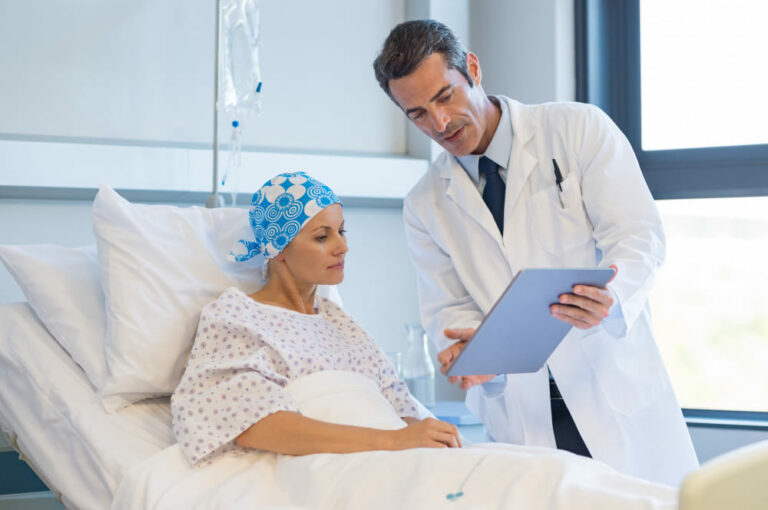
Living with a brain tumour: Coping Strategies and Emotional Support
By Dr.Ravindra Patil
Introduction:
Receiving a diagnosis of a brain tumour is an overwhelming and life-altering experience. Beyond the physical challenges, individuals must navigate the emotional and mental toll that comes with such a diagnosis. In this blog, we’ll explore coping strategies, emotional support, and practical tips for living well with a brain tumour. Remember, Living with brain tumour is not easy. Living well with brain tumour diagnosis is indeed tough.
Table of Contents
Understanding the Diagnosis: Coping with Brain Tumour Diagnosis
Knowing that you have a brain tumour may seem to be a devastating news, too difficult to deal with. But at this time, it is crucial to take the time to understand the diagnosis, treatment options, and potential impacts on daily life. This knowledge empowers patients to actively participate in their care, reducing anxiety and uncertainty.
Knowing about the possibility of loss of functions and death is also advisable. However, it will depend on the personality of the patient, his education, his need to his/her family and many more factors.
A brain tumour is a life-altering moment that brings forth a wave of emotions, questions, and uncertainties. Understanding the diagnosis is a crucial step in empowering individuals to actively participate in their care and navigate the challenges that lie ahead. Here, we delve into the various aspects of comprehending a brain tumour diagnosis.
Let us first have a ‘Medical Understanding’, which means how bad is the tumour and how badly is it going to affect your life. Following fact cover these aspects.
Type and Grade of Tumour:
It is essential to understand the specific type of brain tumour diagnosed. Tumours can be benign (non-cancerous) or malignant (cancerous). Additionally, they are classified based on their location within the brain and the type of cells involved. The grade of the tumour indicates how quickly it may grow and spread. Grades range from type I (slow-growing) to type IV (fast-growing and malignant).
Diagnostic Imaging:
Techniques such as magnetic resonance imaging (MRI) and computed tomography (CT) scans are often employed to visualize and locate the tumour. These images help healthcare professionals determine the size, location, and characteristics of the tumour.
A positron emission tomography (PET) scan is a type of imaging test. It uses a radioactive substance called a tracer to look for disease in the body. A PET scan shows how organs and tissues are working. A tumour will be properly visualised in PET scan not only for its size but also to understand if the tissue involved is functional.
Biopsy Results:
A biopsy may be conducted to extract a small sample of the tumour for examination under a microscope. This procedure helps determine the tumour’s composition and aids in developing an effective treatment plan. Biopsy is very important part of dealing with a tumour.
After the diagnosis, let us understand what the treatment options in a brain tumour are.
Surgery:
Depending on the tumour’s location and type, surgery may be recommended to remove all or part of the tumour. The feasibility of surgery is influenced by factors such as the tumour’s size, grade, and proximity to critical brain structures.
Radiation Therapy:
Radiation therapy utilizes high-energy rays to target and shrink tumours. It may be employed as the primary treatment or in conjunction with surgery or chemotherapy.
Chemotherapy:
Chemotherapy involves the use of drugs to kill or slow the growth of cancer cells. It is administered orally or intravenously and may be part of the treatment plan for certain types of brain tumours.
Now let us see what might be the potential Impact on the daily Life of a brain tumour patient.
Coping with brain tumour treatment is not easy as for example coping with the treatment for fever or cough. The above treatments like chemotherapy or radiation therapy do have side effects. Courage to bear anything must be the motto of the brain tumour patient.
Symptoms and Side Effects:
Understanding the potential symptoms and side effects of both the tumour and its treatment is crucial. This awareness enables individuals to proactively manage and communicate any changes in their health to their healthcare team.
Symptoms will vary from pain to loss of brain function and resulting loss of crucial skills like speech, movement or loss of eyesight.
Long-Term Care and Monitoring:
Brain tumour survivors often require long-term care and monitoring. Regular follow-up appointments, imaging studies, and other diagnostic tests help doctors track the individual’s progress and address any emerging issues promptly.
Emotional and Supportive Aspects are important. Courage to face whatever happens is the best weapon for mental peace. If a patient is emotionally broken, he/she must be given emotional support to help him/her accept her condition.
Close Communications with doctors:
Establishing open communication with healthcare providers is paramount. This ensures that individuals are well-informed about their diagnosis, treatment options, and potential challenges. And the healthcare providers will dispel doubts and misunderstandings and myths.
Involving Loved Ones:
Sharing the diagnosis with family and friends creates a support system that can provide emotional strength. Loved ones can offer assistance, understanding, and companionship throughout the journey. Hiding such news from close family members ‘to protect them’ is not an advisable strategy.
Seek a Second Opinion:
It is not only acceptable but necessary to seek a second opinion to ensure that the diagnosis and recommended treatment plan are correct and will help the patient. Different perspectives can contribute valuable insights.
Coping Strategies for Daily Life: Managing Life with Brain Tumour
Living with a brain tumour often involves adapting to new challenges. Establishing a routine that accommodates both medical needs and personal well-being is essential. Integrating relaxation techniques, mindfulness, and gentle exercises can contribute to overall well-being.
Emotional Wellness: Support for Brain Tumour Patients
Emotional support is a cornerstone of coping with a brain tumour. Surrounding oneself with a strong support network, including family, friends, and healthcare professionals like doctors, nurses and counsellors, can provide comfort during difficult times. Seeking therapy or support groups tailored to brain tumour patients allows for shared experiences and emotional healing.
Coping with Treatment: Brain Tumour Patient Care Tips
Enduring treatment for a brain tumour can be physically and emotionally draining. Managing side effects, maintaining good nutrition, and staying hydrated are crucial aspects of care.
Living Well Beyond Diagnosis: Brain Tumour Coping Strategies
Living well with a brain tumour involves looking beyond the diagnosis and focusing on aspects of life that bring joy and fulfilment. Engaging in hobbies, spending time with loved ones, and setting realistic goals contribute to a positive mind set, fostering resilience in the face of adversity.
Community Support: Emotional Support for Brain Tumour Patients
Connecting with other brain tumour patients through local or online support groups can provide a sense of community and understanding. Sharing experiences, tips, and resources creates a supportive environment where individuals feel heard and validated. Brain tumour emotional wellness is a state where the patient accepts the situation and is firmly facing it.
Conclusion:
So, as can be understood from the above, understanding a brain tumour diagnosis is a multifaceted process that involves medical understanding, treatment decisions, and emotional considerations. By actively engaging with doctors and counsellors, seeking support from loved ones, and educating oneself about the diagnosis, individuals can navigate this challenging terrain with a sense of empowerment and resilience. Remember, each person’s journey is unique, and a well-informed and supported approach can make a significant difference in facing the complexities of living with a brain tumour.
4. Artificial Disc Replacement:
- Procedure: Instead of fusing the vertebrae, artificial disc replacement involves removing the damaged disc and replacing it with an artificial disc designed to mimic natural spinal motion.
- Navigation: Surgical navigation can assist in precise placement of the artificial disc, ensuring optimal function and reducing the risk of complications.
5. Percutaneous Discectomy:
- Procedure: In percutaneous discectomy, a small tube is inserted through the skin to remove or shrink the herniated disc material, typically using a laser or other energy source.
- Navigation: Surgical navigation can guide the placement of instruments and monitor the procedure, enhancing accuracy and safety.
Role of Surgical Navigation:
Surgical navigation systems use advanced imaging technology, such as intraoperative CT scans or fluoroscopy, to create real-time 3D maps of the patient’s anatomy during surgery. The benefits of surgical navigation in cervical spine surgery include:
- Precision: Helps the surgeon accurately target the affected area, reducing the risk of damage to surrounding structures.
- Safety: Enhances safety by providing real-time feedback on instrument placement and proximity to critical structures.
- Minimally Invasive: Facilitates minimally invasive approaches by improving visualization and guidance during the procedure.
Surgical navigation is particularly valuable in cervical spine surgery, where precision is crucial due to the proximity of vital structures such as the spinal cord and major blood vessels. However, its use may vary depending on the specific surgical approach and the surgeon’s preferences and expertise.
Physical Therapy:
Targeted exercises and rehabilitation can help strengthen the neck muscles, improve posture, and alleviate symptoms. Physical therapy is a must along with or after every type of treatment for a cervical disc prolapse.
Conclusion:
Cervical disc prolapse can significantly impact one’s quality of life, but with timely intervention and proper management, individuals can find relief from symptoms and regain functionality. It is necessary to seek medical help as soon as possible.