Microscopic Discectomy v/s Open Discectomy

Microscopic Discectomy v/s Open Discectomy, Minimally invasive surgery

Microscopic Discectomy v/s Open Discectomy

Revolutionizing Lumbar Disc Prolapse Management

Lumbar disc prolapse, a condition where the soft inner core of a spinal disc pushes through a tear in the outer layer, is a common cause of back pain and sciatica. Traditionally, open discectomy has been the go-to surgical intervention for severe cases. However, with advancements in surgical techniques, a paradigm shift towards minimally invasive approaches, notably microscopic discectomy, has emerged. Let’s delve into this transformative shift in the management of lumbar disc prolapse.

But we are going too fast. This blog is for everyone, not only doctors. So let us first understand the complex structure of the human spinal cord and specifically the Lumbar spine, consisting of the five Lumbar Vertebrae.

By Dr.Ravindra Patil

Table of Contents

Structure of the Human Spinal Cord

The vertebral column, also known as the spinal column or backbone, is a complex structure consisting of 33 vertebrae stacked on top of each other. These vertebrae are divided into five regions: cervical, thoracic, lumbar, sacral, and coccygeal. The vertebral column serves several crucial functions, including providing structural support, protecting the spinal cord, and facilitating movement.

Each vertebra has a similar basic structure, comprising a vertebral body, vertebral arch, processes, and various ligaments and joints. The vertebral bodies are the large, cylindrical segments that bear most of the weight. The vertebral arch extends from the vertebral body, forming the vertebral foramen, which collectively houses and protects the spinal cord. Bone projections coming out of the vertebrae are the spinous process and the transverse processes. They serve as attachment points for muscles and ligaments, contributing to the stability and mobility of the spine.

Within the vertebral column runs the spinal cord, a vital part of the central nervous system responsible for transmitting sensory and motor information between the brain and the rest of the body. Nerves branch out from the spinal cord through spaces between the vertebrae called intervertebral foramina. These nerves innervate various regions of the body, facilitating movement, sensation, and organ function.

These nerves, poor things, are often pressed because of various reasons, which we shall understand below. The nerves coming out in the Lumbar Vertebral region are more likely to be pressed because the discs between the five Lumbar vertebrae bear the weight of the upper torso and the arms, and also have to ‘bend’ forwards or backwards. The vertebrae below the Lumber vertebrae, are called the sacral vertebrae, and they are fused with each other.

Intervertebral disc prolapse, also known as disc herniation, is most common in the lumbar spine (lower back) and cervical spine (neck). It occurs less commonly in the thoracic spine (mid-back region). The most common regions for herniated discs are between the fourth and fifth lumbar vertebrae, and between the fifth lumbar vertebra and the first sacral vertebra (the L4-L5 and L5-S1 levels).

If human beings had the opportunity to redesign the spinal cord, I am sure half the spinal cord diseases would not have occurred. The very structure of spinal cord is such that diseases and injuries are likely to occur!

Now, let us focus on the Lumber vertebrae and the Sacrum below it.

How and when are the nerves pressed?

When nerves are pressed or compressed, it can lead to a range of symptoms and complications. This compression can occur due to several factors, some of which are mentioned below:

Herniated Discs: One common cause of nerve compression is the herniation of intervertebral discs. Intervertebral discs act as cushions between the vertebrae, providing shock absorption and facilitating spinal movement. When a disc herniates, its inner gel-like material protrudes through a tear in the outer layer, pressing on nearby nerves. This compression can lead to symptoms such as pain, numbness, tingling, and weakness in the affected area.

The other causes of nerves being pressed are:

  1. Spinal Stenosis
  2. Degenerative Changes
  3. Trauma or Injury
  4. Tumours

But as the topic of this blog is “Revolutionizing Lumbar Disc Prolapse Management”, we will focus on the treatment of herniated disks.

What happens when nerves are pressed?

When nerves are pressed by protruding intervertebral discs, the flow of nerve impulses can be disrupted, leading to abnormal sensations, muscle weakness, and loss of function in the affected areas. Additionally, prolonged compression of nerves can result in tissue damage and loss of nerve function over time. Prompt identification and treatment of nerve compression are essential to prevent permanent neurological deficits and optimize patient outcomes.

Understanding Lumbar Disc Prolapse:

Before we explore the surgical options and the revolution of Lumbar Disc Prolapse Management, it’s crucial to comprehend the nature of lumbar disc prolapse. This condition often results from wear and tear on the spine, causing the disc’s inner gel-like material to protrude and press on nearby nerves. The symptoms can vary from mild discomfort to debilitating pain, depending on the severity of the prolapse and its impact on nerve function.

Conventional Approach: Open Discectomy:

Till a decade ago, open discectomy, the traditional surgical method for addressing lumbar disc prolapse, involves creating a large incision in the back to access the affected disc, was the main surgery done. Once exposed, the surgeon removed the protruding portion of the disc to relieve pressure on the nerves. While effective, this approach has drawbacks, including extensive tissue damage, longer recovery times, and increased risk of complications such as infection and blood loss.

The Rise of Microscopic Discectomy:

In recent years, the world of spinal surgery has been revolutionized by the introduction of minimally invasive techniques, notably microscopic discectomy. Unlike open discectomy, which requires a large sized incision and muscle dissection, microscopic discectomy utilizes specialized instruments and a tiny camera to access the affected area through a small incision. This approach allows for precise visualization of the surgical site while minimizing damage to surrounding tissues.

Benefits of Microscopic Discectomy:

Microscopic discectomy offers several advantages over traditional open surgery. Firstly, its minimally invasive nature results in smaller incisions, reduced blood loss, and decreased postoperative pain. Additionally, patients undergoing microscopic discectomy typically experience shorter hospital stays and faster recovery times compared to those undergoing open discectomy. Moreover, the risk of complications such as infection and nerve damage is significantly lower with the microscopic approach.

The Shift in Surgical Paradigm:

The transition from open discectomy to microscopic discectomy signifies a broad paradigm shift in the field of spinal surgery. As technology continues to evolve, surgeons are increasingly using minimally invasive techniques to achieve optimal patient outcomes. This shift reflects a growing emphasis on precision, efficiency, and patient-centred care in the management of spinal disorders.

Optimizing Spinal Health:

The advent of minimally invasive spine surgery represents a significant step forward in optimizing spinal health and improving patient outcomes. By minimizing tissue trauma and reducing surgical risks, these advanced techniques enable patients to regain mobility and alleviate debilitating symptoms associated with lumbar disc prolapse. Moreover, the shorter recovery times associated with minimally invasive approaches enable patients to resume their daily activities more quickly, enhancing their overall quality of life.

Conclusion:

With the growing success of Microscopic Discectomy, the treatment of lumbar disc prolapse has undergone a transformative evolution. While open discectomy has long been the standard approach, times have now changed. Microscopic Discectomy is the name of the game!


Cerebral Vascular Aneurysms- Symptoms and Treatment Options

Cerebral Vascular Aneurysms- Symptoms and Treatment Options

Cerebral Vascular Aneurysms- Symptoms and Treatment Options

Cerebral vascular aneurysms, also known as brain aneurysms, are a serious medical condition characterized by a weakened area in the wall of a blood vessel within the brain. This weakening can lead to a bulging or ballooning of the blood vessel, which can potentially rupture and cause life-threatening complications. In this blog, we will explore the symptoms, treatment options, risk factors, diagnosis, prevention tips, and recovery process associated with cerebral vascular aneurysms.
The occurrence rate of cerebral vascular aneurysms can vary depending on several factors, including age, gender, genetics, and lifestyle factors. However, studies have estimated that cerebral aneurysms occur in approximately 2-3% of the population worldwide.
It’s important to note that not all cerebral aneurysms will cause symptoms or complications, and many may go undetected throughout a person’s life. Additionally, the risk of developing a cerebral aneurysm may increase with age, particularly after the age of 40.
Certain risk factors, such as a family history of cerebral aneurysms, smoking, high blood pressure, and certain genetic conditions, can also increase the likelihood of developing an aneurysm.
Overall, while cerebral aneurysms are relatively common, the majority of them do not rupture or cause significant health problems. However, for those individuals who do experience a ruptured aneurysm, it can be a life-threatening medical emergency requiring immediate treatment.
Let us see in detail the definition, symptoms and treatment of cerebral vascular aneurysms.
By the way, aneurysms occur only in arteries. So it is not really necessary to call cerebral aneurysms as cerebral vascular aneurysms. Vascular means relating to the blood vessels. Cerebral aneurysms are also called brain aneurysms.

By Dr.Ravindra Patil

Table of Contents

1. Cerebral Vascular Aneurysms:

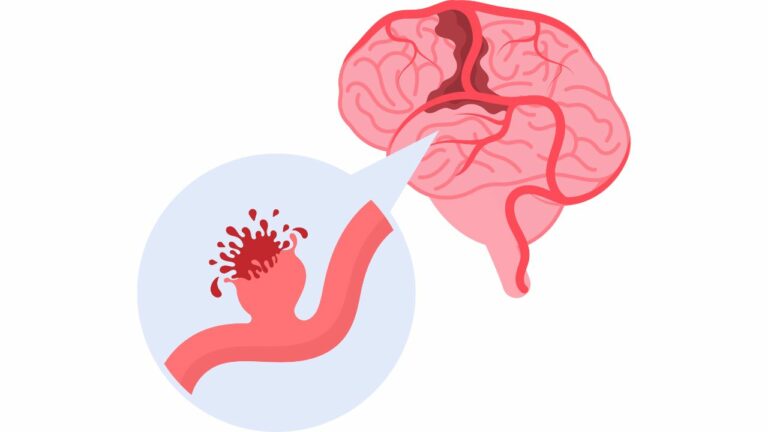
Cerebral vascular aneurysms, often referred to simply as brain aneurysms, occur when a weakened area in the blood vessel wall within the brain leads to a bulging or ballooning of the vessel. These aneurysms can develop anywhere in the brain and vary in size and shape. The worst thing that can occur in an aneurysm is that it can rupture. That causes cerebral haemorrhage and may lead to serious medical condition called cerebrovascular stroke or brain stroke.

2. Brain Aneurysm Symptoms:

Brain aneurysms often do not cause symptoms until they rupture. However, when symptoms do occur, they may include severe headaches, nausea, vomiting, neck pain, blurred or double vision, sensitivity to light, and loss of consciousness. In the case of a ruptured aneurysm, symptoms can be severe and may include a sudden, severe headache, nausea, vomiting, stiff neck, confusion, seizures, and loss of consciousness.

3. Aneurysm Treatment Options:

Treatment options for cerebral vascular aneurysms depend on various factors, including the size and location of the aneurysm, as well as the individual’s overall health. Treatment options may include observation, medication to control symptoms and prevent complications, surgical clipping to prevent rupture, endovascular coiling to seal off the aneurysm, or a combination of these approaches. Remember, as cerebral aneurysms are inside the brain, any surgery or intervention to clip them or repair them may involve brain surgery, which itself is a very dangerous and risky procedure.

4. Ruptured Brain Aneurysm:

A ruptured brain aneurysm occurs when the weakened area in the blood vessel wall gives way, causing bleeding into the surrounding brain tissue. This is a medical emergency that requires immediate treatment to prevent further damage and complications. The intracranial pressure [ICP] of such patients will rise and this will lead to many symptoms like

  • Visual disturbances: blurred vision, double vision (diplopia), or temporary vision loss.
  • Changes in mental status: confusion, irritability, drowsiness, or difficulty concentrating.
  • Nausea and vomiting often occur in conjunction with headaches.
  • Raised ICP can sometimes trigger seizures, which are abnormal electrical discharges in the brain that can cause convulsions, loss of consciousness, and other neurological symptoms.
  • Papilledema: swelling of the optic disc due to increased pressure within the skull.
  • In some cases, there may be alterations in vital signs such as increased blood pressure, changes in heart rate, or irregular breathing patterns.

5. Cerebral Aneurysm Signs:

Signs of a cerebral aneurysm include sudden and severe headaches, nausea, vomiting, neck pain or stiffness, blurred or double vision, sensitivity to light, and loss of consciousness. These signs may indicate a ruptured aneurysm and require prompt medical attention.

6. Aneurysm Risk Factors:

Several factors can increase the risk of developing a cerebral vascular aneurysm, including a family history of aneurysms, high blood pressure, smoking, excessive alcohol consumption, drug abuse (particularly cocaine), and certain genetic conditions such as polycystic kidney disease and connective tissue disorders.

7. Cerebral Aneurysm Diagnosis:

Diagnosing a cerebral vascular aneurysm typically involves a combination of imaging tests, such as magnetic resonance imaging (MRI), computed tomography (CT) scans, cerebral angiography, and lumbar puncture. These tests help determine the size, location, and severity of the aneurysm.

8. Aneurysm Prevention Tips:

While it may not be possible to prevent all cerebral vascular aneurysms, certain lifestyle modifications can help reduce the risk. These include maintaining a healthy blood pressure, avoiding smoking and excessive alcohol consumption, managing stress, and staying physically active.

9. Brain Aneurysm Awareness:

Raising awareness about the signs, symptoms, and risk factors of cerebral vascular aneurysms is crucial for early detection and intervention. Education efforts can help individuals recognize the warning signs and seek prompt medical attention if necessary.

10. Aneurysm Surgery Recovery:

Recovery from aneurysm surgery depends on several factors, including the type of procedure performed, the size and location of the aneurysm, and the individual’s overall health. In general, recovery may involve a hospital stay, followed by a period of rest and rehabilitation to regain strength and function.

11. Cerebral Haemorrhage Symptoms:

Cerebral haemorrhage may result from a cerebral aneurysm. Symptoms of cerebral haemorrhage include sudden and severe headaches, nausea, vomiting, weakness or numbness on one side of the body, difficulty speaking or understanding speech, and loss of consciousness. Immediate medical attention is required in the event of a cerebral haemorrhage.

12. Intracranial Aneurysm Treatment:

Treatment for intracranial aneurysms, which occur within the skull, may include surgical clipping, endovascular coiling, or flow diversion techniques to prevent rupture and reduce the risk of complications.

13. Aneurysm Screening Guidelines:

Screening guidelines for cerebral vascular aneurysms may vary depending on individual risk factors and medical history. However, individuals with a family history of aneurysms or certain risk factors may benefit from regular screening and monitoring.

14. Aneurysm Rupture Complications:

Complications of aneurysm rupture can be severe and may include cerebral haemorrhage, brain stroke, brain damage, neurological deficits, and even death. Prompt diagnosis and treatment are essential to minimize the risk of complications and improve outcomes.

Aneurysm rupture is usually a life threatening event. The possibility of the survival of the patient depends only on whether the best medical or surgical treatment is available and that too in a short period of time.

15. Aneurysm Embolization Procedure:

Aneurysm embolization is a minimally invasive procedure that involves inserting a catheter into the blood vessel and using coils, glue, or other materials to seal off the aneurysm and prevent further bleeding. This procedure is often used as an alternative to surgical clipping for certain types of aneurysms.

To conclude, cerebral vascular aneurysms are a serious medical condition that requires prompt diagnosis and treatment to prevent complications such as rupture and cerebral haemorrhage.

Brain Tumour Diet and Nutrition

Brain Tumour Diet and Nutrition

Brain Tumour Diet and Nutrition

By Dr.Ravindra Patil

Table of Contents

Supporting health during treatment

During any illness, a proper diet is indeed necessary. What foods and beverages are considered ‘bad’ even during good health should obviously be avoided. This blog aims to search out for the best diet for a patient undergoing brain tumour treatment.

Is there a Brain Tumour Diet?

Are there nutritional guidelines for brain tumour patients?

That is the first question that comes to mind. Brain tumour is a serious condition and requires treatment. Is there a requirement of special nutrition during brain tumour treatment?

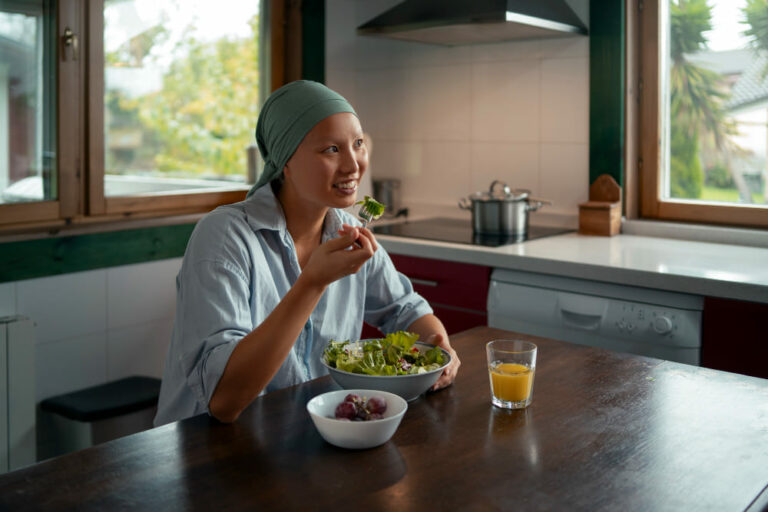
There isn’t a specific “brain tumour diet” that universally applies to all individuals with brain tumours. However, a balanced and nutritious diet is generally recommended to support overall health and well-being, which can be particularly important for individuals undergoing treatment for brain tumours.

Here are some Brain tumour nutrition tips

  1. Balanced Nutrition: Focus on consuming a variety of nutrient-dense foods including fruits, vegetables, whole grains, lean proteins, and healthy fats. All this is healthy eating for brain tumour patients.
  2. Hydration: Stay well-hydrated by drinking plenty of water throughout the day. Proper hydration is essential for overall health and can help manage side effects of treatment such as fatigue and constipation.
  3. Limit Processed Foods: Minimize consumption of processed foods, sugary snacks, and beverages high in added sugars. These foods offer little nutritional value and may contribute to inflammation and other health issues. This will not be a good diet for brain tumour patients.
  4. Healthy Fats: Incorporate sources of healthy fats such as avocados, nuts, seeds, and fatty fish (like salmon and tuna) into your diet. Healthy fats can support brain health and may have anti-inflammatory properties. They will give nutritional support for brain tumour treatment.
  5. Fibre-Rich Foods: Include plenty of fibre-rich foods such as whole grains, fruits, vegetables, and legumes to support digestion and overall gut health.
  6. Moderate Caffeine and Alcohol: Limit intake of caffeine and alcohol, as these substances can affect hydration levels and may interact with medications. These are not good foods for brain tumour patients.
  7. Consider Individual Needs: Depending on your specific situation, you may have dietary restrictions or requirements due to treatment side effects or other health conditions. It’s important to work with a dietician or family doctor who can provide personalized dietary guidance.

Always consult with your healthcare team before making significant changes to your diet, especially if you’re undergoing treatment for a brain tumour. They can offer tailored advice based on your individual needs and medical history.
Supporting health during brain tumour treatment with diet is not a new thing. As diet is a part and parcel of our very survival, it must be ideal. Besides every major illness has a diet plan. We must have a brain tumour diet plan. This blog has given general guidelines for planning a diet for brain tumour patients.

Managing side effects of brain tumour treatment

Brain tumour will always be treated by either surgery, chemotherapy or radiation therapy. Taking a diet which will obviate the side effects of brain tumour must also be planned. Let us first see the various side effects of brain tumour therapies and how brain tumour diet and nutrition will help.

Side effects of brain tumour surgery

These side effects will be similar to the side effects of any surgery. a general high protein nutritious diet full of natural vitamins will help the brain surgery wound, which may be a craniotomy, heal fast.  

Side effects of brain tumour chemotherapy

Some of the side effects of brain tumour chemotherapy, but not all, can be reduced with proper nutrition.

  1. Nausea and Vomiting: One of the most common side effects of chemotherapy is nausea and vomiting. Lots of fluids with electrolytes must be given, eg coconut water and fruit juices. However, the other diseases of the patients must be considered.
  2. Fatigue: Chemotherapy can cause fatigue, which may persist throughout the treatment period and even after treatment ends. Sweet foods will help relieve fatigue, only if the patient doesn’t have diabetes.
  3. Changes in Appetite: Chemotherapy can affect appetite, leading to changes in taste or a decrease in appetite. Tangy citrus fruits may increase the patients’ appetite.
  4. Peripheral Neuropathy: Some chemotherapy drugs can cause damage to the nerves in the hands and feet, leading to symptoms such as tingling, numbness, or pain. Giving vitamin rich foods will help reduce these symptoms.

Side effects of brain tumour radiation therapy

Radiation therapy, like chemotherapy, is a common treatment for brain tumours. It uses high-energy rays to target and destroy cancer cells while minimizing damage to healthy tissue. While radiation therapy can be effective in treating brain tumours, it can also lead to various side effects. Proper nutrition will help relieve the radiation therapy symptoms somewhat.

  1. Fatigue: Many patients undergoing radiation therapy experience fatigue, which can range from mild to severe. Rest and high calorie easily digestible food can help reduce fatigue.
  2. Skin Changes: The skin in the treated area may become dry, itchy, or sensitive. Some patients may develop a rash or changes in skin pigmentation. Vitamin rich food may help.
  3. Nausea and Vomiting: Radiation therapy directed at the brain can sometimes cause nausea and vomiting, particularly if the treatment area includes the area of the brain responsible for regulating nausea and vomiting. Plenty of fluids orally with anti-vomiting medicines help.

There are many more side effects of radiation therapy and sadly all of them cannot be managed by changes in nutrition.

So what should be the diet of a brain tumour patient? The following text gives a general guideline.

Diet Chart for Brain Tumour Patients

A diet chart for brain tumour patients is a list of foods that are usually healthy for people with brain tumours. The patients cannot eat foods that have been processed or contain artificial colours or flavours because these chemicals cause the tumour to grow faster. The following items are beneficial.

Broccoli:

Broccoli has been found to have anti-cancer properties and it also helps in reducing the risk of developing cancer. It contains vitamin C, vitamin B6, folate, calcium, magnesium, phosphorus and potassium.

Garlic:

Garlic is a commonly eaten food that has been found to have anti-cancerous properties.

Turmeric:

Turmeric is a spice that has been used in Indian cuisine for centuries. It has medicinal properties.  

Ginger:

Ginger is a food that is in use for centuries to help with the symptoms of nausea and vomiting. Now, scientists have found that ginger can also help with brain tumours.

Chicken Broths:

Chicken broths are an excellent choice for those who need to eat a high-calorie diet. They contain a lot of protein, nutrients and minerals that help in fighting cancer.

Nuts:

Nuts are a food that is rich in antioxidants and omega-3 fats. They are also a good source of protein, fibre, and healthy fats.

Eggs:

Eggs are a great food to include in a diet of brain tumour patients. They have nutrients that help with brain health and they can be made into many different dishes.

Other good foods

To be included in the nutritional support for brain tumour treatment are:

  1. Leafy Vegetables
  2. Milk
  3. Pineapple
  4. Tomatoes
  5. Citrus Fruits

Understanding Headaches: Causes, Types, Solutions

Understanding Headaches: Causes, Types, Solutions

Understanding Headaches: Causes, Types, Solutions

By Dr.Ravindra Patil

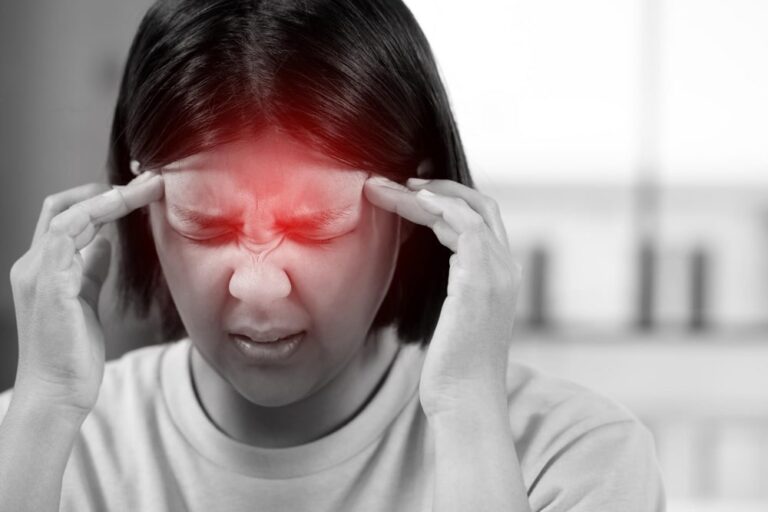
Headaches are incredibly common among human beings, with nearly everyone experiencing them at some point in their lives. In fact, headaches are one of the most prevalent health complaints worldwide. According to the World Health Organization (WHO), it is estimated that almost half of the adult population has experienced a headache at least once within the last year. Additionally, studies suggest that approximately 1 in 20 adults has a headache almost every day, with tension headaches and migraines being the most prevalent types.

Table of Contents

Causes, Types, Remedies, and Management Tips

Headaches can affect individuals of all ages, genders, and backgrounds, and their frequency and severity can vary widely from person to person. While many headaches are temporary and resolve on their own or with simple remedies, some individuals may experience chronic or recurrent headaches that significantly impact their daily functioning and quality of life.
Given their widespread occurrence and potential impact, headaches represent a significant public health concern, warranting attention, research, and effective management strategies to alleviate symptoms and improve overall well-being.

Introduction:

Headaches can be mild and fleeting or they can also be debilitating, impacting daily life and productivity. In this comprehensive blog, we will delve into the various aspects of headaches, including their causes, types, remedies, and management techniques to help you find relief and regain control over your headache management.

Headache Causes:

Headaches can stem from a myriad of factors, ranging from lifestyle choices to underlying health conditions. Stress, lack of sleep, dehydration, poor posture, and certain foods or beverages are common triggers for headaches. Additionally, underlying health issues such as sinus infections, hormonal imbalances, and even neurological disorders can contribute to recurrent headaches. Understanding the root cause of your headaches is crucial in effectively managing and preventing them. There are literally innumerable headache causes.

Types of Headaches:

Headaches are not one-size-fits-all; they manifest in various forms, each with its own distinct characteristics and triggers. Some common types of headaches include tension headaches, migraines, cluster headaches, and sinus headaches. Tension headaches typically result from muscle tension in the head and neck, while migraines are often characterized by intense, throbbing pain and other symptoms such as nausea and sensitivity to light and sound. Cluster headaches, though less common, are known for their excruciating pain localized around one eye, often occurring in clusters or cycles. Sinus headaches, on the other hand, stem from sinus congestion or inflammation. Recognizing the type of headache that you are experiencing is the first step towards finding appropriate relief.

Migraine Remedies:

Migraines can be particularly debilitating, significantly impacting quality of life. While there is no cure for migraines, various remedies can help alleviate symptoms and reduce the frequency and severity of attacks. Over-the-counter pain relievers, such as ibuprofen or acetaminophen, may provide relief for mild to moderate migraines. For more severe migraines, prescription medications specifically designed to target migraines, such as triptans or ergots, may be necessary. Additionally, lifestyle modifications, including stress management techniques, regular exercise, adequate sleep, and dietary adjustments, can play a significant role in migraine management.

Headache Relief Techniques:

When a headache strikes, finding quick relief becomes a top priority. Several techniques can help alleviate headache symptoms and promote relaxation. Applying cold or warm compresses to the head or neck area, practicing deep breathing exercises, gentle stretching, or engaging in relaxation techniques such as meditation or yoga can offer relief from headache discomfort. Experimenting with different techniques can help identify what works best for you in managing headaches effectively.

Preventing Tension Headaches:

Preventing tension headaches often involves adopting healthy lifestyle habits and managing stress effectively. Regular exercise, proper hydration, maintaining good posture, and incorporating stress-reduction techniques into your daily routine can help prevent tension headaches from occurring. Additionally, taking frequent breaks from prolonged periods of screen time or desk work and practicing relaxation exercises can alleviate muscle tension and reduce the likelihood of tension headaches.

Natural Headache Remedies:

In addition to conventional treatments, many people find relief from headaches through natural remedies. Herbal supplements such as feverfew or butterbur, aromatherapy with essential oils like peppermint or lavender, and acupuncture are among the natural approaches that some individuals find effective in managing headaches. However, it’s essential to consult with a healthcare professional before trying any new remedies, especially if you have underlying health conditions or are taking medications.

Headache Management Tips:

Managing headaches effectively often requires a multifaceted approach tailored to individual needs. Keeping a headache diary to track triggers and patterns, practicing stress management techniques, maintaining a regular sleep schedule, staying hydrated, and avoiding known triggers can help minimize the frequency and severity of headaches. Additionally, seeking support from healthcare professionals, such as neurologists or headache specialists, can provide personalized guidance and treatment options for more severe or persistent headaches.

Cluster Headache Treatment:

Cluster headaches, though rare, can be intensely painful and disruptive. Treatment for cluster headaches often involves a combination of medications to alleviate symptoms during an attack and prevent future episodes. Oxygen therapy, triptans, calcium channel blockers, and corticosteroids are commonly prescribed to manage cluster headaches effectively. In some cases, nerve stimulation techniques or surgical interventions may be considered for severe or refractory cases of cluster headaches.

Sinus Headache Relief:

Sinus headaches, typically accompanied by sinus congestion or pressure, can be relieved through various approaches aimed at reducing inflammation and promoting sinus drainage. Over-the-counter decongestants, saline nasal sprays, steam inhalation, and warm compresses applied to the sinus areas can help alleviate sinus headache symptoms. Additionally, addressing underlying sinus issues, such as allergies or infections, is essential in preventing recurrent sinus headaches.

Hormonal Headache Remedies:

Fluctuations in hormone levels, particularly in women, can trigger hormonal headaches, often associated with menstruation, pregnancy, or menopause. Hormonal contraceptives or hormone replacement therapy may help regulate hormone levels and reduce the frequency and severity of hormonal headaches in some individuals. However, it’s crucial to consult with a healthcare provider to determine the most appropriate treatment approach based on individual health needs and considerations.

Brain Tumour Headaches

Yes, brain tumours can indeed cause headaches. Headaches caused by brain tumours can vary widely in terms of severity, frequency, and other characteristics. These headaches are often described as persistent, dull, and progressively worsening over time. However, it’s essential to note that not all headaches are indicative of a brain tumour, and most headaches are unrelated to serious medical conditions.

The headache associated with a brain tumour may result from increased pressure within the skull (intracranial pressure) due to the tumour’s growth, compression of surrounding structures, or irritation of pain-sensitive structures in the brain and its coverings.

However, it’s important to emphasize that the vast majority of headaches are not caused by brain tumours but rather by more common and benign factors mentioned above.

Conclusion:

Headaches can significantly impact quality of life, but with the right knowledge and strategies, they can be effectively managed and prevented. By understanding the causes, types, remedies, and management techniques discussed in this guide, you can empower yourself to take control of your headache symptoms and lead a more comfortable, headache-free life. Remember, finding the most effective approach may require patience and experimentation, so don’t hesitate to seek guidance from healthcare professionals to develop a personalized headache management plan tailored to your needs.

Coping with Treatment: Brain Tumour Patient Care Tips

Enduring treatment for a brain tumour can be physically and emotionally draining. Managing side effects, maintaining good nutrition, and staying hydrated are crucial aspects of care.

Living Well Beyond Diagnosis: Brain Tumour Coping Strategies

Living well with a brain tumour involves looking beyond the diagnosis and focusing on aspects of life that bring joy and fulfilment. Engaging in hobbies, spending time with loved ones, and setting realistic goals contribute to a positive mind set, fostering resilience in the face of adversity.

Community Support: Emotional Support for Brain Tumour Patients

Connecting with other brain tumour patients through local or online support groups can provide a sense of community and understanding. Sharing experiences, tips, and resources creates a supportive environment where individuals feel heard and validated. Brain tumour emotional wellness is a state where the patient accepts the situation and is firmly facing it.

Conclusion:

So, as can be understood from the above, understanding a brain tumour diagnosis is a multifaceted process that involves medical understanding, treatment decisions, and emotional considerations. By actively engaging with doctors and counsellors, seeking support from loved ones, and educating oneself about the diagnosis, individuals can navigate this challenging terrain with a sense of empowerment and resilience. Remember, each person’s journey is unique, and a well-informed and supported approach can make a significant difference in facing the complexities of living with a brain tumour.

डोकेदुखी समजून घेणे: कारणे, प्रकार, उपाय

डोकेदुखी समजून घेणे: कारणे, प्रकार, उपाय

डोकेदुखी समजून घेणे: कारणे, प्रकार, उपाय

By Dr. Ravindra Patil

डोकेदुखी मानवांमध्ये आश्चर्यकारकपणे खूप वेळा होते. जवळजवळ प्रत्येकजण त्यांच्या आयुष्यात कधी ना कधी याचा अनुभव घेतो. खरं तर, डोकेदुखी ही जगभरातील सर्वात प्रचलित आरोग्य तक्रारींपैकी एक आहे. वर्ल्ड हेल्थ ऑर्गनायझेशन (WHO) नुसार असा अंदाज आहे की जवळजवळ अर्ध्या प्रौढ लोकसंख्येला गेल्या वर्षभरात किमान एकदा तरी डोकेदुखीचा अनुभव आला आहे. याव्यतिरिक्त, शास्त्रीय अभ्यासानुसार अंदाजे २० पैकी १ प्रौढांला जवळजवळ दररोज डोकेदुखी होत असते. त्यात तणाव डोकेदुखी आणि मायग्रेन हे सर्वात जास्त प्रचलित प्रकार आहेत.

Table of Contents

कारणे, प्रकार, उपाय आणि व्यवस्थापन टिप्स

डोकेदुखी सर्व वयोगटातील, लिंग आणि पार्श्वभूमीच्या व्यक्तींना प्रभावित करू शकते आणि त्यांची वारंवारता आणि तीव्रता प्रत्येक व्यक्तीमध्ये मोठ्या प्रमाणात बदलू शकते. जरी अनेक प्रकारच्या डोकेदुखी तात्पुरत्या असतात आणि स्वतःहून किंवा सोप्या उपायांनी सोडवतात, तरी काही व्यक्तींना तीव्र किंवा वारंवार डोकेदुखीचा अनुभव येऊ शकतो. त्यामुळे त्यांच्या दैनंदिन कामकाजावर आणि जीवनाच्या गुणवत्तेवर लक्षणीय परिणाम होतो.

त्यांची व्यापक घटना आणि संभाव्य प्रभाव लक्षात घेता, डोकेदुखी ही एक महत्त्वाची सार्वजनिक आरोग्य चिंता आहे. यावर लक्ष केंद्रीत करून संशोधन आणि डोकेदुखीची लक्षणे कमी करण्यासाठी आणि एकंदर मानवांचे कल्याण सुधारण्यासाठी प्रभावी व्यवस्थापन धोरणे आवश्यक आहेत.

परिचय:

डोकेदुखी सौम्य आणि क्षणभंगुर असू शकते किंवा ते रूग्णाला दुर्बल देखील करू शकते. दैनंदिन जीवन आणि उत्पादनक्षमतेवर विपरीत परिणाम करते. या माहितीच्या ब्लॉगमध्ये आम्ही डोकेदुखीच्या विविध पैलूंची सखोल चर्चा करू, ज्यात त्यांची कारणे, प्रकार, उपाय आणि व्यवस्थापन तंत्रे सांगू व त्यामुळे तुम्हाला आराम मिळण्यास आणि तुमच्या डोकेदुखीच्या व्यवस्थापनावर नियंत्रण मिळवण्यात मदत होईल.

डोकेदुखी कारणे:

डोकेदुखी जीवनशैलीच्या निवडीपासून ते मूलभूत आरोग्य परिस्थितीपर्यंत अनेक घटकांमुळे उद्भवू शकते. तणाव, झोपेचा अभाव, निर्जलीकरण, खराब शरीर मुद्रा आणि काही खाद्यपदार्थ किंवा पेये अशी डोकेदुखी होण्याची सामान्य कारणे आहेत. याव्यतिरिक्त, सायनस संक्रमण, हार्मोनल असंतुलन आणि न्यूरोलॉजिकल विकार यासारख्या अंतर्निहित आरोग्य समस्या वारंवार डोकेदुखी करवू शकतात. तुमच्या डोकेदुखीचे मूळ कारण समजून घेणे आणि त्यांचे प्रभावीपणे उपचार करणे आणि त्याचा प्रतिबंध करणे महत्त्वाचे आहे. डोकेदुखीची अक्षरशः असंख्य कारणे आहेत.

डोकेदुखीचे प्रकार:

डोकेदुखी एकच प्रकारची असते व ती सर्व रोगात होते असे नाही. ती वेगवेगळ्या स्वरूपात प्रकट होते, प्रत्येक डोकेदुखीची स्वतःची विशिष्ट वैशिष्ट्ये आणि ट्रिगर असतात. डोकेदुखीच्या काही सामान्य प्रकारांमध्ये तणाव डोकेदुखी, मायग्रेन, क्लस्टर डोकेदुखी आणि सायनस डोकेदुखी यांचा समावेश होतो. तणावग्रस्त डोकेदुखी सामान्यत: डोके आणि मानेच्या स्नायूंच्या तणावामुळे उद्भवते, तर मायग्रेन अनेकदा तीव्र, धडधडणारे वेदना आणि मळमळ आणि प्रकाश आणि आवाजाची संवेदनशीलता यासारख्या इतर लक्षणांद्वारे दर्शविले जाते. क्लस्टर डोकेदुखी, जरी कमी सामान्य असली तरी, एका डोळ्याभोवती स्थानिकीकरण केलेल्या वेदनादायक वेदनांमुळे ओळखली जाते. टेन्शन डोकेदुखी बहुतेकदा क्लस्टर किंवा चक्रांमध्ये उद्भवते. तर सायनस डोकेदुखी सायनस मध्ये दाब किंवा संक्रमण या मुळे उद्भवते. आपण अनुभवत असलेल्या डोकेदुखीचा प्रकार ओळखणे हे बरे होण्याचा उपचार शोधण्यासाठी पहिली पायरी आहे.

मायग्रेनवर उपाय:

मायग्रेन विशेषतः रूग्णाला खूप कमकुवत करू शकतात व जीवनाच्या गुणवत्तेवर लक्षणीय दुष्परिणाम करतात. मायग्रेनवर कोणताही कायमचा इलाज नसला तरी विविध उपाय लक्षणे कमी करण्यात आणि मायग्रेनच्या हल्ल्यांची वारंवारता आणि तीव्रता कमी करण्यात मदत करू शकतात. ओव्हर-द-काउंटर वेदना कमी करणारी औषधे, जसे की इबूप्रोफेन किंवा पॅरॅसिटामॉल, सौम्य ते मध्यम मायग्रेनमध्ये आराम देऊ शकतात. अधिक गंभीर मायग्रेनसाठी, ट्रिप्टन्स किंवा एर्गॉट्स सारख्या, मायग्रेनसाठी विशेष बनवलेली औषधे आवश्यक असू शकतात. याव्यतिरिक्त, तणाव व्यवस्थापन तंत्र, नियमित व्यायाम, पुरेशी झोप आणि आहारातील समायोजनांसह जीवनशैलीतील बदल हे सर्व मायग्रेन व्यवस्थापनात महत्त्वपूर्ण भूमिका बजावू शकतात.

डोकेदुखी दूर करण्याचे तंत्र:

जेव्हा डोकेदुखीचा त्रास होतो तेव्हा त्वरीत आराम मिळवणे ही सर्वोच्च प्राथमिकता बनते. अनेक तंत्रे डोकेदुखीची लक्षणे कमी करण्यास आणि विश्रांतीस प्रोत्साहन देण्यास मदत करू शकतात. डोके किंवा मानेच्या भागात थंड किंवा उबदार कॉम्प्रेस लागू करणे, खोल श्वासोच्छवासाचे व्यायाम करणे, हळूवार ताणणे किंवा ध्यान किंवा योग यासारख्या विश्रांती तंत्रांमध्ये व्यस्त राहणे यामुळे डोकेदुखीच्या अस्वस्थतेपासून आराम मिळू शकतो. वेगवेगळ्या तंत्रांचा प्रयोग केल्याने डोकेदुखी प्रभावीपणे व्यवस्थापित करण्यासाठी तुमच्यासाठी कोणता उपाय सर्वोत्तम कार्य करतो हे ओळखण्यात मदत होऊ शकते.

तणावग्रस्त डोकेदुखी रोखणे:

तणावग्रस्त डोकेदुखी रोखण्यासाठी अनेकदा निरोगी जीवनशैलीच्या सवयींचा अवलंब करणे आणि तणावाचे प्रभावीपणे व्यवस्थापन करणे आवश्यक असते. नियमित व्यायाम, योग्य हायड्रेशन, शरीराची मुद्रा चांगली राखणे आणि तणाव-कमी करण्याच्या तंत्रांचा आपल्या दैनंदिन दिनचर्येत समावेश केल्याने तणावामुळे होणारी डोकेदुखी टाळण्यास मदत होते. याव्यतिरिक्त, सतत स्क्रीन पहाणे किंवा टेबलावर बसून दीर्घ कामाच्या कालावधीपासून वारंवार ब्रेक घेणे आणि विश्रांती व्यायामाचा सराव करणे हे केल्याने स्नायूंचा ताण कमी होतो आणि तणाव डोकेदुखी होण्याची शक्यता कमी होते.

डोकेदुखीचे नैसर्गिक उपाय:

पारंपारिक उपचारांव्यतिरिक्त, बऱ्याच लोकांना नैसर्गिक उपायांद्वारे डोकेदुखीपासून आराम मिळतो. हर्बल सप्लिमेंट्स जसे की फिव्हरफ्यू किंवा बटरबर, पेपरमिंट किंवा लॅव्हेंडर सारखी तेलं वापरून एरोमाथेरपी आणि ॲक्युपंक्चर या अशा नैसर्गिक पध्दती आहेत ज्या काही व्यक्तींना डोकेदुखी कमी करण्यासाठी उपयोगी वाटतात. तथापि, कोणत्याही नवीन उपायांचा प्रयत्न करण्यापूर्वी डॉक्टरांशी सल्लामसलत करणे आवश्यक आहे. खास करून विशेषत: जर तुम्हाला आधी पासून काही रोग असतील आणि तुम्ही त्याची औषधे घेत असाल तर डॉक्टरांचा सल्ला जरूर घ्या. 

डोकेदुखी व्यवस्थापनाच्या टिप्स:

डोकेदुखीचा प्रभावीपणे उपचार करण्यासाठी अनेकदा वैयक्तिक गरजांनुसार अनेक पैलू असलेला दृष्टीकोन आवश्यक असतो. ट्रिगर्स आणि पॅटर्नचा मागोवा घेण्यासाठी डोकेदुखीची डायरी ठेवणे, तणाव व्यवस्थापन तंत्राचा सराव करणे, नियमित झोपेचे वेळापत्रक राखणे, हायड्रेटेड राहणे आणि माहित असलेले ट्रिगर टाळणे यामुळे डोकेदुखीची वारंवारता आणि तीव्रता कमी होण्यास मदत होते. याव्यतिरिक्त, न्यूरॉलॉजिस्ट किंवा डोकेदुखी तज्ञ यासारख्या आरोग्यसेवा व्यावसायिकांकडून समर्थन मिळवणे, अधिक गंभीर किंवा सतत डोकेदुखीसाठी वैयक्तिकृत मार्गदर्शन घेणे आणि उपचार पर्याय वापरणे हे योग्य होते.

क्लस्टर डोकेदुखी उपचार:

क्लस्टर डोकेदुखी जरी दुर्मिळ असली तरी ती तीव्र वेदनादायक आणि दैनंदिन कार्यक्रमात व्यत्यय आणणारी असू शकते. क्लस्टर डोकेदुखीच्या उपचारांमध्ये आक्रमणादरम्यान लक्षणे कमी करण्यासाठी आणि भविष्यातील डोकेदुखी टाळण्यासाठी औषधांच्या संयोजनाचा उपयोग करावा लागतो. क्लस्टर डोकेदुखी प्रभावीपणे व्यवस्थापित करण्यासाठी ऑक्सिजन थेरपी, ट्रिप्टन्स, कॅल्शियम चॅनेल ब्लॉकर्स आणि कॉर्टिकोस्टिरॉईड्स सामान्यतः दिले जाते. काही केसेस मध्ये क्लस्टर डोकेदुखीच्या गंभीर किंवा दुर्दम्य प्रकरणांसाठी तंत्रिका उत्तेजन तंत्र किंवा शस्त्रक्रिया यांचा विचार केला जाऊ शकतो.

सायनस डोकेदुखीपासून आराम:

सायनस डोकेदुखी, विशेषत: सायनस बंद होऊन डोक्यावर आलेला दाब कमी करण्यासाठी व सूज कमी करणे आणि सायनस ड्रेनेजला प्रोत्साहन देण्याच्या उद्देशाने विविध पद्धतींद्वारे आराम मिळू शकतो. ओव्हर-द-काउंटर डिकंजेस्टंट्स, सलाईन चे अनुनासिक फवारे, वाफ घेणे आणि सायनस भागात घेतलेला शेक हे सायनस डोकेदुखीची लक्षणे कमी करण्यास मदत करू शकतात. याव्यतिरिक्त, सायनसच्या अंतर्निहित समस्यांचे निराकरण करणे, जसे की ऍलर्जी किंवा संक्रमण यांचा उपचार, वारंवार सायनस डोकेदुखी टाळण्यासाठी आवश्यक आहे.

हार्मोनल डोकेदुखी उपाय:

स्त्रियांमध्ये विशेषत: हार्मोनच्या पातळीतील चढ-उतार हार्मोनल डोकेदुखी सुरू करू शकतात. या प्रकारच्या डोकेदुखी बहुतेकदा मासिक पाळी, गर्भधारणा किंवा रजोनिवृत्तीशी संबंधित असतात. हार्मोनल गर्भनिरोधक किंवा हार्मोन रिप्लेसमेंट थेरपी हार्मोन्सची पातळी नियंत्रित करण्यात आणि काही व्यक्तींमध्ये हार्मोनल डोकेदुखीची वारंवारता आणि तीव्रता कमी करण्यात मदत करू शकते. तथापि, वैयक्तिक आरोग्याच्या गरजा आणि विचारांवर आधारित सर्वात योग्य उपचार पद्धती निर्धारित करण्यासाठी डॉक्टरांशी सल्लामसलत करणे महत्वाचे आहे.

ब्रेन ट्यूमर डोकेदुखी

होय, ब्रेन ट्यूमरमुळे खरोखरच डोकेदुखी होऊ शकते. मेंदूतील ट्यूमरमुळे होणारी डोकेदुखी तीव्रता, वारंवारता आणि इतर वैशिष्ट्यांनुसार मोठ्या प्रमाणात बदलू शकते. या डोकेदुखीचे वर्णन असे करतात “अनेकदा होते, सतत होते, कंटाळवाणी असते आणि कालांतराने हळूहळू वाढत जाते” असे केले जाते. तथापि, हे लक्षात घेणे आवश्यक आहे की सर्व डोकेदुखी ब्रेन ट्यूमरचे सूचक नसतात आणि बहुतेक डोकेदुखी गंभीर वैद्यकीय परिस्थितीशी संबंधित नसतात.

मेंदूच्या गाठीशी संबंधित डोकेदुखीची कारणे म्हणजे ट्यूमरच्या वाढीमुळे, सभोवतालच्या संरचनेच्या संकुचिततेमुळे किंवा मेंदूतील वेदना-संवेदनशील संरचना आणि त्याच्या आवरणांच्या वर सूज आल्यामुळे कवटीच्या आत वाढलेल्या दाबामुळे (इंट्राक्रॅनियल प्रेशर).

तथापि, हे सांगणे महत्त्वाचे आहे की बहुतेक डोकेदुखी ब्रेन ट्यूमरमुळे होत नाहीत तर वर नमूद केलेल्या अधिक सामान्य आणि सौम्य घटकांमुळे होतात.

थोडक्यात म्हणजे…

डोकेदुखीचा जीवनाच्या गुणवत्तेवर लक्षणीय परिणाम होऊ शकतो, परंतु त्याच्या उपचार धोरणांची योग्य माहिती असली तर डोकेदुखी वर प्रभावीपणे उपचार केले जाऊ शकतात व तसेच डोकेदुखी प्रतिबंधित केली जाऊ शकते. या मार्गदर्शिकेत चर्चा केलेली कारणे, प्रकार, उपाय आणि व्यवस्थापन तंत्र समजून घेऊन, तुम्ही तुमच्या डोकेदुखीच्या लक्षणांवर नियंत्रण ठेवण्यासाठी आणि अधिक आरामदायी, डोकेदुखीमुक्त जीवन जगण्यास सक्षम होऊ शकता. लक्षात ठेवा, सर्वात प्रभावी दृष्टीकोन शोधण्यासाठी संयम आणि प्रयोगाची आवश्यकता असू शकते, म्हणून तुमच्या गरजेनुसार वैयक्तिक डोकेदुखी व्यवस्थापन योजना विकसित करण्यासाठी डॉक्टरांकडून मार्गदर्शन घेण्यास अजिबात संकोच करू नका.

घरी लघवीच्या नळीची (फोलीज कॅथेटर) काळजी

घरी लघवीच्या नळीची (फोलीज कॅथेटर) काळजी

By Dr.Ravindra Patil

घरी लघवीच्या नळीची (फोलीज कॅथेटर) काळजी

काही शस्त्रक्रियांनंतर किंवा ब्रेन स्ट्रोकनंतर, काहीवेळा रुग्णाला त्याच्या मूत्राशयावर नियंत्रण ठेवता येत नाही. यामुळे सामाजिक समस्या आणि अस्वच्छता निर्माण होते. त्यामुळे मूत्राशयाच्या आत एक नळी घालून ठेवतात. त्याला फॉलीज कॅथेटर म्हणतात. ही माहिती तुम्हाला तुमच्या स्वतःच्या फॉलीज कॅथेटरची किंवा तुमच्या रुग्णाच्या फॉलीज कॅथेटरची काळजी घेण्यात मदत करेल.

परिस्थितीनुसार, एकतर रुग्ण स्वतः/स्वतः फॉलीचे कॅथेटर आणि पिशवी यांची काळजी घेऊ शकतो किंवा एकतर परिचारिका किंवा हॉस्पिटल प्रशिक्षित कर्मचार्‍यांनी हे काम करू शकतात.

तुम्हाला असे वाटेल की तुम्ही तुमच्या वडिलांसाठी किंवा आईसाठी तुम्ही हे केले पाहिजे, परंतु लक्षात ठेवा, तुमच्या जवळच्या आणि प्रिय नातेवाईकाची काळजी घेण्यात गोपनीयतेच्या समस्या आणि तुम्ही करत असलेल्या कामाचा तिरस्कार येऊ शकतो. आपण ते करू शकू असा भक्कम आत्मविश्वास तुम्हाला वाटत असेल तरच हे करा. त्यासाठी परिचारिका आणि रुग्णालयातील कर्मचाऱ्यांना प्रशिक्षण दिले जाते. हे कठीण नाही आहे, आपल्याला फक्त अचूक चरणांचे अनुसरण करावे लागते.

Table of Contents

फोलीज कॅथेटर म्हणजे काय ?

फॉली कॅथेटर एक पातळ व लवचिक नलिका असते. ती तुमच्या मूत्राशयातून तुमच्या शरीराबाहेर मूत्र वाहून नेते. ती तुमच्या मूत्राशयात ठेवली जाते. अशी प्रकारे फॉलीज कॅथेटर तुमची लघवी काढून एका पिशवीत साठते. फॉलीज कॅथेटरची नळी बाहेर येऊ नये म्हणून त्यात पाण्याने भरलेल्या फुगा असतो त्या फुग्याने फॉलीज केथेटर तुमच्या मूत्राशयात धरला जातो.

फॉलीज कॅथेटर कसे कार्य करते

तुमचे मूत्र तुमच्या मूत्राशयातून आणि ड्रेनेज ट्यूबमधून ड्रेनेज कलेक्शन बॅगमध्ये जाते. ड्रेनेज पिशवी एका विशेष टेपने पायावर राहते.

तुमच्या फॉली कॅथेटरची काळजी कशी घ्यावी

तुमच्या फॉली कॅथेटरची काळजी घेण्यासाठी, तुम्हाला हे करणे आवश्यक आहे:

  • तुमचा कॅथेटर दररोज स्वच्छ करा.
  • तुमची ड्रेनेज पिशवी दिवसातून दोन वेळा रिकामी करा.
  • तुमच्या ड्रेनेज पिशव्या आठवड्यातून एकदा बदलून तिथे नवीन पिशवी लावा.
  • तुमच्या ड्रेनेज पिशवीची नळी जर तुंबली असेल तर तुम्ही ती बदलली पाहिजे.
  • तुमच्या ड्रेनेज पिशव्या दररोज धुवा.
  • शरीरात योग्य प्रमाणात पाणी राखण्याकरता तुम्ही जागे असताना दर दोन तासांनी एखादा ग्लास पाणी किंवा इतर द्रव प्या.

कॅथेटर तुमच्या शरीरात प्रवेश करतो त्याच्या आजूबाजूला तुम्हाला कधी कधी रक्त किंवा मूत्र दिसू शकते. तुम्ही चालत असताना किंवा शी करतांना हे घडू शकते. ड्रेनेज बॅगमध्ये लघवी जात असल्यास हे सामान्य आहे. पण जर तुमच्याकडे ड्रेनेज पिशवीमध्ये लघवी होत नसेल, तर तुम्ही तुमच्या डॉक्टरांना भेटणे आवश्यक आहे.

पुरुषाचे जननेंद्रिय किंवा स्त्रियांच्या योनीची काळजी

पुरुषाचे जननेंद्रिय किंवा स्त्रियांच्या योनी यांत जेथे कॅथेटर आत शिरते तेथून संक्रमण दूर ठेवण्यासाठी पाणी-आधारित लुब्रीकंट वापरा. कॅथेटर तुमच्या शरीरात जिथे जाईल तिथे जेल लावा.

दररोज आंघोळ करून पुरुषाचे जननेंद्रिय किंवा स्त्रियांचा योनीमार्ग स्वच्छ ठेवा. तुमचे फॉलीज कॅथेटर असताना हे संक्रमण टाळण्यास मदत करेल.

फॉलीज कॅथेटर सहीत आंघोळ कशी करावी

  • तुमच्या मुत्राशयात फॉलीज कॅथेटर असताना तुम्ही आंघोळ करू शकता.
  • तुमचा कॅथेटर काढून टाकेपर्यंत टब बाथ मात्र घेऊ नका. कॅथेटर असताना तसे केल्याने तुम्हाला संसर्ग होण्याचा धोका असतो.
  • तुम्ही सकाळी आंघोळ करून मग तुमची बॅग बदला.

फॉलीज कॅथेटर कसा स्वच्छ करावा

तुम्ही शॉवरमध्ये असताना तुमचे कॅथेटर स्वच्छ करू शकता. या सूचनांचे पालन करा.

  • सौम्य साबण वापरा, जसा की डोव्ह.
  • तुमचे हात साबण आणि पाण्याने किंवा अल्कोहोल-आधारित हँड सॅनिटायझरने धुवा.
  • तुम्ही अल्कोहोल-आधारित हँड सॅनिटायझर वापरत असल्यास, हात कोरडे होईपर्यंत त्यांना एकमेकांवर घासा.
  • सौम्य साबण आणि पाणी वापरून, तुमचे लिंग किंवा योनी स्वच्छ धुवा.
  • पुरुषाचे जननेंद्रिय असल्यास पुढची त्वचा (तुमच्या लिंगाच्या टोकाभोवतीची त्वचा) मागे घ्या. तुमच्या लिंगासह क्षेत्र स्वच्छ करा.
  • योनी असल्यास, योनीमार्गाच्या भोवतालची त्वचेची लहान पट वेगळी करा. समोरून ते माग पर्यांतचा भाग स्वच्छ करा.
  • कॅथेटर तुमच्या शरीरात प्रवेश करतो ती जागा स्वच्छ करा. याला तुमचे मूत्रमार्ग म्हणतात.
  • आधी कॅथेटर जिथून तुमच्या शरीरात प्रवेश करतो तेथून स्वच्छ करायला सुरुवात करा आणि नंतर खाली तुमच्या शरीरापासून दूर स्वच्छ करा. कॅथेटर तुमच्या शरीरात प्रवेश करते त्या ठिकाणी धरून ठेवा जेणेकरून त्यावर ताण येऊ नये.
  • क्षेत्र चांगले स्वच्छ धुवा आणि हळूवारपणे कोरडे करा.

ड्रेनेज पिशव्या कधी बदलायच्या

ड्रेनेज पिशवी दिवसातून दोन वेळा बदलावी:

  • सकाळी आंघोळ केल्यानंतर रात्रीची बॅग बदला.
  • रात्री झोपण्यापूर्वी बॅग बदला.
  • आठवड्यातून एकदा नवीन ड्रेनेज पिशव्या लावा. ड्रेनेज पिशवी तुंबली असेल किंवा ब्लॉक झाली असेल तर तुम्ही ती बदलली पाहिजे.

तुमची ड्रेनेज पिशवी कशी बदलावी

या साठी तुम्हाला खालील गोष्टींची गरज पडेल:

  • स्वच्छ कापड (तुम्ही आंघोळीसाठी वापरत नसलेले) किंवा 4 इंच x 4 इंच कापसाचे कापड.
  • दुसरी ड्रेनेज पिशवी.
  • दोन अल्कोहोल पॅड.
  • आपले हात साबण आणि पाण्याने किंवा अल्कोहोल-आधारित हँड सॅनिटायझरने चांगले धुवा.
  • ड्रेनेज बॅगमधून मूत्र शौचालयात रिकामे करा. ड्रेनेज पिशवीचा, शौचालयाच्या बाजूला किंवा कोणत्याही रिकाम्या कंटेनरला कधीही स्पर्श होणार नाही याची काळजी घ्या. चुकून स्परर्श झाला तर जी जागा 15 सेकंदांसाठी अल्कोहोल पॅडने पुसून काढा.
  • नळी किंवा पिशवी कुठून गळत आहे हे शोधण्यासाठी कनेक्टरखाली स्वच्छ कापड किंवा कापसाचे कापड ठेवा.
  • कॅथेटरला तुमच्या बोटांनी चिमटा आणि मगच वापरलेली पिशवी सोडवा करा.
  • कॅथेटरच्या शेवटचे टोक अल्कोहोल पॅडने पुसून टाका.
  • नवीन पिशवीवरील कनेक्टर दुसऱ्या अल्कोहोल पॅडने पुसून टाका.
  • स्वच्छ पिशवी कॅथेटरशी जोडा आणि मगच तुमच्या बोटाची चिमूट सोडा. म्हणजे लघवी गळणार नाही. पिशवी गळण्या पासून रोखण्यासाठी कॅथेटर त्याच्याशी घट्ट जोडलेला असल्याची खात्री करा.
  • सर्व कनेक्शन तपासा. टयूबिंगमधील कोणतीही आटी किंवा वळण असल्यास सरळ करा.

ड्रेनेज बॅगची काळजी कशी घ्यावी

  • आवश्यकतेनुसार दर 2 ते 4 तासांनी बॅग टॉयलेटमध्ये रिकामी करा. आपण पिशवीच्या तळाशी असलेल्या झाकणावाटे हे करू शकता. पिशवी पूर्णपणे भरू देऊ नका.
  • दिवसा तुम्ही लेग बॅग घातली असताना दोन तासांपेक्षा जास्त वेळ झोपू नका. यामुळे तुमचे लघवी जसे हवे तसे निचरा होण्यापासून रोखू शकते.

रात्रीच्या ड्रेनेज बॅगची काळजी घेणे

  • रात्रीची पिशवी नेहमी तुमच्या मूत्राशयाच्या पातळीच्या खालच्या पातळीवर ठेवा.
  • जेव्हा तुम्ही झोपायला जाल तेव्हा तुमची नाईट बॅग पलंगाच्या खाली लटकवा. एक लहान कचरापेटी वापरून हे करू शकता. कचरापेटीत स्वच्छ प्लास्टिक पिशवी ठेवा. तुमची नाईट बॅग कचराकुंडीच्या आत लटकवा.

आपल्या ड्रेनेज पिशव्या साफ करणे

तुमच्या मुत्राच्या बॅग दररोज आतून स्वच्छ करा. या सूचनांचे पालन करा.

या साठी तुम्हाला गरज पडेल:

  • पांढरे व्हिनेगर.
  • थंड पाणी.
  • तुमचे हात साबण आणि पाण्याने किंवा अल्कोहोल-आधारित हँड सॅनिटायझरने स्वच्छ करा.
  • पिशवी थंड पाण्याने स्वच्छ धुवा. गरम पाणी वापरू नका कारण ते प्लास्टिक खराब करू शकते.
  • वासापासून मुक्त होण्यासाठी, 1 भाग पांढरा व्हिनेगर आणि 3 भाग पाण्याच्या मिश्रणाने पिशवी अर्धवट भरा. पिशवी हलवा आणि 15 मिनिटे ते मिश्रण पिशवीत राहू द्या.
  • पिशवी थंड पाण्याने स्वच्छ धुवा. सुकण्यासाठी तिला उलटी टांगून ठेवा.

फॉलीज कॅथेटर मुळे होणारे संक्रमण कसे टाळावे

तुमच्या शरीरात कॅथेटर असताना संक्रमण होण्यापासून रोखण्यासाठी या मार्गदर्शक तत्त्वांचे अनुसरण करा:

  • ड्रेनेज पिशवी तुमच्या मूत्राशयाच्या पातळीच्या खाली ठेवा.
  • ड्रेनेज पिशवी नेहमी जमिनीपासून दूर ठेवा.
  • कॅथेटर हलू नये म्हणून आपल्या मांडीला सुरक्षित ठेवा.
  • कॅथेटरवर झोपू नका किंवा ट्यूबिंगमध्ये लघवीचा प्रवाह रोखू नका.
  • कॅथेटर स्वच्छ ठेवण्यासाठी दररोज शॉवर घ्या.
  • कॅथेटर किंवा पिशवीला स्पर्श करण्यापूर्वी आणि नंतर आपले हात धुवा.

तुमचे कॅथेटर महिन्यातून एकदा बदलले पाहिजे. पण जर तो काम करत नसेल थांबले किंवा तुम्हाला संसर्ग झाला असेल तरी कॅथेटर लगेच बदलायला हवा.

How to Prevent Brain Tumours

How to Prevent Brain Tumours

How to Prevent Brain Tumours

By Dr.Ravindra Patil

The title of this essay seems so attractive. It seems this article will present a nice, magical way of preventing brain tumours. Brain tumours are something for which cure is difficult and in some cases not possible. Brain tumours are diseases which are very difficult to treat because brain tumours are located inside the skull and in many cases very difficult to approach. Chemotherapy and Radiation Therapy have opened doors to the treatment of some brain tumours which are not operable by surgery. Surgery of brain tumours remains the ideal way to get rid of a brain tumour forever, but surgery has its own risks. And, in some cases, surgery is not possible.

Table of Contents

There is No Way to Prevent Brain Tumours

There is no known way to prevent brain tumours. But those people who are likely to get brain tumours, need to be more aggressive in getting themselves screened for brain tumours. The reason is, children of people who suffered brain tumours are more likely to suffer brain tumours. A family history of brain tumours in near blood relatives indicates an increased risk of brain tumours. Such people must consider screening tests to detect brain tumours.

Risk Factors

  • Risk factors for brain tumours include: Family history, Genetic conditions.
  • People with a close relative who has had a brain tumour have a higher risk than other people in the general population. A close relative is a parent, sibling, or child.
  • Cigarette smoking is a major source of chemical carcinogens.

Introduction

A brain tumour occurs when neurons are mutated and thus abnormal cells are formed. Glioma and meningioma are the two most common types or brain tumours, comprising approximately 75% of all brain tumours.

Who are Likely to Suffer a Brain Tumour?

The subject of diseases and their cure is not easy. It is never possible to say: “Don’t do this and you will never suffer that disease”. Currently only ‘risk factors’ can be presented. Risk factors are something which need to be avoided, if possible.

  • People residing or working in areas concurrently exposed to chemical factories or radiations being released are more prone to develop brain tumour.
  • People with sedentary lifestyle and with more stress in life are generally more seen to develop brain tumours.
  • Lifestyle and dietary factors play a major role in the development of brain tumours
  • People consuming food products such as cured meat, fruits, and vegetables, which contain large amounts of dietary N-nitroso compounds (NOCs) and their precursors, have an association with the development of brain tumours. Hence, they are more prone to develop tumours
  • Males are more prone to develop brain tumours compared to females.
  • The incidence of central nervous system tumours in India ranges from 5 to 10 per 100,000 population with an increasing trend and accounts for 2% of malignancies.
  • A recent study showed an increase in gliomas, but not meningiomas, in workers concurrently exposed to chemical solvents, pesticides or lead, and low-frequency electromagnetic fields.
  • Nitrite exposure has been hypothesized as an explanation for the association of both cured meat and fruits/vegetables. Cured meats are the primary source of dietary N-nitroso compounds (NOCs) and their precursors.
  • NOCs, contained in processed meat, have been long noticed to be associated with higher risk of brain tumour. A recent meta-analysis also indicated that processed meat consumption was associated with higher risk of brain tumour, while intake of vegetables, fruits, and Vitamin A might reduce its risk.
  • Intake of fish is associated with lower risk of brain tumours in children.

Research Findings

Since brain tumours cannot be prevented at this time, it is but natural that much research will continue to be done on the subject. Rather than prevention, currently the focus is on which are the likely people who might get a brain tumour. One major research showed that:

  • People with stressful, sedentary lifestyle and wrong diet and those addicted to alcohol consumption and the habit of cigarette smoking have higher risk of brain tumours.
  • Males are more prone to brain tumours.
  • Among subtypes, majority had glioblastoma and the least had meningioma.
  • According to location, majority had cerebellopontine angle tumour and the least had left thalamic glioma and multicentric glioma.

The other deductions from the above research was that once a brain tumour was detected, to slow down its rate of growth, immediate care should be:

  • Preventing exposure to radiations
  • Avoiding cigarette smoking
  • Providing healthy diet
  • Avoiding chronic stress
  • Avoiding environmental pollution

Even after a successful brain tumour surgery, and postoperative patients should be encouraged in avoiding infections by maintaining proper hygiene and eating a healthy diet for their speedy recovery.

Early detection, better cure

Again, screening isn’t prevention, but it might help find a brain tumour early and when the tumour is small. And detection of the tumour when it is small greatly improves chances of a successful treatment.

Tobacco

Human beings have been using tobacco in various forms since over nine hundred years. Christopher Columbus was given dried tobacco leaves as a gift by the American Indians in 1492. The tobacco plant and smoking was introduced to Europeans. In 1531 Europeans start cultivation of the tobacco plant in Central America. Tobacco may be providing relief and pleasure to its users, but it’s use also lead to many diseases, cancer being one of them. Brain tumours are also attributed to the use of tobacco. Tobacco in every form is bad for health, whether it is chewed, snuffed or smoked.

Cigarette smoking is a major source of multiple systemically absorbed chemical carcinogens including, among others, polycyclic aromatic hydrocarbons and NOCs. Among smokers, tobacco smoke is by far the greatest source of exposure to NOCs.

Although nicotine may increase the permeability of the blood–brain barrier, it is unknown if NOCs penetrate the human brain tissue.

Lifestyle changes

Lifestyle changes, especially dietary habits, are at the basis of chronic systemic low-grade inflammation, insulin resistance, and majority of diseases. An inflammatory reaction jeopardizes the high glucose needs of our brain, causing various adaptations, including insulin resistance, functional reallocation of energy-rich nutrients, and changing serum lipoprotein composition.

With the advent of the agricultural and industrial revolutions, we have introduced numerous false inflammatory triggers in our lifestyle, driving us to a state of chronic systemic low-grade inflammation that eventually leads to typical Western diseases via an evolutionary conserved interaction between our immune system and metabolism. The underlying triggers are an abnormal dietary composition and microbial flora, insufficient physical activity and sleep, chronic stress, and environmental pollution. The disturbance of our inflammatory/anti-inflammatory balance is illustrated by dietary fatty acids and antioxidants. Association between long term exposure to pm2.5 absorbance and malignant brain tumours is seen.

Treatment for Brain Tumours

Treatment options for brain tumours include: Radiation therapy, Surgery, Chemotherapy. Many a times, a combination of two or all three methods is used.

Radiation therapy uses strong beams of energy to kill brain cancer cells. Special equipment ensures that the strong beams of radiation are focussed only on the tumour cells. Radiation is often used along with surgery or chemotherapy to treat brain tumours.

Conclusion

To conclude, brain tumours are rare, treatment options are available. Living a healthy lifestyle is the key point. People with stressful life condition, wrong diet, and sedentary lifestyle and those addicted to alcohol, with the habit of cigarette smoking, have higher risk of brain tumours. Males are more prone to brain tumours.

मॅक्सिलरी सायनुसायटिस

मॅक्सिलरी सायनुसायटिस

By Dr.Ravindra Patil

मॅक्सिलरी सायनुसायटिस

याचा अर्थ मॅक्सिलरी सायनसचा संसर्गजन्य रोग. सर्व वाचक डॉक्टर किंवा जीवशास्त्रज्ञ असण्याची शक्यता नसल्यामुळे, सायनस म्हणजे काय आणि नंतर मॅक्सिलरी सायनस काय आहे हे स्पष्ट करणे आवश्यक आहे.

Table of Contents

सायनस

सायनस म्हणजे कपाळ, गालाची हाडे आणि नाकाच्या पुलामागील हवेने भरलेली जागा. ते श्लेष्माचा निचरा होऊ देतात आणि अनुनासिक परिच्छेदातून हवा फिरू देतात. आपल्या कवटीच्या हाडांमध्ये सात सायनस असतात. त्यापैकी तीन आपल्या डोक्याच्या प्रत्येक बाजूला एक असे स्थित आहेत. स्फेनोइड सायनस मध्यभागी स्थित आहे आणि ते एकटेच असते. असे एकूण सात सायनस असतात:

  • पुढचे (फ्रंटल) सायनस: कपाळावर, नाकाच्या वर आणि भुवयांच्या मागे स्थित.
  • इथमॉइड सायनस: एथमॉइड हाडांमध्ये, नाकाच्या पुलावर, अनुनासिक पोकळीच्या वर आणि डोळ्यांच्या दरम्यान स्थित आहे.
  • स्फेनॉइड सायनस: स्फेनोइड हाडांच्या शरीरात स्थित, फक्त पुढचा आणि सेला टर्सिकापेक्षा निकृष्ट. हे एकल, मिडलाइन सायनस आहे.
  • मॅक्सिलरी सायनस: नाकपुडीच्या दोन्ही बाजूला (गालाचे हाडांचे भाग) स्थित. ते एअर सायनसपैकी सर्वात मोठे आहेत.

सायनस काय करतात?

सायनसच्या कार्यांमध्ये हे समाविष्ट आहे:

  • श्लेष्मा तयार करणे
  • अनुनासिक पोकळी च्या रोगप्रतिकार प्रणालीचे समर्थन
  • कवटीचे वजन हलके करणे

जर सायनसच्या पोकळीचे तोंड शेंबडाने बंद झाले तर श्लेष्माचा प्रवाह अवरोधित होतो आणि सायनसमध्ये दाब तयार होतो, ज्यामुळे वेदना आणि इन्फ्लेमेशन होते.

सायनसना एकत्रितपणे पॅरानासल सायनस म्हणतात कारण ते नाकाच्या बाजूला असतात. सायनस हे तुमच्या नाक आणि श्वसन प्रणालीचा एक भाग आहेत. ते हवेचा प्रवाह आणि ड्रेनेज पॅसेजच्या जटिल नेटवर्कमध्ये तुमच्या अनुनासिक परिच्छेदांशी जोडतात. तुम्ही तुमच्या नाकातून आणि तोंडातून हवेत श्वास घेता, तो सायनसच्या पॅसेजमधून फिरतो. सायनस देखील श्लेष्मा तयार करतात जे तुमच्या अनुनासिक परिच्छेदांना आणि सायनसला आवरण देतात आणि वंगण घालतात.

हवा आणि श्लेष्मा दोन्ही तुमच्या सायनसमधून वाहतात आणि ओस्टिया (किंवा एकवचन, ऑस्टियम) नावाच्या लहान छिद्रांद्वारे तुमच्या नाकात जातात.

सिलिया नावाचे छोटे केस सायनस पोकळीतून श्लेष्मा हलवण्यास मदत करतात. सायनसमधील श्लेष्मा तुमच्या अनुनासिक परिच्छेदामध्ये आणि नंतर गिळण्यासाठी तुमच्या घशाच्या मागील बाजूस जातो. निचरा होणारा श्लेष्मा तुमचे नाक ओलसर ठेवण्यास मदत करतो आणि ते धूळ आणि जीवाणू फिल्टर करते.

सायनस हे देखील करतात:

  • हवा कंप पावत असताना तुमच्या आवाजाला रोझोनन्स देतात
  • आघात झाल्यास आपला चेहरा संरक्षित करण्यात मदत करतात
  • नाकातील जलद तापमान बदलांपासून इन्सुलेट करा
  • रोगप्रतिकारक संरक्षण प्रदान करा
  • सायनस कवटीचे वजन कमी करतात कारण ते पोकळ हाडे असतात

मॅक्सिलरी सायनुसायटिस

सायनसच्या इन्फ्लेमेशनला सायनुसायटिस म्हणतात. मॅक्सिलरी सायनसच्या जळजळीला मॅक्सिलरी सायनुसायटिस म्हणतात. मॅक्सिलरी सायनसचे संक्रमण सर्वात सामान्य असते. या लेखाला ‘मॅक्सिलरी सायनुसायटिस’ असे म्हणतात कारण मॅक्सिलरी सायनुसायटिस हा सर्वात सामान्य सायनस संसर्ग आहे.

सायनुसायटिस हा एक सायनस संसर्ग आहे जो यामुळे होऊ शकतो:

  • श्वसन संक्रमण, जसे की सर्दी किंवा फ्लू
  • फंगल संक्रमण
  • ऍलर्जी, जसे गवत ताप

सायनुसायटिसची लक्षणे

सायनस संसर्गाची लक्षणे सर्दी सारखीच असतात:

  • कोणत्या सायनसचा संसर्ग झाला आहे यावर अवलंबून, तुम्हाला कपाळ, गाल, कान किंवा दातांमध्ये वेदना किंवा दाब जाणवू शकतो.
  • तुमच्या नाकातून जाड, चिकट श्लेष्मा येत असेल.
  • तुमचा श्लेष्मा ढगाळ असू शकतो किंवा हिरवा-पिवळा रंग असू शकतो.
  • श्लेष्मा तुमच्या घशाच्या मागील बाजूस (पोस्टनासल ड्रिप) खाली येऊ शकतो, ज्यामुळे तुम्हाला घसा खवखवणे आणि खोकला येऊ शकतो.
  • तुमचे नाक चोंदलेले असू शकते, ज्यामुळे तुमचा श्वास रोखला जातो.
  • तुमचा चेहरा कोमल वाटू शकतो, विशेषतः डोळ्यांभोवती.

इतर लक्षणे

  • आवाज बसणे
  • ताप
  • थकवा
  • श्वासाची दुर्घंधी
  • वास आणि चव कमी होणे

सर्वात सामान्य सायनस समस्या

तुमच्या वरच्या श्वसनमार्गाचा कोणताही संसर्ग सायनसमध्ये सहज पसरू शकतो. परिणामी जळजळ आणि वेदनांना सायनुसायटिस म्हणतात. याला rhinosinusitis असेही म्हणतात. बरेच लोक सायनुसायटिसला फक्त ‘सायनस’ वेदना म्हणून संबोधतात. तुमचे सायनस बॅक्टेरिया, विषाणू किंवा दोन्हीमुळे संक्रमित होऊ शकतात. कोणत्याही वेळी, जगभरातील लाखो लोक सायनुसायटिसने ग्रस्त आहेत.

तीव्र व क्रोनिक सायनस संक्रमण

सायनस संसर्ग 10 दिवसांपासून ते 8 आठवड्यांपर्यंत टिकू शकतो. याला तीव्र सायनस संसर्ग म्हणतात. जर त्याहून जास्त वेळ सायनसचा त्रास राहिला तर त्याला क्रोनिक सायनुसायटीस म्हणतात.

काहीवेळा सायनस संसर्ग क्रॉनिक बनू शकतो, तो बरा होतो आणि नंतर पुन्हा वाईट होऊ शकतो, काही महिने बंद आणि चालू राहू शकतो.

क्रॉनिक सायनुसायटिसची वैद्यकीयदृष्ट्या व्याख्या सायनुसायटिस म्हणून केली जाते जी वर्षातून चारपेक्षा जास्त वेळा उद्भवते. जर तुमचा सायनसचा संसर्ग आठ आठवड्यांपेक्षा जास्त काळ टिकला असेल तर ते सामान्यतः क्रॉनिक मानले जाते.

क्रॉनिक सायनुसायटिस ही सर्वात सामान्य तीव्र स्थितींपैकी एक आहे.

तीव्र आणि क्रॉनिक सायनुसायटिसची लक्षणे सारखीच असतात. गंभीर प्रकरणे वगळता ताप कमी होण्याची शक्यता असते.

क्रॉनिक सायनुसायटिसमध्ये गुंतलेले घटक आहेत…

  • व्हायरल किंवा बॅक्टेरियाचे संक्रमण
  • बुरशीजन्य संसर्ग
  • गवत ताप किंवा धुळीचे कण, बुरशी इत्यादींची ऍलर्जी
  • सिगारेटचा धूर किंवा इतर वायुजन्य प्रदूषकांच्या वारंवार संपर्कात येणे
  • नाकातील पॉलीप्स, एक विचलित सेप्टम किंवा खराब झालेले अनुनासिक संरचना
  • दमा, एचआयव्ही किंवा सिस्टिक फायब्रोसिस यासारख्या वैद्यकीय स्थिती
  • ऍस्पिरिन संवेदनशीलता
  • श्वसनमार्गाचे संक्रमण

तुम्हाला सायनुसायटिसचा जास्त धोका आहे जर तुम्हाला…

  • ऍलर्जी आहे
  • तुम्ही सिगारेट पीता
  • तुमची रोगप्रतिकार प्रणाली कमकुवत आहे
  • नाकामध्ये श्वासाच्या मार्गात अडथळा आहे, जसे की दोन नाकपुड्यातील पडदा सरकणे
  • दातांचा संसर्ग
  • ज्या ठिकाणी जंतू असण्याची शक्यता आहे अशा डे केअर किंवा बालवाडीत तुम्ही जात असाल तर

लोकांना सर्दी झाल्यानंतर अनेकदा सायनुसायटिस होतो. जर तुमच्या सायनसचे अस्तर थंडीत ब्लॉक झाले तर श्लेष्मा घट्ट आणि चिकट होतो. तुमच्या सायनसचा निचरा नीट होत नाही आणि मग बॅक्टेरिया श्लेष्मामध्ये तयार होऊ शकतात.

सायनुसायटिसचा उपचार

    • भरपूर विश्रांती घेणे
    • भरपूर पाणी किंवा इतर द्रव पिणे
    • पॅरासिटामॉल किंवा आयबुप्रोफेन सारखी वेदनाशामक औषधे घेणे

    गंभीर सायनस संक्रमण मेंदू आणि पाठीच्या कण्याभोवती पडदा आणि द्रवपदार्थांमध्ये पसरू शकतात. या संसर्गाला मेंदुज्वर (मेनिंजायटीस) म्हणतात. इतर गंभीर संक्रमण हाडांमध्ये पसरू शकतात, ज्याला ऑस्टियोमायलिटिस म्हणतात किंवा त्वचेवर सेल्युलायटिस म्हणतात.

तुम्हाला तीव्र सायनुसायटिस असल्यास काय करावे

वाफेचा नाश घ्या. एका भांड्यात गरम पाणी टाकून त्यातील वाप श्वासत घ्या. पण भाजू नये म्हणून पाण्यापासून कमीतकमी 8 इंच दूर ठेवा. सुमारे 2 मिनिटे वाफेचा श्वास घ्या.

जेव्हा तुम्ही वाडग्यावर झुकता तेव्हा तुमच्या डोक्यावर टॉवेल बांधून ओलसर, उबदार हवा गोळा करण्यासाठी एक बंद जागा तयार करा. तुम्ही एक व्हेपोरायझर देखील खरेदी करू शकता. त्यात उष्णतेपासून वाफ तयार होते.

लक्षणे व्यवस्थापित करण्यासाठी इतर सुचना

  • डोकेदुखी कमी करण्यासाठी ओव्हर-द-काउंटर (OTC) वेदना कमी करण्याची औषधे घ्या.
  • तुमची श्लेष्मा पातळ करणारी ग्वायफेनेसिन (म्युसिनेक्स) सारखी ओटीसी औषधे वापरून पहा, जी श्लेष्मा पास करण्यास आणि रक्तसंचय कमी करण्यास मदत करू शकते.
  • एक्यूपंक्चर वापरून पहा; काही पुरावे आहेत की ते सायनस-संबंधित लक्षणांसाठी उपयुक्त आहे.

क्रॉनिक सायनुसायटिस काळजी टिप्स

कारणीभूत असलेली स्थिती शोधा आणि त्यावर उपचार करा. जर दुसरी स्थिती तुमच्या क्रॉनिक सायनुसायटिसशी संबंधित असेल, तर त्यावर उपचार करा आणि तुमची औषधे किंवा उपचार योजनेला चिकटून रहा. ऍलर्जीमुळे उपचार किंवा व्यवस्थापन योजना वापरून पहा. ऍलर्जी ओळखण्यासाठी आणि चालू असलेल्या उपचारांसाठी ऍलर्जी तज्ञांना भेटा.

सायनस निरोगी ठेवणे

तुमचे सायनस निरोगी ठेवण्यासाठी आणि सायनुसायटिस टाळण्यासाठी तुम्ही काही पावले उचलू शकता:

  • हात स्वच्छ ठेवा.
  • नाक आणि सायनसमध्ये ओलावा टिकवून ठेवा.
  • श्लेष्मा पातळ ठेवण्यासाठी भरपूर द्रव प्या.
  • हिवाळ्याच्या हंगामात जेव्हा हवा जास्त कोरडी असते तेव्हा ह्युमिडिफायर वापरा.
  • तुमच्या नाकाला पाणी देण्यासाठी ओटीसी नाकातील सलाईन स्प्रे वापरा.
  • अनेकदा धूळ टाकून आणि व्हॅक्यूम करून धुळीची पातळी खाली ठेवा, विशेषतः बेडरूममध्ये.

चांगली बातमी अशी आहे की जर तुम्ही निरोगी असाल आणि तुमचा सायनुसायटिस एखाद्या विषाणूमुळे झाला असेल, तर तो 7 ते 10 दिवसांत स्वतःच बरा होण्याची शक्यता आहे.

ब्रेन ट्यूमर कसे टाळायचे

ब्रेन ट्यूमर कसे टाळायचे

ब्रेन ट्यूमर कसे टाळायचे

By Dr.Ravindra Patil

ब्रेन ट्यूमर कसे टाळायचे

या निबंधाचे शीर्षक खूपच आकर्षक वाटते. हा लेख ब्रेन ट्यूमर रोखण्याचा एक छान, जादुई मार्ग सादर करेल असे दिसते. ब्रेन ट्यूमर ही अशी एक गोष्ट आहे जो बरा करणे कठीण असते आणि काही बाबतीत शक्यही नसते. ब्रेन ट्यूमर हे असे आजार आहेत ज्यांचा उपचार करणे खूप कठीण असते कारण मेंदूच्या गाठी कवटीच्या आत असतात आणि बर्याच बाबतीत त्यांच्या पर्यंत पोहोचणे खूप कठीण असते. केमोथेरपी आणि रेडिएशन थेरपीने काही ब्रेन ट्यूमरच्या उपचारांसाठी दरवाजे उघडले आहेत जे शस्त्रक्रियेद्वारे होऊ शकत नाहीत. ब्रेन ट्यूमरची शस्त्रक्रिया हा ब्रेन ट्यूमरपासून कायमचा मुक्त होण्याचा आदर्श मार्ग आहे, परंतु शस्त्रक्रियेचे स्वतःचे धोके आहेत. आणि, काही प्रकरणांमध्ये, शस्त्रक्रिया शक्य नसते.

Table of Contents

ब्रेन ट्यूमरपासून बचाव करण्याचा कोणताही मार्ग नाही

ब्रेन ट्यूमर रोखण्याचा कोणताही मार्ग ज्ञात नाही. परंतु ज्या लोकांना ब्रेन ट्यूमर होण्याची शक्यता आहे, त्यांनी ब्रेन ट्यूमरची तपासणी करून घेण्यासाठी अधिक आक्रमक होण्याची गरज आहे. याचे कारण असे की, मेंदूतील गाठी झालेल्या लोकांच्या मुलांना मेंदूतील गाठी होण्याची शक्यता जास्त असते. जवळच्या रक्तातील नातेवाईकांमध्ये ब्रेन ट्यूमरचा कौटुंबिक इतिहास ब्रेन ट्यूमरचा वाढलेला धोका दर्शवतो. अशा लोकांनी ब्रेन ट्यूमर शोधण्यासाठी स्क्रीनिंग चाचण्यांचा विचार केला पाहिजे.

जोखीम घटक

ब्रेन ट्यूमरसाठी जोखीम घटकांमध्ये हे समाविष्ट आहे: कौटुंबिक इतिहास, अनुवांशिक परिस्थिती.

ब्रेन ट्यूमर असलेल्या जवळच्या नातेवाईक असलेल्या लोकांना सामान्य लोकसंख्येतील इतर लोकांपेक्षा ब्रेन ट्यूमर होण्याचा जास्त धोका असतो. जवळचा नातेवाईक म्हणजे पालक, भावंड किंवा मूले.

सिगारेटचे धुम्रपान हे रासायनिक कार्सिनोजेन्सचे प्रमुख स्त्रोत आहे व ब्रेन ट्यूमर्सचे एक कारण आहे.

परिचय

मेंदूतील ट्यूमर तेव्हा होतो जेव्हा न्यूरॉन्स उत्परिवर्तित (म्युटेट) होतात आणि अशा प्रकारे असामान्य पेशी तयार होतात. ग्लिओमा आणि मेनिन्जिओमा हे दोन सर्वात सामान्य प्रकारचे ब्रेन ट्यूमर आहेत, जे सर्व ब्रेन ट्यूमरपैकी अंदाजे 75% असतात.

ब्रेन ट्यूमरचा त्रास कोणाला होण्याची शक्यता आहे?

रोग आणि त्यांचे उपचार हा विषय सोपा नाही. असे म्हणणे कधीही शक्य नाही: “हे करू नका आणि तुम्हाला तो आजार कधीही होणार नाही”. सध्या फक्त ‘जोखीम घटक’ मांडता येतात. जोखीम घटक असे आहेत जे शक्य असल्यास टाळले जाणे आवश्यक आहे.

रासायनिक कारखान्यांच्या संपर्कात असलेल्या किंवा सोडल्या जाणार्‍या रेडिएशनच्या संपर्कात निवास करणार्या किंवा काम करणाऱ्या लोकांना ब्रेन ट्यूमर होण्याची शक्यता अधिक असते.

बैठी जीवनशैली असलेल्या आणि जीवनात जास्त ताणतणाव असलेल्या लोकांमध्ये ब्रेन ट्यूमर होण्याची शक्यता जास्त असते.

मेंदूतील ट्यूमरच्या विकासामध्ये जीवनशैली आणि आहारातील घटकांची मोठी भूमिका असते

जे लोक आहारातील एन-नायट्रोसो संयुगे (एनओसी) आणि त्यांचे पूर्ववर्ती पदार्थ असलेले क्युअर्ड मांस, फळे आणि भाज्या यांसारख्या अन्नपदार्थांचे सेवन करतात, त्यांचा मेंदूतील ट्यूमरच्या विकासाशी संबंध असतो. त्यामुळे त्यांना ट्यूमर होण्याची अधिक शक्यता असते

स्त्रियांच्या तुलनेत पुरुषांमध्ये ब्रेन ट्यूमर होण्याची अधिक शक्यता असते.

भारतातील मध्यवर्ती मज्जासंस्थेतील ट्यूमरचे प्रमाण प्रति 100,000 लोकसंख्येमागे 5 ते 10 पर्यंत आहे आणि त्यात 2% घातक रोग आहेत.

अलीकडील अभ्यासात रासायनिक सॉल्व्हेंट्स, कीटकनाशके किंवा शिसे आणि कमी-फ्रिक्वेंसी इलेक्ट्रोमॅग्नेटिक फील्डच्या संपर्कात असलेल्या कामगारांमध्ये ग्लिओमामध्ये वाढ झाली आहे, परंतु मेनिन्जिओमामध्ये नाही.

बरे केलेले मांस आणि फळे/भाज्या या दोहोंच्या संबंधाचे स्पष्टीकरण म्हणून नायट्रेट एक्सपोजरची कल्पना केली गेली आहे. बरे केलेले मांस हे आहारातील एन-नायट्रोसो संयुगे (एनओसी) आणि त्यांचे पूर्ववर्ती स्त्रोत आहेत.

प्रक्रिया केलेल्या मांसामध्ये असलेले NOCs, ब्रेन ट्यूमरच्या उच्च जोखमीशी संबंधित असल्याचे लक्षात आले आहे. अलीकडील मेटा-विश्लेषणाने असेही सूचित केले आहे की प्रक्रिया केलेल्या मांसाचा वापर ब्रेन ट्यूमरच्या उच्च जोखमीशी संबंधित आहे, तर भाज्या, फळे आणि व्हिटॅमिन ए घेतल्याने त्याचा धोका कमी होऊ शकतो.

मासे खाल्ल्याने मुलांमध्ये ब्रेन ट्यूमरचा धोका कमी असतो.

संशोधन निष्कर्ष

आत्ताच्या काळात ब्रेन ट्यूमर टाळता येत नसल्यामुळे, या विषयावर बरेच संशोधन होत राहणे स्वाभाविक आहे. प्रतिबंध करण्याऐवजी, सध्या कोणकोणत्या लोकांना ब्रेन ट्यूमर होण्याची शक्यता आहे यावर लक्ष केंद्रित केले आहे. एका प्रमुख संशोधनात असे दिसून आले आहे की:

तणावपूर्ण, बैठी जीवनशैली आणि चुकीचा आहार आणि मद्यपान आणि सिगारेट ओढण्याची सवय असलेल्या लोकांना ब्रेन ट्यूमरचा धोका जास्त असतो.

पुरुषांना ब्रेन ट्यूमर होण्याची अधिक शक्यता असते.

उपप्रकारांपैकी, बहुतेकांना ग्लिओब्लास्टोमा होते आणि सर्वात कमी लोकांना मेनिन्जिओमा होते.

स्थानानुसार, बहुतेकांना सेरेबेलोपॉन्टाइन अँगल ट्यूमर होता आणि कमीत कमी डावे थॅलेमिक ग्लिओमा आणि मल्टीसेंट्रिक ग्लिओमा होतात.

वरील संशोधनातील इतर निष्कर्श म्हणजे मेंदूतील ट्यूमर आढळून आल्यावर, त्याच्या वाढीचा वेग कमी करण्यासाठी, तत्काळ काळजी घेणे आवश्यक आहे:

  • रेडिएशन पासून दूर राहणे
  • सिगारेट टाळणे
  • निरोगी आहार प्रदान करणे
  • तीव्र ताण टाळणे
  • पर्यावरण प्रदूषण टाळणे

ब्रेन ट्यूमरच्या यशस्वी शस्त्रक्रियेनंतरही, आणि शस्त्रक्रियेनंतरच्या रुग्णांना त्यांच्या जलद पुनर्प्राप्तीसाठी योग्य स्वच्छता राखून आणि निरोगी आहार घेण्याद्वारे संक्रमण टाळण्यास प्रोत्साहित केले पाहिजे.

लवकर निदान, उत्तम उपचार

पुन्हा, स्क्रीनिंग हे प्रतिबंध नाही, परंतु ते मेंदूतील अर्बुद लवकर आणि लहान असताना शोधण्यात मदत करू शकते. आणि ट्यूमर लहान असताना शोधून काढल्याने यशस्वी उपचाराची शक्यता मोठ्या प्रमाणात वाढते.

तंबाखू

नऊशे वर्षांहून अधिक काळ मानव तंबाखूचा विविध रूपात वापर करत आहे. ख्रिस्तोफर कोलंबसला 1492 मध्ये अमेरिकन इंडियान्सनी तंबाखूची वाळलेली पाने भेट म्हणून दिली होती. तंबाखूची वनस्पती आणि धूम्रपानाची ओळख युरोपियन लोकांना झाली. 1531 मध्ये युरोपीय लोकांनी मध्य अमेरिकेत तंबाखूची लागवड सुरू केली. तंबाखू सिगारेट ओढणार्याला आराम आणि आनंद देत असेल, परंतु त्याच्या वापरामुळे अनेक रोग देखील होतात, कर्करोग हा त्यापैकी एक आहे. तंबाखूच्या सेवनामुळे ब्रेन ट्यूमर देखील होतो. तंबाखू प्रत्येक प्रकार आरोग्यासाठी हानिकारक आहे, मग ती चघळलेली तंबाखू असो, चघळलेली असो किंवा धुम्रपान केलेली असो किंवा तपकीर असो.

सिगारेटचे धुम्रपान हे पॉलीसायक्लिक सुगंधी हायड्रोकार्बन्स आणि एनओसीसह अनेक प्रणालीगत शोषलेल्या रासायनिक कार्सिनोजेन्सचे प्रमुख स्त्रोत आहे. धूम्रपान करणाऱ्यांमध्ये, तंबाखूचा धूर हा एनओसीच्या संपर्कात येण्याचा सर्वात मोठा स्रोत आहे.

जरी निकोटीन रक्त-मेंदूच्या अडथळ्याची पारगम्यता वाढवू शकते, परंतु NOCs मानवी मेंदूच्या ऊतींमध्ये प्रवेश करतात की नाही हे माहित नाही.

जीवनशैलीत बदल होतो

जीवनशैलीतील बदल, विशेषत: आहाराच्या सवयी, क्रॉनिक सिस्टीमिक लो-ग्रेड इन्फ्लेमेशन, इन्सुलिन प्रतिरोधकता आणि बहुतेक रोगांच्या आधारावर आहेत. प्रक्षोभक प्रतिक्रिया आपल्या मेंदूच्या उच्च ग्लुकोजच्या गरजा धोक्यात आणते, ज्यामुळे इन्सुलिन प्रतिरोध, ऊर्जा-समृद्ध पोषक घटकांचे कार्यात्मक पुनर्वलोकन आणि सीरम लिपोप्रोटीन रचना बदलणे यासह विविध रूपांतरे होतात.

कृषी आणि औद्योगिक क्रांतीच्या आगमनाने, आपण आपल्या जीवनशैलीत असंख्य खोट्या दाहक ट्रिगर्सचा परिचय करून घेतला आहे, ज्यामुळे आपल्याला क्रॉनिक सिस्टीमिक लो-ग्रेड इन्फ्लेमेशन होण्याच्या स्थितीकडे नेले जाते जे शेवटी आमच्या रोगप्रतिकारक प्रणाली आणि उत्क्रांतीवादी संरक्षित परस्परसंवादाद्वारे विशिष्ट पाश्चात्य रोगांना कारणीभूत ठरते. चयापचय अंतर्निहित ट्रिगर्स म्हणजे असामान्य आहार रचना आणि सूक्ष्मजीव वनस्पती, अपुरी शारीरिक क्रियाकलाप आणि झोप, दीर्घकाळचा ताण आणि पर्यावरणीय प्रदूषण. आहारातील फॅटी ऍसिडस् आणि अँटिऑक्सिडंट्स द्वारे आपल्या प्रक्षोभक / दाहक-विरोधी समतोलाचा व्यत्यय दर्शविला जातो. pm2.5 शोषक आणि घातक ब्रेन ट्यूमर यांच्या दीर्घकालीन प्रदर्शनामध्ये संबंध दिसून येतो.

ब्रेन ट्यूमरसाठी उपचार

ब्रेन ट्यूमरसाठी उपचार पर्यायांमध्ये हे समाविष्ट आहे: रेडिएशन थेरपी, शस्त्रक्रिया, केमोथेरपी. बर्‍याच वेळा, दोन किंवा सर्व तिन्ही पद्धतींचे संयोजन वापरले जाते.

रेडिएशन थेरपी मेंदूच्या कर्करोगाच्या पेशी नष्ट करण्यासाठी उर्जेच्या मजबूत किरणांचा वापर करते. विशेष उपकरणे हे सुनिश्चित करतात की किरणोत्सर्गाचे मजबूत बीम फक्त ट्यूमर पेशींवर केंद्रित आहेत. ब्रेन ट्यूमरवर उपचार करण्यासाठी शस्त्रक्रिया किंवा केमोथेरपीसह रेडिएशनचा वापर केला जातो.

निष्कर्ष

निष्कर्षापर्यंत, ब्रेन ट्यूमर दुर्मिळ आहेत, उपचार पर्याय उपलब्ध आहेत. निरोगी जीवनशैली जगणे हा मुख्य मुद्दा आहे. धकाधकीचे जीवन, चुकीचा आहार, बैठी जीवनशैली आणि मद्यपानाचे व्यसन असलेले, सिगारेट ओढण्याची सवय असलेल्या लोकांना ब्रेन ट्युमरचा धोका जास्त असतो. पुरुषांना ब्रेन ट्यूमर होण्याची अधिक शक्यता असते.

How to Stop Headache Immediately at Home

How to Stop Headache Immediately at Home

How to Stop Headache Immediately at Home

By Dr.Ravindra Patil

Nearly everyone experiences head pain once in a while. Headache is considered to be the second most common type of pain in human beings after backache. Luckily, most headaches are due to minor conditions and can be cured not with medicines but with home remedies. Your mother and grandmother may have more treatment suggestions for headache. And the surprising part is, most of them will be effective most of the times.

But alas, all headaches are not so benign. Some headaches need specialist doctors for treatment. We list out the special types of headaches which need a doctor’s treatment. All other types of headaches are likely to be relieved with the treatments suggested in the subsequent paragraphs. But first let us see the headaches for which you need to consult a doctor.

Table of Contents

Special types of Headaches

These headaches need a doctor:

  • Tension headache
  • Cluster headache
  • Migraine headache
  • Hemicrania continua
  • Thunderclap headache
  • Allergy or sinus headache
  • Hormone headache (also known as menstrual migraine)
  • Caffeine headache
  • Exertion headache
  • Hypertension headache
  • Rebound headache
  • Post-traumatic headache
  • Spinal headache

If you have headache which is severe and recurs again and again, it may be one of the above and you must consult a doctor.

Now let us see home remedies for ordinary non serious Headaches

Ease the Pressure on your Scalp or Head

This can be done by any of the following methods. Choose the method which suits you and which you can easily implement.

Use a heating pad

Electrical heating pads or a hot water rubber bag applied to the forehead or temples may often relieve your headache. Keep the temperature setting to ‘mild’, not ‘hot’.

Apply a cold compress

Paradoxically, a cold compress on the head or neck can also with pain relief! You may also take a cold shower or a warm water shower. Or take a bath.

Massage the back of your neck

You can do it yourself. Pressing the back of your neck with your index finger can help relieve a headache. This works because the muscles in this area tighten when you experience stress. A few minutes massaging your forehead, neck, and temples can help ease a tension headache, which may result from stress. Or apply gentle, rotating pressure to the painful area.

Acupressure

Pressing certain the pressure points on the back of your hand can help with headaches. This point is located between the base of your thumb and index finger. However, take advice from a trained person.

Hydrate

Drinking water or herbal tea can help with headaches.

Dim the lights

Turning down the lights can help reduce headaches.

Take a nap

After you take a nap, you may awaken refreshed!

Other home remedies include…

Try not to chew

Chewing sometimes increases certain types of headaches.

Get some caffeine

The age old remedy of tea or coffee cannot be forgotten.

Practice Relaxation

Whether it’s stretches, yoga, meditation, or progressive muscle relaxation, learning how to chill out when you’re in the middle of a headache can help with the pain. You might talk to your doctor about physical therapy if you have muscle spasms in your neck.

Take Some Ginger

A small recent study found that taking ginger, in addition to regular over-the-counter pain meds, eased pain for people in the ER with migraines. Another found that it worked almost as well as prescription migraine meds. In many Indian families, ginger is always added to regular tea.

Try some herbal Tea

Many special herbal teas are available for curing a headache.

Use Meds in Moderation

There are plenty of medicines for headaches but use them in moderation. To get the most benefit with the least risk, follow the directions on the label and these guidelines:

  • Avoid ibuprofen and other nonsteroidal anti-inflammatory drugs (NSAIDs) if you have heart failure or kidney failure.
  • Do not give aspirin to a child under age 18.
  • Take painkillers as soon as you start to hurt. You’ll probably beat it with a smaller dose than if you wait.
  • If you get sick to your stomach when you get a headache, ask your doctor what might help.
  • Ask your doctor what to take to avoid a rebound headache, which is pain that sets in after a few days of pain relievers.
  • And be sure to talk to your doctor about what headache symptoms you should not treat at home.

Types of Pain

Knowing the type of your pain greatly assists diagnosis. There are four types of pain that can be present individually or can be present at the same time which can cause a mixed pain pattern. With several types of pain, there are various unique treatment options to suit the intricacies of each type.The Four Major Types of Pain are…

Nociceptive Pain

Typically the result of tissue injury. Common types of nociceptive pain are arthritis pain, mechanical back pain, or post-surgical pain.

Inflammatory Pain

An abnormal inflammation caused by an inappropriate response by the body’s immune system. Conditions in this category include gout and rheumatoid arthritis.

Neuropathic Pain:

Pain caused by nerve irritation. This includes conditions such as neuropathy, radicular pain, and trigeminal neuralgia.

Functional Pain:

Pain without obvious origin, but can cause pain. Examples of such conditions are fibromyalgia and irritable bowel syndrome.

If you describe your pain precisely to your doctor, it will assist him/her in diagnosis and treatment of your condition. Also, when describing your pain to your doctor, keep these in mind:

Provocation and Palliation

What were you doing at the onset? What do you think provokes your pain? What in your opinion alleviates it?

Quality/Quantity

What does the pain feel like and how often? Is it sharp, dull, stabbing, crushing, throbbing, nauseating?

Region/Radiation

Where is the pain located? To be specific, point to the location of the pain or draw it on a face diagram. Does it radiate anywhere? If so, where and to what side? Is it equal if both sides are involved? The more specific you can be the easier it is for the doctor to make a diagnosis.

Severity Scale

How much does it hurt on a scale from 1-10?

Timing

Does the severity or character of the pain change based on time of day, activity, weather, time of year, or position?

When to Call Your Doctor

OK, you have tried all home remedies but your headache is not relieved, or is getting worse. It is time to call your doctor. Also, gGet medical care right away for:

  • A headache that follows a head injury
  • A headache along with dizziness, speech problems, confusion, or other neurological symptoms
  • A severe headache that comes on suddenly
  • A headache that gets worse even after you take pain medications

When is Emergency Medical Attention Needed

In some cases, a headache may require immediate medical attention. Seek immediate medical care if you’re experiencing any of the following symptoms alongside your headache:

  • Stiff neck
  • Rash
  • The worst headache you’ve ever had
  • Vomiting
  • Confusion
  • Slurred speech
  • Fever of 100.4°f (38°c) or higher
  • Paralysis in any part of your body
  • Visual loss

It is commonly thought that a simple symptom like a headache never requires the consultation of a neurosurgeon in a super specialty hospital like Samarth Neuro and Super Speciality Hospital of Miraj, District Sangli. Surprisingly some headaches may need the services of that hospital, and also the opinion of an expert neurosurgeon like Dr Ravindra Patil, who is the founder of that hospital.