
Never Ignore a Head Injury


A head injury is any injury to the brain, skull, or scalp. It may be a mild bump, bruise or a skull fracture involving brain injury. A lump on head because of an injury is called a concussion, cut scalp injuries are called scalp wounds. Broken skull bones are called skull fractures.
The consequences of the three types of injuries mentioned above vary greatly, but basically it all depends on the severity of the head injury.
In severe cases the skull may be broken open because of an injury. Such an injury is called an open or penetrating head injury and the brain may be damaged. Needless to state that such injuries are very serious.
Mere physical examination cannot help in determining the seriousness of a head injury. Any cut on the scalp will bleed profusely and appear very grave, but it may not be serious, a few surgical stitches will cure the would successfully. But injury on the head with no bleeding at all can be sometimes very critical with brain damage and high intracranial pressure.
Table of Contents
Common causes of head injury
- motor vehicle accidents
- falls
- physical assaults
- sports-related accidents
In most cases, our skull protects our brain from serious harm. But if the skull is injured, the brain may suffer damage. Often spine injuries occur with head injuries.
Major types of head injury
Hematoma
A hematoma is a collection, or clotting, of blood outside the blood vessels. It can be very serious if a hematoma occurs in the brain. The clotting can lead to pressure building up inside your skull. This can cause you to lose consciousness or result in permanent brain damage or paralysis and/or loss of sensation in certain areas of the body.
Haemorrhage
A haemorrhage is uncontrolled bleeding. There can be bleeding in the space around your brain, called subarachnoid haemorrhage [SAH], or bleeding within your brain tissue, called intracerebral haemorrhage. Both are serious conditions.
Subarachnoid haemorrhages often cause headaches and vomiting. The severity of intracerebral haemorrhages depends on how much bleeding there is, but over time any amount of blood can cause high pressure inside the skull and this is a serious situation by itself.
Concussion
A concussion occurs when the impact on the head is severe enough to cause brain injury. It’s thought to be the result of the brain hitting against the hard walls of your skull or the forces of sudden acceleration and deceleration. A loss of function may occur after a concussion, but in most cases it is temporary. But repeated concussions can eventually lead to permanent brain damage.

Cerebral Oedema
Any brain injury can lead to oedema or swelling. Any injury causes swelling of the surrounding tissues, but if it occurs in the brain, it is a serious condition. The reason is, the skull is like a rigid box and so it cannot stretch to accommodate the swelling. This leads to high pressure inside the skull, also called high intracranial pressure. This results in the brain pressing against the skull.
Skull fracture
The skull bones do not have bone marrow and hence are light yet very strong and difficult to break. But there is a limit to the strength of the skull bones. The skull bones cannot absorb and diffuse the energy of a severe blow because of the rigidity of the skull bones, and in such situations the skull bones crack. A broken skull is cannot protect the brain and in such cases the brain may be damaged.
Diffuse axonal injury
A diffuse axonal injury (sheer injury) is an injury to the brain that doesn’t cause bleeding but does damage the brain cells. The damage to the brain cells results in them not being able to function. It can also result in swelling, causing more damage. Though it isn’t as outwardly visible as other forms of brain injury, a diffuse axonal injury is one of the most dangerous types of head injuries. It can lead to permanent brain damage and even death.

Head injury symptoms
Our head has more blood vessels than any other part of your body, so bleeding on the surface of your brain or within your brain is a serious concern in head injuries. However, not all head injuries cause bleeding. Many symptoms of serious brain injury won’t appear right away but may occur in the next few days. One of the most prevalent symptoms after a concussion is headache, and moderate traumatic brain injury (mTBI) has been related to Chronic Migraine (CM). Hence a head injury patient must be monitored for a couple of days.
Symptoms of a minor head injury
- Headache
- Light-headedness
- Spinning sensation
- Mild confusion
- Nausea
- Temporary ringing in the ears
- Bump on head or head swelling
Symptoms of a major head injury
The symptoms of a severe head injury include many of the symptoms. In addition, they are:
- A loss of consciousness
- Seizures
- Vomiting
- Balance or coordination problems
- Serious disorientation
- An inability to focus the eyes
- Abnormal eye movements
- A loss of muscle control
- A persistent or worsening headache
- Memory loss
- Changes in mood
- Leaking of clear fluid from the ear or the nose

When does a head injury require medical attention?
Head injury management is very crucial. Every head injury needs immediate attention and care. Head injuries shouldn’t be taken lightly. You must seek immediate help if you think you or your close family members or friends have the symptoms of a serious head injury. We do not suggest head injury treatment at home as it can lead to life threatning TBI. Depending on the severity of the head trauma, head injuries are also referred to as brain injuries or Traumatic Brain Injuries (TBI). The link between severe head trauma and brain tumors has long been investigated. The following symptoms need emergency treatment:
- Loss of consciousness
- Confusion
- Disorientation
Call 108 from your mobile phone and rush the patient to the nearest hospital which has an emergency room. As movement can worsen head injuries or spine injuries, it is better to transfer the patient to an emergency room through an ambulance rather than shift in a car or an autorickshaw.
Ambulance staff is trained to move injured people carefully without causing further damage.
Diagnosis of Head Injury
The symptoms of a severe head injury include many of the symptoms. In addition, they are:
The emergency room doctors assess head injury with the Glasgow Coma Scale (GCS). The GCS is a 15-point test that assesses your mental status. A high GCS score indicates a less severe injury, https://hirurgia.com.ua while a low GCS score shows serious head injury.
It is necessary to have a patient attendant who knows what happened and how the injury occurred, because the patient may not remember the details of the accident. It is important for the doctors to know if the patient lost consciousness and since when was the patient unconscious.
All head injury patients will be examined all over the body for bruising and swelling. A neurological examination will be done to evaluate your nerve function by assessing your muscle control and strength, eye movement, and sensation and so on.
X-Ray, CT and MRI Scans
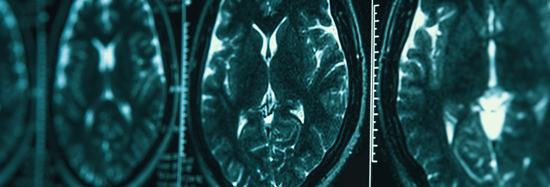
Imaging tests are commonly used to diagnose head injuries. A CT scan helps in diagnosing fractures, evidence of bleeding and clotting, brain swelling, and any other structural damage. CT scans are fast and accurate, so they’re typically the first type of imaging you’ll receive. MRI scan gives a more detailed view of the brain. An MRI scan will be done only after the patient is in a stable condition.
Treatment of Head Injuries
The treatment for head injuries depends on both the type and the severity of the injury. Common head swelling treatment is to apply ice pack over the area.
With minor head injuries, there are often no symptoms other than pain at the site of the injury. In these cases a mild pain medicine will cure the pain.
Aspirin should not be used for pain relief as it may increase or prolong bleeding.
Open cuts on the scalp may be repaired with surgical sutures or staples. Then the wound is covered with antiseptics, gauze and tape or bandage.
Even if the head injury seems minor, the patient must be observed to make sure his/her condition doesn’t get worse. If the patient falls asleep, he/she should be woken up every two hours or so to check for his/her level of consciousness and any new symptoms.
Serious head injury requires hospitalization. Make sure to visit neurologist as early as possible. Just search for head injury doctor near me and take the call. The treatment at the hospital will depend on the diagnosis. treatment for head injury is also provided at Samarth Neuro and Superspeciality Hospital
Medication
Severe brain injury patients may be given anti-seizure [fits] medicines.
Medicines to make the patient pass urine [called diuretics] may be used to reduce the pressure inside the skull.
Surgery
Surgery for head injury may be necessary to do emergency surgery to prevent further brain damage. Surgery is done for:
- Remove a hematoma
- Repair your skull
- Release some of the pressure in your skull
Rehabilitation
Serious brain injury will rehabilitation to regain full brain function and depends on how much functional loss has occurred.
Long term results
They depend on the severity of the injury. Most people who’ve had minor head injuries experience no lasting consequences. People who’ve had serious head injuries may face permanent changes in their personality, physical abilities, and ability to think. Severe head injuries in childhood can have long term harmful effects.