How to Cure Sinusitis Permanently

How to Cure Sinusitis Permanently

How to Cure Sinusitis Permanently

By Dr.Ravindra Patil

Is it possible to cure sinus permanently?

We will try to answer this question first. Many people have allergies which lead to cold quite often. Cold is a viral infection. It may extend to inside the sinuses. Repeated attacks of cold may make sinusitis chronic, meaning a long-standing disease. In such situations it is necessary to get treatment for allergy by immunotherapy. There are injections which reduce the allergic reaction of the body to allergens, reduces episodes of cold and sinusitis.

Most sinus infections clear up without antibiotics.

Surgeries are thought to be cure for everything. However, they are the last resort.

Most cases of sinusitis can be cured but if they recur, it may require surgery. Fungal sinusitis is sometimes difficult to cure.

What Is Sinusitis?

Sinusitis or sinus infection is a disease in which the paranasal sinuses swell. The production of slimy mucus helps moisten the nasal pathways. However, when there is too much production, the sinuses can become irritated. Various Causes Can Lead to Sinusitis like Bacteria, allergies, fungi, and viruses.

There are many different types of sinusitis, each with its own symptoms. Some people have chronic sinusitis, acute sinusitis, recurrent sinusitis, or subacute sinusitis. Though the condition causes unpleasant sensations and pain, it usually goes away without medical help. However, if the symptoms become more severe, you may need to see a doctor.

Table of Contents

What Causes Sinus Problems?

Sinusitis can be caused by a virus, bacteria, or fungus that enlarges and clogs the sinuses There are many possible causes for the common cold, including cold viruses. Nasal allergies and allergies to mould are common.

Who Is at Risk for Sinusitis?

A sinus infection can affect anyone. People with allergies to pollen, mucus, or other substances in the air, asthma, or an abnormal nose structure are more likely to get sinusitis. In addition, smoking can increase your chances of getting a sinus infection.

Diagnosis of sinusitis

Your doctor may diagnose chronic sinusitis by:

  • Asking about your symptoms
  • Feeling for tenderness in your nose and face
  • Looking inside your nose through a fibreoptic endoscope
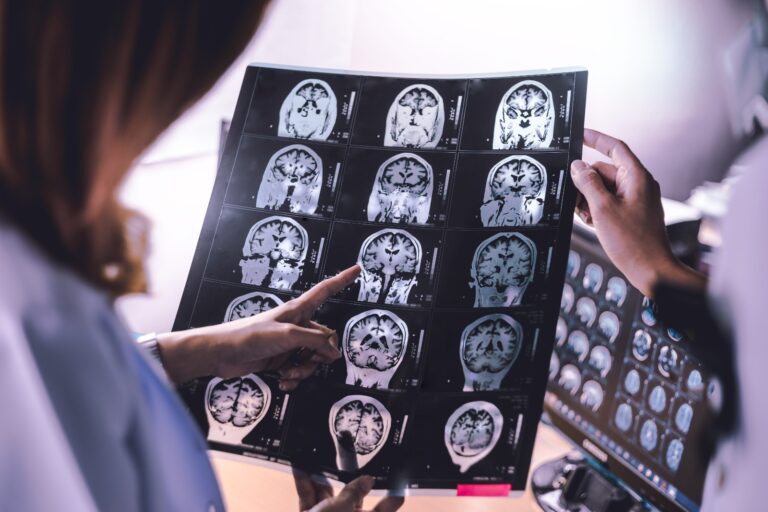
  • Using imaging tests like CT or MRI

Untreated sinus infections can lead to life-threatening infections if bacteria or fungi spread to your brain, eyes, or nearby bone.

Symptoms Of Acute Sinusitis

  • Facial pain or pressure
  • Runny nose
  • Stuffy nose
  • Loss of sense of smell
  • Cough or congestion
  • Fever
  • Bad breath
  • Fatigue
  • Toothache

If you have two or more symptoms, or a thick, green, or yellow nasal discharge, then you may have acute sinusitis.

Symptoms Of Chronic Sinusitis

You may have these symptoms if your sinusitis lasts for 12 weeks or longer:

  • A feeling of congestion or fullness in your face
  • Stuffy nose
  • Pus in the nasal cavity
  • Fever
  • Runny nose, discoloration of nasal discharge.

You may also suffer from headaches, bad breath, and toothaches. You may feel tired a lot because of your illness. There are many possible causes of these symptoms.

Can sinusitis be passed from person to person?

Bacterial sinusitis is not contagious, but viruses that can cause this condition are. Follow good hand washing practices to avoid transmitting infection by contaminated hands to other people. If you must sneeze or cough, face away from others or cover your face with your handkerchief.

Treatment For Sinusitis

There are many different ways to treat sinusitis. Some of the conditions can be cured with simple medications, while others may require surgery. There are various home remedies that you can use to get rid of your sinus infection. There are several treatments available for sinusitis, including medications. Take a look at some of the treatments listed here.

1. Oral corticosteroids

Oral corticosteroids are used to relieve severe symptoms when they occur. Patients who have nasal polyps can also take them. If they are used for a longer period of time, they may have side effects. Corticosteroids are only prescribed when other treatments such as nasal corticosteroids fail.

2. Nasal corticosteroids

Nasal corticosteroids are sprays that help to reduce inflammation. Doctors can prescribe various corticosteroids, such as budesonide, fluticasone, etc. If the medical expert thinks that the nasal rinse is not helping, they may suggest other methods of treatment. The doctor may prescribe a solution that has saline and medication.

3. Nasal sprays

These sprays are available in every pharmacy, and are used to relieve congestion from the nose. They can help reduce drainage and help flush away irritants.

4. Antibiotics

If the cause of your infection is a bacterium, then antibiotics may help. Sometimes, doctors prescribe other medicines along with this one. This is why so many diagnostic tests are performed so that a correct evaluation is assessed.

5. Immunotherapy

Immunotherapy is a possible treatment for sinusitis if the cause is due to allergies. With allergy shots, you might see a reduction in your symptoms as your body no longer reacts as strongly to allergens.

Home Remedies to Cure Sinusitis

1. Rest

You need to rest so your body can fight the infection. When you go to bed, use a pillow to raise your head. Breathing is important for healthy lungs.

2. Steam

Steam inhalation is a great way to cleanse your sinuses. You can add some essential oils to the steam bowl to make your home cleaning experience more pleasurable. Another option is to take a hot shower. You can use a warm towel to help cool your face.

3. Nasal Irrigation

Nasal irrigation with a saline solution is a good way to clean out the nasal passages. For respiratory problems such as congestion, you can use the neti pot, saline canister, or humidifier. Make sure to clean the water and check if the equipment is sterile.

4. Spicy foods

Adding spicy foods to your diet can help increase your appetite and satisfaction. Eating spicy foods can help clear your nasal passages However, if you have a medical condition that forbids eating spicy food items, you should be careful.

5. Warm compress

Warm compresses can be used to help reduce swelling in the area. It will provide relief from the discomfort and pain.

6. Fluids

You need to drink a lot of fluids. Drink more juice and water to stay hydrated. It will help to weaken the mucus layer. However, you should avoid drinking alcoholic beverages.

How Can I Cure My Sinuses Fast?

  • Drink plenty of water
  • Eat foods with antibacterial properties
  • Add moisture
  • Clean the sinuses with oils
  • Use a neti pot
  • Relieve facial pain with warm compresses
  • Use over-the-counter (OTC) medications

How to Treat Sinusitis at Home?

  • Use warm heat.
  • Try a nasal saline solution. While they don’t contain medicine (saline is salt water), they can help keep your nasal passages moist.
  • Flush out your sinuses.
  • Drink lots of fluids.
  • Rest.

When to see a doctor

Most people with acute sinusitis don’t need to see a doctor, but contact your doctor if you have any of the following:

  • Symptoms that last more than a week.
  • Symptoms that get worse after seeming to get better.
  • A fever that lasts.
  • A history of repeated or chronic sinusitis.

See a health care provider immediately if you have symptoms that might mean a serious infection:

  • Pain, swelling or redness around the eyes.
  • High fever.
  • Confusion
  • Double vision or other vision changes.
  • Stiff neck.

Thrombolysis

Thrombolysis

Thrombolysis

By Dr.Ravindra Patil

Blood is a magical organ of our body which keeps flowing throughout our body through arteries and veins all our life. It carries oxygen from the lungs to all the tissues needing it and carries carbon dioxide back to the lungs. It carries nutrition to every cell of the body and carries waste products from all tissues and organs to the kidney to be excreted. This is what we learn in high school science class.

While in school, we all injure ourselves. Our skin may be torn and we bleed. But our magical blood clots and stops further bleeding. We all have experienced this.

The magic of healthy people’s blood is, it clots only when there is an injury and we bleed and further blood loss is prevented by clotting. In healthy people, the blood never clots inside arteries, veins or the heart. It always stays in a liquid state. And as has been mentioned our blood does the supply chain work of providing O2 and nutrients and flushing out waste products and CO2. If blood suddenly stops flowing because of a clot, the organs affected will first be starved of oxygen, and may die in a very short while.

If the organs so affected are the brain or the heart, the person will die!

So, the blood must keep flowing at any cost.

Table of Contents

Thrombosis and Embolism

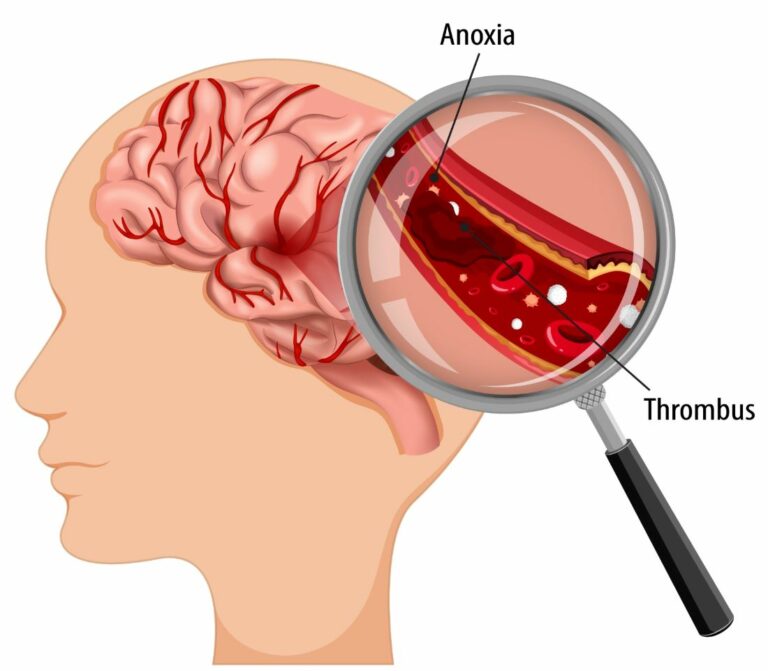
However, on some occasions because of different pre disease factors, blood clots inside a blood vessel. This is known as thrombosis.
These clots sometimes break, dislodge, and are carried to distant portions of the circulatory system, where they get stuck, and again block the blood supply beyond. This is known as embolism.
Sometimes both thrombosis and embolism occur together, and then it is known as a thrombo-embolic event.
If a clot forms in a vein and breaks loose, it will be carried to the arteries of the lungs and block them. This is known as pulmonary embolism and this is also a very serious life threatening condition.
In all the above cases, a blood clot has occurred inside the arteries of the human body, which is starving the organs being supplied by that artery, and the person is very seriously ill if the arteries with the blood clot supply blood to the heart or the brain.
All other organs are equally affected if their blood supply is blocked, but a block in the blood supply of the heart or the brain may cause immediate death.
Thrombolysis in stroke is one of the best treatments for brain stroke.
Clot in a brain artery results in an acute disease known as Cerebrovascular Stroke or Brain Stroke.
Clot in a heart artery results in an acute disease known as Myocardial Infarction or Heart Attack.
Clot in the pulmonary arteries is known as Pulmonary Embolism.

Thrombolysis

In simple words, thrombolysis [also known as thrombolytic therapy] is a treatment to dissolve dangerous clots in blood vessels, improve blood flow, and prevent damage to tissues and organs. Thrombolysis is done by the injection of clot-dissolving drugs through an intravenous (IV) line or through a long catheter that delivers drugs directly to the site of the blockage. It also may also be done by using a long catheter with a mechanical device attached to the tip that either removes the clot or physically breaks it up.

Thrombolysis procedure is often used as an emergency treatment to dissolve blood clots that form in arteries feeding the heart and brain — the main cause of heart attacks and ischemic strokes — and in the arteries of the lungs (acute pulmonary embolism).

Thrombolysis procedure is also used to treat blood clots in the following areas:

  • Inside veins: it is known as deep vein thrombosis (DVT). These are clots in the veins of legs, pelvic area, and upper extremities; if left untreated, pieces of the clot can break off and travel to an artery in the lungs, resulting in an acute pulmonary embolism.
  • Inside Bypass Grafts: these are clots formed in veins used in heart bypass surgeries, done for the treatment of a heart attack. These veins are harvested from the patient’s legs. This may lead to a second heart attack.
  • Inside Dialysis Catheters: these are lifesaving tubes inserted inside the neck veins of patients who need dialysis very often. A clot inside such a tube means the patient cannot be dialysed and this is a very serious condition.

If a blood clot is determined to be life threatening, thrombolysis may be an option if initiated as soon as possible — ideally within one to two hours — after the onset of symptoms of a heart attack, stroke, or pulmonary embolism (once a diagnosis has been made).

Different Thrombolysis Medications

The most commonly used clot-busting drugs — also known as thrombolytic agents or thrombolysis injections — include:

  • Eminase (anistreplase)
  • Retavase (reteplase)
  • Streptase (streptokinase, kabikinase)
  • t-PA (class of drugs that includes Activase)
  • TNKase (tenecteplase)
  • Abbokinase, Kinlytic (rokinase)

Depending on the circumstances, a doctor may choose to inject clot-busting drugs into the access site through a catheter. More often, however, doctors insert a longer catheter into the blood vessel and guide it near the blood clot to deliver medications directly to the clot.

During both types of thrombolysis, doctors use radiologic imaging to see if the blood clot is dissolving. If the clot is relatively small, the process may take several hours. But treatment for a severe blockage may be necessary for several days.

Thrombolysis Contraindications

Although thrombolysis can safely and effectively improve blood flow and relieve or eliminate symptoms in many patients without the need for more invasive surgery, it can’t be done in the following cases:

  • High blood pressure
  • Active bleeding or severe blood loss
  • Haemorrhagic stroke from bleeding in the brain
  • Severe kidney disease
  • Recent surgery
  • In pregnancy
  • In advanced age patients

Besides risk of serious internal bleeding, other possible risks of thrombolysis include:

  • Bruising or bleeding at the access site
  • Damage to the blood vessel
  • Migration of the blood clot to another part of vascular system
  • Kidney damage

The most serious possible complication is intracranial bleeding, but it is rare.

Prognosis after Thrombolysis

Although thrombolysis is usually successful, the treatment is not able to dissolve the blood clot in up to 25% of patients. Another 12% of patients subsequently redevelop the clot or blockage in the blood vessel.

In addition, thrombolysis alone — even when successful — cannot treat tissue that has already been damaged by compromised blood circulation. So, further treatment may be needed.

Thrombolysis in stroke

In advanced brain treatment hospitals like Samarth Neuro and Superspeciality Hospital of Miraj, thrombolysis is done in stroke patients in a very special manner. As soon as the hospital receives information about an incoming stroke patient, the Emergency Room and the CT Scan room are kept ready. The patient is transferred on arrival to the CT scan room and brain CT is done. If a blood clot in brain is detected, immediate treatment with Recombinant Tissue Plasminogen Activator [rtPA] is immediately begun and the patient is transferred to the ICU for continuous close monitoring.

If the patient has arrived in the “GOLDEN HOUR” or the first 60 minutes after a stroke, it is likely that the patient will recover fully from the stroke in a very short time.

Lacunar Infarcts

Diagnosis and Treatment of Lacunar Infarcts

Diagnosis and Treatment of Lacunar Infarcts

By Dr.Ravindra Patil

Introduction

Stroke is one of the most common illnesses causing paralysis and loss of sensation. Often one side of the body is paralysed when a major part of the brain is deprived of blood either by a blood clot or cerebral haemorrhage.
However there is another type of stroke on a much smaller scale. It is called Lacunar strokes, a type of stroke caused by the occlusion of small deep penetrating branches of the main brain arteries. They include branches from all the cerebral arteries.
Most lacunar strokes involve the non-cortical areas and remain asymptomatic because only small parts of the brain are affected. However, if many small parts of the brain suffer ischaemia [a condition where a body part suffers lack of blood supply and dies, which is known as an infarct], the multiple small lacunar infarcts can lead to significant movement, sensory and functional disabilities.

Table of Contents

Causes of Lacunar Infarcts

In lacunar infarction, the small penetrating cerebral vessels supplying the subcortical areas are occluded due to various vascular disease conditions.

In some cases, small pieces of blood clots called embolic fragments from a distant part can travel the small arteries of the brain and cause deep penetrating artery occlusion, ischemia and infarction.

Lacunar infarcts and strokes are in turn caused by hypertension, diabetes, smoking, high LDL levels, carotid artery atherosclerosis, peripheral artery disease, TIA, and hyperhomocysteinemia.


Certain genetic factors also increase the risk of developing small vessel disease. 

Pathophysiology

Occlusion or blockage of the small penetrating arteries causes small lacunar strokes. Their size varies from 3 mm to 20 mm in dimension. However, only 17% of lacunar strokes are less than 10 mm in size.

Small arterial occlusions are caused by lipohyalinosis and micro-atheroma formation.

History and Physical Examination

As with ischemic strokes, lacunar infarcts usually present with sudden onset of neurological deficits. However, some lacunar infarctions may present in a stepwise pattern and are known to worsen in a short time.

Lacunar infarcts are common in the thalamus, basal ganglia, pons, and white matter of the internal capsule.

Lacunar infarcts can be asymptomatic.

Clinical presentation depends on the area of brain involvement.

Certain lacunar infarcts, like in the posterior limb of the internal capsule or the pons, can present with severe hemiplegia.

Lacunar strokes seldom affect memory, language, and judgment.

Types of lacunar Infarcts

Pure motor hemiparesis – contralateral hemiparesis of the face, arm, and leg. [45%].

Ataxic hemiparesis comprises 10 to 18% of cases. It causes hemiparesis of the contralateral face and leg and ataxia of the contralateral limb. Lack of coordination is the prominent feature of this stroke.

Pure sensory stroke involves the thalamus or corona radiata; it presents with the absent or abnormal sensation of the contralateral of the face, arm, and leg. It accounts for 7% of cases of lacunar strokes.

Dysarthria: clumsy hand syndrome and problems pronouncing words due to voice box muscle weakness

A sensory: motor stroke is the second most common type of lacunar strokes. They account for 20% of cases.

Evaluation

Sudden onset of neurological deficit requires a plain head CT scan and CT angiogram of the head and neck. MRI is a superior imaging method. Carotid ultrasound also helps diagnose an atherosclerotic narrowing of the extracranial carotid artery.

Treatment

The initial goal of acute-stage treatment is ensuring medical stability and determining if the patient is fit for thrombolysis. Treatment with ‘tissue plasminogen activator’ (TPA) improves outcomes for ischemic stroke patients if TPA is administered within 4.5 hours of the first symptoms. But cerebral haemorrhage must be ruled out before TPA treatment. An acute lacunar infarct is efficiently treated with TPA.

After 4.5 hours, dual antiplatelet therapy [DAPT] with aspirin and clopidogrel within 24 hours of symptom onset is begun and continued for 21 days. DAPT in the acute phase effectively lowers recurrent ischemic stroke for 90 days from symptom onset.

Management of blood pressure if present, is done allowing for permissive hypertension. This means, if the BP is lowered to normal levels, the brain may be starved of oxygen. Lowering the blood pressure below185/110 mmHg is ideal. Blood sugar management is done to maintain normal blood glucose levels at 60–180 mg/dL. Blood volume is corrected by giving isotonic saline and oxygen saturation must be above 90%. Statin therapy to reduce LDL is begun if LDL is high.

Stroke Prevention

A lacunar infarct patient is likely to suffer stroke. Hence primary and secondary stroke prevention remains an essential part of the treatment plan. Primary prevention includes the prevention of the first episode of stroke, and secondary prevention includes the prevention of recurrence.

Antihypertensive medications, diabetes control, cholesterol-lowering agents, smoking cessation, dietary intervention, weight loss, and exercise as appropriate are done for primary prevention.

Secondary prevention is done to prevent recurrence of stroke. It includes antithrombotic agents like aspirin, clopidogrel, extended-release dipyridamole, and ticlopidine and managing underlying risk factors. Antiplatelet agents reduce the risk of recurrence in patients with lacunar strokes.

Differential Diagnosis

Differential diagnoses of lacunar infarcts include the following:

  • Ischemic stroke in the middle cerebral artery territory
  • Intracranial haemorrhages
  • Seizures
  • Complicated migraine
  • Brain tumours
  • Multiple sclerosis (MS)

Prognosis

Earlier studies suggested that lacunar stroke has a better prognosis compared to other strokes. It has a high survival rate, a low recurrence rate, and a relatively good functional recovery. But there is an increased risk of death, mainly from cardiovascular causes.

Complications

Lacunar strokes are thought to be the leading cause of vascular dementia and cognitive impairment. Accumulated lacunar infarcts can lead to other disease-related complications due to physical disability, including, but not limited to, aspiration pneumonia, deep vein thrombosis, pulmonary embolism, urinary tract infection, depression, and decubitus ulcers.

Rehabilitation

Physical therapy and rehabilitation are essential steps for lacunar stroke patients with physical disabilities. Speech therapy, occupational therapy may be needed after hospital care to regain strength and functions. The goal of rehabilitation is to optimize functional recovery.

How to prevent Stroke

People need to be aware of risk factors of stroke. Take medicines regularly for diabetes, BP, antithrombotic agents etc… Maintain a healthy diet, exercise regularly, avoid smoking, and avoid excessive alcohol use. Correct lipid disorders with medicines.

The timeline of recovery from a lacunar stroke is different for everyone. Home safety is essential. Fall risk due to physical disability is common. Depression is common in people who have experienced a stroke and should be addressed if present. Cognitive impairment due to multiple subcortical strokes can progress to vascular dementia and should be monitored.

Enhancing Healthcare Team Outcomes

Patients with lacunar infarctions must be managed by a neurologist, family clinicians, nursing staff, and physical, occupational, and social therapists, all operating as an interprofessional team, to receive comprehensive care. Samarth Neuro and Super Speciality Hospital has all the facilities and specialist doctors to mange acute Lacunar Stroke.

Rehabilitation therapy must be continued to maximize the patient’s neurologic function to bring them close to their baseline before the infarction.

Long-term care coordination is the responsibility of the Family Physicians. Emphasis on managing stroke risk factors includes intense antihypertensive therapy, lipid management, and strict control of blood sugars are essential after the lacunar ischemic event.

बालरोगशास्त्रातील पोषण-कमतरता

Nutrition Deficiency- Samarth

बालरोगशास्त्रातील पोषण-कमतरता

By Dr.Ravindra Patil

आहार

जन्मापासून संपूर्ण आयुष्यभर घेतलेला सकस आहार कुपोषणाच्या सर्व प्रकारांना तसेच मोठ्या प्रमाणात असंसर्गजन्य रोग टाळण्यास मदत करतो. परंतु झपाट्याने होणार्‍या शहरीकरणामुळे प्रक्रिया केलेल्या खाद्यपदार्थांचा वाढता वापर आणि बदलती जीवनशैली यामुळे आपल्या आहाराच्या पद्धतीं,मध्ये खूप बदल झाला आहे.

लोकं ऊर्जा (एनर्जी व कॅलरीज युक्त), चरबी, शर्करा, मीठ वगैरे जास्त प्रमाणात असलेले पदार्थ जरूरी पेक्षा जास्त पदार्थ खातात. तसेच बरेच लोक पुरेशी फळे, भाज्या आणि आहारातील फायबरयुक्त (रेशा) गोष्टी, जसे की संपूर्ण धान्य वगैरे खात नाहीत. हे सर्व कारणे असमतोल खुराकास कारणीभूत ठरतात.

संतुलित आहार असा असतो की ज्यामध्ये योग्य प्रमाणात विविध प्रकारचे खाद्यपदार्थ असतात की ज्यामुळे शरीरात चैतन्य आणि आरोग्य राखण्यासाठी सर्व पोषक तत्वांची गरज पुरेशा प्रमाणात पूर्ण केली जाते. त्याच बरोबर थोड्या अतिरिक्त पोषक तत्वांची अल्प तरतूद केली जाते, की जी कधीकाळी पोषक तत्वे कमी पडल्यास त्यांची उणिव भरून काढतात.

हल्लीच्या काळात अन्न समस्यां मध्ये चिंतेचे प्रमुख म्हणजे अन्न/पोषक घटकांचे अपुरे/असंतुलित सेवन. भारतातील सर्वात सामान्य पौष्टिक समस्यांपैकी एक म्हणजे जन्माच्या वेळचे वजन कमी असलेली बाळे, लहान मुलांमध्ये प्रोटीन-एनर्जी कुपोषण, प्रौढांमध्ये उर्जेची कमतरता, सूक्ष्म पोषक तत्वांचे कुपोषण आणि अयोग्य आहारांमुळे होणारे असंसर्गजन्य रोग. देशातील मानव संसाधन विकासासाठी आरोग्य आणि पोषण हे सर्वात महत्वाचे घटक आहेत.

Table of Contents

WHO च्या नुसार

  • आयुष्याच्या पहिल्या 6 महिन्यांत लहान मुलांना फक्त स्तनपान दिले पाहिजे.
  • 6 महिन्यांनंतर लहान मुलांसाठी फक्त आईचे दूध पुरेसे नसते. 6 महिन्यांनंतर स्तनपानाव्यतिरिक्त पूरक आहार द्यावा.
  • कमी खर्चात घरी बनवलेला उच्च कॅलरी असलेला पौष्टिक पूरक आहार द्या.
  • लहान मुले एकाच वेळी जास्त अन्न खाऊ शकत नाहीत म्हणून त्यांना अनेक वेळा, दिवसातून 3-4 वेळा, थोडे थोडे खायला द्यायला पाहिजे.
  • अन्न मऊ असावे जेणेकरून लहान मुलांना ते सहज गिळता येईल. संतुलित आहार ही आपल्या मुलांना पोषणाच्या कमतरतेपासून वाचवण्याची करण्याची गुरुकिल्ली आहे.
  • लहान मुलांसाठी पूरक अन्न तयार करताना आणि खायला घालताना स्वच्छते कडे नक्की लक्ष द्या, नाहीतर कारण लहान मुलांना संसर्ग होण्याची शक्यता असते.
  • लहान मुलांना जंक फूड देऊ नका.

वाढत्या मुलासाठी आहार

जी मुले संतुलित आहार घेतात त्या मुलांचा निरोगी आणि सक्रिय जीवनशैलीचा भक्कम पाया बनतो. यामुळे त्यांना दीर्घकालीन आरोग्य समस्यांचा धोका कमी होतो. बालपणाचा काळ शारीरिक वाढीसाठी, मनाच्या विकासासाठी आणि संक्रमणांशी लढण्यासाठी सर्वात महत्वाचा काळ असतो. त्यामुळे मुलांना ऊर्जा, प्रथिने (प्रोटीन), जीवनसत्त्वे आणि खनिजे हे योग्य प्रमाणात मिळणे अत्यंत आवश्यक आहे. मुलांसाठी पूरक अन्न तयार करताना आणि त्यांना भरवतांना स्वच्छतेचे नियम पाळायला पाहिजेत. हात धुवून मगच मुलांचे जेवण बनवावे अथवा त्यांना भरवावे. अन्यथा मुलांना जुलाबाचे विकार होऊ शकतात.

चांगल्या अन्नाचे पर्याय:

  • दूध, चीज, दही.
  • पालक, ब्रोकोली आणि सेलेरी यांसारख्या भाज्या, त्यांत कॅल्शियम भरपूर असते.
  • मुलांना संपूर्ण धान्ये जशी की गहू, तपकिरी तांदूळ (म्हणजे ब्राऊन राईस), शेंगदाणे, भाजीपाल्यातील तेलं, बटाटे, रताळे, केळी सारख्या उर्जायुक्त भाज्या व फळे हे दररोज द्या.
  • प्रथिने (प्रोटीन्स) स्नायूंच्या निर्मितीसाठी, दुरुस्तीसाठी आणि वाढीसाठी आणि प्रतिपिंडे (एन्टीबॉडीज) तयार करण्यासाठी आवश्यक असतात. त्यामुळे त्यांना मांस, अंडी, मासे आणि दुग्धजन्य पदार्थ असलेला आहार द्या.
  • शरीराला योग्यरित्या कार्य करण्यासाठी आणि रोगप्रतिकारक शक्ती वाढवण्यासाठी मुलांच्या आहारात जीवनसत्त्वे विविध रंगांची फळे आणि भाज्या घालाव्यात.
  • व्हिटॅमिन डी हाडांच्या वाढीस मदत करते आणि जेवणातून कॅल्शियम शोषण्यासाठी आवश्यक असते. माशांचे तेल, फॅटी फिश, मशरूम, चीज आणि अंड्यातील पिवळा बलक यांसारख्या काही खाद्यपदार्थांपासून व्हिटॅमिन डी मिळते. सूर्यप्रकाशाने पण व्हिटॅमिन डी मिळते.
  • मासिक पाळी सुरू झाल्यामुळे किशोरवयीन मुलींना मुलांपेक्षा जास्त शारीरिक बदल आणि मानसिक ताण जाणवतो. म्हणूनच, किशोरवयीन मुलींनी अॅनिमियापासून बचाव करण्यासाठी जीवनसत्त्वे आणि खनिजांनी (खास करून लोह असलेले) समृद्ध आहार द्यावे.
  • आजारपणात भरपूर द्रव पदार्थ द्या. तसेच बाळाला संक्रमणाच्या काळात आणि नंतर अधिक खाणे आवश्यक आहे. त्याने पोषण योग्य राहते.
  • मुलाचे शरीर हायड्रेट करण्यासाठी त्यांनी वयाप्रमाणे एक ते अडीच लिटर पाणी प्यावे. सॉफ्ट ड्रिंक्स आणि इतर पॅकेज केलेल्या पेयांपेक्षा पाणी/ताक/लस्सी/फळांचे रस/नारळ पाणी पिण्यास प्राधान्य दिले जावे.

पौष्टिकतेची कमतरता

पौष्टिकतेच्या कमतरतेमुळे अनेक रोग आणि विकृती निर्माण होतात. पौष्टिकतेची कमतरता जगभरात प्रचलित आहे. पौष्टिकतेच्या कमतरते मुळे दीर्घकालीन आरोग्य समस्या उद्भवू शकतात जसे की मुडदूस (रिकेट्स), लोहाची (आयर्न) कमतरता व त्यामुळे एनिमिया, अशक्तपणा, थायरॉइटची गाठ (गॉयटर), लठ्ठपणा, कोरोनरी हृदयरोग, टाइप 2 मधुमेह, स्ट्रोक, कर्करोग आणि ऑस्टिओपोरोसिस.

मुलांमध्ये सामान्य पौष्टिक कमतरतेमुणे होणारे रोग

लोह कमतरता

विविध प्रकारच्या शारीरिक कार्यांसाठी मुलांना लोहाची गरज असते. हा हिमोग्लोबिनचा एक भाग आहे, जे एक प्रथिन (प्रोटीन) आहे व फुफ्फुसातून उर्वरित शरीरात ऑक्सिजन वाहून नेते व तेथे स्नायूंना ऑक्सिजन साठवण्यात आणि वापरण्यात मदत करते. पुरेशा लोहाशिवाय मुले अशक्त होऊ शकतात आणि त्यामुळे इतर दुर्बल परिस्थितीं उत्पन्न होतात. त्यामध्ये सुस्ती आणि अयोग्य संज्ञानात्मक कार्य होऊ शकते. जेवणात मांस, कोंबडी, सीफूड, बीन्स, मटार, मसूर, गडद हिरव्या पालेभाज्या, सुकामेवा, लोहयुक्त तृणधान्ये, ब्रेड आणि पास्ता वगैरेमधून लोह मिळू शकते.

व्हिटॅमिन-डी ची कमतरता

गॅस्ट्रोइंटेस्टाइनल ट्रॅक्टमध्ये (म्हणजे पोटापासून आतड्यांपर्यंत) लोह, मॅग्नेशियम, फॉस्फेट आणि झिंकसह कॅल्शियम शोषण्यासाठी व्हिटॅमिन डी आवश्यक आहे. हाडांच्या चांगल्या वाढीसाठी या जीवनसत्त्वाचे पुरेसे सेवन करणे आवश्यक आहे. ज्या मुलांमध्ये सूर्यप्रकाश मर्यादित असतो अशा मुलांमध्ये व्हिटॅमिन-डी ची कमतरता जास्त प्रमाणात आढळते. मासे आणि व्हिटॅमिन-डी घातलेले पदार्थ जसे की काही डेअरी उत्पादने, सोया दूध आणि तृणधान्ये खाऊन मुले व्हिटॅमिन-डी मिळवू शकतात. मासातील काळीज (यकृत) आणि अंड्यातील पिवळा बलक देखील व्हिटॅमिन-डी मध्ये समृद्ध असल्याचे ओळखले जाते.

झिंकची (जस्ताची) कमतरता

जस्त हे बालपणातील वाढ, पचन, लैंगिक संप्रेरकांचा (हॉर्मोन्सचा) विकास आणि मजबूत प्रतिकारशक्ती यासाठी आवश्यक असलेले खनिज आहे. कमतरतेमुळे केस, त्वचा, नखे, संज्ञानात्मक कार्य आणि तुमच्या मुलांची उंची या सर्व गोष्टींवर नकारात्मक परिणाम करू शकते. सीफूड, मांस, शिजवलेले बीन्स, मटार आणि मसूर यांच्या व्यतिरिक्त तीळ, भोपळ्याच्या बिया, स्क्वॅश बियाणे, काजू आणि शेंगदाणे यांच्यातून झिंक सहजपणे आपल्या मुलांच्या आहारात समाविष्ट केले जाऊ शकते.

कॅल्शियमची कमतरता

कमतरतेमुळे दात आणि हाडे खराब होतात, स्नायू बिघडतात, हृदयाच्या समस्या येतात, रक्त गोठण्यास अनियमितता येते, एन्झाईम्सचे कार्य बिघडते वगैरे होते. वाढत्या वयातील मुलांना कॅल्शियम जास्त प्रमाणात आवश्यक असते. दूध आणि दुग्धजन्य पदार्थ, गडद हिरव्या पालेभाज्या, सोया, टोफू, मासे, बदाम, बिया आणि मजबूत तृणधान्ये हे कॅल्शियमचे स्त्रोत आहेत.

व्हिटॅमिन-ए

व्हिटॅमिन-ए ची कमतरता (यालाच VAD असे म्हणतात) गरीब समाजांमध्ये जास्त वेळा आढळते. रातांधळेपणा हे व्ही.ए.डी.च्या पहिल्या लक्षणांपैकी एक आहे, कारण फोटोट्रान्सडक्शनमध्ये व्हिटॅमिन-ए ची मोठी भूमिका असते. जर कमतरता अधिक तीव्र असेल तर पूर्ण अंधत्व येऊ शकते. पालक, गाजर, रताळी आणि लाल मिरची यांसारख्या पिवळ्या, लाल आणि हिरव्या (पालेदार) भाज्यांमध्ये हे व्हिटॅमिन असते. म्हणून या भाज्या जरूर कराव्यात.

फॉलिक ऍसिड किंवा फोलेटची कमतरता

फोलेटच्या कमतरतेमुळे मोठ्या आकाराच्या लाल रक्तपेशी (मेगालोब्लास्ट) बनतात व एनिमिया होतो. यामुळे अशक्तपणा येतो. अशा रक्तपेशी शरीरात फॉलिक ऍसिडचे अपुरे साठे असताना तयार होतात. फोलेटची कमतरता टाळण्यासाठी तुमच्या मुलाला गडद हिरव्या पालेभाज्या (सलगम, पालक, लेट्यूस, शतावरी, ब्रसेल्स स्प्राउट्स, ब्रोकोली), बीन्स, सीफूड आणि शेंगदाणे वगैरे जरूर खायला द्या.

व्हिटॅमिन बी12 ची कमतरता

मज्जासंस्थेच्या सामान्य कार्यामध्ये आणि अस्थिमज्जामध्ये लाल रक्तपेशींच्या परिपक्वतामध्ये रक्ताभिसरण प्रणालीमध्ये व्हिटॅमिन बी12 महत्वाचे आहे. मासाहारी जेवण किंवा बी12 असलेला पूरक आहार हे बी12 चे स्त्रोत आहेत. व्हिटॅमिन बी12 असलेल्या पदार्थांमध्ये मांस, क्लॅम, काळीज (यकृत), मासे, पोल्ट्री, अंडी आणि दुग्धजन्य पदार्थ यांचा समावेश होतो. लहान बाळांची अनेक पौष्टीक पावडरीत बी12 घातलेले असते.

क्रॅनियो-वर्टेब्रल जंक्शन विसंगती

क्रॅनियो-वर्टेब्रल जंक्शन विसंगती

क्रॅनियो-वर्टेब्रल जंक्शन विसंगती

By Dr.Ravindra Patil

अ‍ॅनॉमली किंवा विसंगती

अ‍ॅनॉमली किंवा विसंगती म्हणजे सामान्य किंवा अपेक्षित असलेल्या गोष्टींपासून वेगळे असणे. क्रॅनिओ-वर्टेब्रल जंक्शन विसंगती किंवा अ‍ॅनॉमली म्हणजे अशी कोणतीही परिस्थिती की जिथे जसे असायला पाहिजा तसे क्रॅनिओ-वर्टेब्रल जंक्शन नसते व त्यात काहीतरी दोष उत्पन्न झालेला असतो. ता पाहूया क्रॅनिओ-वर्टेब्रल जंक्शन म्हणजे

Table of Contents

क्रॅनिओ-वर्टेब्रल जंक्शन अथवा सी.व्ही.जे.

कवटीचा पाया आणि मानेच्या मणक्याच्या वरच्या भागामध्ये क्रॅनिओ-वर्टेब्रल जंक्शन (सी.व्ही.जे.) म्हणजे कवटी व मानेच्या पहिल्या मणक्या मधला सांधा. या सांध्यातील कोणतीही विकृती क्रॅनिओ-वर्टेब्रल जंक्शन विसंगती म्हणून ओळखली जाते. ती जन्मजात असू शकते, शरीराच्या विकासा दरम्यान होऊ शकते किंवा इतर रोग प्रक्रियांच्या मुळे उद्भवू शकतात. क्रॅनिओ-वर्टेब्रल विसंगती त्यांच्या कारणांप्रमाणे वेगवेगळ्या प्रकारांमध्ये वर्गीकृत केल्या जातात.

क्रॅनीओव्हरटेब्रल जंक्शन (सी.व्ही.जे.) मध्ये अद्वितीय शारीरिक संरचना आहेत व त्या मानेच्या मणक्यांच्या माळेहून अगदी वेगळ्या असतात. महत्त्वाच्या नसा आणि रक्तवाहिन्या त्यातून जातात. त्या शिवाय डोके वळवणे, विस्तारणे आणि बाजूला पाहणे यासारख्या बहुतेक हालचाली सी.व्ही.जे. मध्ये होतात.

सी.व्ही.जे. हे ओसीयस आणि लिगामेंटस आधाराने बनलेला एक जटिल सांधा आहे. त्यात मोठ्या प्रमाणात हालचाल करण्याची क्षमता असूनही या सांध्यात स्थिरता असते. सी.व्ही.जे.च्या विसंगती समजून घेण्यासाठी, सी.व्ही.जे.चे शरीरशास्त्र आणि बायोमेकॅनिक्सची थोडक्यात माहिती समजून घेणे आवश्यक आहे. यामुळे या प्रदेशावर परिणाम होऊ शकणार्‍या विविध विसंगती आणि रोग समजून घेता येतील.

क्रॅनीओव्हरटेब्रल जंक्शन (सी.व्ही.जे.) हा कवटी, अ‍ॅटलास [मानेचा प्रथम मणका] आणि अ‍ॅक्सीस [मानेचा दुसरा मणका] या मधील सांधा आहे. हे एक जटिल क्षेत्र आहे ज्यामध्ये महत्त्वपूर्ण नसा आणि रक्तवाहिन्या असतात. आणि, हा एक असा सांधा आहे की ज्याच्यात मणक्यांच्या स्तंभाच्या किंवा मणक्याच्या कोणत्याही विभागाच्या सांध्यांच्या तुलनेत सर्वात जास्त हालचाल होऊ शकते. सी.व्ही.जे. मेंदू आणि मानेच्या मणके या मधील सेतु आहे. मणक्यांच्या माळेचे सर्वाधिक बाजुला वळणे, पुढे वाकणे व मागे वाकणे या सी.व्ही.जे. साध्यात होते.

क्रॅनियो-वर्टेब्रल जंक्शन विसंगतीची कारणे आणि जोखीम घटक

सी.व्ही.जे. विसंगतीशी संबंधित विविध घटक आहेत. त्यापैकी काही खालील प्रमाणे आहेत:

  • हाडांच्या सांगाड्याच्या संरचनेचीविकृती
  • जन्मजात विकार जसे की एकॉन्ड्रोप्लासिया, डाउन सिंड्रोम इ.
  • संक्रमण(इन्फेक्शन)
  • हाडांवर परिणाम करणारे मेटास्टॅटिक ट्यूमर
  • सी.व्ही.जे.मध्ये हळूहळू वाढणारे ट्यूमर
  • संधिवात
  • अपघात, पडणे इ.

क्रॅनियो-वर्टेब्रल जंक्शन विसंगतीची चिन्हे आणि लक्षणे

सी.व्ही.जे. विसंगतीची चिन्हे आणि लक्षणे त्याचे कारण, तीव्रता आणि प्रभावित झालेल्या विशिष्ट संरचनांवर आधारित असतात. तथापि, काही सामान्य चिन्हे आणि लक्षणांमध्ये खालील लक्षणे असू शकतात:

  • मान दुखी
  • डोक्याच्या मागील भागात डोकेदुखी
  • हालचाल करताना डोके आणि मान जास्त दुखणे
  • सी.व्ही.जे.मध्ये हालचाल कमी होणे
  • खोकताना किंवा वाकताना वेदना तीव्रता वाढणे

सी.व्ही.जे. मध्ये स्पायनल कॉर्डच्या कॉम्प्रेशनशी संबंधित लक्षणांमध्ये ही लक्षणे असू शकतात:

  • हात, पाय किंवा दोन्ही कमजोरी.
  • मान वाकल्यावर सुन्नपणा आणि मुंग्या येणे.
  • उष्णता, थंडी आणि पाय/हात/पायांमध्ये वेदना कमी होणे.
  • गोंधळ आणि चक्कर येणे

ब्रेन स्टेम डिसफंक्शनशी संबंधित लक्षणांमध्ये ही लक्षणे समाविष्ट असू शकतात:

  • स्लीप अ‍ॅपनिया
  • बिघडलेला समतोल आणि समन्वयम्हणजे बॅलन्स (या परिस्थितीला  अ‍ॅटॅक्सिया
    म्हणतात)
  • अनैच्छिक डोळ्यांच्या हालचाली (निस्टागमस)
  • चेहऱ्याचा पक्षाघात

लोअर क्रॅनियल नर्व्ह डिसफंक्शनशी संबंधित लक्षणांमध्ये हे समाविष्ट असू शकते:

  • गिळण्यात अडचण
  • स्नायू कमकुवत होणे
  • दुर्बल श्रवण
  • टाळू आणि जिभेचा अर्धांगवायू
  • क्रॅनियो-वर्टेब्रल जंक्शन विसंगती

वैद्यकीय इतिहास, शारीरिक तपासणी आणि डायग्नोस्टिक इमेजिंग स्कॅनच्या आधारे सी.व्ही.जे. विसंगतींचे निदान केले जाते. सी.व्ही.जे.मधील स्ट्रक्चरल विकृतींची कल्पना करण्यासाठी पार्श्व दृश्य एक्स-रे, सी.टी. स्कॅन आणि एम.आर.आय. वापरले जातात. सी.टी. स्कॅन हे सी.व्ही.जे.विसंगतींसाठी सर्वाधिक वापरले जाणारे निदान साधन आहे. तथापि, पुढील तपासणी आवश्यक असल्यास, एम.आर.आय. आणि सी.टी. मायलोग्राफी करण्याचा विचार केला जातो.

क्रॅनियो-वर्टेब्रल जंक्शन विसंगतींचा उपचार

सी.व्ही.जे. विसंगतींसाठी शस्त्रक्रिया हा सर्वात चांगला उपचार आहे. शस्त्रक्रियेचा प्रकार आणि दृष्टीकोन काही घटकांच्या आधारे ठरवले जाता. त्यात खालील गोष्टींचा समावेश होतो: आघातजन्य कारणे, गैर-आघातजन्य कारणे, कमी करण्यायोग्य किंवा अपरिवर्तनीय जखम. या घटकांचा विचार करून, मूलभूत शस्त्रक्रिया प्रक्रियांमध्ये घट, स्थिरीकरण, डीकंप्रेशन आणि फिक्सेशन समाविष्ट आहे. उपचारामध्ये कोणतीही एक प्रक्रिया किंवा रोगाचे स्वरूप – त्याची तीव्रता आणि जोखीम घटकांवर आधारित असते.

उपचार

  • पूर्ण एन्डोस्कोपिक स्पायनल कॅनॉल स्टेनोसिस डीकंप्रेशन
  • स्पायनल फिक्सेशन
  • क्रॅनियोव्हर्टेब्रल जंक्शन शस्त्रक्रिया

सी.व्ही.जे. फिक्सेशन

जटिल शारीरिक स्वरूपामुळे तसेच सी.व्ही.जे.च्या महत्त्वपूर्ण गतिशीलतेमुळे, या भागाचे निर्धारण करणे कधीकधी खूप आव्हानात्मक असते. विविध प्रकारच्या फिक्सेशन पद्धती अस्तित्वात आहेत आणि त्यामध्ये खालील गोष्टींचा समावेश असू शकतो: स्क्रू, रॉड, वायर/केबल, हाडांचे कलम, हुक किंवा प्लेट्स. शिवाय, आर्थ्रोडेसिस [ऑपरेशन द्वारा हाडांना कायमचे जोडून त्यांच्या मधल्या सांध्याची हालचाल कायमची बंद करणे] हे देखील एक आव्हान असते कारण हाडांच्या कलमासाठी पुरेशी जागा आणि हाडांची पृष्ठभाग कमी आहे. (हाडांचे कलम म्हणचे “बोन ग्राफ्ट” म्हणजे दुसर्‍या ठिकाणाहून हाडाचा तुकडा काढून ऑपरेशनच्या जागी लावणे)

कवटीवर सी.व्ही.जे.चे फिक्सेशन लहान बर होल छिद्रे करून आणि वायर किंवा स्क्रू आणि प्लेट्सच्या संयोजनाद्वारे पूर्ण केले जाऊ शकते, ज्यामुळे मणक्यातील रॉड्स किंवा अतिरिक्त प्लेट्सच्या जोडणीद्वारे गर्भाशयाच्या मणक्याला निश्चित करणे शक्य होते. स्क्रू/रॉड/प्लेटची रचना स्क्रू पुलआउट ताकद आणि कडकपणाच्या बाबतीत जैव-यांत्रिकदृष्ट्या श्रेष्ठ असल्याचे दाखविण्यात आल्याने वायरसह बर होल छिद्रे सध्या वारंवार वापरली जात नाहीत.

सी.व्ही.जे.मध्ये वापरलेले स्क्रू साधारणपणे मानेच्या मणक्यामध्ये वापरल्या जाणार्‍या स्क्रूच्या व्यासापेक्षा मोठे असतात. ड्युरा मॅटर [मेंदू आणि पाठीचा कणा झाकणारा जाड ऊतीचा थर] छेदू नये म्हणून त्यांची लांबी कमी असते व त्यांची टोके बोथट असतात.

मानेच्या मणक्यांचे फिक्सेशन अनेक पद्धतींचे संयोजन देखील असू शकते, सामान्यतः कवटीचे फिक्सेशनशी कनेक्ट करण्याच्या उद्देशाने. मानेच्या मणक्यामध्ये वापरले जाणारे स्क्रू सामान्यत: बहुअक्षीय असतात आणि मणक्यांच्या पार्श्व भागामध्ये बसवतात.

साधारणपणे, कवटी आणि पहिला मानेचा मणका [अॅटलास] यांना स्थीर करण्यात येत नाही. तथापि, अशा काही परिस्थिती आहेत ज्यामध्ये स्क्रू, रॉड, वायर इत्यादी वरील सूचीबद्ध उपकरणांचा वापर करून कवटी आणि अॅटलास निश्चित केले जाऊ शकतात. काहीवेळा अ‍ॅटलासच्या मागील कमान आणि कवटीचा पाया यांच्यामध्ये हाडांची कलम लावली जाते. अशा शस्त्रक्रियांचा यशस्वी होण्याचा दर 89% असु शकतो, परंतु शस्त्रक्रियेनंतर रुग्णाचे डोके त्वरित स्थिर होत नाही. अशा रुग्णांना किमान १२ आठवडे ‘ हेलो नेक फिक्सेशन ‘  मध्ये राहणे आवश्यक असते.

दुसर्‍या पर्यायामध्ये सांध्यांच्या आरपार फिक्सिंग स्क्रू वापरतात. वरील बांधकामाप्रमाणेच, हे सहसा वेगळ्या कवटी-अ‍ॅटलास अस्थिरतेसाठी राखीव असते आणि अनेक-सेगमेंट जोडण्यात सहजपणे समाविष्ट केले जात नाही. हे तंत्र रोटेशनमध्ये कडकपणा वाढवते परंतु मान वाकविण्यात खराब असते. अशाप्रकारे, पुरेशी स्थिरता मिळण्यासाठी हे तंत्र पूरक फिक्सेशनच्या संयोगाने वापरले जाते.

कवटी ते अटलांटोअ‍ॅक्सियल सेगमेंट फिक्सेशन

कवटी पासून अ‍ॅटलांटो-अ‍ॅक्सीयल विभाग हा कायमचा जोडून त्याची हालचाल बंद करणे शास्त्रीयदृष्ट्या कठीण आहे कारण अ‍ॅटलांटो-अ‍ॅक्सीयल विभाग मान वाकविण्यात तसेच मान मागच्या बाजुला वाकवण्यात मध्ये खूप हालचाल करू देतो. शिवाय अ‍ॅटलांटो-अ‍ॅक्सीयल सेगमेंट एक्सीयल रोटेशनमध्ये खूप फिरते. पूर्वी नमूद केलेल्या तंत्रांचे संयोजन वापरले जाऊ शकते. कवटी व मानेच्या मणक्यांच्या फिक्सेशन मध्ये कवटीच्या बाजूने फिक्सेशनचे बिंदू असतात, ऍटलस मणक्यांच्या आणि एक्सीस मणक्यांच्या, काही प्रकारच्या लॉंन्जीट्युडीनल घटकाशी जोडलेले असतात. हे लॉंन्जीट्युडीनल घटक सी.व्ही.जे. मधील विभागांना विस्तृत करतात आणि त्यांना कठोरपणे स्थिर करण्यास मदत करतात.

वरील वर्णन सामान्य वाचकाला खूप गुंतागुंतीचे वाटू शकते. तथापि, शक्यतो क्लिष्ट वैद्यकीय शब्द काढून टाकण्यासाठी आणि शक्य तितके सोपे शब्द वापरण्यासाठी सर्व प्रयत्न केले गेले आहेत.

मजबूत सी.व्ही.जे. रचना विकसित करण्यासाठी, रेखांशाच्या घटकांना जंक्शनच्या बाजूने अनेक फिक्सेशन पॉइंट्स, सर्व फिक्सेशन पॉइंट्ससह इंटरफेस, सबऑक्सिपिटल प्रदेशातील हाडांच्या जाड भागांशी इंटरफेस करण्याची क्षमता असणे आवश्यक आहे आणि क्रॉसलिंक करण्याची क्षमता. विविध प्रकारचे लॉन्जिट्यूडीनल घटक उपलब्ध आहेत आणि त्यामध्ये रॉड्स, स्ट्रक्चरल बोन ग्राफ्ट्स, रीकन्स्ट्रक्शन प्लेट्स आणि प्लेट्स आणि रॉड्स एकत्र करून प्रीफॉर्म केलेल्या आकारात संकरित उपकरणांचा समावेश असू शकतो. सर्व स्पाइनल इन्स्ट्रुमेंटेशन प्रमाणे, शस्त्रक्रियेचे उद्दिष्ट आणि रुग्णाची शरीररचना यावर आधारित वैयक्तिक रुग्णाच्या गरजा पूर्ण करणार्‍या लॉन्जिट्यूडीनल घटकाचा प्रकार निवडणे महत्वाचे आहे.

महाराष्ट्रातील मिरज येथील समर्थ न्यूरो आणि मल्टीस्पेशालिटी हॉस्पिटलमध्ये अशा प्रकारच्या गुंतागुंतीच्या शस्त्रक्रिया पूर्ण करण्यासाठी न्यूरो सर्जन डॉ. रवींद्र पाटील यांच्या नेतृत्वाखाली पायाभूत सुविधा आणि डॉक्टरांची टीम आहे. याशिवाय हे हॉस्पिटल टियर 2 शहरात असल्याने मिरजेच्या समर्थ हॉस्पिटलमध्ये अशा प्रकारच्या शस्त्रक्रियांचा एकूण खर्च मोठ्या शहरांच्या तुलनेत खूपच कमी होतो.

Atlantoaxial Dislocation

Atlantoaxial dislocation

Atlantoaxial Dislocation

By Dr.Ravindra Patil

This condition occurs in the neck when the first two cervical vertebrae move away from their positions. Luckily this is a very rare condition. But if ever it occurs, it may have serious implications. The patient may suffer quadriplegia, that is, paralysis of all the body below the neck. But before we understand what is atlantoaxial dislocation, we must understand the anatomy of the cervical spine, and especially the first vertebra of the spinal column, called the ‘atlas’, and the second vertebra, which is called the ‘axis’. The two vertebrae, the atlas and axis, are joined at what is called the atlantoaxial joint.

Table of Contents

Anatomy of the Cervical Spine

The cervical spine is the upper portion of the vertebral column, lying between the skull and the thoracic or chest vertebrae. It has seven vertebrae, two of which are given unique names:

  • The first cervical vertebrae (C1) is known as the atlas.
  • The second cervical vertebrae (C2) is known as the axis.

The cervical vertebrae, seven in all, are different from the other vertebrae and are a bit more delicate. We will focus on the first two cervical vertebrae.

Atlas vertebra

The atlas is the first cervical vertebra and lies between the skull and the axis vertebra. It differs from the other cervical vertebrae considerably.

Axis vertebra

The axis lies between the atlas and the third cervical vertebra. It articulates with the atlas through the medial atlanto-axial joint. This joint allows for rotation of the head independently of the torso.

The axis also articulates with the atlas to form the two lateral atlanto-axial joints.

Ligaments of the cervical spine

There are six major ligaments in the cervical spine. The ligaments are strong tensile connective tissue which hold the vertebrae together.

Injuries of the cervical spine

Injury due to vertical fall
A vertical fall onto an extended neck e.g. diving into excessively shallow water can compress the lateral masses of the atlas between the occipital condyles and the axis. This causes them to be driven apart, fracturing one or both anterior/posterior arches.
If the fall occurs with enough force, the transverse ligament of the atlas may also be ruptured.
Hyperextension (Whiplash) Injury
A rear-end traffic collision or a poorly performed rugby football tackle can both result in the head being whipped back on the shoulders, causing whiplash. In minor cases, the anterior longitudinal ligament of the spine is damaged which is acutely painful for the patient.
Atlantoaxial Subluxation
The worst-case scenario for these injuries is that dislocation or subluxation of the atlas and axis occurs. Subluxation means a slight misalignment of two vertebrae in relation to each other. It is the cause of many health problems. This often happens at the axis vertebra level, where its body of moves forward with respect to the third cervical vertebra. Such an injury may well lead to spinal cord damage. Quadriplegia or death may occur. More commonly, subluxation occurs at the lower levels of the cervical spine.
Hangman’s Fracture
Hangman’s fracture refers to a fracture of the bony column of the axis vertebra. It typically occurs as a result of high velocity hyperextension and distraction of the head. Such an injury is likely to be lethal as rupture the spinal cord may occur, causing deep unconsciousness, respiratory failure and cardiac failure.
Fracture of the Dens
Occurs in the axis vertebra. These fractures are often unstable and are at high risk of avascular necrosis. As with any fracture of the vertebral column, there is a risk of spinal cord involvement.
Dislocation of the Atlanto-Axial Joint
Atlanto-axial Dislocation or Fracture can cause severe spinal cord compression resulting in significant neurological injuries of upper spinal cord and lower medulla oblongata. Patient may suffer paralysis of all four extremities (quadriplegia). Severe neck pain is spread over back of the neck and arms. Patient will also have continuous chronic pain.
Atlanto-axial dislocations (AADs) may be classified into four varieties depending upon the direction and plane of the dislocation i.e. anterior-posterior, rotatory, central, and mixed dislocations. However, from the surgical point of view these are divided into two categories i.e. reducible [RAADs or Reducible Atlanto Axial Dislocations] and irreducible [IAADs or Irreducible Atlanto Axial Dislocations].

Surgical Treatment

For RAAD, Posterior fusion is done. Screws are fixed across joints and vertebral bodies and wiring is done. Often, IAAD is due to inadequate extension in dynamic X-ray study which may also be due to spasm of muscles.

The above is a very simplistic explanation of a very complex surgical process. Various different methods are there to treat AAD [atlanto-axial dislocation]. However, it will be too complicated for non-medical people to understand, hence it is not described in detail.

The surgeries require high precision. That is why hospitals like Samarth Neuro and Multispeciality Hospital located in Miraj are able to conduct such complex surgeries. Because Samarth Hospital has surgical navigation system which is the only way to manage such complex injuries.

While it may seem to the reader that the complexity of atlanto axial subluxation or dislocation is being exaggerated, it should be remembered that if the surgery goes wrong even slightly, the patient may suffer quadriplegia or even death. There is only one chance for the perfect surgery. Otherwise the patient may suffer with failed surgery.

Hence the use of surgical navigation, which pinpoints the exact locations where the initial incisions are to be taken and the exact spots where screws and wires are to be fitted so as to prevent injury to the spinal cord and the spinal nerves coming out between vertebrae.

Medical Care

There are no are medicines for atlantoaxial instability (AAI), subluxation or dislocation. Because of the chronicity of the instability at the time of presentation in most cases, corticosteroids have little, if any benefit. Neurologic problems do not get better with corticosteroids. In fact they may cause side effects. In the acute traumatic setting, corticosteroids remain controversial. Guidelines provided by the American Academy of Neurological Surgeons (AANS) include level I evidence against the use of corticosteroids or gangliosides in the acute trauma patient.

Unless symptoms of spinal cord compression occur, AAI requires no treatment. Once symptoms arise, cervical spine stabilization is indicated until surgical stabilization is performed.

What are the symptoms of rotatory atlantoaxial dislocation?

Main symptom is torticollis. It is painless, and often, there are no neurological symptoms. Rotatory atlantoaxial dislocation can be subdivided into reducible or irreducible types. Reducible type rotatory atlantoaxial dislocation is classified as one where the dislocation reduces on dynamic images or after institution of cervical traction. The torticollis is painless, and often, there are no neurological symptoms. Rotatory atlantoaxial dislocation can be subdivided into reducible or irreducible types. Reducible type rotatory atlantoaxial dislocation is classified as one where the dislocation reduces on dynamic images or after institution of cervical traction.

What is the treatment for occipitoatlantal dislocation?

For Type II lesions associated with occipito-atlantal dislocation and/or when the diagnosis was delayed for more than 14 days, a posterior atlantoaxial or occipito atlantoaxial arthrodesis [fusing the two bones of the joint for ever] was recommended. Other lesions are all treated with posterior arthrodesis after reduction.

How to treat rotatory atlantoaxial instability?

Holding and manipulation of the spinous process of axis, posterior arch of atlas, and the facets of atlas and axis can result in reduction of the rotatory dislocation.

To summarise

As has been mentioned, Atlantoaxial Dislocation or subluxation is very rare. It is not so easy to understand the complex disease condition for most people. Samarth Neuro and Multispeciality Hospital has the infrastructure and surgical teams to treat Atlantoaxial Dislocations.

स्पायना बायफिडा – कारणे, लक्षणे आणि उपचार

जन्मजात मेंदू आणि मणक्याचे विसंगती

स्पायना बायफिडा – कारणे, लक्षणे आणि उपचार

By Dr.Ravindra Patil

स्पायना बायफिडा म्हणजे काय?

स्पायना बायफिडा हा एक जन्म दोष आहे ज्यामध्ये पाठीच्या स्तंभाचे क्षेत्र योग्यरित्या तयार होत नाही, व ज्यामुळे पाठीचा कणा आणि पाठीच्या मज्जातंतूंचा एक भाग पाठीमागील बाजूने उघडला जातो. स्पाइना बायफिडा दर 2,000 जिवंत जन्मांमध्ये एक वेळा होतो.

Table of Contents

मायलोमेनिंगोसील

स्पायना बायफिडाच्या सर्वात सामान्य आणि गंभीर प्रकाराला मायलोमेनिंगोसेल म्हणतात, ज्यामध्ये पाठीचा कणा आणि आसपासच्या मज्जातंतूंचा एक भाग मणक्यातील उघड्या हाडांमधून बाहेर ढकलला जातो आणि गर्भाच्या पाठीतून बाहेर येतो. मायलोमेनिंगोसील मध्ये, पाठीचा कणा आणि नसा अम्नीओटिक द्रवपदार्थाच्या (म्हणजे आईच्या गर्भाशयातील पाणी) संपर्कात येतात. गर्भधारणेदरम्यान अम्नीओटिक द्रवपदार्थामध्ये विकसित होत असलेली स्पायनल कॉर्ड अम्नीओटिक द्रवपदार्थामध्ये सतत भिजल्यामुळे त्यात प्रगतीशील न्यूरोलॉजिक इजा होते असे मानले जाते.

स्पायना बायफिडाचे इतर प्रकार

स्पायना बायफिडाच्या इतर प्रकारांमध्ये मायलोस्किसिस, लिपोमेनिंगोसील आणि मायलोसिस्टोसील यांचा समावेश होतो. ओपन न्यूरल ट्यूब दोष जसे की मायलोमेनिंगोसील आणि मायलोस्किसिस गर्भाच्या दुरुस्तीद्वारे उपचार करण्यायोग्य जन्म दोष आहेत. लिपोमेनिंगोसील आणि मायलोसिस्टोसील सारख्या बंद न्यूरल ट्यूब दोषांवर गर्भ आईच्या पोटात असताना उपचार करता येत नाहीत.

स्पायना बायफिडाची कारणे

मायलोमेनिंगोसील होण्याची अनुवांशिक आणि सूक्ष्म पोषक कारणे आहेत. ज्या मातांना स्पायना बायफिडा असलेल्या बाळाला जन्म दिला आहे त्यांना नंतरच्या गर्भधारणेमध्ये देखील स्पायना बायफिडाची पुनरावृत्ती होण्याचा धोका 4 टक्क्यांपर्यंत असतो.

स्पायना बायफिडाची लक्षणे

मायलोमेनिंगोससीलचा रोग विकसनशील मणक्यावरील कोणत्याही स्तरावर उद्भवू शकतो, परंतु बहुतेक दोष लम्बो-सॅक्रल प्रदेशात आढळतात. दोषाच्या स्थानावर अवलंबून, मायलोमेनिंगोसील मुळे खालील गोष्टी होऊ शकतात:

  • मूत्राशय आणि आतड्यांसंबंधी समस्या (दोन्हींवर असंयम होणे)
  • लैंगिक कार्य बिघडणे
  • दोषाच्या पातळी खाली अशक्तपणा आणि संवेदना कमी होणे
  • खालचे पाय हलविण्यास असमर्थता (पक्षाघात) आणि इतर संज्ञानात्मक अशक्तपणा
  • ऑर्थोपेडिक विकृती जसे की क्लब फीट किंवा गुडघे किंवा नितंबांच्या समस्या
  • सामान्यतः, दोष मणक्यावर जितका मानेच्या बाजुला असेल तितकी गुंतागुंत (कॉम्प्लिकेशन) गंभीर होते.

बर्‍याच प्रकरणांमध्ये, मेंदूमध्ये अर्नोल्ड-चियारी २ नामक विकृती उत्पन्न होते, ज्यामध्ये हिंडब्रेन हर्निएट होतो किंवा मानेच्या स्पाइनल कॅनलच्या वरच्या भागात खाली येतो. हिंडब्रेनचे हे हर्नियेशन सेरेब्रोस्पाइनल फ्लुइडचे भिसरण अवरोधित करते, ज्यामुळे हायड्रोसेफलस होते (मेंदूमध्ये द्रव साठणे). त्यामुळे विकसनशील मेंदूला इजा होऊ शकते. वेंट्रिक्युलर शंटिंग नावाचे ऑपरेशन (यात मेंदूच्या वेंट्रिकल्समध्ये पातळ ट्यूब टाकली जाते) जास्तीचा द्रव काढून टाकण्यासाठी आणि हायड्रोसेफलसपासून मुक्त होण्यासाठी केले जाते.

हिंडब्रेन हर्निएशन आणि वेंट्रिक्युलर शंटिंग

हायड्रोसेफलसवर उपचार करण्यासाठी वेंट्रिक्युलर शंटिंग केले जाते. त्यात द्रव काढून टाकण्यासाठी आणि हायड्रोसेफलसपासून मुक्त होण्यासाठी मेंदूच्या वेंट्रिकल्समध्ये पातळ ट्यूब टाकणे समाविष्ट आहे. ट्यूबचे दुसरे टोक रुग्णाच्या पेरिटोनियममध्ये (पोटात) सतत निचरा करण्यासाठी ठेवले जाते.

स्पाइना बायफिडाचे मूल्यांकन आणि निदान

इतर जन्म दोषांप्रमाणे, बहुतेक मायलोमेनिंगोसील्स गर्भधारणेच्या १६ ते १८ आठवड्यांच्या दरम्यान नियमित अल्ट्रासाऊंड मूल्यांकनाद्वारे शोधले जातात. मायलोमेनिंगोसीलचे निदान करण्यास सोनोग्राफिक तपासणीमध्ये मणक्यावरील कोठेही कशाही प्रकारची सिस्ट असणे हे असते. अल्फा-फेटोप्रोटीन (AFP)ची मात्रा असामान्य जास्त असल्यास तेही निदानास समर्थन देते.

संशयित स्पायना बायफिडासाठी इतर चाचण्या खालील आहेत:

  • उच्च-रिझोल्यूशन लेव्हल-२ अल्ट्रासाऊंड — निदानाची पुष्टी करण्यासाठी आणि गर्भाच्या पाठीवरील जखमेचे स्थान निश्चित करण्यासाठी आणि क्लब फूट सारख्या इतर कोणत्याही जन्म दोषांचे मूल्यांकन करण्यासाठी करतात
  • अल्ट्राफास्ट गर्भ एम.आर.आय. हे चियारी-२ विकृतीच्या उपस्थितीची पुष्टी करण्यासाठी आणि इतर कोणत्याही न्यूरोलॉजिक विकृतींच्या पुराव्यासाठी स्क्रीन करण्यासाठी करतात.
  • गर्भाचा इकोकार्डियोग्राम – हृदयाशी संबंधित कोणतीही समस्या निश्चित करण्यासाठी गर्भाचा इकोकार्डियोग्राम करतात
  • अॅम्नीओसेन्टेसिस — अॅम्नीओटिक फ्लुइड मध्ये अल्फा-फेटोप्रोटीन (ए.एफ.ए.एफ.पी.)ची पातळी आणि ऍसिटाईल कोलिनेस्टेरेस (AChE) ची उपस्थितीची मायलोमेनिंगोसीलची पुष्टी करण्यासाठी करतात. हे ओपन न्यूरल ट्यूब दोष दर्शवते.
  • मातेच्या सीरम मध्ये अल्फा-फेटोप्रोटीन चाचणी – आईच्या रक्तातील अल्फा-फेटोप्रोटीन पातळीची मायलोमेनिंगोसीलची पुष्टी करतात

मूल्यमापनानंतर, चाचणी परिणामांचे पुनरावलोकन करण्यासाठी, व तसेच निदानाची पुष्टी करण्यासाठी आणि स्पायना बायफिडाचे उपचार पर्याय आणि संभाव्य परिणाम स्पष्ट करण्यासाठी आणि रुग्णाच्या सर्व प्रश्नांची उत्तरे देण्यासाठी एक बहुविद्याशाखीय कार्यसंघ एकत्र काम करतो. म्हणजे वेगवेगळे वैद्यकिय तज्ञ एकत्र मिळून काम करतात.

स्पायना बायफिडाचे उपचार

स्पायना बायफिडाचे दोन मुख्य उपचार पर्याय म्हणजे गर्भधारणेदरम्यान गर्भाची शस्त्रक्रिया किंवा जन्मानंतर लगेच बाळावर शस्त्रक्रिया.

प्रसवपूर्व किंवा प्रसवोत्तर स्पाइना बायफिडा दुरुस्ती योग्य आहे की नाही हे ठरवणे हे गर्भावस्थेचे वय, मणक्यावरील मायलोमेनिंगोसीलच्या जखमांची पातळी, चियारी-२ विकृतीची उपस्थिती आणि मातेच्या आरोग्याच्या अनेक महत्त्वाच्या घटकांसह अनेक बाबीं वर आवलंबून असते.

जन्मानंतर स्पायना बायफिडाची शस्त्रक्रिया

प्रसवोत्तर स्पाइना बायफिडा शस्त्रक्रियेची शिफारस किंवा निवड केल्यास, तुमच्या गर्भधारणेचे निरीक्षण केले जाते आणि 37 आठवड्यांत सिझेरियन ऑपरेशन करून प्रसूतीचे केली जाते.

पारंपारिक स्पायना बायफिडा उपचार जन्मानंतर 24 ते 48 तासांनंतर शस्त्रक्रिया करून करतात. तुमच्या बाळाला सामान्य भूल दिली जाईल. एक बालरोग न्यूरोसर्जन मायलोमेनिंगोससीलची थैली असली तर काढून टाकेल. पाठीच्या कण्याला संरक्षित करण्यासाठी आसपासच्या टिश्यू आणि त्वचेच्या मदतीने बंद करण्यात येते. शस्त्रक्रियेनंतर, तुमच्या बाळाला नवजात अतिदक्षता विभाग (NICU) मध्ये सांभाळण्यात येईल.

जन्मापूर्वी स्पायना बायफिडा शस्त्रक्रिया

गर्भधारणेदरम्यान पाठीच्या कण्याला होणारे नुकसान प्रगतीशील असल्याने, मायलोमेनिंगोसीलची प्रसूती पूर्वीच दुरुस्ती केल्यास पुढील नुकसान टळू शकते. वैज्ञानिक अभ्यासांनी हे दाखवून दिले आहे की बाळ जन्मायच्या आधी जर शल्यचिकित्सेने दुरुस्ती केल्यास बाळ जन्मल्यावर केलेल्या दुरुस्तीपेक्षा लक्षणीयरीत्या चांगले परिणाम येतात.

  • यामुळे वेंट्रिक्युलर शंटिंगचा वापर करून मेंदूमधून द्रव काढण्याची गरज कमी होते
  • न्यूरोलॉजिकल डिफेक्ट्स कमी होतात किंवा त्यांची तीव्रता कमी होते, जसे की बिघडलेली हलनचलन आणि पायांच्या संवेदनांचे कार्य प्रमाणात बिघडत नाही
  • हालचाल सुधारते आणि मूल स्वतंत्रपणे चालण्यास सक्षम होण्याची शक्यता वाढते.
  • अरनॉल्ड-चियारी-२ विकृतीचा मागच्या मेंदूचे हर्नियेशन होत नाही

स्पाइना बायफिडासाठी गर्भाची शस्त्रक्रिया ही एक जटिल आणि आव्हानात्मक शस्त्रक्रिया आहे. त्यामध्ये आई आणि गर्भ दोघांसाठी अत्यंत तज्ञ आणि सर्वसमावेशक काळजी आवश्यक असते. सर्जिकल टीमच्या अनुभवाची पातळी आणि ऑपरेशनच्या सभोवतालच्या काळजीच्या सर्व पैलूंना खूप महत्त्व आहे.

जर तुमच्या न जन्मलेल्या बाळाला मायलोमेनिंगोसीलचे निदान झाले असेल, तर शस्त्रक्रिया 23 आठवडे ते 25 आठवडे या गर्भधारणे दरम्यान केली जाते.

स्पायना बायफिडाच्या रोग्यांचे भविष्य

क्वचित चियारी २ विकृती किंवा हायड्रोसेफलसशी संबंधित गुंतागुंतांमुळे मुले मृत्यू पाऊ शकतात. बर्‍याच रुग्णांना शंटची आवश्यकता असते (85 टक्के), आणि 45 टक्के शंट्स एक वर्षाच्या आत गुंतागुंत निर्माण करतात.

फॉलोअप काळजी

स्पायना बायफिडासाठी शस्त्रक्रिया केलेल्या मुलांना पौगंडावस्थेपर्यंत दुरुस्तीच्या काळापासून सर्वसमावेशक दीर्घकालीन काळजी आवश्यक असते. हे बालरोगतज्ञ, परिचारिका, सोशल वर्कर, फिजिकल थेरपिस्ट, न्यूरोसर्जन, ऑर्थोपेडिक सर्जन, यूरोलॉजिस्ट आणि जेनेटीक कौन्सेलर यांचे सांघिक कार्य असते.

जखमांच्या स्थानावर आणि शस्त्रक्रियेनंतरच्या परिणामांवर अवलंबून, फॉलो-अप काळजीमध्ये हे देखील समाविष्ट असू शकते:

  • अधूनमधून कॅथेटेरायझेशन
  • आतड्यांचे व्यवस्थापन
  • पायांना ब्रेसिंग
  • शारीरिक थेरपीचे मूल्यमापन आणि फिझीकल थेरपीस्टचे मार्गदर्शन आणि हस्तक्षेप
  • प्रेशर सोर (बेड सोर अथवा दबावाच्या ठिकाणी चांदी पडणे) चे व्यवस्थापन
  • योग्य सामाजिक आणि आर्थिक मदतीची तयारी
  • नेत्ररोग, किडनी रोग, पोषण आणि आहार वगैरेंचे विशेषज्ञ आणि प्लास्टिक सर्जरी यासह इतर उप-विशेषज्ञांशी सल्लामसलत

स्पायना बायफिडा टीम प्रत्येक मुलाची प्राथमिक काळजी बालरोगतज्ञ आणि शाळे बरोबर मिळून काम करते आणि कुटुंबांना योग्य समुदायांमध्ये प्रवेश करण्यास मदत करते. मायलोमेनिंगोसील असलेल्या रूग्णांसाठी परिणाम सुधारण्यासाठी आणि उपचारांना पुढे नेण्यासाठी सतत पाठपुरावा करणे महत्वाचे आहे.

स्पायना बायफिडामुळे विविध सामाजिक आणि भावनिक आव्हाने येतात आणि आयुष्यभर जीवनाची गुणवत्ता कमी होऊन समस्यांना कारणीभूत ठरू शकते. म्हणून गर्भधारणेदरम्यान योग्य निदान करणे आवश्यक आहे.

स्पायना बायफिडा ऑकल्टा

स्पायना बायफिडा ऑकल्टा हा स्पायना बायफिडाचा सर्वात सौम्य प्रकार आहे. याला कधीकधी “लपलेली” स्पायना बायफिडा म्हणतात. या जन्मदोषात मणक्यामध्ये एक लहान अंतर असते परंतु पाठीवर भोक नसते किंवा पाठीतून थैली बाहेर निघत नाही. पाठीचा कणा आणि नसा सामान्यतः चांगल्याच असतात.

सर्व्हायकल व्हर्टिगोची लक्षणे

Cervical vertigo - Samarth

सर्व्हायकल व्हर्टिगोची लक्षणे

By Dr.Ravindra Patil

सर्व्हायकल व्हर्टिगो नावाची स्थिती आहे हे जाणून लोकांना आश्चर्य वाटते. बहुतेक लोकांच्या मानसिकतेमध्ये, चक्कर येणे किंवा व्हर्टिगो या समस्या कधीच मानेशी जोडलेले नसतात असे वाटते. अशक्तपणामुळे व्हर्टिगो होतो असे बहुतेकांना वाटते. तसे नाहीये. सरव्हायकल व्हर्टिगोची लक्षणे मज्जासंस्थेच्या विकारांच्या लक्षणांसारखीच असू शकतात. काही वेळा ते व्हर्टिगोच्या सामान्य समस्यांसारखे असू शकतात. परंतु सर्व्हायकल व्हर्टिगोची लक्षणे बहुतेक वेळा मान दुखणे आणि चक्कर येणे किंवा चक्कर येणे ही असतात. लवकरात लवकर उपचार सुरू करण्यासाठी तुमचा सर्व्हायकल व्हर्टिगो ओळखणे आणि त्याचे निदान करणे महत्त्वाचे आहे.

सर्व्हायकल व्हर्टिगो असलेल्या लोकांना मानदुखी आणि चक्कर येणे दोन्ही असतात. इतर लक्षणांमध्ये दृष्टी समस्या, मळमळ आणि समन्वयाचा अभाव यांचा समावेश होतो. जळजळ, सांधे समस्या आणि इजा यासारख्या अनेक वेगवेगळ्या गोष्टींमुळे ही स्थिती निर्माण होऊ शकते. सर्व्हायकल चक्कर ही एक उपचार होण्यायोग्य स्थिती आहे जी सहसा शारीरिक उपचार आणि आतील कानाच्या व्यायामाने निघून जाते.

Table of Contents

सर्व्हायकल व्हर्टिगो म्हणजे काय?

सर्व्हायकल – ज्याला सर्व्हिकोजेनिक व्हर्टिगो देखील म्हणतात – ही अशी स्थिती आहे ज्यामुळे मान दुखणे आणि चक्कर येणे दोन्ही होतात. हे मानेच्या विशिष्ट परिस्थितीशी संबंधित आहे. मानेच्या मणक्याला झालेल्या दुखापतीनंतर सर्व्हायकल चक्कर देखील येऊ शकतो. जरी, बहुतेक प्रकरणांमध्ये, प्रारंभिक आघातानंतर काही महिने किंवा वर्षांपर्यंत लक्षणे दिसून येत नाहीत.

तुमची मानेच्या मणक्याची – किंवा तुमची मान – संतुलन आणि समन्वयात महत्त्वाची भूमिका बजावते. म्हणून, जेव्हा तुमच्या मणक्याच्या या भागात सूज येते, संधिवात किंवा दुखापत होते तेव्हा तुम्हाला चक्कर येणे, डोके हलके आणि अस्थिर वाटू शकते.

व्हर्टिगो आणि सर्व्हायकल व्हर्टिगोमध्ये काय फरक आहे?

व्हर्टिगो म्हणजे कताईच्या संवेदना, तुम्ही हलत नसतानाही जग फिरतय असे वाटणे. सर्व्हायकल व्हर्टिगो ही एक विशिष्ट प्रकारची चक्कर आहे ज्यामध्ये चक्कर येण्याच्या संवेदना फक्त मानेच्या दुखापती किंवा जळजळीशी संबंधित असतात.

कोणत्या लोकांना सर्व्हायकल व्हर्टिगोचा त्रास होतो?

कोणालाही सर्व्हायकल व्हर्टिगोचा त्रास होऊ शकतो. परंतु अशा लोकांमध्ये ही स्थिती अधिक सामान्य आहे:

  • डोक्याला गंभीर आघात.
  • मानेचा संधिवात (सर्विकल स्पॉन्डिलोसिस).
  • हर्निएटेड डिस्क.
  • व्हिप्लॅश इजा.

ग्रीवाच्या व्हर्टिगोची लक्षणे काय आहेत?

ग्रीवाच्या व्हर्टिगोची लक्षणे व्यक्तीपरत्वे बदलतात. ती खालील प्रमाणे असू शकतात:

  • चक्कर येणे.
  • तरंगण्याची संवेदना.
  • डोके हलके होणे.
  • समन्वयाचा अभाव, अस्थिरता.
  • समन्व (बॅलन्स) ठेवण्यात समस्या.
  • मुद्रेत बदल.
  • व्हिज्युअल लक्षणे, जसे की डोळ्यांची जलद हालचाल आणि व्हिज्युअल थकवा.
  • मळमळ आणि उलटी.
  • मान दुखणे किंवा मानेत घट्टपणा.
  • डोकेदुखी.

इतर प्रकारच्या व्हर्टिगोच्या प्रमाणे मानेच्या व्हर्टिगोमुळे तुम्हाला क्वचितच असे वाटते की तुम्ही फिरत आहात. त्याऐवजी, बहुतेक लोक हलके किंवा “फ्लोटिंग” संवेदना झाल्याचे वर्णन करतात.

या शिवाय, सर्व्हायकल व्हर्टिगोची लक्षणे इतर वेस्टिब्युलर (आतील कानाच्या) विकारांच्या लक्षणांसारखीच असतात. त्या शिवाय:

  • वेस्टिब्युलर न्यूरायटिस.
  • लॅबिरिंथायटीस.
  • सौम्य पॅरोक्सिस्मल पोझिशनल व्हर्टिगो (BPPV).
  • ध्वनिक न्यूरोमा.

या कारणास्तव, तुमच्या आरोग्य सेवा प्रदात्याला निदान करण्यापूर्वी इतर परिस्थिती नाकारण्याची आवश्यकता असते.

सर्व्हायकल व्हर्टिगो कशामुळे होतो?

कधीही तुमच्या मानेच्या मणक्याला समस्या निर्माण होते किंवा दुखापत होते, चक्कर येणे आणि इतर लक्षणे उद्भवू शकतात. तज्ञ अजूनही सर्व्हायकल व्हर्टिगोवर संशोधन करत आहेत, परंतु संभाव्य कारणांमध्ये ही कारणे समाविष्ट आहेत:

  • मानेला आघात.
  • संधिवात (सर्विकल स्पॉन्डिलोसिस).
  • तुमच्या मानेत एथेरोस्क्लेरोसिस.
  • ग्रीवाचे डीजनरेटिव्ह डिस्क रोग.
  • जळजळ.
  • खराब मुद्रा.
  • जखमी डिस्क.
  • संयुक्त समस्या.
  • स्नायूवर ताण.

मानेच्या व्हर्टिगोचे कारण काहीही असले तरीही, तणाव आणि चिंता ही तुमची लक्षणे ट्रिगर करू शकतात.

सर्व्हायकल व्हर्टिगोचे निदान कसे केले जाते?

कारण सर्व्हायकल चक्कर इतर परिस्थितींच्या लक्षणांची नक्कल करू शकते – जसे की BPPV, मध्यवर्ती चक्कर आणि वेस्टिब्युलर न्यूरिटिस – म्हणून तुमच्या डॉक्टरला इतर समस्या नाहीत हे पाहणे आवश्यक असते. हे करण्यासाठी, त्यांना अनेक निदान चाचण्या कराव्या लागतील, ज्यामध्ये खालील समाविष्ट असू शकतात:

  • मॅग्नेटीक रेझोनन्स इमेजिंग.
  • मॅग्नेटीक रेझोनन्स अँजिओग्राफी (MRA).
  • मणक्याचे एक्स-रे.
  • वर्टीब्रल डॉपलर अल्ट्रासाऊंड.
  • वर्टीब्रल अँजिओग्राफी.
  • संभाव्य चाचण्या, ज्या तुमच्या मज्जासंस्थेतील मार्ग मोजतात.
  • आतील कानाची (वेस्टिब्युलर) स्थिती नाकारण्यासाठी अनेक वेस्टिब्युलर चाचण्या.

सर्व्हायकल व्हर्टिगोचा उपचार कसा केला जातो?

सर्व्हायकल व्हर्टिगोच्या उपचारामध्ये अंतर्निहित स्थितीकडे लक्ष देणे समाविष्ट असते. आपल्या डॉक्टरांच्या विशिष्ट मार्गदर्शक तत्त्वांचे पालन करण्याचे सुनिश्चित करा. याव्यतिरिक्त डॉक्टर शारीरिक उपचार, वेस्टिब्युलर पुनर्वसन, औषधोपचार किंवा उपचारांच्या संयोजनाची सल्ला देऊ शकतात.

शारिरीक उपचार

शारीरिक थेरपीचे व्यायाम तुमचे संतुलन आणि समन्वय सुधारण्यास तसेच तुमच्या मानेचा लवचीकपणा व फिरण्याचा व्यास मदत करू शकतात. एक फिजिकल थेरपिस्ट तुम्हाला योग्य आसनात प्रशिक्षण देऊ शकतो आणि तुमची लक्षणे कमी करण्यासाठी स्ट्रेचिंग व्यायाम शिकवू शकतो. काही प्रकरणांमध्ये, तुमची मान आणि मणक्याचे कायरोप्रॅक्टिक समायोजन करण्यासाठी तुमचा आरोग्य सेवा प्रदाता तुम्हाला एखाद्या विशेषज्ञ कायरोप्रॅक्टरकडे पाठवू शकतो.

हे लक्षात घेणे महत्त्वाचे आहे की शारीरिक उपचाराने ग्रीवाच्या व्हर्टिगोची अनेक लक्षणे सुधारू शकतात, परंतु चक्कर येणे दूर करू शकत नाही. या कारणास्तव, तुमचे आरोग्य सेवा प्रदाता वेस्टिब्युलर पुनर्वसनाची देखील शिफारस करू शकतात.

वेस्टिब्युलर पुनर्वसन

वेस्टिब्युलर रिहॅबिलिटेशनमध्ये तुमचे संतुलन सुधारण्यासाठी आणि चक्कर येणे कमी करण्यासाठी डिझाइन केलेल्या अनेक व्यायामांचा समावेश आहे. हे सर्व्हायकल व्हर्टिगोचे व्यायाम तुमच्या गरजेनुसार तयार केले जातात आणि त्यात प्रशिक्षण समाविष्ट असू शकते:

  • डोळ्यांच्या हालचाली.
  • मानेची हालचाल.
  • बॅलन्स, समतोलपणा.
  • चालणे.

सर्व्हायकल व्हर्टिगोचे हे उपचार घरी कसे करायचे हे तज्ञ तुम्हाला शिकवू शकतात.

औषधे

औषधे देखील तुमच्या सर्व्हायकल व्हर्टिगो उपचार योजनेचा एक भाग असू शकतात. या औषधांमध्ये हे समाविष्ट असू शकते:

  • मान घट्टपणा कमी करण्यासाठी स्नायू शिथिल करणारी औषधे.
  • अस्वस्थता कमी करण्यासाठी व वेदना कमी करणारी औषधे.
  • चक्कर कमी करण्यासाठी औषधे.

कोणते डॉक्टर सर्व्हायकल व्हर्टिगोवर उपचार करतात?

ग्रीवाच्या व्हर्टिगोचा उपचार सामान्यत: न्यूरोलॉजिस्टद्वारे केला जातो – एक डॉक्टर जो मेंदू, पाठीचा कणा आणि मज्जातंतूंच्या आजारांमध्ये तज्ञ असतो. तो न्यूरो-फिजिशियन किंवा न्यूरोसर्जन असू शकतो.

मिरजेचे न्युरो सर्जन डॉ रवींद्र पाटील यांनी असल्या अनेक सर्व्हायकल व्हर्टिगोच्या केसेसचा यशस्वी उपचार केला आहे. ते मिरजेच्या समर्थ न्युरो एन्ड सूपर स्पेशालिटी हॉस्पिटलमध्ये काम करतात.

सर्व्हायकल चक्कर टाळता येईल का?

आपण नेहमी सर्व्हायकल चक्कर रोखू शकत नाही, विशेषतः जर सर्व्हायकल व्हर्टिगो कार अपघात, क्रीडा इजा किंवा इतर क्लेशकारक घटनांचा परिणाम असेल तर. तथापि, शारीरिक उपचार व्यायाम आपल्या मानेचे स्नायू मजबूत ठेवण्यास मदत करू शकतात. शिवाय, हे तुमच्या सर्व्हायकल डिस्कवरील दाब कमी करू शकते आणि नंतर सर्व्हायकल व्हर्टिगोचा धोका कमी करू शकतात.

मला ग्रीवाचा व्हर्टिगो असल्यास मी काय अपेक्षा करू शकतो?

बर्‍याच वेळा, ग्रीवाचा चक्कर आटोक्यात येतो. परंतु योग्य निदान आणि उपचार आवश्यक आहेत. इतर, अधिक गंभीर परिस्थिती नाकारण्यासाठी तुम्हाला कदाचित तपासणीची आवश्यकता असेल.

एकदा निदान स्थापित झाल्यानंतर, तुमचे डॉक्टर तुमची लक्षणे कमी करण्यासाठी वैयक्तिक उपचार सुचवतील. तुमच्या स्थितीचे कारण आणि व्याप्ती यावर अवलंबून, तुम्हाला शारीरिक उपचार, वेस्टिब्युलर (आतील कान) थेरपी किंवा औषधोपचाराची आवश्यकता असू शकते.

सर्व्हायकल व्हर्टिगो किती काळ टिकतो?

जर तुम्हाला मानदुखी, चक्कर येणे किंवा इतर सर्व्हायकल व्हर्टिगोची लक्षणे असतील तर शक्य तितक्या लवकर तुमच्या डॉक्टरांना भेटा. कारण इतर रोग सर्व्हायकल व्हर्टिगोची नक्कल करू शकतात. सर्व्हायकल व्हर्टिगो मध्ये अधिक गंभीर आरोग्य स्थिती होऊ नये म्हणून, त्वरित निदान आणि उपचार महत्त्वाचे आहेत.

मी माझ्या डॉक्टरांना कोणते प्रश्न विचारावे?

तुम्हाला सर्व्हायकल चक्कर किंवा संबंधित आरोग्य समस्या असल्याची तुम्हाला शंका असल्यास, तुमच्या आरोग्य सेवा प्रदात्याला विचारण्यासाठी येथे काही प्रश्न आहेत:

  • माझ्या लक्षणांचे मुख्य कारण काय आहे?
  • इतर कोणतेही घटक माझ्या लक्षणांना कारणीभूत ठरू शकतात का?
  • ही समस्या अल्पकालीन आहे की दीर्घकालीन?
  • मला तपासणीची गरज आहे का?
  • मला कोणत्या चाचण्या लागतील?
  • योग्य निदानासाठी किती वेळ लागेल?
  • माझे उपचार पर्याय कोणते आहेत?
  • घरी माझी लक्षणे व्यवस्थापित करण्याचे काही मार्ग आहेत का?
  • माझी लक्षणे उपचाराशिवाय निघून जाऊ शकतात का?

चक्कर येणे आणि मानदुखी ही दोन्ही रोगाची लक्षणे आहेत जी दैनंदिन जीवनात व्यत्यय आणू शकतात. परंतु जेव्हा ते एकत्र येतात तेव्हा अगदी साधी कार्ये देखील अशक्य वाटू शकतात. तुमचा डॉक्टर सर्व्हायकल चक्कर कशामुळे येते हे ठरवू शकतात आणि तुमची लक्षणे कमी करण्यासाठी उपचार योजना तयार करू शकतात. काळजी आणि परिश्रम घेऊन, तुम्ही तुमची लक्षणे कमी करू शकता आणि तुमच्या जीवनाची गुणवत्ता मोठ्या प्रमाणात सुधारू शकता.

Symptoms of Cervical Vertigo

Symptoms of Cervical Vertigo

Symptoms of Cervical vertigo - Samarth

By Dr.Ravindra Patil

People are surprised to know that there is a condition called cervical vertigo. In most peoples’ mindsets, vertigo or vertigo problems never seem to be connected with the neck. Most people think vertigo is because of weakness. It is not so. It may be similar to the symptoms of nervous system disorders. Some times they may be similar to common vertigo problems. But mostly pain in the neck and vertigo or dizziness.  It is important to identify and get your cervical vertigo diagnosed as early as possible so as to start treatment early.

People with cervical vertigo have both neck pain and dizziness. Other symptoms include vision issues, nausea and lack of coordination. Several different things can cause the condition, such as inflammation, joint issues and trauma. Cervical vertigo is a treatable condition that usually goes away with physical therapy and inner ear exercises.

Table of Contents

What is cervical vertigo?

Cervical vertigo – also called cervicogenic dizziness – is a condition that causes both neck pain and dizziness. It’s related to certain neck conditions. Cervical vertigo can also occur following a cervical spine injury. Though, in most cases, symptoms don’t appear until months or years after the initial trauma.

Your cervical spine – or, your neck – plays a key role in balance and coordination. So, when this area of your spine is inflamed, arthritic or injured, it can make you feel dizzy, lightheaded and unsteady.

What is the difference between vertigo and cervical vertigo?

Vertigo refers to the sensation of spinning, even when you’re not moving. Cervical vertigo is a specific type of vertigo in which dizzy sensations are related only to neck injury or inflammation.

Which people suffer from cervical vertigo?

Anyone can develop cervical vertigo. But the condition is much more common in people with:

  • Severe head trauma.
  • Arthritis of the neck (cervical spondylosis).
  • Herniated disks.
  • Whiplash injuries.

What are the symptoms of cervical vertigo?

Cervical vertigo symptoms vary from person to person. They may include:

  • A sensation of floating.
  • Light-headedness.
  • Lack of coordination or unsteadiness.
  • Balance problems.
  • Posture changes.
  • Visual symptoms, such as rapid eye movement and visual fatigue.
  • Nausea and vomiting.
  • Neck pain or tightness.

Unlike other types of vertigo, cervical vertigo rarely makes you feel like you’re spinning. Instead, most people describe a lightheaded or “floating” sensation.
Furthermore, cervical vertigo symptoms overlap with symptoms of many vestibular (inner ear) disorders, including:

For this reason, your healthcare provider will need to rule out other conditions before making a diagnosis.

What causes cervical vertigo?

Anytime your cervical spine develops an issue or sustains an injury, dizziness and other symptoms can occur. Experts are still researching cervical vertigo, but possible causes include:

  • Neck trauma.
  • Arthritis (cervical spondylosis).
  • Atherosclerosis in your neck.
  • Cervical degenerative disk disease.
  • Poor posture.
  • Injured disks.
  • Joint issues.
  • Muscle strain.

Regardless of what causes cervical vertigo, stress and anxiety can trigger your symptoms.

How is cervical vertigo diagnosed?

Because cervical vertigo can mimic symptoms of other conditions – such as BPPV, central vertigo and vestibular neuritis – your healthcare provider will need to rule out other issues. To do this, they’ll need to conduct many diagnostic tests, which may include:

  • Magnetic resonance imaging (MRI).
  • Magnetic resonance angiography (MRA).
  • Spine X-rays.
  • Vertebral Doppler ultrasound.
  • Vertebral angiography.
  • Evoked potential tests, which measure pathways in your nervous system.
  • Many Vestibular tests to rule out inner ear (vestibular) conditions.

How is cervical vertigo treated?

Cervical vertigo treatment involves addressing the underlying condition. Be sure to follow your doctor’s specific guidelines. In addition, he or she may recommend physical therapy, vestibular rehabilitation, medication or a combination of treatments.

Physical therapy

Physical therapy exercises can help improve your balance and coordination, as well as your neck’s range of motion. A physical therapist can train you in proper posture and teach you stretching exercises to reduce your symptoms. In some cases, your healthcare provider might refer you to a specialist chiropractor for a chiropractic adjustment of your neck and spine.

It’s important to note that physical therapy can improve many cervical vertigo symptoms, but it can’t eliminate dizziness. For this reason, your healthcare provider may recommend vestibular rehabilitation as well.

Vestibular rehabilitation

Vestibular rehabilitation encompasses a number of exercises designed to improve your balance and reduce dizziness. These cervical vertigo exercises are tailored to your needs and may include training in:

  • Eye movements.
  • Neck movements.
  • Balance
  • Walking

The specialist can teach you how to do these cervical vertigo treatments at home.

Medications

Medications may also be a part of your cervical vertigo treatment plan. These medications may include:

  • Muscle relaxants to reduce neck tightness.
  • Pain relievers to ease discomfort.
  • Drugs to reduce dizziness.

Which doctors treat cervical vertigo?

Cervical vertigo is usually treated by a neurologist – a doctor who specializes in diseases of the brain, spinal cord and nerves. He can be a neuro-physician or a neurosurgeon.

Can cervical vertigo be prevented?

You can’t always prevent cervical vertigo, especially if it’s the result of a car accident, sports injury or other traumatic events. However, physical therapy exercises can help keep your neck muscles strong. In turn, this can decrease pressure on your cervical disks and reduce your risk of developing cervical vertigo later on.

What can I expect if I have cervical vertigo?

Most of the time, cervical vertigo is quite manageable. But proper diagnosis and treatment are essential. You’ll probably need testing to rule out other, more serious conditions.

Once a diagnosis is established, your doctor will recommend personalized treatment to ease your symptoms. Depending on the cause and extent of your condition, you may need physical therapy, vestibular (inner ear) therapy or medication.

How long does cervical vertigo last?

Episodes of cervicogenic dizziness can last between several minutes to several hours. The condition itself can last several years, and people may experience periodic flare-ups.

Keep in mind, cervical vertigo symptoms can appear months – or even years – after a traumatic incident.

When should I see my doctor for cervical vertigo?

If you have neck pain, dizziness or other cervical vertigo symptoms, plana visit with your doctor as soon as possible. Because cervicogenic dizziness can mimic other, more serious health conditions, prompt diagnosis and treatment are key.

What questions should I ask my doctor?

If you suspect you might have cervical vertigo or a related health issue, here are some questions to ask your healthcare provider:

  • What’s the main cause of my symptoms?
  • Could any other factors cause my symptoms?
  • Is this issue short-term or long-term?
  • Will I need testing?
  • Which tests will I need?
  • How long will it take for a proper diagnosis?
  • What are my treatment options?
  • Are there ways to manage my symptoms at home?
  • Could my symptoms go away without treatment?

Dizziness and neck pain are both uncomfortable symptoms that can interfere with day-to-day living. But when they occur together, they can make even the simplest tasks seem impossible. Your doctor can determine what caused cervical vertigo and tailor a treatment plan to manage your symptoms. With care and diligence, you can minimize your symptoms and vastly improve the quality of you

लंबर स्पॉन्डिलायसिस

Lumbar Spondylosis -Samarth

लंबर स्पॉन्डिलायसिस

By Dr.Ravindra Patil

नितंबांच्या वरच्या व पाठीच्या खालच्या भागाची ही वेदनादायक स्थिती आहे. परंतु प्रथम आपण प्रत्येक संज्ञा स्पष्टपणे समजून घेऊ या. ‘लंबर’ म्हणजे काय आणि ‘स्पॉन्डिलायसिस’ म्हणजे काय ते पाहू.

Table of Contents

‘लंबर’ स्पाइन म्हणजे काय?

हे स्पाइनल कॉलमच्या (पाठाच्या कण्याच्या) त्या भागाचे वर्णन करते ज्यामध्ये पाच कशेरुक किंवा मणके असतात आणि पाठीच्या खालच्या बाजूला परंतु नितंबांच्या वर स्थित असतात. या मणक्यामध्ये वेदनादायक परिस्थिती उद्भवते कारण हे मणके ते वरच्या भागाचे भार वाहतात आणि नियमित काम आणि कठोर परिश्रम करताना त्यांच्या वर ताण आणि इजा होतात व म्हणून ते अनेकवेळा दुखण्याला बळी पडतात.

स्पॉन्डिलोसिस समजून घेणे

स्पॉन्डिलायसिस म्हणजे वय-संबंधित मणक्यांवर संधिवात विकसित होणे. अधिक विशिष्टपणे, यात मणक्याच्या डिस्क्स (दोन मणक्यांमधील गाद्या) आणि सांध्यांवर परिणाम करणाऱ्या विविध डिजनरेटिव्ह समस्यांचा समावेश होतो. हे मणक्याच्या कोणत्याही भागात होऊ शकते, मानेपासून पाठीच्या खालच्या भागापर्यंत. या लेखात आम्ही फक्त पाठीच्या खालच्या भागावर किंवा ‘लंबर’ क्षेत्रावर लक्ष केंद्रित करतो. म्हणून आपण त्याला लंबर स्पॉन्डिलायसिस म्हणतो.

स्पॉन्डिलोसिस का होतो? कालांतराने, दोन मणक्यांमधील डिस्क्स [ज्याला इंटरव्हर्टेब्रल डिस्क किंवा गादी म्हणतात व या डिस्क दोन मणक्यांच्या मध्ये धक्के कमी करून गादी किंवा उशी सारखे काम करतात] निर्जलीकरण होऊ शकते आणि डिस्क संकुचित होऊ शकतात, म्हणजे निर्जलीकरणामुळे त्यांची उंची कमी होते. अशा प्रकारे, डिस्क गादी सारखे काम कमी प्रमाणात प्रदान करतात आणि प्रत्यक्षात “क्रॅक” होऊ शकतात म्हणजे मोडू शकतात, व त्यामुळे हर्नियेशन होऊ शकते. हर्नियेशन म्हणजे आपल्या शरीराचा एक भाग सामान्य किंवा असामान्य भोकातून बाहेर पडतो व दुसर्या भागत जातो.

त्याचप्रमाणे, मणक्याच्या सांध्यातील उपास्थि क्षीण होऊ शकते, परिणामी हाडांच्या स्पर्सची निर्मिती होते.

या संधिवात बदलांमुळे केवळ पाठदुखी होऊ शकत नाही तर पाठीचा कालवा अरुंद होऊ शकतो (ज्याला स्पायनल स्टेनोसिस म्हणतात), ज्यामुळे नसा दाबल्या जाऊ शकतात. मज्जातंतूंच्या दाबल्या जाण्यामुळे वेदना आणि सुन्नता यासारखी लक्षणे दिसतात, जी कालांतराने हळूहळू वाढतात. नंतर मूत्राशय आणि आतड्यांवरील नियंत्रण यासारख्या महत्त्वाच्या कार्यांचे नुकसान होऊ शकते. स्पाइनल स्टेनोसिस असलेल्या व्यक्तींना त्यांच्या हातपायांमध्ये न्यूरोलॉजिकल लक्षणे असू शकतात, जसे की बधीरपणा, मुंग्या येणे किंवा अशक्तपणा त्यांच्या हात किंवा पायांमध्ये पसरणे. मूत्राशय किंवा आतड्यांवरील नियंत्रण कमी झाल्याने पुढील गुंतागुंत होऊ शकते.

स्पॉन्डिलोसिस कशामुळे होतो?

स्पॉन्डिलोसिसचे सर्वात सामान्य कारण म्हणजे वाढत्या वयानुसार होणारा एकत्रित संयुक्त ताण. हे त्यांना ऑस्टियोआर्थरायटिस होण्यास प्रवृत्त करते, संधिवात हा एक सामान्य सांध्याचा रोग आहे जो सामान्यत: “सतत वाढत जाणार्या झीजेशी” संबंधित आहे.

स्पॉन्डिलायसिस मणक्याला आधीच्या आघातामुळे देखील उद्भवू शकतो. उदाहरणार्थ, असे रुग्ण ज्यांना:

  • कार अपघात, पडणे किंवा इतर पाठीच्या कण्याला दुखापत झाली आहे
  • स्पर्धात्मक खेळ खळतात
  • कामावर कठोर शारीरिक क्रियाकलाप करतात
  • ज्यांच्या मानेची किंवा पाठीची शस्त्रक्रिया झाली आहे

स्पॉन्डिलोसिसमुळे कमरे भोवतालचा भाग सर्वात जास्त प्रभावित होतो कारण त्याच्यावर सर्वाधीक यांत्रिक ताण येतो.

स्पॉन्डिलोसिससाठी जोखीम घटक कोणते आहेत?

स्पॉन्डिलोसिसच्या जोखीम घटकांमध्ये पुढील गोष्टींचा समावेश होतो:

  • वय ६० किंवा त्याहून अधिक
  • इतर सांध्यांना ऑस्टियोआर्थरायटिस असणे
  • शारीरिकदृष्ट्या खूप शक्ती लागते व खूप थकायला होते असल्या नोकऱ्या असलेले लोक, की ज्यांना जास्त वजन उचलणे किंवा वाकणे आवश्यक असू शकते
  • उच्च-स्तरीय ऍथलेटिक्स
  • मान किंवा पाठीला दुखापत
  • मागील मणक्याची शस्त्रक्रिया
  • लठ्ठपणा
  • धूम्रपान
  • शारीरिक निष्क्रियता

लंबर स्पॉन्डिलोसिसची लक्षणे काय आहेत?

स्पॉन्डिलोसिस असलेल्या अनेकांना वेदना किंवा न्यूरोलॉजिकल लक्षणे नसतात. काही लोकांना लक्षणे जाणवू शकतात. ती आहेत:

  • मान किंवा पाठदुखी जी खोकताना किंवा शिंकताना वाढते
  • मानेच्या किंवा पाठीच्या हालचालींची आणि श्रेणीतील लवचिकता कमी
  • मणक्याचे “क्लिक” आवाज
  • पाठीच्या खालच्या भागातून पायांमध्ये वेदना पसरणे
  • हात किंवा पायांमध्ये सुन्नपणा, मुंग्या येणे किंवा अशक्तपणा
  • अस्थिर चालणे
  • स्नायूंचे दुखणारे अकुंचन
  • डोकेदुखी
  • गंभीर प्रकरणांमध्ये मूत्राशय किंवा आतड्यांचे कार्य बिघडते

स्पॉन्डिलोसिसचे निदान कसे केले जाते?

रोग्याचा वैद्यकीय इतिहास, शारीरिक तपासणी आणि निदान चाचण्यांच्या पुनरावलोकनांद्वारे पाठ दुखणार्या रोग्याचे लंबर स्पॉन्डिलोसिसचे निदान केले जाऊ शकते. तुमचा वैद्यकीय इतिहास प्रदान करताना, पाठीच्या दुखापतींचा किंवा मागील शस्त्रक्रियांची सगळी माहिती सांगणे महत्त्वाचे आहे. शारीरिक क्रियाकलापांची माहिती देखील देणे आवश्यक आहे.

तुमचे डॉक्टर तुमच्या चालण्याच्या क्षमतेचे निरीक्षण करतील आणि तुम्हाला वेदना किती आहेत व किंवा स्नायुंमध्ये कडकपणा किती आहे हे निर्धारित करण्यासाठी तुमच्या मणक्याच्या गतीचे मूल्यांकन करतील. मान आणि पाठीचे हाताने दाबून तपासणे स्पॉन्डिलोसिसशी संबंधित कोणत्याही दुखण्याचे व कोमलतेचे स्थान ओळखण्यात मदत करू शकते. तुमची संवेदना, शक्ती आणि प्रतिक्षिप्त क्रियांसह तुमच्या न्यूरोलॉजिक कार्यांचे देखील मूल्यांकन केले जाईल. मज्जातंतूंच्या आघाताची कोणतीही चिन्हे तपासण्यासाठी विशेष चाचण्या देखील केल्या जाऊ शकतात (उदाहरणार्थ, डिस्क हर्नियेशन असल्यास).

शेवटी, क्ष-किरण, संगणित टोमोग्राफी (CT स्कॅन), आणि मॅग्नेटीक रेडोनन्स इमेजिंग (MRI) सारखे इमेजिंग अभ्यास देखील मणक्यातील संधिवाताचे निदान करण्यास वापरले जातात. लॅब चाचण्या संक्रमण किंवा कर्करोग यांसारख्या आजार नाहीत ना हे बघायला करतात.

निदानाची खात्री

जेव्हा एखाद्या रुग्णाला पाठदुखीचा त्रास होत असतो, तेव्हा इतर अनेक संभाव्य रोग आहेत ज्यांचा विचार केला पाहिजेत आणि ते रोग तर नाहीत याची खात्री केली पाहिजे. ते रोग आहेत:

  • संधिवात
  • अतिव्यायामाने होणार्या वेदना
  • अँकिलोझिंग स्पॉन्डिलायटिस
  • कोक्सीक्स (शेपटीच्या हाडाची) वेदना
  • पाठीचा कण्यात गाठी
  • संसर्ग
  • डिस्कायटिस
  • लंबर कम्प्रेशन फ्रॅक्चर
  • खालची पाठदुखी
  • अतिवापर केल्यामुळे इजा

स्पॉन्डिलोसिसचा उपचार कसा केला जातो?

लक्षणांच्या प्रकारावर आणि तीव्रतेवर अवलंबून स्पॉन्डिलोसिसवर उपचार करण्यासाठी वेगवेगळे उपचार उपाय उपलब्ध आहेत.

सौम्य स्पॉन्डिलोसिसच्या उपचारांमध्ये हे करतात:

  • क्रियाकलाप बदल, जसे की वेदना होऊ देणारे क्रियाकलाप टाळणे
  • औषधे, जसे की नॉन-स्टेरॉइडल अँटी-इंफ्लेमेटरी ड्रग्स (NSAIDs) जसे की इबुप्रोफेन आणि डायक्लोफेनाक किंवा पॅरासिटामॉल
  • गरम/कोल्ड शेक घेणे, मसाज आणि मालीश घेणे
  • शारीरिक उपचार, जसे की मजबुतीकरण आणि लवचिकता व्यायाम आणि अर्गोनॉमिक शिक्षण (म्हणजे शरीराला नुकसान न पोहोचवता काम करणे)
  • स्पाइनल इंजेक्शन्स, जसे की नसा आणि बाजूच्या सांध्याभोवती एपिड्यूरल

अधिक गंभीर प्रकरणांमध्ये, शस्त्रक्रिया हा सर्वोत्तम मार्ग असू शकतो. यात खालील प्रक्रियांचा समावेश असू शकतो:

  • डीकंप्रेशन (लॅमिनेक्टॉमी, डिस्केक्टॉमी), ज्यामध्ये मज्जातंना दाबापासून मुक्त होण्यासाठी हाडांच्या स्पर्स, डिस्क हर्निएशन आणि संधिवात काढून टाकणे आणि न्यूरोलॉजिकल लक्षणे दूर करणे हे करतात
  • फ्यूजन, जे पाठीचा कणा स्थिर करण्यासाठी आणि वेदना कमी करण्यासाठी लगतच्या दोन अथवा तीन कशेरुकांना एकमेकांशी कायमचे जोडतात

लंबर स्पॉन्डिलायसिससाठी इतर सर्जिकल उपचार

  • फोरमिनोटॉमी. ही शस्त्रक्रिया मणक्यातील संकुचित भोकामुळे मज्जातंतूशी संबंधित वेदना कमी करण्यासाठी वापरली जाते.
  • डिस्केक्टॉमी.
  • डिस्क बदलणे.
  • इंटरलामिनार इम्प्लांट.
  • शारीरिक उपचार व्यवस्थापन
  • रुग्णाला शिक्षित करणे: कमरेसंबंधी शरीरशास्त्राची समीक्षा, योग्य मुद्रा कशी असावी याचे शिक्षण, एर्गोनॉमिक्स आणि योग्य पाठीचे व्यायाम यांचा समावेश असू शकतो.

इतर गैर-सर्जिकल उपचार पद्धती

  • लंबर बॅक सपोर्ट: क्रॉनिक पाठीच्या खाली दुखणे ग्रस्त रुग्णांसाठी फायदेशीर ठरू शकते. हे मणक्याची हालचाल मर्यादित करण्यासाठी, त्यांना स्थिर करण्यासाठी, विकृती सुधारण्यासाठी आणि यांत्रिक शक्ती कमी करण्यासाठी उद्भवते. ते प्लेसबो म्हणूनही कार्य करू शकते किंवा खरोखर वेदना आणि कार्यक्षम क्षमता सुधारू शकते यावर कोणाचेही एकमत नाही.
  • पाठीची काही विशिष्ट दिशांमध्या हालचाल टाळण्यासाठी पाठीवर विशेष प्रकारचे टेप चिकटवले जातात. परंतु वेदना कमी करण्यासाठी टेप लावण्याचा खरोखरी उयोगापेक्षा प्लेसबोचा प्रभाव अधिक पडतो असे मानले जाते.
  •  

थोडक्यात…

लंबर स्पॉन्डिलोसिसचे वर्णन असे केले जाऊ शकते – कमरेतील मणक्यांची झीज.

  • हा पाठदुखीचा एक प्रकार आहे आणि जगभरातील लोकसंख्येला प्रभावित करणारी एक महत्त्वाची रोगाची, सामाजिक, आर्थिक आणि सार्वजनिक आरोग्य समस्या आहे.
  • हा एक विकार आहे ज्याची अनेक संभाव्य कारणे आणि अनेक व्याख्या आहेत.
  • लंबर स्पॉन्डिलोसिसचे क्लिनिकल निदान एमआरआय, सीटी, एसपीईसीटी आणि एक्स-रे आणि मणक्याच्या सामान्य तपासणीद्वारे केले जाते.
  • सौम्य प्रकरणे औषधांनी व्यवस्थापित केली जातात.
  • गंभीर प्रकरणांमध्ये शस्त्रक्रिया आवश्यक आहे.
  • फिजिकल थेरपीमध्ये महत्त्वाची भूमिका असते आणि त्यात लंबर ट्रॅक्शन, मणक्याचे मॅनिपुलेशन, मसाज थेरपी, TENS आणि लंबर बॅक सपोर्ट यांचा समावेश असू शकतो.
  • थेरपीची निवड रूग्णाच्या वैयक्तिक इच्छेवर आणि सर्जनच्या सल्ल्यावर अवलंबून असते.
  • मिरजेच्या समर्थ न्युरो एन्ड सूपरस्पेशालिटी हॉस्पिटलमध्ये लंबर स्पॉन्डिलोसिसचे जवळ जवळ सर्व प्रकारे उपचार होता. तेथील न्युरोसर्जन डॉ रवींद्र पाटील मेंदू व स्पायनल कॉर्डच्या सर्व उचारांत खूप तरबेज आहे.

स्पॉन्डिलोसिस असलेल्या लोकांचे भविष्य कसे असते?

सुदैवाने, स्पॉन्डिलोसिस असलेल्या बहुतेक व्यक्तींना लक्षणे जाणवणार नाहीत आणि त्यांच्या मणक्यामध्ये संधिवात आहे हे त्यांना कधी कळणारच नाही. तथापि, ज्यांना मज्जातंतूंच्या संकुचिततेमुळे वेदना किंवा न्यूरोलॉजिकल बदलांचा अनुभव येतो त्यांच्यासाठी सुरक्षित आणि प्रभावी उपचार उपलब्ध आहेत.