Head Injury

Head Injury

By Dr. Ravindra Patil

Head Injury – Traumatic Brain Injury

Much has been written about the golden hour in treating grievous head injuries. The earlier the treatment is begun, the better the outcome. But in real life, the scenario is totally different. People do not rush to the hospital, they wait and take opinions, and they hope things will become better.

I share a real case that we treated at Samarth Neuro Hospital. The patient survived without any neurological deficit, but just!

But let us first see what happens when there is a violent impact on the head.

Table of Contents

Results of head injury

Any impact on the head is a head injury. A head injury causes many sudden changes in and around our brain.

The first cause is the direct injury and any part of the brain that might sustain the impact and be injured.

The second cause is the contrapuntal [or Contrecoup] brain injury. These injuries affect the side of the brain opposite of where the impact of the head injury occurred. They are often overlooked or misdiagnosed because of their location on the opposite side of the brain. Contrecoup occurs when a force or blow causes the brain to strike the side of the skull opposite from the point of impact. This happens because the brain is floating inside the skull and its covers membranes in the cerebrospinal fluid.

As a result of head injuries, blood vessels of the brain may be ruptured. They bleed. As the skull and the brain within are tightly enclosed, any bleeding increases the pressure around the blood. A collection of blood in the brain [called a haematoma] may press vital areas of the brain and cause functional disorders which are reversible once the blood collection or haematoma is drained.

Any injury increases the pressure of the liquid around the brain [this liquid is called the cerebrospinal fluid or CSF]. This liquid usually helps dampen shocks to the head. But if the CSF pressure increases, it is dangerous for the brain, which is made of very soft and delicate nerve fibers and fat. Symptoms of increased CSF pressure are headache, nausea, vomiting and severe discomfort. The pupils may not react to light. High pressure may rarely push a part of the brain into the canal of the spinal column. This is called ‘herniation’.

A real life scenario

All names in this real story have been changed.

10 month old baby boy Sujay was playing peacefully in his crib. His loving seven year old sister Saumya picked him up and Sujay laughed happily. Just then the phone rang. Saumya wanted to take the call and hand over the phone to her mother because she liked to answer phones. So she rushed to the phone. She held Sujay in one arm and climbed a three feet high bed to reach the top of the cupboard to pick up the phone. During that childish attempt, she lost her grip on baby Sujay and the poor fellow slipped out of her arm fell on the ground with a bang. The height from which Sujay fell was estimated to be five feet. Saumya shrieked in panic. Their mother rushed in and was about to scold Saumya for climbing on the bed when Saumya pointed to Sujay lying on the floor.

The baby was motionless.

Saumya and Sujal’s mother Rashi’s first reaction was that her lovely baby had died!

She collapsed to the ground next to her baby in shock, a silent spectator to her baby’s death. Saumya kept on screaming and her screaming brought their neighbours to their house.

They lived in a small town near Sangli. It was getting dark. The neighbours crowded to see the baby lying on the floor motionless. Then one lady gently picked up the baby and held it in her lap. The lady held small cotton fibres in front of the baby’s nose. The fibres moved. So the baby was breathing and alive! Thank God!

Rashi was still in a shock. So the neighbours sent someone to call in their family doctor. The doctor was busy with his patients, yet he came to see baby Sujay after half an hour.

Note how time delays occur in real life scenarios. When the doctor actually examined the baby, one hour had passed.

The doctor gently examined Sujal’s head and found that there was a depression on the left side of the baby’s head. Also, the fontanelle was bulging outwards and upwards.

Fontanelles

The fontanelles are the soft spots on an infant’s head where the bony plates that make up the skull have not yet fused together. It is normal for infants to have these soft spots, which can be seen and felt on the top and back of the head. There are two fontanelles. The fontanelle near the back of the head usually closes by age 1 or 2 months. While the fontanelle on the top of the head usually closes sometime between 9 months and 18 months. The fontanelles help the skull expand as the brain grows and develops. If the intracranial CSF pressure increases, the fontanelles bulge out. That is what had happened in Sujay’s case.

In adult patients there are no such fontanelles and nothing bulges out.

The doctor guessed that it was a serious condition. He talked to Sujay’s father on phone and advised that Sujay be taken to a brain specialist immediately. Sujay needed a brain CT scan and perhaps surgery.

The doctor did not administer any medicine, saying it could be dangerous.

Now the family was in a dilemma. What were they to do?

Was the doctor right? Did the baby really require immediate surgery? Would the swelling on the head go away on its own? How could such a small baby be operated? And how could they take the baby to the hospital so late in the evening? By then it was 9 PM.

Rashi had recovered her wits. She gently took Sujay in her lap and talked to him. He responded by crying. Till then he was not responding. He only breathed.

Rashi tried feeding the baby to stop its crying, but the baby did not feed. Instead, it vomited. Curd like milk came out in its vomit.

The family contacted their relatives in Pune and Mumbai. Someone suggested immediate transfer to Mumbai or Pune. Others said it would take too much time.

Samarth Hospital

“What about that hospital on Sangli Miraj road?” Someone asked.

“It must be closed…”

“But it is open for 24 hours…”

Finally against Rashi’s wishes and with not much hopes that the baby would survive, Sujay was brought to Samarth hospital.

Rapid response

The Emergency Room [ER] staff immediately called a neurosurgeon and a paediatrician. Till the specialists came, the nurses and duty doctors had examined the patient’s vital signs and reported them to the surgeon, who immediately ordered a CT scan.

Sujay was sedated so that he would lie still. Then the CT scan was done.

The surgeon and paediatrician checked the CT scan. A huge subdural haematoma was seen on the CT scan.

“Requires immediate decompression as there is a midline shift,” the surgeon said.

“But let me first do pre-operative examination and let us make the baby NBM.” The paediatrician said. NBM in doctors’ slang is ‘Nil by mouth’. Prior to anaesthesia, all patients are made NBM.

It was 11 PM. The baby had to remain NBM for at least six hours before anaesthesia could be given.

The surgeon ordered the operation theatre [OT] staff to be ready at 4 PM.

OT preparation

Preparing the OT for brain surgery does not mean just switching on the lights and the air conditioner. It requires hundreds of sterilised instruments, medicines, anaesthesia trolley, skilled surgeons, scrub nurses, OT technicians, OT runners and so on. Every person must wear OT scrub suits. The surgeons and scrub nurses wear sterilised gowns over their scrub suits. Finally they wear caps, masks and lastly the sterile gloves.

OT consent

The surgeon explained that the surgery was dangerous. However if successful the life of the baby would be saved.

“Will he be completely normal?” Rashi asked, sobbing. The surgeon explained what the risks were. The parents gave their consent and the anaesthetist began his work.

Decompression surgery was done on the little baby. The haematoma was drained. The pressure on the brain was released.

After surgery, Sujay was drowsy for a long time. Then gradually he opened his mouth. The first thing he tried was to pull off the bandage on his head. Then he cried.

In the next 24 hours Sujay was breast feeding. His intravenous liquids were stopped.

On the second day after surgery he was sitting upright on the hospital cot and smiling at the doctors.

He was discharged in a four days. His sutures were removed after a week. He is expected to heal completely and grow normally without any permanent brain deformity.

Analysis

Babies fall often, but mostly they recover. Surgeries on babies are more difficult than adults. They require more skills and experience. Treating head injuries in a babies is even more complicated. However, the team of medical and paramedical professionals at Samarth Neuro Hospital manage such cases with skill, confidence and good outcomes.

If Sujay had been brought to us the next day, it would have been too late and the outcome of surgery may not have been so good.
शस्त्रक्रियां मध्ये अचूकता

शस्त्रक्रियां मध्ये अचूकता

By Dr. Ravindra Patil

गुंतागुंतीच्या शस्त्रक्रियांमध्ये इतकी प्रगती झाली आहे की आता मानवी डोळे आणि हात यापुढे जटील ऑपरेशने करण्यास पुरेसे पडत नाहीत! अत्याधुनिक बायोमेडिकल उपकरणे सर्जनला ऑपरेशन्स करण्यास मदत करतात जे अन्यथा शक्य झाले नसते.

मानवी केसांपेक्षा पातळ धाग्याने टाके घेतल्याचे तुम्ही ऐकले असेल. इतक्या पातळ धाग्याने जखमेची शिलाई करता येण्यासाठी कौशल्य आणि सर्जिकल लूप आवश्यक असतात [दृश्य अनेक वेळा मोठे करणाऱ्या उपकरणांसारखे चष्मा, त्याला सर्जिकल लूप म्हणतात]. ऑपरेटिंग मायक्रोस्कोप सर्जनना 1 – 2 मिमी इतक्या लहान अवयवांवर किंवा ट्यूमरवर कार्य करण्यास मदत करतात. एंडोस्कोप सर्जनना नाकातून पिट्यूटरी ग्रंथीसारख्या लहान परंतु अत्यंत महत्त्वाच्या अवयवांपर्यंत पोहोचण्यास मदत करतात!

पण ते पुरेसे नाही. आता गुंतागुंतीच्या मेंदू आणि मणक्याच्या शस्त्रक्रियांमध्ये ट्यूमर किंवा रोगग्रस्त भागापर्यंत अचूकपणे पोहोचण्यासाठी आणि त्यांना काढून टाकण्यासाठी त्वचेवर अचूक चीरे आणि हाडांवर अचूक ठिकाणी ड्रिल करण्याची आवश्यकता असते.

कल्पना करा की 3 मिमीचा कर्करोग नसलेला (कॅंसर नसलेला) मेंदूत [किंवा मणक्यात] एक ट्यूमर आहे. तो ट्यूमर मेंदूचा भाषण नियंत्रित करणारा एक छोटासा भाग. त्यामुळे रुग्णाचे बोलणे हळूहळू बिघडते. ट्यूमर कॅन्सररहित असल्याने वरील गाठ दूरच्या भागात पसरण्याची भीती नसते. परंतु कर्करोग नसलेल्या ट्यूमर देखील वाढतच राहतील आणि मेंदूवर [किंवा पाठीचा कण्यावर] आणखी दबाव टाकत जाईल आणि रुग्णाच्या मेंदूची कार्यक्षमता अधिकाधिक कमी होऊ लागेल.

ट्यूमर काढून टाकणे हा नक्कीच सर्वोत्तम उपाय आहे. पण ते इतके सोपे नाही. मेंदू आणि मणक्याच्या शस्त्रक्रियांमध्ये सर्जन हाडे आणि अत्यंत कठीण अस्थिबंधन कापल्यानंतरच शस्त्रक्रियेच्या क्षेत्राकडे जाऊ शकतात. आणि लक्षात ठेवा, ऑपरेशनचा घाव शक्य तितका लहान असणे आवश्यक आहे. कवटीच्या किंवा कशेरुकामध्ये चीरा किंवा कट जास्त मोठा दिला तर सभोवतालच्या निरोगी भागांना हानी पोहोचण्याची आणि शस्त्रक्रियेच्या ठिकाणी संसर्ग होण्याची शक्यता जास्त असते.

म्हणून कमीतकमी आकाराचा चीरा देणे केवळ चांगले नाही तर अत्यंत आवश्यक असते!

नाजूक नसा आणि मेंदू किंवा पाठीच्या कण्यातील ऊतींचे संरक्षण करणारी हाडे कठीण असतात. अशी हाडे कापण्यासाठी कठोर धातुचे बनवलेले ड्रिल आणि आरी आवश्यक असते. ही उपकरणे प्रति मिनिट शेकडो किंवा हजारो वेळा फिरतात आणि त्यांचा काप किंवी त्यांनी कवटीला पाडलेले भोक.

जर ही उपकरणे मेंदूच्या ऊतींच्या किंवा मणक्याच्या ऊतींच्या संपर्कात आली तर अशा आरी किंवा ड्रिलमुळे नाजूक मऊ ऊतकांवर किती विनाश होईल याची कल्पना करा.

त्यामुळे मेंदू आणि मणक्याच्या शस्त्रक्रियेमध्ये अचूकतेला अनन्यसाधारण महत्त्व आहे.

येथे कामी येते सर्जिकल नेव्हिगेशन सिस्टम.

Table of Contents

गुगल नकाशे आणि मोटार गाडी चालवणे

अलीकडच्या काळातील सर्वात मोठे वरदान म्हणजे गुगल किंवा इतर नेव्हिगेशन सिस्टमसह कार चालवणे. ते आपल्याला ट्रॅफिक जॅमबद्दल देखील सांगतात, जेणेकरून आपण ते रस्ते टाळू शकतो.

गुगल नकाशे तुमची स्थिती ओळखण्यासाठी उपग्रह आणि भौगोलिक स्थान चिन्हकांवर अवलंबून असतात आणि त्यानूसार तुम्हाला तुमच्या गंतव्यस्थानावर पोहोचण्यास मार्गदर्शन करतात.

लोकं कारमधील गुगल नेव्हिगेशन वापरण्यावर अशी टीका करतात की त्यांना रस्ते इतके चांगले माहित असतात की त्यांना अशा फॅन्सी गॅजेट्सची जरूर नसते. असा लोकांचे म्हणणं बरोबर आहे. पण हे कबूल करायलाच पाहिजे की गुगल नकाशे हे अनोळखी मार्गांवरून चालण्यासाठी अतिशय उपयुक्त असतात. तसेच, रात्रीच्या काळोखात, गुगल नॅव्हिगेटर जवळ येणारी वळणे आणि चौक दाखवतो. दिवसाच्या प्रकाशात हे सर्व स्वच्छ दिसते, पण रात्री एवढे छान दिसत नाही आणि त्यामुळे गुगल नॅव्हिगेटरचा निश्चितच उपयोग व फायदा होतो.

मेंदू आणि मणक्याच्या शस्त्रक्रियेमध्ये देखील गुगल नेव्हिगेशन वापरण्यात होतात तसेच सर्व फायदे आणि तोटे लागू होतात.

नेव्हिगेशन असिस्टेड सर्जिकल तंत्रात देखील Google सारखेच नेव्हिगेशन मार्कर असतात. जसे गुगल मार्कर भौगोलिक स्थानांवर असताना, तसे सर्जिकल नेव्हिगेशन मार्कर शस्त्रक्रियेपूर्वी त्वचेवरील जोडणयात येतात. त्याद्वारे मेंदू आणि मणक्याचे सर्जन अचूक ठिकाणी त्वचे वर चीरा देऊ शकतात, हाडांमधून छिद्र करू शकतात हाडे किंवा कापू शकतात आणि लहान उपकरणे किंवा ड्रिल किंवा स्क्रू घालू शकतात. तसेच हाडांमध्ये अचूक बिंदूंवर के-वायर्स घुसवू शकतात. या अति प्रगत शस्त्रक्रियेच्या प्रणालीमुळे आसपासच्या निरोगी ऊतींना कमीत कमी दुखापत होते.

कुशल आणि अनुभवी मेंदू आणि मणक्याचे सर्जन सुरुवातीला सर्जिकल नेव्हिगेशन पध्धतीवर विश्वास ठेवत नव्हते. परंतु जेव्हा त्यांना सर्जिकल नेव्हिगेशनने मिळू शकणारी मिलिमीटरची अचूकता लक्षात आली तेव्हा सर्वांचे मत मेंदूच्या शस्त्रक्रियेसाठी नेव्हिगेशनच्या पक्षात होत गेले. अधिकाधिक सर्जनांचा कल सर्जिकल नेव्हिगेशन कडे आहे.

मार्कर

रुग्णाचा सीटी स्कॅन के ला जातो जो निदान आणि शस्त्रक्रिया प्रणालीचा एक भाग आहे. ट्यूमरच्या ठिकाणी मार्कर जोडलेले असतात. अत्यंत प्रगत इमेजींग द्वारे सर्जन ट्यूमरच्या संबंधात knife, ड्रिल किंवा स्क्रूचे स्थान  थ्री-डी पाहू शकतात. अशा प्रकारे सुसज्ज सर्जन अचूक ठिकाणी सर्जरी करू शकतो किंवा एखादे हाड स्थीर करण्यासाठी ड्रिल, स्क्रू, खिळे किंवा वायर घालू शकतो.

याशिवाय, सर्जिकल नेव्हिगेशन सिस्टमच्या फ्लॅट स्क्रीनवर न्यूरोसर्जनच्या आवश्यकतेनुसार ऑपरेटिंग फील्डची त्रिमितीय (थ्री-डी) दृश्ये पाहिली जाऊ शकतात.

अशा प्रकारे सर्व स्पष्ट पणे दिसणे ही सर्जरीच्या क्षेत्रात एक महाक्रांती आहे. कारण जुन्या प्रकारच्या शस्त्रक्रियेमध्ये सर्जनला दिसणारे अवयवांचे दृश्य लहान चीरांमुळे खूप संकुचीत आणि मर्यादित असते.

थ्री-डी

कागदावर चौरस किंवा वर्तुळ काढण्याचा प्रयत्न करा. खूपच सोपे असते! आता कागदाच्या उलट्या बाजूला न पाहता तेच काढण्याचा प्रयत्न करा. थोडे कठीण, पण शक्य आहे.

आता एक ग्लास घ्या आणि न पाहता त्याच्या आत तळाशी लिहिण्याचा प्रयत्न करा. तुम्हाला एक लांब पेन लागेल. तुम्ही ओरखाडे करू शकाल परंतु अचूक लिहू शकणार नाही.

मणक्याची आणि मेंदूची शस्त्रक्रिया अतिशय क्लिष्ट आणि त्रिमितीय (थ्री-डी) आहे. ऑपरेट करायच्या भागाकडे सरळ पाहता येत नाही. अशा परिस्थितीत, सर्जिकल नेव्हिगेशन सिस्टीम फक्त ‘असली तर बरे’ नसतात, त्या ‘असल्याच पाहिजेत’ अशा असतात.

जे मेंदूला लागू होते ते पाठीच्या कण्यालाही लागू होते. मेंदूभोवती कवटी आणि आत ड्युरामेटर नावाचे कठीण आवरण असते. पाठीचा कणा कशेरूक आणि ड्युरामेटरने सुरक्षितपणे झाकलेला असतो. कवटी आणि मेंदूच्या शस्त्रक्रिये इतकेच पाठीच्या कण्याच्या शस्त्रक्रिया देखील सुरक्षितपणे करणे अति कठीण असते.

नेव्हिगेशन असिस्टेड स्पाइन सर्जरी हा तंत्रज्ञानाचा एक समूह आहे, जो ऑपरेशन दरम्यान सर्जनला रीअल-टाइममध्ये (त्याच वेळी), शस्त्रक्रियेच्या साधनांच्या संबंधात मणक्याच्या त्रिमितीय आणि आभासी प्रतिमांमध्ये प्रवेश करू देते. अचूकतेमुळे शस्त्रक्रियेचे परिणाम जास्त प्रमाणत सफळ होतात.

मणक्याशी संबंधित वेदनांमध्ये ‘प्रेशर पॉइंट’ म्हणजे चिमटीत अडकलेले मज्जातंतु (नर्व) व त्यामुळे होणार्‍या तीव्र वेदना हे होण्याचे कारण असते ‘स्लिप डिस्क’.कशेरुकाच्या स्तंभाच्या संरचनेत बदल झाल्यामुळे जेव्हा मज्जातंतु पाठीच्या कण्यातून बाहेर पडतात आणि कशेरुकी स्तंभांमधील लहान छिद्रांमधून जातात तिथे त्या सरकलेल्या गादीमुळे चिमटतात.

एकंदरीत, संगणक नेव्हिगेशन रीढ़ आणि मेंदूच्या रोगग्रस्त भागापर्यंत अगदी अचूकपणे पोहोचणे आणि ट्यूमर काढून टाकणे किंवा दाब किंवा आकुंचन अगदी अचूकपणे दुरुस्त करण्यात मदत करते.नमूद केल्याप्रमाणे, केवळ काही मिलीमीटर रुंद असलेल्या गाठी सुध्धा अशा प्रकारे काढल्या जाऊ शकतात.

नॅव्हिगेशनशिवाय एक्साइज केल्यास हेच ट्यूमर एक मोठी समस्या होतात. नॅव्हिगेशनशिवाय न्यूरोसर्जनने ऑपरेशन केल्यास लहान ट्यूमरच्या सभोवतालच्या निरोगी मेंदूच्या ऊती काढून टाकल्या जाण्याची शक्यता असते. त्यामुळे शस्त्रक्रियेनंतर कार्यक्षमतेमध्ये नक्कीच नुकसान होऊ शकते. शस्त्रक्रियेपूर्वी जी कार्ये करण्यात पेशंट पूर्णपणे समर्थ होता ती दैनंदिन कार्ये करण्याची क्षमता चुकीच्या शस्त्रक्रियेमुळे कमी होऊ शकते. अशाप्रकारे रुग्णाची गाठ काढून टाकली जात असली तरी, त्याच्या निरोगी मेंदूच्या ऊतींचा एक छोटासा भाग देखील जातो! न्यूरोसर्जरी अत्यंत अचूकतेने न केल्यास हीच किंमत मोजावी लागते.

सांगली मिरजेत प्रथम

सांगली-मिरजेतील समर्थ न्यूरो हॉस्पिटल हे मेंदू आणि मणक्याच्या शस्त्रक्रियांसाठी नेव्हिगेशन सिस्टिम असलेले या भागातील पहिले हॉस्पिटल आहे. हॉस्पीटलमध्येच सीटी स्कॅन असल्यामुळे, समर्थ न्यूरो हॉस्पिटलमध्ये जवळजवळ सर्व गुंतागुंतीच्या मेंदू आणि मणक्याच्या शस्त्रक्रिया सुरक्षितपणे केल्या जाऊ शकतात.

मेंदू आणि मणक्याच्या शस्त्रक्रियांमध्ये सुरक्षिततेबद्दल खूप चिंता असायची. पण आता अशा अचूक डायग्नोस्टिक मार्किंग सिस्टीममुळे मेंदू किंवा मणक्याच्या शस्त्रक्रियेची गरज असल्यास तुम्हाला पुण्य़ाला किंवा मुंबईला जाण्याची गरज नाही, सांगली-मिरजेतील समर्थ न्यूरो हॉस्पिटलमध्ये अशा शस्त्रक्रिया होऊ शकतात!

Accuracy in Surgery

Accuracy in Surgery

By Dr. Ravindra Patil

With the advancement in complex surgeries, the human eyes and hands are no longer enough! Complex biomedical equipment helps surgeons conduct operations which would not have been possible otherwise.

You may have heard of stitches being taken with thread thinner than the human hair. To be able to knot a stitch with thread so thin requires skill and surgical loupes [spectacle like devices which magnify the view many times]. Operating Microscopes help surgeons operate on organs or tumours as small as 1 – 2 mm. Endoscopes help surgeons reach small but extremely vital organs like the pituitary gland through the nose!

But that is not enough. Now complex brain and spine surgeries require precise incisions on the skin and drills on the bones to reach the tumour or diseased portion accurately and remove it.

Imagine a 3 mm non-cancerous brain [or spine] tumour is pressing a small part of the brain which controls speech. So, the patient’s speech gradually deteriorates. As the tumour is non-cancerous there is no fear of its spreading to distant parts. But even non-cancerous tumours will keep on growing and putting further pressure on the brain [or spinal cord] and the patient will suffer more and more loss of function.

The obvious solution is to remove the tumour. But it is not so simple. In brain and spine surgeries, the surgeons can approach the area to be operated on only after cutting through bones and very tough ligaments. And remember, the opening must be as small as possible. Larger the incision or cut in the skull or vertebrae, the higher the chance of damaging surrounding healthy parts and the incidence of surgical site infection.

So minimal cutting is not only better but essential!

The bones which protect the delicate nerves and brain or spinal cord tissue within are tough. Cutting such bones requires tough wear-resistant drills and saws. These drills or saws rotate at hundreds or thousands of revolutions per minute.

Imagine how much devastation such saws or drills will cause on delicate soft tissue if these instruments come in contact with brain tissue or spine tissue.

Hence, accuracy in surgery of brain and spine is of the greatest priority.

Here is where surgical navigation systems come in.


Table of Contents

Google Maps and driving a car

The greatest boon of recent times is driving a car with Google or other navigation systems. They even tell us about a traffic jams, so that we can avoid those roads.

Google maps rely on satellites and geographical location markers to identify your position and then guide you to your destination.

People also do criticise using google navigation in cars saying that they know the roads so well that they do not need such fancy gadgets. These people are right. But whatever they say, google maps are very, very useful for driving over unexplored routes. Also, in pitch darkness at night, the navigator shows oncoming turns and crossroads which could have been seen during daylight hours and can be unexpected in the night.

All the advantages and disadvantages apply to using the navigation in brain and spine surgery.

Navigation assisted surgical techniques also have navigation markers similar to Google. While Google markers are located in geographic locations, surgical navigation markers are attached just prior to surgery to spots on the skin through which the brain and spine surgeons can incise the skin, drill through or cut open bones, and insert small instruments or drills or screws or K Wires or such to pierce the bone at the precise points and with minimal injury to surrounding healthy tissue.

Skilled and experienced brain and spine surgeons were critical of surgical navigation in the beginning. But when they all realised the millimetre sharp accuracy achievable with Surgical Navigation, the general consensus opinion is more and more in favour of using navigation for brain surgeries.

Markers

The patient undergoes a CT scan which is a part of the diagnostic and surgical system. Markers are attached at the location of the tumour. The surgical instruments are also marked and visible in the highly advanced image intensifying television system so that the surgeon can see the location of his knife, drill or screw in relation to the tumour [marked by the special markers] in three dimensions. Thus equipped, the surgeon can then make an incision and put in a drill, screw, nail or a wire to fix a vertebra or a bone.

Besides, three-dimensional views of the operating field can be seen as per the neurosurgeon’s requirements, on the flat screen viewer of the surgical navigation system.

Getting such clear views is a revolution because, in open surgery, the view that a surgeon gets is very limited and restricted because of small incisions.

3-D

Try to draw a square or a circle on paper. So easy! Now try to draw the same on the reverse side of the paper without looking at it. Slightly difficult, but possible.

Now take a glass and try to write inside it on the bottom without looking. You will need a long pen and you may be able to scratch but not write accurately.

Spine and brain surgery is far more complex and in three dimensions. There is no straightforward approach to the part to be operated. In such situations, surgical navigation systems are not just ‘GOOD TO HAVE’, they are ‘MUST HAVE’.

What applies to the brain also applies to the Spinal Cord. The brain has hard covers over it called the skull and dura mater. The spinal cord is covered and protected by the vertebrae and the extension of the dura mater. Compared to the skull and the brain, the spinal cord is perhaps equally difficult to approach safely and operate.

Navigation assisted spine surgery is a group of technologies, which allow the surgeon to access real-time, three-dimensional and virtual images of the spine in relation to the surgical instruments during the operation. Again, accuracy in approaching the ‘pressure point’ of nerves or the spinal cord leads to predictable and safer surgical outcomes.

‘Pressure point’ in spine related pain means the pain because of pinched nerves. This happens because ‘slipped discs’ or change in the structure of the vertebral column presses nerves when they emerge from the spinal cord and pass through small holes in the vertebral columns through which nerves come out.

All in all, the fundamental idea in computer navigation assisted spine and brain surgery is to reach the diseased portion very precisely and remove the tumour or correct the pressure or constriction very accurately. As has been mentioned, tumours which are only a few mm wide can be thus excised.

These same tumours would be a big problem if excised without navigation. The neurosurgeon would in all likelihood have removed healthy brain tissue surrounding the small tumours and that would have led to functional damage after surgery. Those functions which were perfectly normal before surgery might get affected because of inaccurate surgery. Thus although the patient’s tumour would be removed, a small part of his healthy brain tissue would also go! That is the price which has to be paid if neurosurgery is not done with extreme accuracy.

First in Sangli Miraj

Samarth Neuro Hospital of Sangli-Miraj is the first hospital in the area to have a navigation system for brain and spine surgeries. With their in house CT scan and cath lab, almost all complex brain and spine surgeries can be done safely in Samarth Neuro Hospital.

There used to be a lot of concern about safety in brain and spine surgeries. But now with such accurate diagnostic marking systems, you don’t have to go to Pune and Mumbai in case you need brain or spine surgery, Samarth Neuro Hospital in Sangli-Miraj has it all!

अल्झायमर रोग -2

अल्झायमरचे औषध @ समर्थ / Alzheimer's medication @ Samarth

अल्झायमर रोग म्हणजे काय?

अल्झायमर रोग हा एक मेंदूचा विकार आहे जो हळूहळू स्मरणशक्ती आणि विचार कौशल्ये आणि अखेरीस, सर्वात सोपी कार्ये पार पाडण्याची क्षमता नष्ट करतो.

हा रोग अनेक लोकांना होतो. भारतात दरवर्षी 10 लाखांहून अधिक केसेस होतात. सांगली-मिरज आणि कोल्हापूर सारख्या भारतातील मध्यम आकाराच्या शहरांच्या एकूण लोकसंख्येपेक्षा भारतात अल्झायमर रोगाने ग्रस्त लोकांची संख्या जास्त आहे !

आपल्यामध्ये असे अनेक लोक आहेत ज्यांना अल्झायमरचा त्रास आहे, अशा लोकांना कशाप्रकारे मदत करावी व त्यांच्याशी कसे वागावे हे समजून घेणे आवश्यक आहे. आपण केवळ मदत केली पाहिजे असे नाही तर त्यांच्यावर लक्ष ही ठेवले पाहिजे.

खाली दिलेली एक वास्तविक जीवन कथा काही अंतर्दृष्टी देऊ शकते.

खर्या आयुष्यातील एका अल्झायमर रुग्णाची कथा

अल्झायमर रोगाच्या रुग्णाच्या कथेबद्दल वाचून या रोगाबद्दल अधिक स्पष्टता येईल कारण वर नमूद केल्याप्रमाणे, हा वेदना, दुखापत, संसर्ग किंवा कर्करोगाचा आजार नाही. हा मेंदूचा हळूहळू नुकसान होत असलेला आजार असून त्याचा परिणाम रुग्ण आणि त्याचे अथवा तिचे कुटुंब, मित्र, शेजारी आणि समाज यांच्यावर ही होतो.

सुरेश [नाव बदलले आहे], 71 वर्षीय पुरुष. त्याला औषधांनी बरे न वाटणार्या नैराश्याच्या (डिप्रेशनच्या) लक्षणांमुळे त्याच्या फॅमिली डॉक्टरांनी मानसोपचार तज्ज्ञाकडे पाठवले होते. सुरेशच्या पत्नीने सांगितले की निवृत्तीनंतर सुमारे एक वर्षानंतर वयाच्या 68 व्या वर्षी तो बदलू लागला होता. ज्याचा त्याने आयुष्यभर आनंद घेतला होता आशा दोन गोष्टी म्हणजे पत्ते खेळणे आणि मित्रांसोबत बाहेर जाणे त्याने बंद केले होते. तो घराबाहेर जाण्यास अजिबा तयार नसायचा. त्याने बाहेर जाऊन इतरांना भेटण्यास स्पष्ट नकार दिला. तो दिवसभर सोफ्यावर बसून टीव्ही पाहत असे किंवा डुलकी घेत असे. त्याच्या पत्नीने सांगितले की तो त्याच्या सामान्य सात तासांऐवजी तो दर रोज 10-13 तास झोपतो.

त्यांच्या पत्नीला काळजी वाटली की सेवानिवृत्तीमुळे सुरेशला नैराश्य आले होते आणि तिने आपल्या चिंता त्यांच्या फॅमिली डॉक्टरांना सांगितल्या होत्या. त्यांच्या डॉक्टरांनी सहमती दर्शवली आणि एंटिडप्रेसेंट लिहून दिले. सुरेशची लक्षणे औषधोपचाराने सुधारली नाहीत आणि त्यानंतर डॉक्टरांनी त्याला मानसिक तपासणीसाठी पाठवले.

सुरेशच्या धाकट्या भावांना मोठे नैराश्य होते ज्यावर मनोचिकित्सा आणि अँटीडिप्रेसंट औषधांनी उपचार केले गेले होते. त्याच्या आईला वयाच्या ७० च्या दशकात स्मृतिभ्रंश झाला होता. ही कौटुंबीक कारणे सुरेशचे निदान करण्यात महत्त्वाची होती.

सुरेशने कॉलेजमधून इंजिनीअरिंगची पदवी घेतली होती. कॉर्पोरेट मॅनेजर म्हणून त्यांनी यशस्वी व्यावसायिक जीवन व्यतीत केले आणि तो वयाच्या 67 व्या वर्षी सेवानिवृत्त झाला. त्यांच्या लग्नाला 45 वर्षे झाली होती. त्यांना वैवाहिक जीवनात कोणतीही मोठी समस्या नव्हती. या जोडप्याला दोन मुले आणि पाच नातवंडे होती. या सर्वांची प्रकृती उत्तम होती. त्यामुळे सुरेशचे मानसिक संतुलन हरवून मानसिक रीते आजारी पडण्याचे कोणतेही कारण नव्हते. 70 वर्षांता होईपर्यंत तो आउटगोइंग, उत्साही आणि व्यवस्थित होते. मात्र 77 वर्षांनंतर त्यांनी नेहमीच उपभोगलेले चांगले आयुष्य त्याने गमावले होते.

सुरेशला अनेक वर्षांपासून उच्च रक्तदाब आणि उच्च कोलेस्टेरॉलचा त्रास होता आणि या परिस्थितीसाठी ते औषधे घेत होते आणि त्यांनी त्याला त्या बाबतीत बरे वाटले होते.

मानसोपचार तज्ज्ञांनी त्यांची तपासणी केली. यावरून असे दिसून आले की तो सावध आणि सहकार्य करणारा होता आणि त्याचे बोलणे स्थिर पण हळू होते. पण सुरेशकडे भावनिक अभिव्यक्तीची मर्यादा होती. त्याने दुःखी किंवा अपराधीपणाची भावना नाकारली. त्याला वाटले की तो खूप लवकर निवृत्त झाला आहे व त्यामुळे तो आजारी असतो. त्याच्या बायकोला त्याची काळजी वाटत होती याची त्याला जाणीव होती. सुरेशने स्वीकारले की त्याच्यात उत्साह व शक्ति कमी आहे आणि म्हणूनच तो अलीकडच्या काळात कमी सक्रिय होता. निवृत्तीनंतर झालेलल्या नकारात्मक बदलांना त्याने दोष दिला.

मानसोपचार तज्ज्ञांच्या तपासणीदरम्यान, सुरेश ते वर्ष कोणते होते ते सांगू शकला, परंतु त्या दिवशी कोणता महिना होता किंवा कोणता दिवस होता हे त्या माहित नव्हते. त्याला अनेक वस्तू दाखविण्यात आल्या, त्याने दोन मिनिटांनंतर तीनपैकी फक्त एका वस्तूचे नाव दिले. त्याने पाच पैकी तीन वजावाक्या बरोबर केल्या. तो त्याच्या सभोवतालच्या चार सामान्य वस्तूंना अचूक नावे देऊ शकला. त्याने चूक न करता एक लांबलचक वाक्य पुन्हा म्हणून दाखवले. कागद आणि पेन्सिलने त्याला घड्याळाचे चित्र काढता आले. त्याने घड्याळाचे आकडे देखील बरोबर काढले. पण दोन वाजून 10 मिनिटे वेळ दाखवण्यासाठी त्याला घड्याळाचे काटे कुठे असतील हे चित्रात दाखवता आले नाही.

या चाचण्यांसह इतर अनेक चाचण्यांमुळे मानसोपचार तज्ज्ञांना सुरेशला अल्झायमर रोगाचे निदान करण्यात मदत झाली. सध्या काही औषधांशिवाय कोणताही उपचार नसल्यामुळे सुरेशच्या पत्नी आणि मुलांना त्याच्या बिघडलेल्या मानसिक स्थितीशी जुळवून घ्यावे लागता आहे.

जसजसा वेळ निघून गेला, सुरेश हळूहळू त्याच्या आजूबाजूच्या वातावरणापासून दूर होत गेला. त्याच्या ढासळत्या प्रकृतीची त्याला पर्वा नव्हती. हेअर कटिंग सलूनमध्ये जाऊन तो घरचा पत्ता विसरला. त्याला एक ओळखपत्र देण्यात आले ज्यामध्ये त्याचे नाव व पत्ता दर्शविला होता आणि त्यामुळे लोकांना त्याला परत आणण्यास मदत झाली. एकदा तो ‘नो एंट्री’ झोनमध्ये फिरताना आढळल्याने त्याला पोलीस ठाण्यात नेण्यात आले.

सुरेशला कुटुंबियांच्या उपस्थितीत पन्नास साठ वर्षांपूर्वीचे खूप जुने अनेक प्रसंग आठवायचे. कोणीही नागपूर शहराचा उल्लेख केला की तो म्हणायचे, माझी लेक (मुलगी) तिथे राहते. दुःखाची गोष्ट म्हणजे नागपूरचा उल्लेख करणारी व्यक्ती त्यांचीच मुलगीच होती.

अल्झायमर रोगाच्या रुग्णांना त्यांच्या जोडीदाराने किंवा कुटुंबाने पाठिंबा दिल्यास रोगी आरामदायी आयुष्य जगू शकतात. कौटुंबिक किंवा एखद्या वृध्धाश्रमात राहण्या शिवाय अशा रोग्यांना गत्यंतर नसते. सतत सपोर्ट मिळणे हेच अल्झायमर रोगाच्या रुग्णांना मदत करू शकते.

अल्झायमर रोग -1

अल्झायमर रोग - समर्थ येथे सर्वोत्तम उपचार/Alzheimer’s Disease - Best treatment at Samarth

अल्झायमर रोग म्हणजे काय?

अल्झायमर रोग हा एक मेंदूचा विकार आहे जो हळूहळू स्मरणशक्ती आणि विचार कौशल्ये आणि अखेरीस, सर्वात सोपी कार्ये पार पाडण्याची क्षमता नष्ट करतो.

हा रोग अनेक लोकांना होतो. भारतात दरवर्षी 10 लाखांहून अधिक केसेस होतात. सांगली-मिरज आणि कोल्हापूर सारख्या भारतातील मध्यम आकाराच्या शहरांच्या एकूण लोकसंख्येपेक्षा भारतात अल्झायमर रोगाने ग्रस्त लोकांची संख्या जास्त आहे !

हे समजले पाहिजे की अल्झायमर रोग हा केवळ एकच व्यक्तीला होणारा त्रास नाही. अल्झायमर रुग्णाचे कुटुंब आणि अल्झायमर रुग्णाचे मित्र आणि शेजारी देखील रुग्णामुळे अल्झायमर रोग अनुभवतात. कारण रुग्णाची वागणूक सहन करावी लागते आणि रुग्णाच्या आजूबाजूच्या लोकांना रूग्णाची सतत मदत करावी लागते. कारण अल्झायमर हा आजार ताप, वेदना, कर्करोग किंवा तुटलेले हाड यासारखे नाही. हा एक असा आजार आहे ज्यामध्ये रुग्णाची मानसिक क्षमता आणि वागणूक बदलते. अल्झायमरचे अनेक रुग्ण ६५ वर्षे किंवा त्याहून अधिक वयाचे असतात.

अल्झायमर रोगाची लक्षणे आहेत: विचार, लक्षात ठेवणे, तर्क करणे आणि वागणे यात बदल. सर्व लक्षणे एकत्रितपणे “डिमेंशिया” म्हणून ओळखली जातात. म्हणूनच अल्झायमरला कधीकधी ‘डिमेंशिया’ असे संबोधले जाते. इतर रोग आणि परिस्थितींमुळे देखील स्मृतिभ्रंश होतो, परंतु अल्झायमर हे वृद्ध लोकांमध्ये डिमेंशियाचे सर्वाधिक सापडणारे कारण आहे.

अल्झायमर रोग हा वृद्धत्वाचा सामान्य भाग नाही. हा मेंदूतील गुंतागुंतीच्या बदलांचा परिणाम आहे जो लक्षणे दिसण्यापूर्वी अनेक वर्षे सुरू होतात आणि मेंदूच्या पेशी आणि त्यांचे कनेक्शन नष्ट होतात.

ज्या डॉक्टर शास्त्रज्ञाने या आजाराचे प्रथम वर्णन केले ते म्हणजे अॅलोइस अल्झायमर [१८६४-१९१५]. ते जर्मन मानसोपचारतज्ज्ञ आणि न्यूरोपॅथॉलॉजिस्ट होते व एमिल क्रेपेलिन नामक डॉक्टरचे सहकारी होते. ‘प्रिसेनाइल डिमेंशिया’ चे पहिले प्रकाशित प्रकरण ओळखण्याचे श्रेय अल्झायमरला जाते. अॅलॉइस अल्झायमरच्या मृत्यू नंतर क्रेपेलिनने हा डिमेंशिया असलेल्या आजाराला अल्झायमर रोग असे नाव दिले.

Table of Contents

डिमेंशियाचे विविध प्रकार

अल्झायमर रोग

अल्झायमर रोग हा स्मृतिभ्रंशाचा सर्वाधिक सापडणारा प्रकार आहे. स्मृतिभ्रंश असलेल्या सुमारे 60% लोकांना अल्झायमर रोग असतो.
तथापि, डिमेंशियाचे इतर प्रकार आहेत. रुग्णाला अल्झायमर रोगाचा रुग्ण म्हणण्यापूर्वी खालील रोगांच्या रोग्यांना वगळले पाहिजे.

रक्तवहिन्यांमुळे स्मृतिभ्रंश

डिमेंशियाचे निदान झालेल्या सुमारे 17% लोकांना रक्तवहिन्यांमुळे स्मृतिभ्रंश असु शकतो. 65 पेक्षा जास्त वयोगटातील हा स्मृतिभ्रंशाचा दुसरा सर्वाधिक प्रकार आहे.

फ्रंटोटेम्पोरल डिमेंशिया

फ्रंटोटेम्पोरल डिमेंशिया हा 65 वर्षांखालील लोकांमध्ये तिसरा सर्वात सामान्य स्मृतिभ्रंश आहे, परंतु 65 पेक्षा जास्त वयोगटात तो कमी होतो.

मिश्र स्मृतिभ्रंश

स्मृतिभ्रंश असलेल्या प्रत्येक दहापैकी किमान एकाला एकापेक्षा जास्त प्रकार किंवा मिश्र स्मृतिभ्रंश असल्याचे निदान होते.

अल्कोहोल संबंधित मेंदूचे नुकसान

अल्कोहोलशी संबंधित मेंदूचे नुकसान दीर्घकाळापर्यंत जास्त प्रमाणात मद्यपान केल्याने होते.

पोस्टरियर कॉर्टिकल ऍट्रोफी

पोस्टरियर कॉर्टिकल ऍट्रोफी हा स्मृतिभ्रंशाचा एक दुर्मिळ प्रकार आहे जो सामान्यतः 50 ते 65 वयोगटातील लोकांमध्ये विकसित होतो आणि अनेकदा त्यांच्या दृष्टीवर विपरीत परिणाम होतो.

हंटिंग्टन रोग

हंटिंग्टन रोग हा गुणसूत्र 4 वरील सदोष जनुकामुळे होणारा एक अनुवांशिक विकार आहे. हंटिग्टन नावाचे प्रथिन सहसा चेतापेशींच्या विकासास मदत करते परंतु जेव्हा ते दोषपूर्ण असते तेव्हा ते त्याऐवजी त्यांना हानी पोहोचवू शकते आणि हे मुख्यतः मेंदूच्या हालचाली, शिकणे, आकलनशक्तीसाठी जबाबदार असलेल्या भागात होते. भावना (बेसल गॅंग्लिया आणि सेरेब्रल कॉर्टेक्स). हंटिंग्टन रोग हा प्रामुख्याने मोटर फंक्शनची स्थिती आहे असे मानले जाते – म्हणजेच,  त्याचा परिणाम व्यक्तीच्या हालचालीवर होतो. परंतु मेंदूला नुकसान होऊ शकते जे डिमेंशियामध्ये विकसित होऊ शकते.

हंटिंग्टन रोगाची पहिली चिन्हे ३०-५० वर्षे वयोगटात अधिक दिसून येतात परंतु सध्याचे संशोधन असे दर्शविते की सुमारे १०% केस ६० वर्षानंतर आणि ५-१०% केस १८ वर्षांखालील आहेत. (या रोगाला ‘किशोरावस्थेतील हंटिंग्टन रोग’ म्हणतात).

पार्किन्सन रोग

असा अंदाज आहे की पार्किन्सन्स रोग 500 पैकी 1 व्यक्तिला प्रभावित करतो, व सामान्यतः 50 वर्षांपेक्षा जास्त वयाच्या लोकांमध्ये आढळतो. पार्किन्सन रोग ही एक अशी स्थिती आहे ज्यामध्ये सब्सटॅनिया नायाग्रा नावाचा मेंदूचा एक भाग चेतापेशी गमावतो. चेतापेशींच्या या नुकसानामुळे डोपामाइन नावाचा पदार्थ कमी होतो जो शरीराच्या हालचालींच्या नियमनासाठी महत्त्वाचा असतो. डोपामाइनची पातळी कमी झाल्यामुळे व्यक्तीच्या हालचाली मंद होतात. पार्किन्सन्सचे निदान झालेल्या बहुतेक लोकांना स्मृतिभ्रंश होत नाही. पण पार्किन्सन रोग असलेल्या एक तृतीयांश रुग्णांना सहसा नंतरच्या टप्प्यात स्मृतिभ्रंश होतो. याला ‘पार्किन्सन्स डिसिज विथ डिमेंशिया’ असे म्हणतात आणि त्याला लेवी बॉडी डिमेंशिया असेही संबोधले जाऊ शकते. पार्किन्सन रोगाचे निदान झालेल्या लोकांपैकी सुमारे एक पंचमांश लोक 40 वर्षांपेक्षा कमी वयाचे आहेत परंतु 50 वर्षा पेक्षा जास्त वयाच्या लोकांमध्ये हा रोग अधिक प्रमाणात होतो.

लेवी बॉडी स्मृतिभ्रंश

लेवी बॉडी डिमेंशिया ही एक प्रगतीशील स्थिती आहे जी हालचाल आणि मोटर नियंत्रणावर परिणाम करते. हे पार्किन्सन रोगाशी संबंधित असू शकते.

अल्झायमर कशामुळे होतो?

थोड्या लोकांमध्ये फॅमिलीअल अल्झायमर रोग (FAD) नावाचा वारसा असतो जो कुटुंबात चालणाऱ्या सदोष जनुकामुळे होतो. FAD असणा-या लोकांमध्ये साधारणपणे 65 वर्षे वयाच्या आधी वयाच्या 40 किंवा 50 च्या दशकात लक्षणे दिसून येतात,.

डाऊन सिंड्रोम आणि इतर शिकण्याची अक्षमता असलेल्या रुग्णांना देखील लहान वयात डिमेंशिया होऊ शकतो. जर डाउन सिंड्रोम असलेल्या लोकांना स्मृतिभ्रंश झाला, तर तो सामान्यतः अल्झायमर रोग असतो.

अल्झायमर रोगाचे नेमके कारण माहित नाही परंतु आपल्याला माहित आहे की मेंदूमध्ये अमायलोइड (प्लाक्स) आणि टाऊ (टॅंगल्स) या दोन प्रथिनांमुळे ‘प्लाक्स’ आणि ‘टँगल्स’ तयार होतात.

एमायलोइड हे नैसर्गिकरित्या उद्भवणारे प्रथिन आहे जे अद्याप न समजू शकलेल्या कारणांमुळे खराब होते व बीटा एमायलोइड तयार करते, जे मेंदूच्या पेशींसाठी विषारी असते. मेंदूमध्ये प्लाक्स तयार होतात आणि त्यात मृत पेशी आणि अमायलोइड प्रोटीन असतात.

ताऊ प्रथिन मेंदूमध्ये नैसर्गिकरित्या उद्भवते आणि मेंदूच्या पेशींना एकमेकांशी संवाद साधण्यास मदत करते परंतु अद्याप समजू शकलेले नसलेल्या कारणास्तव ते बिघडू शकते आणि त्यांच्या ‘गुठळ्या होतात’, ज्यामुळे मेंदूच्या काही पेशींचा मृत्यू होतो.

अल्झायमरचे निदान झालेल्या लोकांच्या मेंदूतील एसिटाइलकोलीन नावाचे रसायन देखील कमी होऊ शकते. मेंदूच्या पेशींपर्यंत (ज्याला न्यूरॉन्स म्हणतात) माहिती घेण्यासाठी रासायनिक संदेशवाहक म्हणून Acetylcholine कार्य करते, त्यामुळे या रसायनात घट झाल्यामुळे माहिती प्रभावीपणे प्रसारित होत नाही.

अल्झायमर कसा विकसित होतो?

अल्झायमर खूप हळूहळू विकसित होतो. संशोधन असे सूचित करते की एखाद्या व्यक्तीमध्ये अल्झायमर रोगाची लक्षणे दिसू लागण्यापूर्वी दहा वर्षांपर्यंत मेंदूमध्ये बदल होऊ शकतात. लक्षणे सुरुवातीला सौम्य असतात आणि कालांतराने हळूहळू वाढतात. यामध्ये खालील लक्षणे समाविष्ट असू शकतात:

  • स्मरणशक्ती समस्या हे अल्झायमरच्या पहिल्या लक्षणांपैकी एक असते. लक्षणे व्यक्तीपरत्वे बदलतात.
  • मनाचा गोंधळ होणे.
  • लोक किंवा वस्तू ओळखण्यात अडचण.
  • भूतकाळातील घटनांची चांगली आठवण असताना अलीकडील घटना लक्षात ठेवण्यात अडचण
  • दिशाभूल.
  • निर्णय घेण्याची शक्ती कमकुवत होते. योग्य निर्णय घेण्यावर दुष्परिणाम करू शकतात.
  • चिंता आणि / किंवा आक्रमकता वाढणे.
  • वस्तू हरवणे किंवा त्यांना चुकीच्या ठिकाणी चुकीच्या पध्दतीने ठेवणे.
  • मनःस्थिती आणि व्यक्तिमत्व बदलते.
  • व्यक्तीच्या वर्तनात बदल होतो.
  • एकाग्रता कमी होतो.
  • संघटना कौशल्य बिघडते.
  • निर्णय घेणे, समस्या सोडवणे, नियोजन आणि कार्ये क्रमबद्ध करण्यात समस्या येतात.
  • प्रश्नांची पुनरावृत्ती करणे.
  • हळु बोलणे, गोंधळणे, वारंवार बोलणे.
  • सामान्य दैनंदिन कामे पूर्ण करण्यासाठी जास्त वेळ लागतो.
  • पैसे हाताळण्यात आणि बिले भरण्यात चुका होतात.
  • दृष्टी आणि अवकाशीय समस्या, जसे की त्यांच्या सभोवतालच्या जागेची जाणीव कमी होते.
  • भटकणे आणि हरवणे, या मुळे अल्झायमर रोग्यांना गळ्यात आय कार्ड देणे योग्य ठरते.
  • कुटुंब आणि मित्रांपासून विरक्त होणे.
  • शब्द शोधणे, किंवा समान वयाच्या इतर लोकांपेक्षा शब्द शोधण्यात अधिक समस्या होते.

अल्झायमरचे निदान कसे केले जाते?

डॉक्टर आरोग्याबद्दल प्रश्न विचारू शकतात, संज्ञानात्मक चाचण्या घेऊ शकतात आणि अल्झायमर रोग असलेल्या व्यक्तीचे निदान करायचे की नाही हे निर्धारित करण्यासाठी मानस वैद्यकीय चाचण्या करू शकतात. एखाद्या व्यक्तीला अल्झायमर आहे असे डॉक्टरांना वाटत असल्यास, ते त्या व्यक्तीला पुढील मूल्यांकनासाठी न्यूरॉलॉजिस्ट सारख्या तज्ञाकडे पाठवू शकतात. निदान करण्यात मदत करण्यासाठी विशेषज्ञ अतिरिक्त चाचण्या करू शकतात, जसे की मेंदूचे सी.टी. स्कॅन किंवा सेरीब्रो-स्पाइनल फ्लुइडच्या पॅथॉलॉजी प्रयोगशाळेच्या चाचण्या. या चाचण्या रोगाची चिन्हे मोजतात, जसे की मेंदूच्या आकारात बदल किंवा विशिष्ट प्रथिनांची पातळी.

उपचार: अल्झायमर रोगाच्या परिणामांवर नियंत्रण करणे

अल्झायमर रोगावर सध्या कोणताही इलाज नाही.

तथापि, अशी काही औषधे आहेत जी काही लक्षणे कमी करण्यात मदत करू शकतात आणि जीवन थोडे सोपे करू शकतात. या औषधांमुळे काही लोकांमध्ये अल्झायमर रोगाची प्रगती थोड्या काळासाठी मंद होऊ शकते, परंतु ती स्थिती रोगाला प्रतिबंधित करीत नाही किंवा बरा ही करत नाही.

अल्झायमर असलेल्या लोकांना कोलिनेस्टेरेस इनहिबिटर नावाची औषधे लिहून दिली जाऊ शकतात. तीन पर्याय आहेत: डोनेपेझिल, रिवास्टिग्माइन किंवा गॅलँटामाइन

ही औषधे एकाग्रता सुधारू शकतात, ज्यामुळे स्मरणशक्ती, विचार आणि भाषेत मदत होते. हे परिणाम अंदाजे सहा ते 12 महिने टिकू शकतात, जरी आता असे काही पुरावे आहेत की फायदे खूप जास्त काळ टिकू शकतात. ते मेंदूतील चेतापेशींमधील संप्रेषणास समर्थन देतात आणि एसिटिलकोलीन नावाच्या न्यूरोट्रांसमीटर रसायनाचे विघटन रोखतात.

अल्झायमर रोगाच्या मध्यम ते गंभीर अवस्थेत वरील औषधांपैकी एकाच्या बरोबरीने मेमँटिन नावाचे दुसरे औषध देखील लिहून दिले जाऊ शकते. हे औषध मेंदूतील अतिरिक्त ग्लूटामेटचे परिणाम अवरोधित करते. मेमंटाइन स्मृती, तर्क, भाषा आणि लक्ष देण्यास मदत करू शकते.

यू.एस. फूड अँड ड्रग अॅडमिनिस्ट्रेशन (FDA) ने मंजूर केलेली आणखी बरीच औषधे आहेत जी वर्तणुकीशी संबंधित लक्षणे व्यवस्थापित करण्यासाठी व रोगाची काही लक्षणे व्यवस्थापित करण्यात मदत करू शकतात. 2021 मध्ये, FDA ने अल्झायमर असलेल्या लोकांच्या मेंदूमध्ये असामान्यपणे जमा होणार्‍या प्रोटीन बीटा-अ‍ॅमाइलॉइडला लक्ष्य करणार्‍या अॅडुकॅनुमॅब या नवीन औषधासाठी खूप लवकर मान्यता प्रदान केली. नवीन औषधे अ‍ॅमिलॉइडचे साठे कमी करण्यास मदत करतात, परंतु त्यामुळे संज्ञानात्मक घट किंवा स्मृतिभ्रंश यांसारख्या क्लिनिकल लक्षणे किंवा परिणामांमध्ये सुधारणा झाल्याचे अद्याप दिसून आलेले नाही.

अल्झायमरच्या सुरुवातीच्या किंवा मध्यम अवस्थेत असलेल्या लोकांसाठी बहुतेक औषधे सर्वोत्तम कार्य करतात. संशोधक या रोगाला विलंब किंवा प्रतिबंध करण्यासाठी तसेच त्याच्या लक्षणांवर उपचार करण्यासाठी इतर औषधोपचार आणि औषधां शिवाय इतर हस्तक्षेप करून उपचार करण्याचा शोध घेत आहेत.

अल्झायमरचे टप्पे काय आहेत?

कालांतराने अल्झायमरचा आजार हळूहळू वाढत जातो. हा रोग असलेले लोकांची तब्बेत वेगवेगळ्या वेगाने आणि अनेक टप्प्यात खालावत जाते. थोडा काळ लक्षणे वाईट होऊ शकतात आणि नंतर सुधारूही शकतात, परंतु जोपर्यंत रोगावर प्रभावी उपचाराचे शोध लागत नाहीत, तोपर्यंत रोगाच्या कालावधीत रोग्याची मानसिक क्षमता कमी कमी होत जाते.

अल्झायमरचा प्रारंभिक टप्पा म्हणजे जेव्हा एखाद्या व्यक्तीला स्मरणशक्ती कमी होते आणि इतर संज्ञानात्मक अडचणी येऊ लागतात. ही लक्षणे रुग्णाच्या कुटुंबाला हळूहळू दिसून येतात. रोगी या टप्प्यात असतांना अल्झायमर रोगाचे निदान केले जाते.

अल्झायमरच्या मधल्या टप्प्यात, मेंदूच्या त्या भागात नुकसान होते की जो भाषा, तर्क, संवेदना प्रक्रिया आणि जागरूक विचार नियंत्रित करतो. या टप्प्यातील लोकांना कुटुंबीय आणि मित्रांना ओळखण्यात गोंधळ आणि त्रास होऊ शकतो.

अल्झायमरच्या पुढच्या अवस्थेत, रोगी योग्य प्रकारे संवाद करू शकत नाहीत. दैनंदिन जीवनासाठी रोग्यांना इतरांवर अवलंबून असावे लागते. हळुहळु शरीर सुस्तावत जाते व त्या नंतर बहुतेक सर्व वेळ अंथरुणावर झोपून रहावे लागू शकते.

एखादी व्यक्ती किती काळ जगू शकते हे नक्की नसते. निदान झाल्यावर एखादी व्यक्ती 80 पेक्षा जास्त वयाची असल्यास तीन किंवा चार वर्षे जगू शकते. पण जर ती व्यक्ती वयाने लहान असेल तर 10 किंवा त्याहून अधिक वर्षे जगू शकते. अल्झायमर रोगाने ग्रस्त वृद्ध प्रौढांना त्यांचे आयुष्याच्या शेवटी त्यांची कोण काळजी घेईल हे माहित असणे आवश्यक आहे. अल्झायमर रोगाच्या निदानानंतर रोग्यांची विचार करण्याची आणि बोलण्याची क्षमता पूर्ण पणे कमी होण्याआधी, शक्य तितक्या लवकर, कारी तरी सोय करणे आवश्यक असते.

सौम्य संज्ञानात्मक कमजोरी म्हणजे काय?

सौम्य संज्ञानात्मक अशक्ति किंवा Mild cognitive impairment [MCI] ही अशी स्थिती आहे ज्यामध्ये लोकांना त्यांच्या वयानुसार सामान्य लोकांपेक्षा जास्त स्मरणशक्ती गुमावण्याच्या समस्या असतात परंतु तरीही ते लोक त्यांचे सामान्य दैनंदिन क्रियाकलाप पार पाडण्यास सक्षम असतात. एखाद्या व्यक्तीला MCI आहे की नाही हे पाहण्यासाठी डॉक्टर विचार, स्मरणशक्ती आणि भाषा यांच्या चाचण्या करू शकतात. MCI असलेल्या लोकांना अल्झायमर रोग होण्याचा धोका जास्त असतो, त्यामुळे MCI असल्यास डॉक्टर किंवा तज्ञांना नियमितपणे भेटणे महत्वाचे आहे.

तुम्हाला MCI असल्यास तुम्ही काय करू शकता?

तुम्हाला स्मृती समस्या किंवा इतर लक्षणांबद्दल काळजी वाटत असल्यास, तुमच्या डॉक्टरांना भेटा. तुम्हाला किंवा तुमच्या ओळखीच्या कोणाला नुकतेच निदान झाले असल्यास, शक्य तितक्या लवकर एखाद्या नामवंत न्यूरो-फिजिशियन किंवा न्यूरोसर्जनचा सल्ला घ्या.

Alzheimer’s Disease-2

Alzheimer's disease - best treatment @ Samarth

What Is Alzheimer’s Disease?

Alzheimer’s disease is a brain disorder that slowly destroys memory and thinking skills and, eventually, the ability to carry out the simplest tasks. 

It is a common condition. There are more than 10 lakh cases per year in India. That’s more people living with Alzheimer’s disease in India than the total population of medium sized cities of India like Sangli-Miraj and Kolhapur!

There are many people amongst us who are suffering from Alzheimer’s, we need to understand how deal with such people. We not only have to be supportive but keep an eye on them. This real-life story may give some insights.

A real-life Alzheimer Patient’s story

Reading about an Alzheimer’s disease patient’s story will clarify more about the disease because as has been mentioned, it is not a disease of pain, injury, infection or cancer. It is the disease of a slowly damaging brain which affects the patient and his/her family, friends, neighbours and the society.

Suresh [name changed], a 71-year-old man, was referred to a psychiatrist by his family doctor for symptoms of depression that had not responded to medication. Suresh’s wife reported that he had begun to change at age 68, about a year after his retirement. He had stopped playing cards and going out with his friends, which he had enjoyed all his life. He no longer looked forward to going out of the house, and he refused to socialize. Instead, he sat on the sofa all day and watched TV or napped. His wife said he was sleeping 10-13 hours a day instead of his normal seven hours.

His wife worried that retirement had left Suresh depressed, and she had mentioned her concerns to their family doctor. Their doctor agreed and prescribed an antidepressant. Suresh’s symptoms did not improve on the medication, and the doctor then referred him for a psychiatric evaluation.

Suresh’s younger brothers had major depression that was treated with psychotherapy and antidepressant medication. His mother had developed dementia in her 70s.

Suresh had graduated from college with a degree in engineering. He had led a successful professional life as a corporate manager and retired at age 67. He and his wife were married for 45 years. They did not have any major marital problems. The couple had and had two children and five grandchildren. All of them were in good health. So, there was no cause for Suresh to lose his mental balance and become mentally ill. Till he was 70 years, he had been outgoing, energetic and well organized. But after 77 years, he had lost the good life that he had always enjoyed.

Suresh had high blood pressure and high cholesterol since many years and was taking medicines for these conditions.

The psychiatrist examined him. It showed he was alert and cooperative and had steady but slow speech. But Suresh had a limited range of emotional expressions. He denied feeling sad or guilty. He felt he had retired too early. He was aware that his wife was worried about him. Suresh accepted that he had less energy and that is why he was less active in the recent times. He blamed the negative changes on his retirement.

During psychiatrist’s examination, Suresh could name the year but not the month or day of the week when he met his doctor. He was shown many objects, he named only one of three objects after two minutes. He performed three out of five subtractions correctly. He could name four common objects around him correctly. When told to do so, he repeated a long sentence without error. With a paper and pencil, he was able to draw the face of a clock and he placed the numbers correctly.  But he could not draw the clock hands to show the time as 10 minutes after two.

These tests along with many other tests helped the psychiatrist diagnose Suresh with Alzheimer’s disease. As presently there is no treatment except for a few medicines, Suresh’s wife and children had to adjust to his worsening mental condition.

As time passed, Suresh gradually further withdrew from his surroundings. He was not bothered about his deteriorating health. He went to a hair cutting saloon and forgot his home address. He was given an identification card which showed his address and that helped people bring him back. Once he was taken to the police station as he was found wandering in a no entry zone. 

However, in the presence of his family he could remember very old events of the seventies and eighties. When anyone mentioned the city of Nagpur, he used to say, my daughter lives there. The sad part was that the person who mentioned Nagpur was his own daughter.

If Alzheimer’s disease patients are supported by their spouse or family, they can usually live a comfortable life. Family or failing that institutional support is the only thing that can help Alzheimer’s disease patients.

Alzheimer’s Disease-1

Alzheimer’s Disease - Best treatment at Samarth

What Is Alzheimer’s Disease?

Alzheimer’s disease is a brain disorder that slowly destroys memory and thinking skills and, eventually, the ability to carry out the simplest tasks. It is a common condition. There are more than 10 lakh cases per year in India. That are more people living with Alzheimer’s disease in India than the total population of medium-sized cities in India like Sangli-Miraj and Kolhapur!

It must be understood that Alzheimer’s disease is not the suffering of only one person, who is the patient. The family of the Alzheimer’s patient and friends and neighbours of the Alzheimer’s patient also experience Alzheimer’s disease because of the patient. The reason is the behaviour of the patient has to be tolerated and people around a patient have to make adjustments. Because Alzheimer’s disease is not like fever, pain, cancer or a broken bone. It is a disease in which the mental capacity and behaviour of the patient change. Many Alzheimer’s patients are 65 years or older.

The symptoms of Alzheimer’s disease are changes in thinking, remembering, reasoning, and behaviour. All the symptoms together are known as dementia. That’s why Alzheimer’s is sometimes referred to as ‘dementia’. While other diseases and conditions also cause dementia, Alzheimer’s is the most common cause of dementia in older adults.
Alzheimer’s disease is not a normal part of ageing. It’s the result of complex changes in the brain that start years before symptoms appear and lead to the loss of brain cells and their connections.
The doctor who first described this disease was Alois Alzheimer [1864-1915] a German psychiatrist and neuropathologist and a colleague of Emil Kraepelin. Alzheimer’s is credited with identifying the first published case of ‘presenile dementia. Later Kraepelin the disease with dementia as the major symptom of Alzheimer’s disease after Alois Alzheimer.

Understanding Different Types of Dementia

Alzheimer’s disease

Alzheimer’s disease is the most common form of dementia. Around 60% of people suffering from dementia have Alzheimer’s disease.
However, there are other types of dementias. They have to be excluded before firmly labeling a patient as an Alzheimer’s disease patient.

Vascular dementia

Around 17% of people diagnosed with dementia will have vascular dementia. It is the second most common form of dementia in the over 65 age group.

Frontotemporal dementia

Frontotemporal dementia is the third most common dementia in people under the age of 65, but it occurs less in the over 65 age group.

Mixed dementia

At least one in every ten people with dementia is diagnosed as having more than one type, or mixed dementia.

Alcohol related brain damage

Alcohol related brain damage is caused by drinking alcohol excessively over a prolonged period of time.

Posterior cortical atrophy

Posterior cortical atrophy is a rare form of dementia which people usually develop between the ages of 50 and 65 and often affects their sight.

Huntington’s disease

Huntington’s disease is a genetic disorder caused by a faulty gene on chromosome 4. A protein called Huntingtin usually helps nerve cells develop but when faulty it can damage them instead and this mainly occurs in the areas of the brain responsible for movement, learning, cognition, and emotions (basal ganglia and cerebral cortex). Huntington’s Disease is primarily thought of as a condition of motor function – that is, it affects the person’s movement. But there can be damage to the brain which can develop into dementia.

The first signs of Huntington’s disease are more commonly seen in the 30–50-year age group but current research indicates that about 10% of cases can appear after the age of 60 years and 5-10% of cases under the age of 18 years (known as juvenile Huntington’s disease).

Parkinson’s disease

It is estimated that Parkinson’s disease affects about 1 in 500 people, most commonly in those over 50. Parkinson’s disease is a condition in which a part of the brain called the substantia nigra loses nerve cells. This loss of nerve cells results in a reduction of a substance called dopamine which is important for the regulation of movement of the body. As the dopamine levels decrease the person’s movements become slower. Most people with a diagnosis of Parkinson’s do not go on to develop dementia – although one-third of Parkinson’s disease patients will suffer dementia, usually in the later stages. This is known as ‘Parkinson’s disease with dementia and may also be referred to as Lewy body dementia. About one-fifth of people diagnosed with Parkinson’s disease are under 40 years old but it is more common in the over 50s.

Lewy body dementia

Lewy body dementia is a progressive condition that affects movement and motor control. It may be associated with Parkinson’s disease.

What Causes Alzheimer’s?

A small number of people have an inherited form called Familial Alzheimer’s disease (FAD) which is caused by a faulty gene that runs within families. People with FAD typically first develop symptoms before the age of 65, most commonly in their 40s or 50s.  

People with Down’s syndrome and other learning disabilities can also develop dementia at an early age. If people with Down’s syndrome develop dementia, it is usually Alzheimer’s disease. 

The exact cause of Alzheimer’s disease is unknown but we do know that ‘plaques’ and ‘tangles’ form in the brain due to two proteins called amyloid (plaques) and tau (tangles).

Amyloid is a naturally occurring protein that for a reason that is not yet understood begins to malfunction, creating beta-amyloid which is toxic to the brain cells. Plaques form in the brain and they consist of dead cells and amyloid protein.

Tau protein naturally occurs in the brain and helps brain cells communicate with each other but for a reason that is not yet understood it can become abnormal and it ‘clumps together’ leading to the death of the brain cells affected.

People diagnosed with Alzheimer’s may additionally have a reduction of a chemical in the brain called acetylcholine. Acetylcholine functions as a chemical messenger to take information to and from brain cells (called neurons), so a reduction in this chemical leads to information not being transmitted effectively.

How does Alzheimer’s develop?

Alzheimer’s develops very gradually. Research suggests that changes in the brain can occur up to ten years before a person starts to show symptoms of Alzheimer’s disease. The symptoms are usually mild at the beginning and gradually worsen over time. These may include:

  • Memory problems are often one of the first signs of Alzheimer’s. Symptoms vary from person to person.
  • Difficulty recognizing people or objects.
  • Difficulty remembering recent events while having a good memory for past events
  • Impaired reasoning or judgment, which can impact decisions.
  • Increased anxiety and/or aggression.
  • Losing things or misplacing them in odd places.
  • Mood and personality changes.
  • Changes in the person’s behavior.
  • Poor concentration.
  • Poor organization skills.
  • Problems with decision-making, problem-solving, planning, and sequencing tasks.
  • Repeating questions.
  • Slow, muddled or repetitive speech.
  • Taking longer to complete normal daily tasks.
  • Trouble handling money and paying bills.
  • Vision and spatial issues, like awareness of the space around them.
  • Wandering and getting lost.
  • Withdrawal from family and friends
  • Word-finding, or having more trouble coming up with words than other people the same age.

How Is Alzheimer’s Diagnosed?

Doctors may ask questions about health, conduct cognitive tests, and carry out standard medical tests to determine whether to diagnose a person with Alzheimer’s disease. If a doctor thinks a person may have Alzheimer’s, they may refer the person to a specialist, such as a neurologist, for further assessment. Specialists may conduct additional tests, such as brain scans or lab tests of spinal fluid, to help make a diagnosis. These tests measure signs of the disease, such as changes in brain size or levels of certain proteins.

Treatment: Managing the effects of Alzheimer’s disease

There is currently no cure for Alzheimer’s disease.

However, there are some medications that may help with some of the symptoms and make life a little easier. These medications may also slow the progression of Alzheimer’s disease for a short while in some people, but it does not prevent or cure the condition.

People with Alzheimer’s may be prescribed a type of medication called cholinesterase inhibitors. There are three options: Donepezil, Rivastigmine or Galantamine

These medications may improve concentration, which helps with memory, thinking and language. These effects may last for approximately six to 12 months, although there is now some evidence showing the benefits may last a lot longer. They support the communication between the nerve cells in the brain by preventing the breakdown of the neurotransmitter chemical called acetylcholine

Another medication called memantine may also be prescribed in the moderate to severe stage of Alzheimer’s disease alongside one of the above medications. This medication blocks the effects of excess glutamate in the brain. Memantine may help with memory, reasoning, language and attention.

There are several more medicines approved by the U.S. Food and Drug Administration (FDA) that can help manage some symptoms of the disease along with coping strategies to manage behavioural symptoms. In 2021, FDA provided accelerated approval for a new medication, aducanumab, that targets the protein beta-amyloid, which accumulates abnormally in the brains of people with Alzheimer’s. The new medication helps to reduce amyloid deposits, but has not yet been shown to improve clinical symptoms or outcomes, such as progression of cognitive decline or dementia.

Most medicines work best for people in the early or middle stages of Alzheimer’s. Researchers are exploring other drug therapies and nondrug interventions to delay or prevent the disease as well as treat its symptoms.

What Are the Stages of Alzheimer’s?

Alzheimer’s disease slowly gets worse over time. People with this disease progress at different rates and in several stages. Symptoms may get worse and then improve, but https://ucbs.com.uahttps://ucbs.com.ua until an effective treatment for the disease itself is found, the person’s ability will continue to decline over the course of the disease.

Early-stage Alzheimer’s is when a person begins to experience memory loss and other cognitive difficulties, though the symptoms appear gradual to the person and their family. Alzheimer’s disease is often diagnosed at this stage.

During middle-stage Alzheimer’s, damage occurs in areas of the brain that control language, reasoning, sensory processing, and conscious thought. People at this stage may have more confusion and trouble recognizing family and friends.

In late-stage Alzheimer’s, a person cannot communicate, is completely dependent on others for care, and may be in bed most or all the time as the body shuts down.

How long a person can live with Alzheimer’s disease varies. A person may live as few as three or four years if he or she is older than 80 when diagnosed, to as long as 10 or more years if the person is younger. Older adults with Alzheimer’s disease need to know their end-of-life care options and express their wishes to caregivers as early as possible after a diagnosis, before their thinking and speaking abilities fail.

What Is Mild Cognitive Impairment?

Mild cognitive impairment, or MCI, is a condition in which people have more memory problems than normal for their age but are still able to carry out their normal daily activities. A doctor can do thinking, memory, and language tests to see if a person has MCI. People with MCI are at a greater risk for developing Alzheimer’s disease, so it’s important to see a doctor or specialist regularly if you have this condition.

What Can You Do if you have MCI?

If you are concerned about memory problems or other symptoms, call your doctor. If you or someone you know has recently been diagnosed, consult a well-known neuro-physician or a neurosurgeon as soon as possible.

पार्किन्सन रोग – 2

पार्किन्सन रोग/Parkinson's Disease

गेल्या लेखात आपण पार्किन्सन रोगाची माहिती घेतली. पार्किन्सन रोग एक सतत वाढत जाणारा मज्जासंस्थेचा रोग आहे. यात शरीर व हात सतत थरथरतात व हालचाल, अभिव्यक्ती आणि वेग इत्यादींवर परिणाम होतो.

या भागात त्या साठी शस्त्रक्रियेचा उपचार आणि पार्किन्सन्स आजारासह जगण्याविषयी माहिती देत आहोत.

Table of Contents

सर्जिकल उपचार

पार्किन्सन रोगासाठी शस्त्रक्रिया म्हणजे ‘डीप ब्रेन स्टिम्युलेशन’ [DBS]. यात सर्जन मेंदूमध्ये इलेक्ट्रोड इम्प्लांट करतात. इलेक्ट्रोड्सची दुसरी टोके कॉलरबोनजवळ रुग्णाच्या छातीत बसवलेल्या जनरेटरशी जोडलेली असतात. यामुळे पार्किन्सन रोगाची लक्षणे कमी होऊ शकतात.

DBS लेव्होडोपावरील अनियंत्रित आणि चढ-उतार प्रतिक्रियांवर नियंत्रण ठेवण्यासाठी किंवा औषधांच्या समायोजनाने सुधारत नसलेल्या डिस्कायनेसियावर नियंत्रण ऑपरेशन उपयोगी असते.

डीबीएस पार्किन्सन रोग जास्त वाढलेल्या रुग्णांना केले जाते, विशेष करून ज्यांना लेवोडोपा या औषधाचा परिणाम अस्थिर होतो. डीबीएस औषधोपचारातील चढउतार स्थिर करू शकते, डिस्कायनेसिया, थरथर, स्यायुंचा कडकपणा आणि हालचाली कमी करू शकते. DBS सर्जरीचे धोके म्हणजे संसर्ग, सेरेब्रोव्हस्कुलर स्ट्रोक किंवा ब्रेन हॅमरेज आहेत पण ते क्वचित होतात.

जीवनशैलीतील बदल आणि घरगुती उपचार

पार्किन्सन रोगात कोणतेही अन्न किंवा पदार्थांचे मिश्रण मदत करते असे सिद्ध झाले नसले तरी काही खाद्यपदार्थ लक्षणे कमी करण्यास मदत करू शकतात. पार्किन्सन रोगासाठी घरगुती उपचारांमध्ये समाविष्ट आहे, जास्त फायबर असलेले अन्न खाणे आणि पुरेशा प्रमाणात पाणी पिणे हे नक्कीच फायदा करते आणि पार्किन्सन्स रोगामध्ये अनेक लोकांना होत असलेली बद्धकोष्ठता (मलावरोध) टाळण्यास मदत करू शकते. जर उत्तम संतुलित आहारा घेतला तर त्या मुळे ओमेगा-३ फॅटी अॅसिडही मिळते, जे पार्किन्सन रोगाच्या रुग्णांसाठी फायदेशीर ठरते.

व्यायाम

व्यायामामुळे रुग्णाच्या स्नायूंची ताकद, लवचिकता आणि संतुलन वाढू शकते. हे निरोगीपणाची भावना सुधारण्यास आणि नैराश्य कमी करण्यास देखील मदत करते. सर्वोत्तम व्यायाम म्हणजे चालणे, पोहणे, बागकाम, नृत्य, वॉटर एरोबिक्स किंवा स्ट्रेचिंग.

पार्किन्सन रोगामुळे संतुलन बिघडू शकते, ज्यामुळे सामान्य चालणे कठीण होते. व्यायामामुळे चाल सुधारू शकते. रुग्णांनी खालील विशेष सूचना लक्षात ठेवाव्या:

एकदम अचानक हालचाल करू नका

जेव्हा तुम्ही चालत असाल तेव्हा तुमची टाच प्रथम जमिनीवर टेकवण्याचा प्रयत्न करा. चुळबूळ टाळा, ताठ चाला, चालताना समोर पहा, जमिनीकडे पाहून चालू नका.

खाली पडणे टाळा

पार्किन्सन्सच्या नंतरच्या टप्प्यातील रुग्ण अधिक सहजपणे पडू शकतात. पडणे टाळण्यासाठी, हे करा:

  • चालताना, तुमच्या पायावर तुमचे शरीर फिरवण्याऐवजी चालता चालता यू-टर्न घ्या.
  • तुमचे वजन दोन्ही पायांमध्ये समान रीतीने वितरित करा, आणि झुकू नका किंवा वाकू नका.
  • चालताना वस्तू घेऊन चालणे टाळा.
  • मागे फिरणे टाळा.

दैनंदिन जीवनातील क्रियाकलाप

दैनंदिन जीवनातील क्रियाकलाप – जसे की कपडे घालणे, खाणे, आंघोळ करणे आणि लिहिणे – पार्किन्सन रोग असलेल्या लोकांसाठी कठीण असू शकते. व्यावसायिक थेरपिस्ट यात मदत करू शकतात.

पार्किन्सनसाठी पर्यायी औषध

सहाय्यक उपचारांमुळे पार्किन्सन रोगाची काही लक्षणे आणि कॉम्प्लिकेशन्स कमी होण्यास मदत होते. वेदना, थकवा आणि नैराश्य वगैरे लक्षणे वैद्यकीय उपचार आणि सहाय्यक उपचार बरोबर घेतल्यास अधीक फायदा होतो.

  1. मसाज केल्याने स्नायूंचा ताण कमी होतो आणि आराम मिळू शकतो.
  2. ताई-ची हा चिनी व्यायामाचा एक प्राचीन प्रकार आहे. हे मंद, वाहत्या हालचालींचा वापर करते ज्यामुळे लवचिकता, संतुलन आणि स्नायूंची ताकद सुधारू शकते आणि पडणे टाळण्यास मदत होऊ शकते.
  3. हळुवार स्ट्रेचिंग हालचाली आणि योगासने करून लवचिकता आणि संतुलन वाढू शकते.
  4. ध्यान, ज्यामध्ये रुग्ण त्याचे/तिचे मन एखाद्या कल्पना किंवा प्रतिमेवर केंद्रित करतो, असे ध्यान केल्याने तणाव आणि वेदना कमी होऊ शकतात आणि रूग्णाचे आरोग्य सुधारू शकते.
  5. रूग्णाने एखादा पाळीव कुत्रा किंवा एखादे पाळीव मांजर ठेवल्यास लवचिकता आणि हालचाल वाढू शकते आणि भावनिक आरोग्य सुधारू शकते.

पार्किन्सन रोगाच्या समस्यांचा सामना करणे

रुग्णांना कधीकधी राग येणे किंवा अति निराश होणे सामान्य आहे, कारण चालणे, बोलणे आणि खाणे अशा सामान्य गोष्टी देखील कठीण होतात आणि जास्त वेळ घेतात.

उदासीनते साठी अँटीडिप्रेसंट औषधे लक्षणे कमी करण्यास मदत करतात.

कुटुंब आणि मित्र हे रुग्णांसाठी सर्वोत्तम समर्थन गट आहेत. सपोर्ट ग्रुप रुग्ण आणि त्यांच्या कुटुंबियांना अशाच परिस्थितीतून जात असलेल्या लोकांना शोधण्यासाठी मदत देतात आणि त्यामुळे रूग्णाला खूप मदत होते. दीर्घकालीन पार्किन्सन रोग असलेल्या लोकांसोबत काम करण्यासाठी प्रशिक्षित मानसशास्त्रज्ञ किंवा सामाजिक कार्यकर्ते उपलब्ध असल्यास खूप मदत होते.

डॉक्टरच्या भेटीची तयारी

विचारण्यासारखे बरेच काही असल्यामुळे डॉक्टरना भेटण्याआधी भेटीची तयारी करणे अति आवश्यक आहे.

  1. तुम्ही ज्या कारणासाठी अपॉइंटमेंट घेतली आहे त्या कारणांशिवाय इतर लक्षणे तुम्हाला जाणवत असल्यास त्याविषयी विचारण्याचे प्रश्न लिहा.
  2. मुख्य वैयक्तिक माहिती लिहा. कोणतेही मोठे ताण किंवा अलीकडील जीवनातील बदलांविषयी लिहा.
  3. तुम्ही घेत असलेल्या सर्व औषधे, जीवनसत्त्वे आणि पूरक आहारांची यादी तयार ठेवा.
  4. कुटुंबातील एखादा सदस्य किंवा मित्र रुग्णासोबत असावा. काहीवेळा रुग्णाला सल्लामसलत दरम्यान डॉक्टरांनी दिलेली सर्व माहिती लक्षात ठेवणे कठीण होऊ शकते. जर कोणी सोबत असेल, तर ती व्यक्ति सल्ला लक्षात ठेवु शकते.
  5. तुमच्या डॉक्टरांना विचारण्यासाठी प्रश्न लिहा, कारण तुमच्या डॉक्टरांशी तुमचा वेळ मर्यादित असतो.
  6. पार्किन्सन आजाराच्या रुग्णांसाठी काही महत्त्वाचे प्रश्न आहेत:
    • माझ्या लक्षणांचे सर्वात संभाव्य कारण काय आहे?
    • इतर संभाव्य कारणे आहेत का?
    • मला कोणत्या प्रकारच्या चाचण्यांची आवश्यकता आहे? या चाचण्यांसाठी काही विशेष तयारी आवश्यक आहे का?
    • पार्किन्सन्सचा आजार सहसा कसा वाढतो?
    • मला जीवनाच्या अखेरीस सतत मदत लागेल का?
    • कोणते उपचार उपलब्ध आहेत आणि तुम्ही माझ्यासाठी कोणते उपचार सुचवत आहात?
    • उपचारांपासून कोणत्या प्रकारचे साइड इफेक्ट्सची होऊ शकतात?
    • उपचार काम करत नसल्यास किंवा काम करणे थांबवल्यास, माझ्याकडे अतिरिक्त पर्याय आहेत का?
    • माझ्या आरोग्याच्या इतरही समस्या आहेत. मी या परिस्थिती एकत्रितपणे कसे काय व्यवस्थान करू?
    • घरी नेण्यासाठी आपण काही ब्रोशर किंवा माहिती पत्रक देऊ शकता का?
    • माझ्या रोगाची कोणत्या वेबसाइटमध्ये चांगली आणि सुबक माहिती मिळेल?

तुमच्या डॉक्टरांना विचारण्यासाठी तुम्ही तयार केलेल्या प्रश्नांव्यतिरिक्त, तुमच्या भेटीदरम्यान तुमच्या मनात येणारे प्रश्न विचारण्यास अजिबात संकोच करू नका.

आपल्या डॉक्टरांकडून काय अपेक्षा करावी

तुमचे डॉक्टर तुम्हाला अनेक प्रश्न विचारण्याची शक्यता आहे. त्यांना उत्तर देण्यास तयार रहा. तुमचे डॉक्टर खालील प्रश्न विचारू शकतात:

  1. तुम्हाला पहिल्यांदा लक्षणे कधी जाणवू लागली?
  2. तुम्हाला नेहमीच लक्षणे असतात का ती येतात आणि जातात?
  3. तुमच्या लक्षणांमध्ये कधी काही सुधारणा झाल्याचे दिसते का?
  4. कोणत्याही गोष्टीमुळे तुमची लक्षणे आणखी वाईट होतात असे तुम्हाल वाटते का?

सारांश

पार्किन्सन रोगाची कोणतीही पूर्णपणे ज्ञात कारणे नाहीत आणि सध्या कोणताही इलाज नाही. नवीन संशोधन रुग्णांना नक्कीच काही मदत करेल.

परंतु पार्किन्सन रोगात सर्व काही उदास नसते. औषधे, व्यायाम आणि व्यावसायिक थेरपी लक्षणे मोठ्या प्रमाणात कमी करतात, जीवनाची गुणवत्ता सुधारतात आणि आयुर्मान वाढवतात. आणि सर्वात महत्त्वाचे म्हणजे, लोकं आणि त्यांचे कुटुंबिय पार्किन्सन आजारासोबत जगायला शिकतात.

Parkinson’s Disease – 2

पार्किन्सन रोग/Parkinson's Disease

We discussed Parkinson’s disease, which is is a progressive nervous system disease that affects movement, expression, speed and so on. 

In the second part, we discuss surgical treatment and living with Parkinson’s disease. 

Table of Contents

Surgical procedures

Surgery for Parkinson’s disease is Deep Brain Stimulation’ [DBS]. Surgeons implant electrodes in the brain. The other ends of the electrodes are connected to a generator implanted in the patient’s chest near the collarbone. It may reduce symptoms of Parkinson’s disease.

DBS is effective in controlling erratic and fluctuating responses to levodopa or for controlling dyskinesia that doesn’t improve with medication adjustments.

DBS is offered to patients with advanced Parkinson’s disease, who have unstable Levodopa responses. It can stabilize medication fluctuations, reduce dyskinesia, tremor, rigidity and slowing of movements. Risks of DBS are infection, Cerebrovascular Stroke or brain haemorrhage. 

Lifestyle Changes & Home Remedies

While no food or combination of foods has been proved to help in Parkinson’s disease, some foods may help ease symptoms. Eating foods high in fiber and drinking an adequate amount of fluids can help prevent constipation which is common in Parkinson’s disease. A balanced diet also provides omega-3 fatty acids, which are beneficial for Parkinson’s disease patients.

Exercise

Exercise may increase patient’s muscle strength, flexibility and balance. It also helps improve the sense of well-being and reduces depression. Best exercises are walking, swimming, gardening, dancing, water aerobics, or stretching.

Parkinson’s disease can disturb the sense of balance, making a normal gait difficult. Exercise may improve gait. These are special suggestions for patients:

Try not to move too quickly

Aim for your heel to strike the floor first when you’re walking. Avoid shuffling, walk erect, and look in front, not at the ground, while walking.

Avoid falling down

Patients in the later stages of Parkinson’s fall more easily. To prevent falls, do this:

  • While walking, take a U-turn instead of pivoting your body over your feet.
  • Distribute your weight evenly between both feet, and don’t lean or stoop.
  • Avoid carrying things while you walk.
  • Avoid walking backward.

Daily living activities

Daily living activities — such as dressing, eating, bathing, and writing — can be difficult for people with Parkinson’s disease. An occupational therapist can help.

Alternative medicine

Supportive therapies can help ease some of the symptoms and complications of Parkinson’s disease, such as pain, fatigue and depression when performed in combination with medical treatment.

  • Massage can reduce muscle tension and promote relaxation. 
  • Tai chi is an ancient form of Chinese exercise. It employs slow, flowing motions that may improve flexibility, balance, and muscle strength and may help prevent falls. 
  • Yoga through gentle stretching movements and poses may increase flexibility and balance. 
  • Meditation, in which the patient quietly reflects and focuses his/her mind on an idea or image. Meditation may reduce stress and pain and improve your sense of well-being. 
  • Having a pet dog or a pet cat may increase your flexibility and movement and improve your emotional health.

Coping with Parkinson’s disease Problems

It’s normal for patients to feel angry, depressed or discouraged at times, as walking, talking and even eating become more difficult and time-consuming.

Depression is common but antidepressant medications help ease the symptoms of depression.

Family and friends are the best support group for patients. Support groups offer a place for patients and their families to find people who are going through similar situations and that helps greatly. Psychologists or social workers trained in working with people who have chronic conditions are also helpful, if available.

Preparing for the specialist’s appointment

Because there’s often a lot to discuss, it’s a good idea to prepare for your appointment. 

  1. Write down any symptoms you’re experiencing, including any that may seem unrelated to the reason for which you scheduled the appointment. 
  2. Write down key personal information, including any major stresses or recent life changes.
  3. Make a list of all medications, vitamins and supplements that you’re taking. 
  4. A family member or friend should accompany the patient, if possible. https://kmcentr.com.ua Sometimes it can be difficult for the patient to remember all the information provided by the doctor during the consultation. If someone accompanies you, he/she may remember the advice. 
  5. Write down questions to ask your doctor, because your time with your doctor is limited. 
  6. Some important questions for Parkinson’s disease patients are: 
    • What’s the most likely cause of my symptoms? 
    • Are there other possible causes? 
    • What kinds of tests do I need? Do these tests require any special preparation? 
    • How does Parkinson’s disease usually progress? 
    • Will I eventually need long-term care? 
    • What treatments are available, and which do you recommend for me? 
    • What types of side effects can I expect from treatment? 
    • If the treatment doesn’t work or stops working, do I have additional options? 
    • I have other health conditions. How can I best manage these conditions together? 
    • Are there any brochures or other printed material that I can take home with me? 
    • What websites do you recommend?

In addition to the questions that you’ve prepared to ask your doctor, don’t hesitate to ask questions that occur to you during your appointment.

What to expect from your doctor

Your doctor is likely to ask you a number of questions. Be ready to answer them. Your doctor may ask:

  1. When did you first begin experiencing symptoms?
  2. Do you have symptoms all the time or do they come and go?
  3. Does anything seem to improve your symptoms?
  4. Does anything seem to make your symptoms worse?

To Summarise…

Parkinson’s disease has no perfectly known causes and no cure at present. New research will surely bring some help to patients. 

But everything is not gloomy with Parkinson’s disease. Medicines, exercise, and occupational therapy ease symptoms hugely, improve quality of life, and increase the life span. And most importantly, people learn to live with Parkinson’s disease. 

पार्किन्सन रोग – 1

पार्किन्सन/what is Parkinson's disease? - Samarth

आढावा

पार्किन्सन हा एक सतत वाढत जाणारा (प्रगतीशील) मज्जासंस्थेचा आजार आहे. यात हालचाल, अभिव्यक्ती, वेग इत्यादींवर परिणाम होतो. लक्षणे हळूहळू सुरू होतात आणि हळूहळू वाढतात.

पार्किन्सन रोग बरा होऊ शकत नसला तरी औषधे लक्षणे सुधारण्यास मदत करतात. क्वचितच, शस्त्रक्रिया करून लक्षणे कमी होऊ शकतात.

पार्किन्सन रोगाचे नाव इंग्लिश वैद्य जेम्स पार्किन्सन यांच्या नावावर ठेवले गेले आहे, ज्यांनी 1817 मध्ये शेकिंग पाल्सी किंवा पॅरालिसिस ऍजिटन्स नावाच्या आजाराचे सर्वसमावेशक वर्णन प्रकाशित केले होते.

Table of Contents

लक्षणे

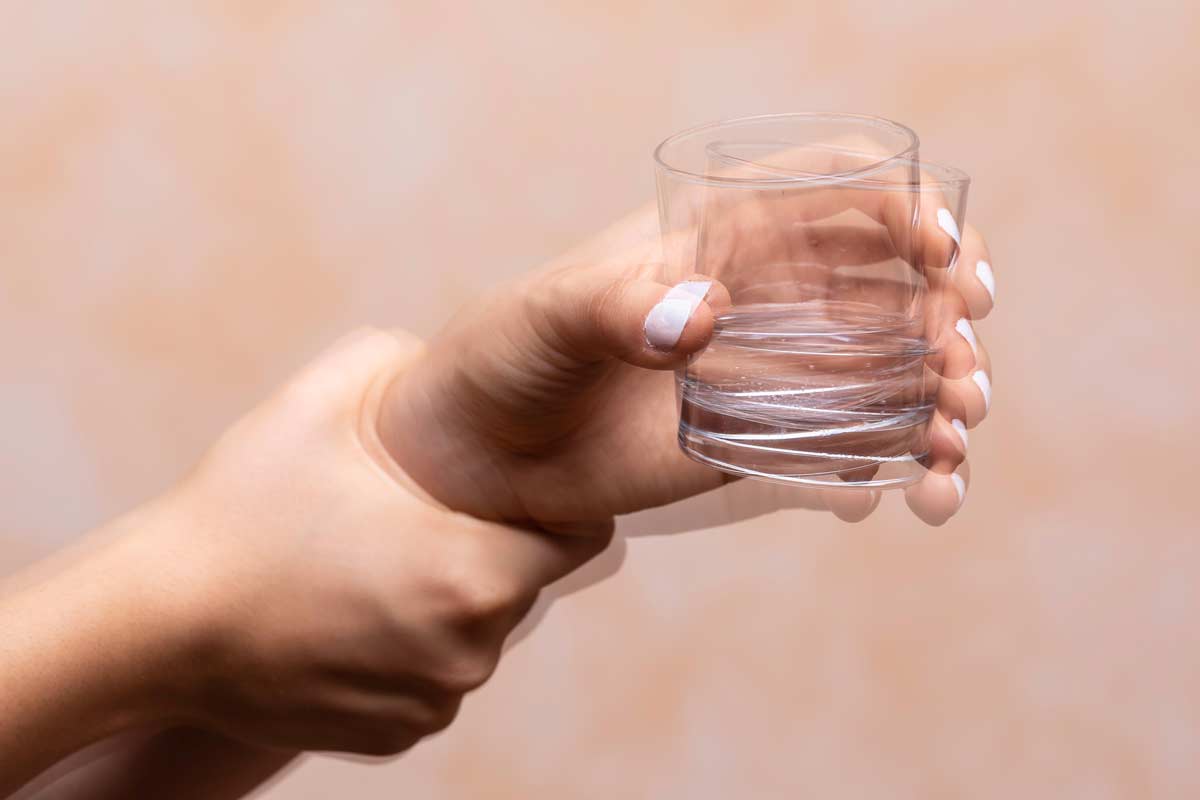
थरथरणे किंवा अंग कापणे. हात किंवा बोटे झोपतांना देखील सतत हालचार सुरू असते. गाढ झोप लागली की सतत होणारी हातांची किंवी शरीराची हालचाल थांबते. अंगठा आणि तर्जनी पुढे-मागे घासून शेवया वळल्या सारखी सतत हालचाल होऊ शकते, याला पील रोलिंग मुवमेन्ट म्हणतात.

हालचाली मंदावल्या असल्याने साधी कामे देखील अवघड होतात. चालताना पावले जवळ जवळ पडतात. खुर्चीवर बसले असतांना त्यातून उठणे कठीण होते. चालतांना रुग्णाचे पाय जमिनीवर फरफटले जाऊ शकतात.

स्नायू कडक राहतात व ते वेदनादायक होऊ शकते. हालचालीची गतीची हळु होते.

मुद्रा आणि संतुलन बिघडलेले राहते. चालतांना पवित्रा वाकलेला असू शकतो, संतुलन सांभाळणे अवघड होते. 

आपोआप डोळे उघडबंद होणे, स्मीत हास्य करणे किंवा चालतांना आपोआप हात हलवणे यांसारख्या स्वयंचलित हालचाली कमी होतात.

रुग्ण पटकन बोलु शकत नाहीत, बोलतांना हळूवारपणे, नीरसपणे व पटापटा बोलतात, त्यांचे शब्द जीभ जडावल्यासारखे येतात. त्यांना लिहिणे कठीण होऊन बसते.

पार्किन्सन रोगाचे टप्पे

  • लक्षणे सौम्य, जीवनात व्यत्यय येत नाही.
  • दैनंदिन क्रियाकलाप कठीण, क्रियांना जास्त वेळ लागतो.
  • रुग्ण संतुलन गमावतो, हळू चालतो,  वारंवार पडतो. कपडे घालणे, खाणे आणि दात घासणे यांसारख्या दैनंदिन क्रियाकलाप अवघड होत जातात.
  • चालताना आणि दैनंदिन कामांसाठी रुग्णाला मदतीची आवश्यकता असते.
  • रुग्णाला चालता येत नाही, त्याला जगण्यासाठी पूर्णवेळ मदतीची आवश्यकता असते.

डॉक्टरांना कधी भेटायचे

तुमचे वय ६० पेक्षा जास्त असल्यास, तुम्हाला वरीलपैकी कोणतीही लक्षणे आढळल्यास, डॉक्टरांना जरूर भेटा.

पार्किन्सन रोगाची कारणे

मेंदूतील काही न्यूरॉन्स [मज्जातंतू पेशी] तुटतात किंवा मरतात. मेंदूमध्ये डोपामाइन नावाचा रासायनिक संदेशवाहक निर्माण करणाऱ्या न्यूरॉन्सच्या नुकसानीमुळे अनेक लक्षणे दिसून येतात. जेव्हा डोपामाइनची पातळी कमी होते, तेव्हा ते असामान्य मेंदूच्या क्रियाकलापांना कारणीभूत ठरते, ज्यामुळे हालचाली बिघडतात आणि पार्किन्सन रोगाची इतर लक्षणे दिसतात.

पार्किन्सन रोगाचे कारण अज्ञात आहे, परंतु अनेक घटक भूमिका बजावतात.

  • विशिष्ट अनुवांशिक उत्परिवर्तनांमुळे पार्किन्सन रोग होऊ शकतो.
  • काही विषारी पदार्थांच्या संपर्कात आल्याने पार्किन्सन रोगाचा धोका वाढू शकतो.
  • पार्किन्सन रोगाच्या कारणासाठी लेवी बॉडीजची उपस्थिती महत्त्वाचा संकेत देते.

जोखीम घटक

  1. वयानुसार जोखीम वाढते. बहुतेक लोक 60 वर्षे किंवा त्यापेक्षा जास्त वयात प्रभावित होतात.
  2. जवळच्या नातेवाईकांमध्ये पार्किन्सन्स रोग असला तर तुम्हाला हा आजार होण्याची शक्यता वाढते.
  3. लिंग: स्त्रियांपेक्षा पुरुषांना पार्किन्सन रोग होण्याची शक्यता जास्त असते.
  4. विषारी पदार्थांशी संपर्क.
  5. पार्किन्सन रोग (PD)-विरहित व्यक्तींशी तुलना केली असता, ज्यांना जप्ती-उत्तेजक परिस्थिती नसते, सहवर्ती न्यूरोलॉजिकल आजार असलेल्यांना अपस्माराच्या झटक्यांचा सर्वाधिक धोका असतो.

कॉम्प्लिकेशन्स

अनेक कॉम्प्लिकेशन्स होतात, पण त्यांचा उपचार करता येतो.

  • विचार करण्यात अडचणी, स्मृतिभ्रंश
  • नैराश्य आणि भावनिक बदल.
  • भीती, चिंता किंवा प्रेरणा कमी होणे.
  • चघळणे आणि खाणे अवघड होते, कुपोषण होते, गुदमरण्याची शक्यता असते.
  • गिळण्याची समस्या, लाळ गळणे.
  • झोपेची समस्या, दिवसा झोप येणे.
  • लघवीवर नियंत्रण ठेवण्यास असमर्थता, लघवी करण्यात अडचण.
  • मंद पचनसंस्थेमुळे मलावरोध.
  • ऑर्थोस्टॅटिक हायपोटेन्शन: रुग्ण उभे राहतात तेव्हा रक्तदाब अचानक कमी झाल्यामुळे चक्कर येणे किंवा डोके हलके होणे.
  • वासाची संवेदने कमी होते.
  • दुपारी अथवा सायंकाणी थकवा येतो.
  • कुठेही वेदना होतात.
  • लैंगिक इच्छा किंवा कार्यक्षमतेत घट.

प्रतिबंध

पार्किन्सन्सचे कारण अज्ञात असल्याने, हा रोग टाळण्याचे मार्ग देखील एक गूढच राहतात.

नियमित एरोबिक व्यायाम पार्किन्सन रोगाचा धोका कमी करू शकतो.

जे लोक कॉफी, चहा, ग्रीन टी आणि कोलामध्ये कॅफिनचे सेवन करतात त्यांना पार्किन्सन रोगाचा धोका कमी असतो.

निदान

पार्किन्सन रोगाचे निदान करण्यासाठी कोणतीही विशिष्ट चाचणी अस्तित्वात नाही. मेंदूचे विशेषज्ञ [न्यूरोलॉजिस्ट, न्यूरोसर्जन] रुग्णाच्या वैद्यकीय इतिहासावर, चिन्हे आणि लक्षणांचे पुनरावलोकन आणि न्यूरोलॉजिकल आणि शारीरिक तपासणीच्या आधारावर पार्किन्सन रोगाचे निदान करतात.

पार्किन्सन्स सारखीच लक्षणे असलेले इतर रोग नाहीत हे पहाण्यासाठी पॅथॉलॉजी प्रयोगशाळेच्या व इमेजींग चाचण्या केल्या जातात.

विशेष स्कॅन जसे की SPECT किंवा डोपामाइन ट्रान्सपोर्टर स्कॅन [DaTscan] चाचण्या मदत करू शकतात. एमआरआय, मेंदूचा अल्ट्रासाऊंड आणि पीईटी स्कॅन सारख्या इतर स्कॅनचा वापर इतर विकारांवर नियंत्रण ठेवण्यासाठी केला जाऊ शकतो. पण पार्किन्सन रोगाचे निदान करण्यासाठी इमेजिंग चाचण्या विशेषतः उपयुक्त नाहीत.

चाचणी व्यतिरिक्त, पार्किन्सन रोगाची औषधे पुरेशा डोसमध्ये दिली जातात आणि जर रुग्णाला फायदा झाला तर पार्किन्सन्सच्या निदानाची पुष्टी केली जाऊ शकते.

कधीकधी पार्किन्सन रोगाचे निदान होण्यास वेळ लागतो. वेळोवेळी रुग्णाची स्थिती आणि लक्षणे यांचे मूल्यांकन करण्यासाठी आणि पार्किन्सन रोगाचे निदान करण्यासाठी डॉक्टर न्यूरोलॉजिस्टसह नियमित फॉलो-अप तपासणीचा सल्ला देऊ शकतात.

उपचार

पार्किन्सन रोग बरा होऊ शकत नाही, परंतु औषधे रोग्याच्या लक्षणांवर नियंत्रण ठेवण्यास मदत करू शकतात. अनेकदा काही अधिक प्रगत केसेस मध्ये शस्त्रक्रिया करण्याचा सल्ला दिला जाऊ शकतो.

जीवनशैलीतील बदल, विशेषतः एरोबिक व्यायाम करणे उपयोगी ठरते. फिझियोथेरपी की जी संतुलन आणि स्ट्रेचिंगवर लक्ष केंद्रित करते, काही केसमध्ये उपयुक्त आणि महत्त्वपूर्ण ठरते. स्पीच आणि लँग्वेज थेरपिस्ट बोलण्याच्या समस्या सुधारण्यास मदत करू शकतात.

औषधे

चालणे, हालचाल आणि थरथरणाऱ्या समस्यांचे व्यवस्थापन करण्यासाठी औषधे मदत करू शकतात. ही औषधे शरीरातील डोपामाइनचे प्रमाण वाढवतात किंवा ती जोपामाईनची पर्यायी औषधे आहेत.

पार्किन्सन रोग असलेल्या लोकांच्या मेंदूत डोपामाइनचे प्रमाण कमी असते. तथापि, डोपामाइन औषध म्हणून दिले जाऊ शकत नाही, कारण ते थेट मेंदूमध्ये प्रवेश करू शकत नाही. त्यामुळे मेंदूमध्ये प्रवेश करून डोपामाइन वाढवणारी किंवा डोपामाइनची पर्यायी औषधे दिली जातात.

पार्किन्सन रोगाचा उपचार सुरू केल्यानंतर लक्षणांमध्ये सुधारणा होते. तथापि, कालांतराने, औषधांचे फायदे हळूहळू कमी होतात किंवा कमी सुसंगत होतात. तरीही सहसा लक्षणे बऱ्यापैकी नियंत्रित होतात.

पार्किन्सन्सची काही औषधे

कार्बिडोपा-लेवोडोपा. लेव्होडोपा हे पार्किन्सन रोगावरील सर्वात प्रभावी औषध आहे. हे एक नैसर्गिक रसायन आहे जे मेंदूमध्ये जाते आणि त्याचे डोपामाइनमध्ये रूपांतर होते.

लेवोडोपा हे कार्बिडोपा (लोडोसिन) सह एकत्रित केले जाते, जे लेव्होडोपाला मेंदूच्या बाहेर डोपामाइनमध्ये लवकर रुपांतरित होण्यापासून संरक्षण करते. या मुळे मळमळी सारखे दुष्परिणाम कमी होतात.

साइड इफेक्ट्समध्ये मळमळ किंवा डोके हलके वाटणे (ऑर्थोस्टॅटिक हायपोटेन्शन) यांचा समावेश असू शकतो.

पार्किंसन रोग जसजसा वाढत जातो, तसतसे बर्‍याच वर्षांनी लेव्होडोपाचे फायदे कमी होऊ शकतात. कधी फायदे वाढतात, तर कधी ते कमी होतात.

लेव्होडोपाचे जास्त डोस घेतल्यानंतर अनैच्छिक हालचाली (डिस्कायनेसिया) होऊ शकतात. त्यामुळे हे दुष्परिणाम नियंत्रित करण्यासाठी डॉक्टर औषधांचा डोस कमी करतात.

इनहेल्ड कार्बिडोपा-लेवोडोपा (नाकातून श्वासाबरोबर घेतलेले औषध) देखील वापरले जाते. जेव्हा तोंडावाटे घेतलेले औषधे दिवसभरात अचानक काम करणे थांबवतात तेव्हा उद्भवणारी लक्षणे कमी करण्यासाठी श्वासाबरोबर घेतलेले औषध उपयुक्त ठरू शकते.

कार्बिडोपा-लेवोडोपा मिश्रण कार्बिडोपा आणि लेवोडोपापासून बनलेले आहे. तथापि, हे फीडिंग ट्यूबद्वारे दिले जाते. हे औषध थेट लहान आतड्यात जेलच्या स्वरूपात वितरीत केले जाते. हे अति प्रगत पार्किन्सन्स असलेल्या रूग्णांसाठी आहे जे अजूनही कार्बिडोपा-लेवोडोपाला प्रतिसाद देतात, परंतु त्यांच्या प्रतिसादात बरेच चढ-उतार आहेत. हे मिश्रण हळूहळू आणि सतत ओतले जात असल्याने, या दोन औषधांची रक्त पातळी बऱ्यापैकी स्थिर असते.

औषधे वितरीत करणार्‍या नळ्या एका छोट्या शस्त्रक्रियेद्वारे शरीरात ठेवल्या जातात. त्यातून सतत औषधे दिली जातात.  नलिका लावण्याच्या जोखमीं म्हणजे नलिका बाहेर निघू शकते किंवा त्या जागी संक्रमण होऊ शकते.

डोपामाइनऐवजी, डोपामाइन सारखीच औषधे वापरली जातात, ज्याला डोपामाइन ऍगोनिस्ट म्हणतात. लेव्होडोपा प्रमाणे डोपामाइन ऍगोनिस्टचे डोपामाइनमध्ये रूपांतर होत नाही. त्याऐवजी, ते मानवी मेंदूमध्ये डोपामाइन प्रभावांची नक्कल करतात. ते लक्षणांवर उपचार करण्यासाठी लेव्होडोपाइतके प्रभावी नाहीत. पण ही औषधे जास्त काळ टिकतात आणि लेव्होडोपामुळे काहीवेळा होणारे “चढ-उतार” कमी करायला वापरले जाऊ शकतो.

डोपामाइन ऍगोनिस्टमध्ये प्रॅमिपेक्सोल, रोपिनिरोल आणि रोटीगोटीन पॅच यांचा समावेश होतो. एपोमॉर्फीन हे एक कमी वेळ काम करणारे व इंजेक्शन द्वारे देण्याचे डोपामाइन ऍगोनिस्ट आहे. हे पटकन परिणाम करते.

डोपामाइन ऍगोनिस्ट्सचे काही दुष्परिणाम कार्बिडोपा-लेवोडोपाच्या दुष्परिणामांसारखेच आहेत. त्यामध्ये मतिभ्रम, निद्रानाश आणि अतिलैंगिकता, जुगार खेळणे आणि अति खाणे यासारख्या वर्तनांचा समावेश असू शकतो. त्यामुळे ही औषधे घेण्यार्या रूग्णांवर लक्ष ठेवायला लागते.

एमएओ बी इनहिबिटर जसे की सेलेजिलिन, रासागिलिन आणि सॅफिनामाइड यांचा समावेश होतो. ते ब्रेन एन्झाइम मोनोमाइन ऑक्सिडेस बी (एमएओ बी) प्रतिबंधित करून मेंदूच्या डोपामाइनचे विघटन रोखण्यास मदत करतात. हे एन्झाइम मेंदूच्या डोपामाइन कमी करते. लेव्होडोपा सोबत जर सेलेजिलीन दिले तर लेव्होडोपाचा परिणाम लगेच कमी होत नाही. 

MAO B इनहिबिटरच्या दुष्परिणामांमध्ये डोकेदुखी, मळमळ किंवा निद्रानाश यांचा समावेश असू शकतो. ही औषधे कार्बिडोपा-लेवोडोपा बरोबर दिल्यास भ्रम होण्याचा धोका वाढवतात.

Catechol O-methyltransferase (COMT) इनहिबिटर. उदाहरणे Entacapone आणि Opicapone आहेत. ते लेवोडोपा थेरपीचा प्रभाव सौम्यपणे वाढवतात. साइड इफेक्ट्स म्हणजे अनैच्छिक हालचाली (डिस्कायनेसिया), अतिसार, मळमळ किंवा उलट्या.

पार्किन्सन रोगाशी संबंधित थरथर नियंत्रित करण्यासाठी अँटीकोलिनर्जिक्स औषधे अनेक वर्षांपासून वापरली जात होती. बेंझट्रोपिन आणि ट्रायहेक्सिफेनिडिल ही उदाहरणे आहेत.

Amantadine चा उपयोग सौम्य, प्रारंभिक अवस्थेतील पार्किन्सन रोगाच्या लक्षणांपासून अल्पकालीन आरामासाठी केला जातो. अनैच्छिक हालचाली (डिस्कायनेसिया) नियंत्रित करण्यासाठी पार्किन्सन रोगाच्या नंतरच्या टप्प्यात कार्बिडोपा-लेवोडोपा थेरपी देखील दिली जाऊ शकते.

या लेखाच्या पुढील भागात पार्किन्सन रोगावरील शस्त्रक्रिया आणि रुग्णाच्या कुटुंबातील सदस्य किंवा मित्र यांनी सर्वांनी मिळून पार्किन्सन रोगाचा कसा सामना करावा याबद्दल माहिती देण्यात येईल.